Facebook
 Instagram
 Twitter
 Linkedin
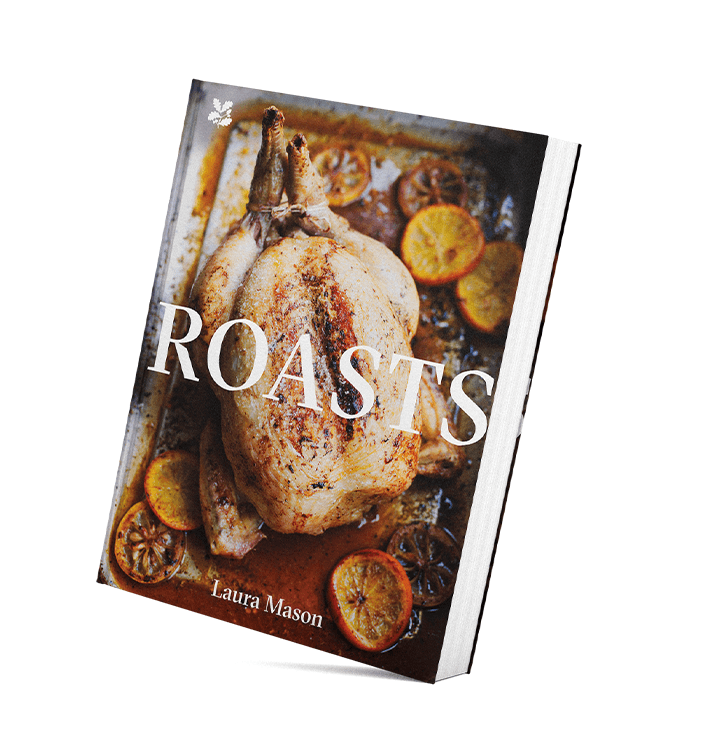
Leading chef Laura Mason shares some recipes from the new National Trust Book of ROASTS (£16.99), which is out now
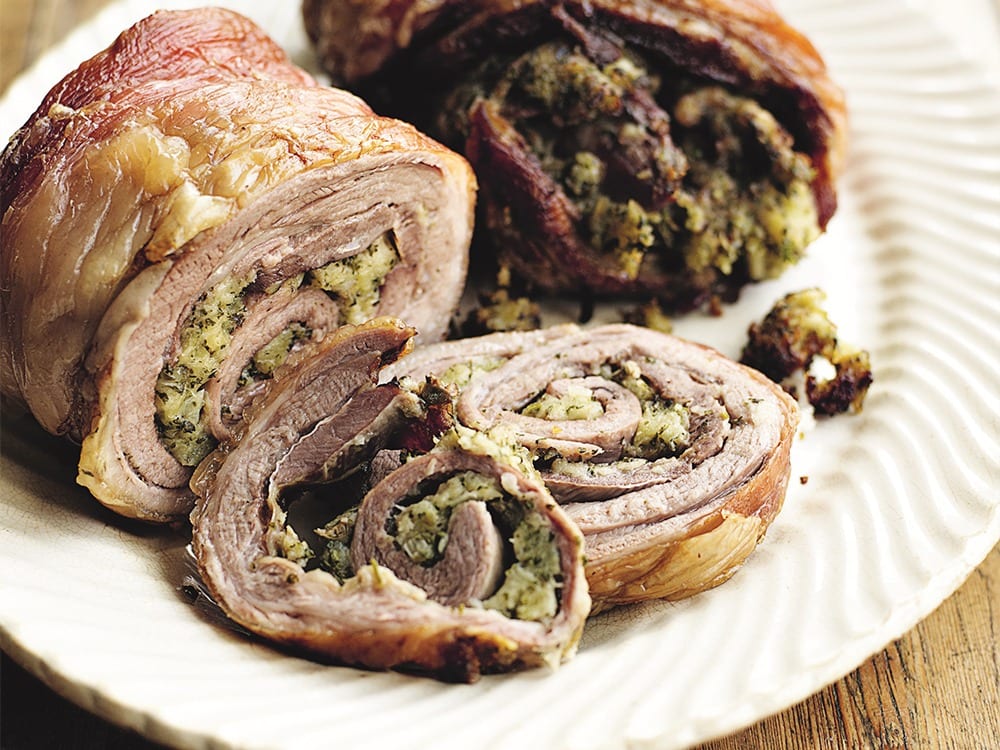
Breast of lamb
Stuffed with capers, garlic and herbs
(Prep: 20 minutes – Cooking: Three and a half to four hours – Serves:
Three to four)
Ingredients:
• Two breasts of lamb, boned
• 40g (1½oz) unsalted butter
• One medium onion, peeled
& finely chopped
• Two garlic cloves, peeled and crushed
• Two tablespoons salted
capers, well rinsed and
coarsely chopped
• A little chopped fresh mint
• Three tablespoons finely chopped fresh parsley
• A large tablespoon chopped fresh basil
• Zest of ½ lemon (preferably unwaxed), finely grated
• 150g (5oz) crustless day-old white bread, torn into small pieces
• Splash of stock or milk,
to moisten
This needs slow cooking, moisture, and a highly flavoured stuffing to add interest and counteract the fattiness. In the past, standard English mixtures of bread with herbs and suet bound with eggs were favoured, but these are very dense to modern tastes. I suggest using a mixture with flavours borrowed from salsa verde (capers, herbs), which works well with this meat.
Method:
Breast of lamb is flattish and thin, with one straight edge cut from the forequarter, which may still contain the ends of the rib bones, unless the butcher has already removed them. If you have to do this yourself, run a knife in between the bones and the meat on the outside, then cut them away from the lesser covering inside and slip them out.
To make the stuffing, melt the butter over a low heat and fry the onion and garlic until softened. Stir in the capers, herbs, lemon zest and bread, and add enough stock or milk to moisten the bread.
Spread the meat out, skin-side down. Put a layer of stuffing
on top of each piece, then roll from the narrow end and
firmly tie at each end with string.
Preheat the oven to 140°C, 275°F, Gas mark 1. Put the lamb in a shallow roasting tin and cook for three to three and a half hours, pouring off any fat that the meat renders. Then turn the oven up to 200°C, 400°F, Gas mark 6, and give it a further 15 minutes to crisp up.
It won’t produce gravy, but a light tomato sauce goes well with the caper-flavoured stuffing. Alternatively, serve a salad dressed with vinaigrette on the side.
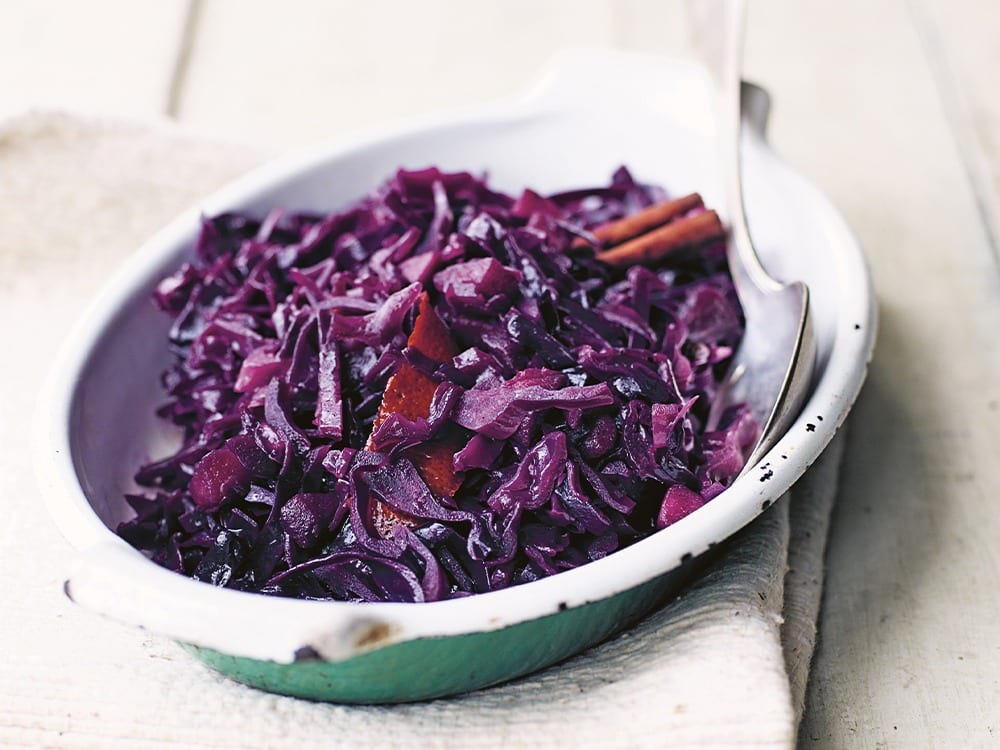
RED CABBAGE
(Prep: 10 minutes – Cooking: 140 minutes – Serves: Six)
Ingredients:
• One generous tablespoon goose, pork or bacon fat, or oil
• One medium onion
• One or two apples, preferably sourish ones
• A small red cabbage
• Two or three tablespoons cider vinegar
• Two tablespoons light pale brown sugar
• Four or five cloves, bruised
• 5cm (2in)
cinnamon stick
• A piece of orange zest (preferably unwaxed) about 5 x 2cm (2 x 1in)
• A teaspoon of salt
• Freshly ground
black pepper
Method:
Preheat the oven to 140°C / 275°F, Gas mark 1. Peel and roughly chop the onion. Peel, core and chop the apples. Quarter the cabbage, discard the stem and finely slice.
Heat the fat in an ovenproof casserole and fry the onion until translucent. Stir in the apples, then the cabbage, and fry lightly for a few minutes. Add the other ingredients and stir well. Cover and transfer to the oven for about an hour and a half.
This can be cooked on the hob, but the heat must be very low – and stir frequently, adding a little more water from time to time if it shows signs of drying up.
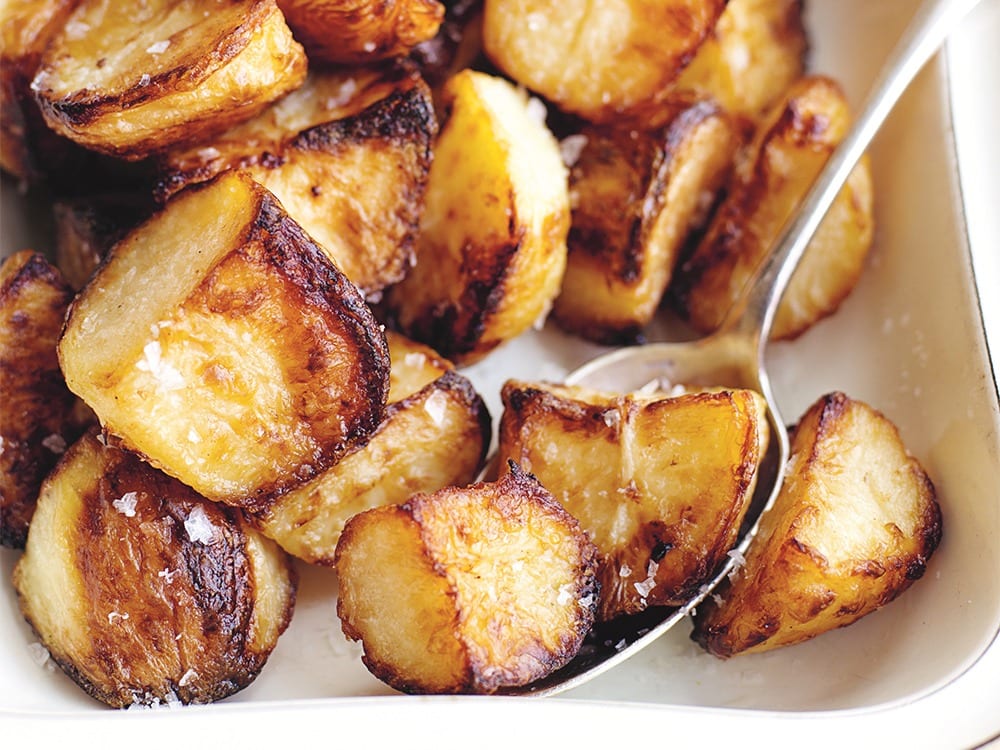
Roast potatoes
(Prep: 15 minutes – Cooking: 60 minutes – Serves: Four to six)
Ingredients:
• 1kg (2¼lb) potatoes
• About 50g (2oz) fat for roasting, such as beef or pork dripping
• Salt
Roast potatoes are a defining element of “a proper roast”. King Edward, a potato variety with almost iconic status in Britain, probably has the best flavour, and can develop a fantastic crisp crust and melting interior. Wilja and Desirée are also good; Cara and Romano should produce reasonable results.
Method:
The oven needs to be hot – 200–220°C, 400–425°F, Gas mark 6–7.
Peel the potatoes. Leave small ones whole, and cut large ones into smaller pieces (3–4 each). Put them in a pan, just cover with cold water, and bring to the boil. Boil for 5–7 minutes. Tip them into a colander and drain well.
Put the fat in a roasting tin and place in the oven to melt and get very hot. Take it out and add the potatoes. (Wear oven gloves and an apron in case the fat spits – it should be hot enough to sizzle satisfactorily.) Turn the potatoes well in the hot fat, sprinkle with salt, and roast for 40–50 minutes. In a gas oven, put the potatoes at the top. Turn once or twice during cooking, and add a little more salt each time.
Roasts by Laura Mason, published by National Trust Books.
Images: Tara Fisher.
Share