Facebook
 Instagram
 Twitter
 Linkedin
Rangers and volunteers have been clearing and restoring an area of alkaline fen to aid endangered species such as a tiny rare snail
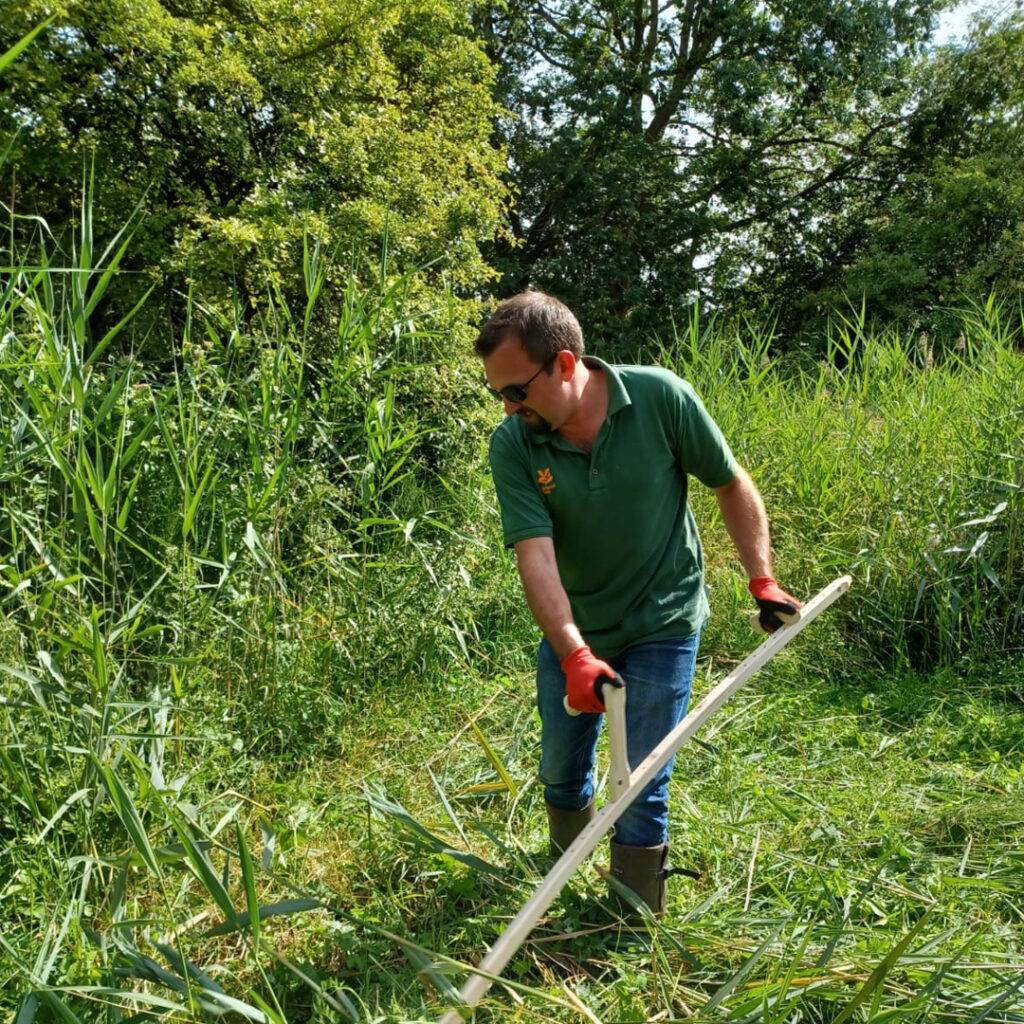
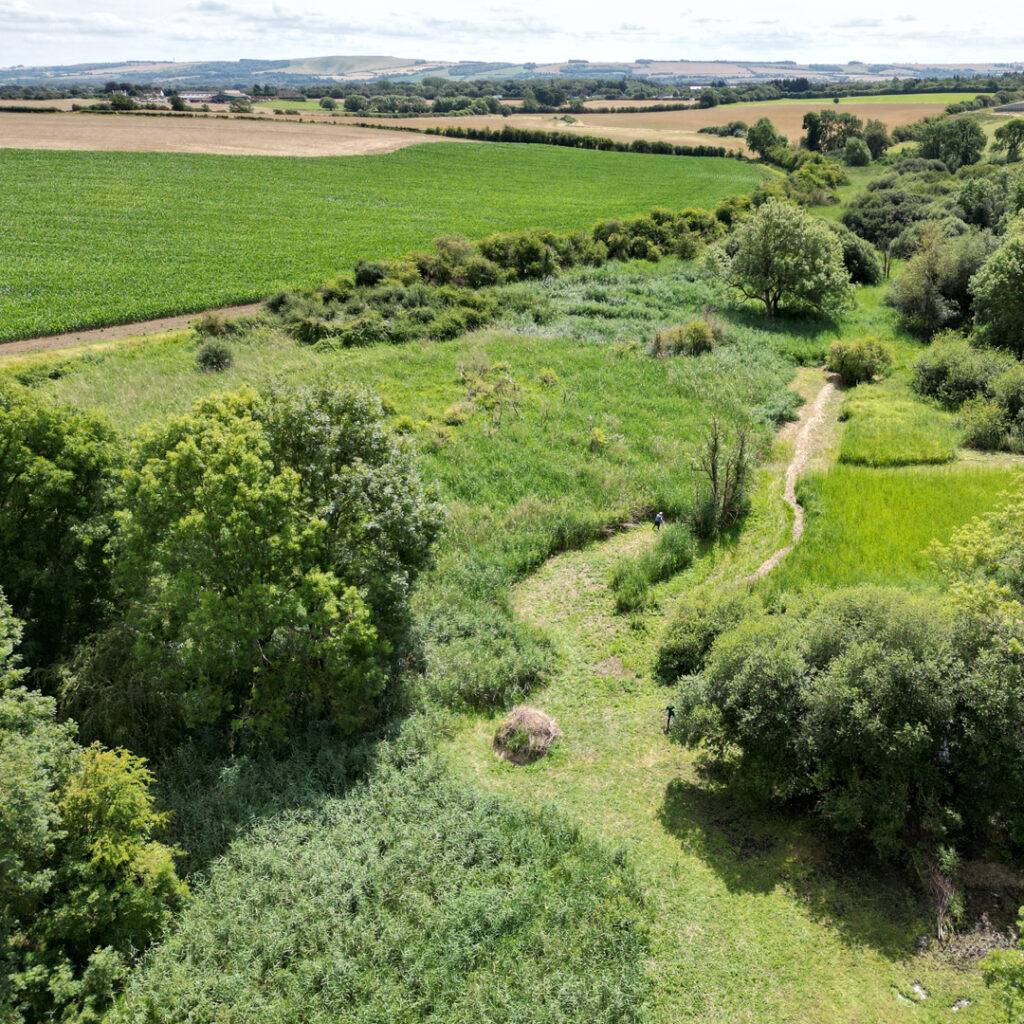
A team of rangers and volunteers have been scything reeds in a plan to restore an area of alkaline fen at Pea Pits in West Oxfordshire. Fenland is one of Britain’s most threatened and precious homes for rare plants and wildlife. The National Trust is working with Freshwater Habitats Trust who provided the tools and scythe training to protect this internationally important habitat.
Most people associate fenland with the lowlands of East Anglia and are unaware that alkaline fens are also a special feature of the Oxfordshire countryside. The fens in Oxfordshire are fed by springs emerging from chalk or limestone in valleys and on hill slopes.
Alkaline fens support many wetland plants that are rare or endangered nationally or in the county such as the carnivorous butterwort, grass-of-Parnassus, marsh helleborine and marsh lousewort.
Endangered insects include species of soldier-fly, horsefly and damselfly, while molluscs include the Desmoulin’s whorl-snail. This is the tiny rare snail the size of a pinhead that almost stopped the Newbury Bypass being built in 1996 when the construction was set to destroy its habitat.
The work party cleared back trees and reeds at Pea Pits to give the rare plants some light. The cuttings were used to create dams to slow down water flow and create pools. The team also planted marsh lousewort to stop the dominant reeds taking up the majority of light. Marsh lousewort does this by finding another plant’s roots underground and extracting water and nutrients from the ‘host’ plant. This parasitic action weakens the reeds, allowing a diversity of other, more delicate plants to come through.
Whilst the marsh lousewort is establishing, the National Trust will continue to cut the reeds and scrub in the late summer and, if funding and a suitable grazier can be found, may eventually fence the area and graze it with cattle. Rest assured, if the vanishingly rare Newbury bypass snail makes an appearance at Pea Pits, it will have a safe home.
Richard Watson, Countryside Manager, West Oxfordshire said: “It’s great to see this quiet corner of the estate being brought back to life. It is the only Fen site we look after in West Oxfordshire, so it’s a really important habitat. It’s been great to work with the Freshwater Habitats Trust on expertise and training for our staff and volunteers to take on the management of the site.”
Paola Perez, Fen Conservation Officer at Freshwater Habitats Trust said: “Along with other small freshwater habitats, alkaline fens have traditionally been overlooked, but they support a unique community of plant and animal species.
“Restoring and protecting these rare alkaline fen habitats is a vital part of our work to reverse the decline in freshwater biodiversity. We’re thrilled to be collaborating with the National Trust to restore the alkaline fen at Coleshill and are very grateful to their volunteers for all their hard work.”
Share