Founders Hannah and Jack turned their lifelong love of reading into a dream business in Jeffries Passage, creating a cosy haven for book lovers, book clubs and local authors.
Open the door to a bookshop and among the colourful covers and shelves of stories you’ll find different worlds, make new friends and discover a whole realm of emotions.
A bookshop is so much more than just a place that sells books as Hannah and Jack, the founders of Paper Moon in Jeffries Passage just off the High Street, have found in the last year.
The independent gem offers a wide and thoughtful selection of books in a calm and cosy setting, bringing the joy and wonder of reading to Guildford, which they were surprised to find with its history and culture didn’t already have an independent bookshop.
That both are self-confessed bibliophiles goes without saying, both had been working in bookshops before the opportunity for Paper Moon arose. It was always their dream to have a bookshop of their own “so when the chance came around, we decided to throw caution to the wind and try to live our dream”.
“I’ve loved reading my whole life,” says Jack who studied literature and history at university. “My taste in books ranges from dense classics to heroic fantasy, but honestly as long as it’s well written I will enjoy any genre. I started a career in bookselling after university, and from then on, I knew I didn’t want to do anything else.”
Hannah did a Master’s in psychology and followed that path before moving into bookselling. Reading was a big part of her childhood and she spent much of that time with her head stuck in a book.
“Fantasy is definitely my preferred genre, as I love the escapism of made-up worlds, but I will read anything that piques my interest, especially books that make you cry!”
With so many books to choose from, how do they select their titles?
“We never quite know how to answer. I suppose the truth is, it depends. A lot of the books in the shop are our favourites, but they can also be books we think all bookshops should have, books we are excited to read, or books related to what’s going on in pop culture or the world at the time.”
Many of these are enjoyed by book clubs which are a regular feature at the shop which among established and best-selling authors, puts the spotlight on three featured local authors at any one time, with each having the opportunity to display their work for a three-month period.
Despite “all the mundane stuff” – rent, business rates and countless other overheads – they are very excited to see what’s next for Paper Moon, adding: “We hope to be here for many years, growing with our community of book lovers and improving the whole time.
“If you want to pop in for a recommendation, or if you know any book lovers who haven’t heard about us yet, we are in the shop Tuesday to Sunday and are always happy to help.”
From sparkling Christmas markets and magical Santa experiences to illuminated gardens, discover the best festive days out across six counties in 2026.
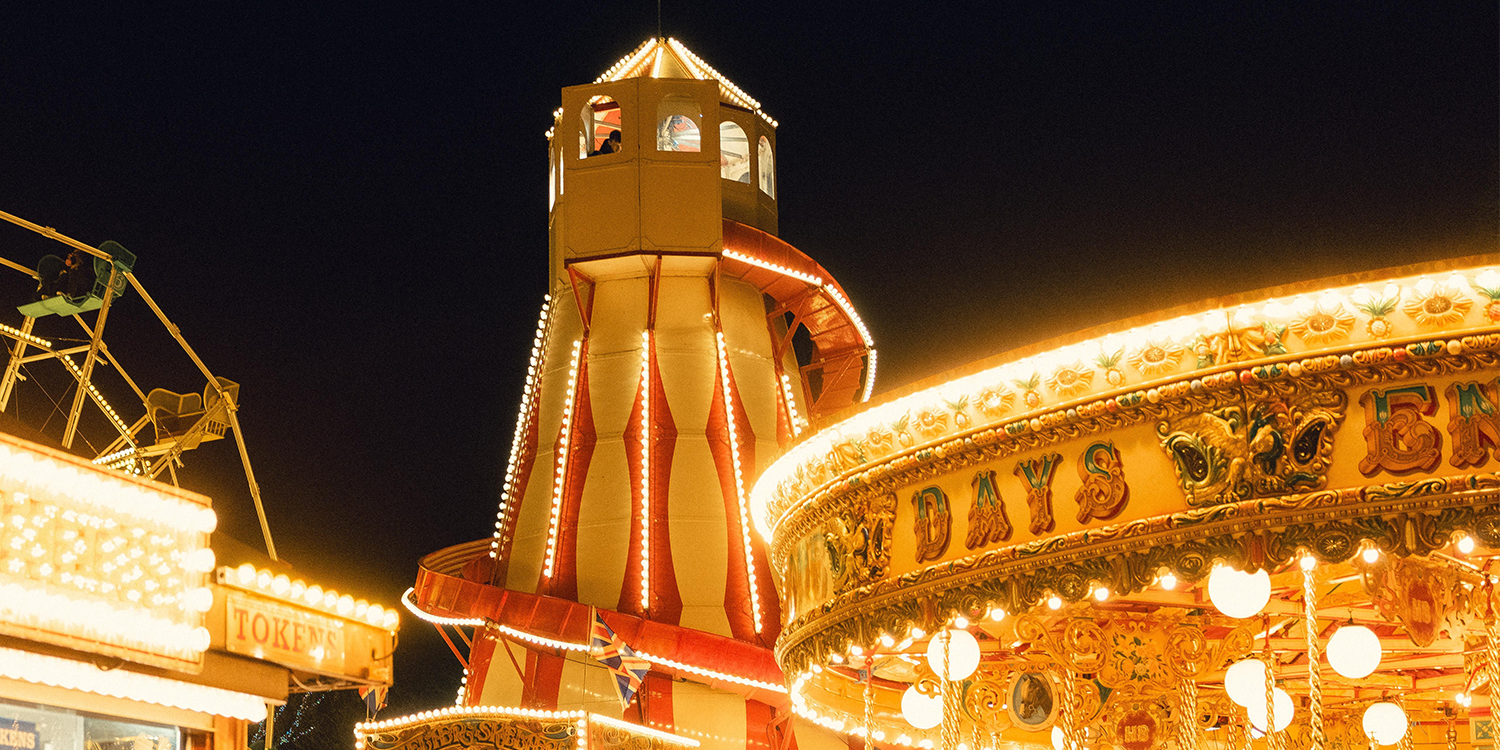
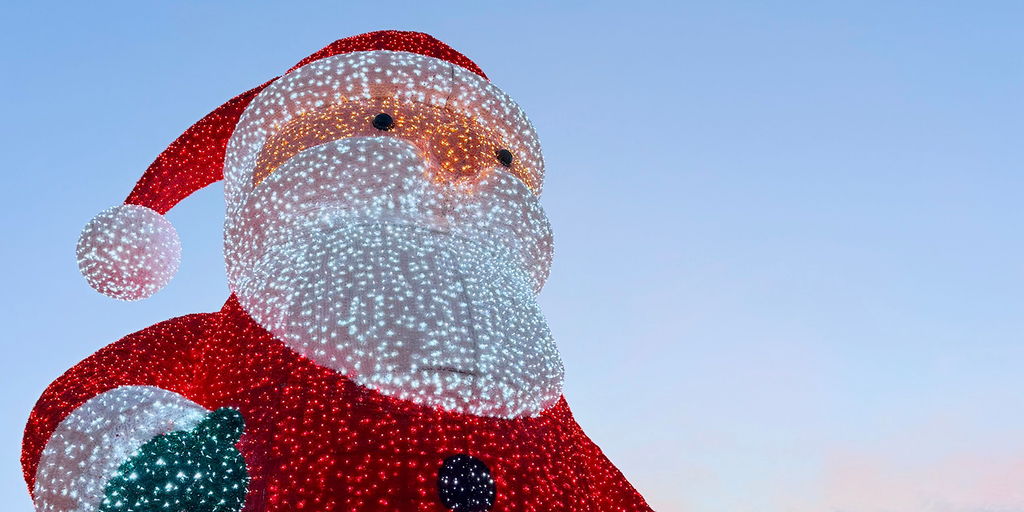
From twinkling light trails and traditional Christmas markets to magical Santa experiences, steam train adventures and festive family days out, discover where to make merry across Wiltshire, Berkshire, Buckinghamshire, Oxfordshire, Hampshire and Surrey this Christmas.
Whether you’re searching for handmade gifts, planning a family day out or dreaming of an evening beneath thousands of Christmas lights, there’s plenty of festive inspiration across the region.
From traditional markets and historic houses to spectacular illuminated trails, Wiltshire has plenty of ways to get into the festive spirit.
Christmas markets and independent shopping
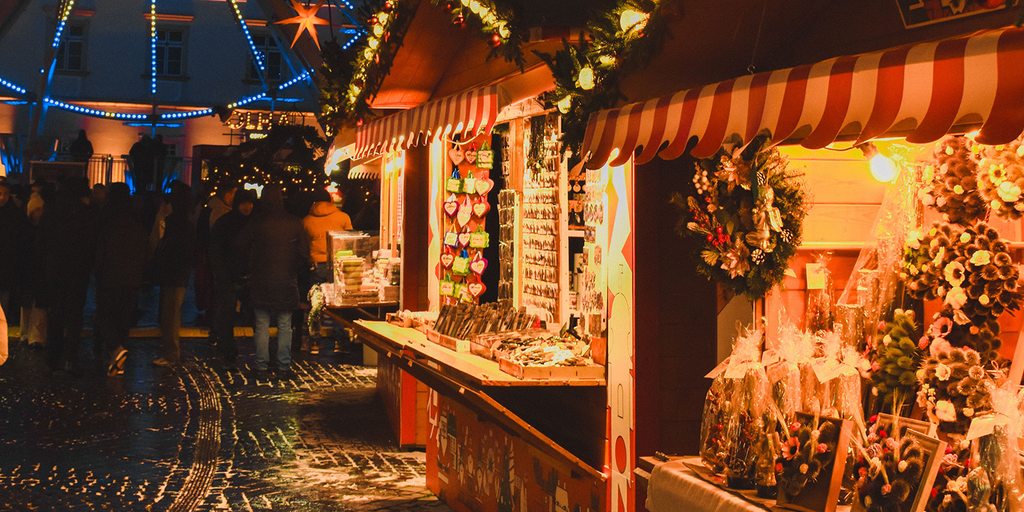
Marlborough’s Christmas celebrations bring the High Street to life on Friday 27 November, with festive entertainment, a market and Santa’s Grotto. St Peter’s hosts artisan markets on 27 November and 12 December, while Marlborough College’s Christmas Market takes place on 28 and 29 November, followed by its Into The Night Market on 21 and 22 December.
The Wiltshire & Bath Air Ambulance Christmas Market returns to its airbase at Semington on 21 and 22 November, with local traders, festive food and drink, live performances and a tombola raising funds for the charity.
At STEAM in Swindon, Christmas at STEAM takes place on 5 and 6 December, with more than 50 market stalls, live entertainment and Santa’s Storytime.
Avebury Manor becomes A Very Avebury Christmas from 28 November, with handcrafted displays inspired by the estate’s landscape, wildlife and history. Christmas markets, storytelling with St Nicholas and family crafts run on selected dates until 13 December.
Malmesbury’s festive shopping evening on Friday 4 December promises seasonal stalls, late-opening shops, live entertainment, food and handmade gifts.
Historic houses and traditional Christmas experiences
Mompesson House in Salisbury is transformed for Christmas from 20 November to 22 December, with decorations inspired by The Nutcracker and the Mouse King. nationaltrust.org.uk/visit/wiltshire/mompesson-house.
Lacock Abbey hosts its Community Christmas Tree Festival on 28 November, filling the cloister with twinkling lights and handmade decorations. The Great Hall is also dressed for the season, while children can meet Mother Christmas for storytelling and festive crafts on selected December dates. nationaltrust.org.uk/visit/wiltshire/lacock.
Bowood offers festive afternoon tea and seasonal dining, while Christmas craft and wreath-making workshops across the county provide opportunities to create something special to take home. bowood.org/.
Santa experiences and festive family days out
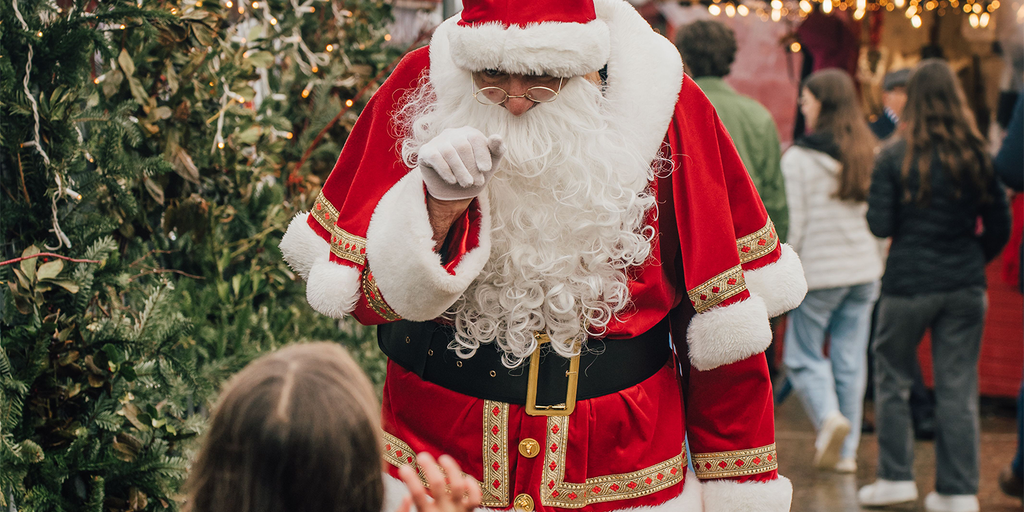
At Studley Grange near Wroughton, Santa on the Farm combines a festive grotto and present with all-day entry to the farm and its animals.
The Swindon & Cricklade Railway’s Santa Specials offer a nostalgic heritage train ride and a visit to Santa.
The Neeld Community & Arts Centre in Chippenham welcomes The Santa Show 2026: Santa’s Best Ever Christmas on 12 December. Music fans can also enjoy Chippenham Male Voice Choir’s Christmas Cracker Concert on 3 December, while Larkhill Choral Society provides a musical start to Advent on 5 December.
Christmas lights and illuminated trails
Christmas at Stourhead runs from 27 November to 3 January, transforming the gardens into an after-dark wonderland. Follow the illuminated trail past installations including the Sea of Light, Fire Garden and Winter Cathedral. The route is around a mile long and takes approximately 90 minutes, with festive food and drink along the way. nationaltrust.org.uk/visit/wiltshire/stourhead/christmas-lights-at-stourhead.
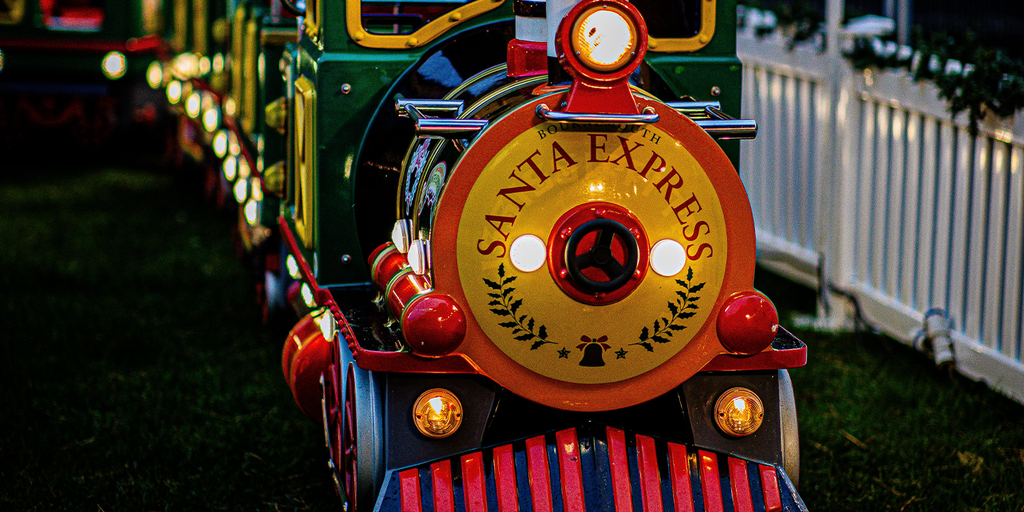
Longleat’s Christmas celebrations run from 7 November to 17 January, featuring the Festival of Light, Santa Train, Enchanted Christmas Tree Show and Singing Christmas Tree. Christmas storytelling, a live owl show and a winter safari drive-through add to the festive programme. Advance booking is recommended. longleat.co.uk.
For a more atmospheric experience, Salisbury Cathedral hosts From Darkness to Light: The Advent Procession on 27, 28 and 29 November, with candlelight and music in its magnificent medieval interior. salisburycathedral.org.uk.
Druids Lodge near Salisbury combines Christmas shopping with a sporting twist on Saturday 5 December, when its Christmas market is paired with fireside arena polo.
Christmas events in Berkshire
Berkshire’s festive calendar combines spectacular illuminations, independent shopping, family attractions and seasonal entertainment.
Christmas lights and illuminated trails
Reading’s Christmas lights switch-on takes place on Saturday 14 November at 5pm. The display celebrates the town’s culture and heritage, with more than 800,000 LED lights, alongside festive food and music outside M&S.
Illuminate Reading returns to Forbury Gardens and the historic Abbey Ruins from 15 November to 3 January. Explore glowing installations and atmospheric lighting throughout the historic landscape. Find details at illuminatereading.co.uk.
Windsor Great Park Illuminated runs from 13 November to 3 January, with impressive light installations, immersive projections and illuminated fountains across the lake. Visitors can warm up with mulled wine or hot chocolate, toast marshmallows around a fire pit and enjoy the Festive Village. windsorilluminated.com.
Ascot Christmas Fair brings more than 160 boutiques, food and fashion stalls together at the racecourse. Browse independent traders and unique gifts, with a heated marquee providing a place to stop for lunch.
At Beale Park, families can enjoy seasonal activities, meet Father Christmas and spend time outdoors with the animals. Visit bealepark.org.uk for details.
Festive theatre, music and family fun
Reading Rep Theatre presents Dickens’ A Christmas Carol from 19 November to 3 January, bringing the classic festive story to the stage at its Kings Road venue.
The Christmas Craft & Santa Experience at Dinton Pastures runs from 28 November to 24 December. Children can enjoy a Christmas crafting session before meeting Santa and receiving a sweet treat.
The Christmas Orchestra performs at Reading Minster on 12 December. The 16-piece chamber orchestra plays familiar music from festive favourites including Home Alone, Elf, The Holiday, Love Actually and The Muppet Christmas Carol, alongside traditional carols. Tickets are available at thechristmasorchestra.co.uk.
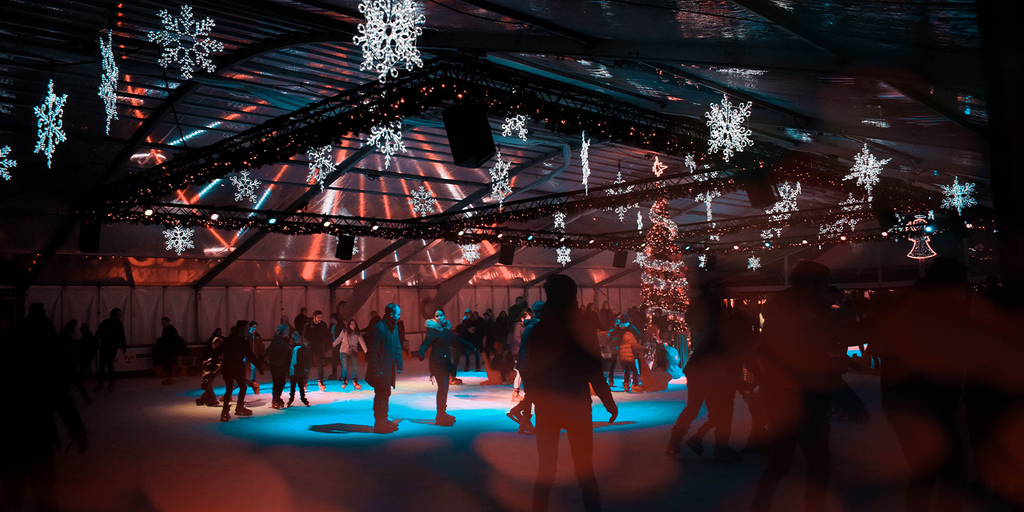
Winter Wonderland Reading returns from 7 November to 3 January, with festive food, German-inspired stalls, rides, character days, Santa’s Grotto and a large undercover real ice rink. Check the official website for current ticket prices and booking information at readingwinterwonderland.co.uk.
Christmas events in Buckinghamshire
Buckinghamshire is full of festive inspiration, from independent makers’ markets and Victorian celebrations to steam train adventures and illuminated historic houses.
Christmas markets and handmade gifts
The Chiltern Made Craft Fair returns to Chesham’s Elgiva on Saturday 21 November, from 10.30am to 4pm. Organisers Liz Turner and Laura Collins bring together 35 makers and artists selling ceramics, jewellery, textiles, woodwork, glass art, flowers, weaving and more. Find details at elgiva.com.
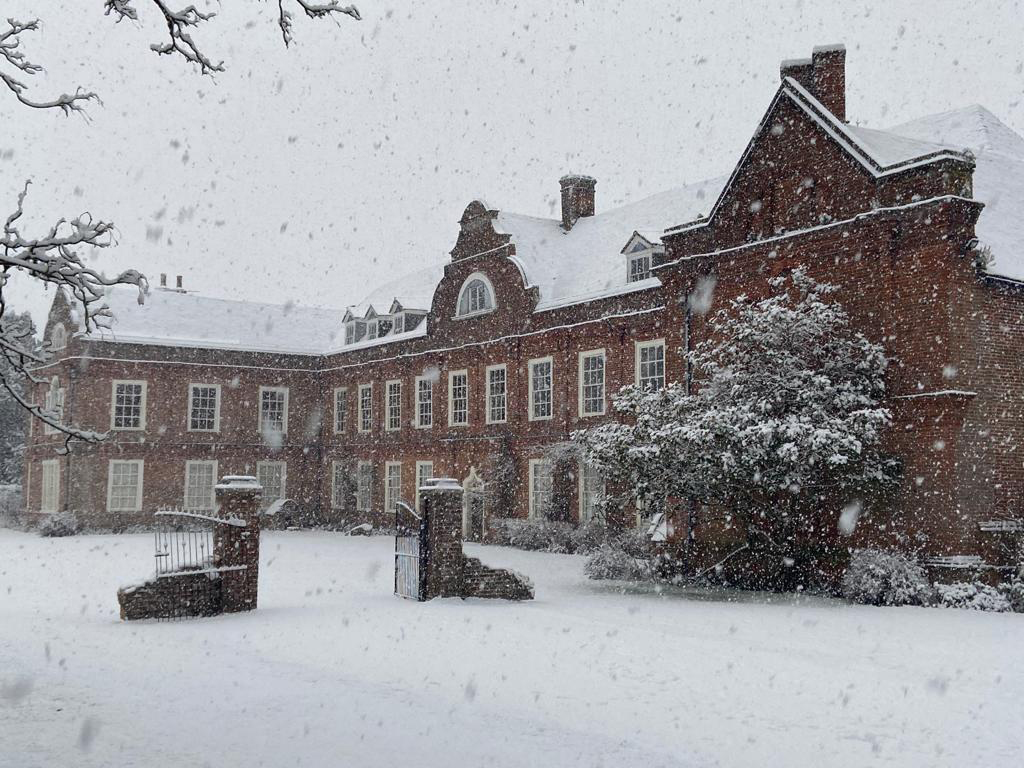
Peterley Manor Farm hosts its Christmas Market from 12 to 15 November, with independent traders, festive gifts and three VIP shopping evenings. Daytime sessions run from 10am to 5pm Thursday to Saturday and 10am to 4pm on Sunday. Visit peterleymanorfarm.co.uk.
Sally Evans’ Artists & Makers Fairs bring independent creatives together in Thame on 7 November and 19 December, and in Princes Risborough on 23 November.
More than 70 independent makers and small businesses gather at the Brunel Engine Shed in High Wycombe on 27 and 28 November for a free Christmas Artisan Market organised by Phoenix Artisans. Browse handmade gifts and enjoy live entertainment.
West Wycombe Walled Garden hosts a festive shopping event on 27, 28 and 29 November, including an evening session, live music, mulled wine and special offers.
Stokenchurch Dog Rescue’s Christmas Bazaar takes place at Longburrow Hall on 28 November. Browse handmade gifts, jewellery, decorations, toys and dog hampers while supporting the rescue’s work. Entry is £1 per person.
Victorian Christmas and steam train adventures
Chiltern Open Air Museum in Chalfont St Peter hosts its Festive Weekend on 5 and 6 December. Step back into the 19th century with the Ragged Victorians, seasonal music, storytelling, artisan stalls and a visit to Father Christmas. coam.org.uk.
The Chinnor & Princes Risborough Railway’s Santa Steam Specials run on selected dates from 28 November to 23 December. Depart from Princes Risborough Station in vintage 1950s carriages for a journey towards the North Pole, where Santa and his elves await. chinnorrailway.co.uk/product.php/516/santa-steam-specials-all-aboard.
At the Roald Dahl Museum & Story Centre in Great Missenden, Santa visits on Saturdays 5 and 12 December. Families can enjoy chocolate treats, Charlie and the Chocolate Factory storytelling, crafts, a Christmas Bingo Trail and special activities. Plan your visit at roalddahlmuseum.org.
Christmas lights, historic houses and festive towns
Marlow’s Christmas celebrations begin with its lights switch-on on 19 November, followed by late-night shopping on 3 December, the Santa Fun Run on 6 December and Carols on the Causeway on 17 December.
Amersham and Great Missenden celebrate Christmas on 28 November, with markets, music, family entertainment and festive lights.
For Christmas magic with a motorsport twist, Christmas at Silverstone runs from 11 to 31 December, excluding Christmas Day. Drive your own car around the Formula 1 circuit after dark on the Lap of Lights, with thousands of lights and lasers. Other attractions include an ice rink, curling, racing simulators, Kart Silverstone and Santa’s Garage. Visit silverstone.co.uk.
Christmas events in Oxfordshire
From bustling festive markets and illuminated palaces to steam trains and traditional carol concerts, Oxfordshire has plenty of ways to celebrate the season.
Christmas markets and independent shopping
Abingdon Extravaganza returns from 9am on Saturday 28 November, with donkeys, bands, carols, dancing, a market, street food, a mini funfair, Chase from Paw Patrol, balloon master Twistopher and a giant snow globe. Visit visitabingdoneventspartnership.co.uk/christmas-extravaganza.
For festive shopping, Root One near Wallingford offers real Christmas trees, handcrafted wreaths, door hangers, festive centrepieces, candles, stocking-fillers and homewares. Warm up in the café with soup and hot chocolate. Visit root-one.co.uk.
The 25th South Oxfordshire Christmas Fair returns to Thame from 9.30am on Tuesday 17 November, with more than 60 independent businesses, makers, artisans, growers and food producers. Ten per cent of each stallholder’s sales supports Sobell House Hospice and Oxfordshire Animal Sanctuary, alongside money raised through entry, raffles and the cake stall. Last year’s fair raised £17,803. Find details at southoxfordshirechristmasfair.com.
Burford Christmas Fair brings handmade gifts and creative treasures to Warwick Hall on Saturday 28 November, from 10am to 3.30pm. Organiser Beccy Hunt, also known as Chez Beccy, is appearing at Compton Verney Christmas Fair from 4 to 6 December and Woodstock’s Pop Up Shop at No 14 Market Place from 30 November to 13 December.
The Yattendon Winter Market, organised by Modern Makers Collective, takes place on 14 and 15 November, with entry at £3 per person.
Illuminated trails and Christmas at the palace
The Illuminated Trail returns to Blenheim Palace from 13 November to 3 January, with a million lights, illuminated trees, waterfalls and interactive displays. Add hot chocolate, toasted marshmallows, a Christmas market and The Great Skate for a spectacular festive outing. The seasonal programme also includes Cinderella. Book at blenheimpalace.com.
Oxford Christmas Light Festival illuminates the city from 13 to 15 November, with Leys in Light, the Cutteslowe Light Trail, Brilliant Bugs, Diwali Glow, a Christmas Light Bus and a Victorian market. Find the programme at oxlightfest.com.
Fairytale Farm near Chipping Norton presents Journey to Alice’s Wonderland, with glowing versions of Alice, the White Rabbit, the Mad Hatter, the Cheshire Cat and the Queen of Hearts. The Tunnel of Light and Jack’s illuminated Beanstalk return, alongside a Twilight Animal Trail and supper package. Visit fairytalefarm.co.uk.
At Greys Court near Henley-on-Thames, festive decorations inspired by beloved childhood stories run from 21 November to 3 January. Discover decorated rooms, hidden characters, games and spooky festive storytelling. Find details at nationaltrust.org.uk.
Steam trains, carols and festive theatre
Fawley Hill’s Railway Nativity takes place at 4pm on Sunday 6 December, bringing the Three Kings by train and Santa with sacks of little gifts. Expect mulled wine, apple juice, mince pies and festive fun. There are no tickets, but donations are welcome for charities and the village church. For information, call 01491 571373 or email events@fawleyhill.com.
At Didcot Railway Centre, Steam Into Christmas invites families to explore the 24-acre site and help Santa find his missing reindeer before visiting the grotto. Gerald Dickens also performs A Christmas Carol on 9 and 14 December. Book at didcotrailwaycentre.org.uk.
Wantage Dickensian Festival brings festive cheer to Market Square from 4pm to 9pm on Friday 4 December, with free entertainment, real reindeer, donkeys, a funfair, Father Christmas, stilt walkers, street performers and Christmas shopping stalls.
Star soprano Nadia Eide brings her tour Christmas at the Musicals to Dorchester Abbey on Thursday 3 December, performing songs from The Sound of Music, Matilda, Home Alone and more, alongside special guests. Visit nadiaeidemusic.com.
The 30th annual Follow the Stars Macmillan Carol Concert takes place at 8pm on Friday 11 December at Christ Church Cathedral in Oxford. Oxford Bach Soloists, conducted by Steven Grahl, perform alongside readings from Toby Jones, Mel Giedroyc, Jeremy Irons, Sinéad Cusack and more. Funds raised will help improve outcomes for people living with cancer. Find tickets through Macmillan and Tickets Oxford.
Blewbury Players present A Christmas Carol at St Michael’s Church from 25 to 28 November, complete with traditional carols. Visit blewburyplayers.co.uk.
More festive adventures
Illuminate Oxfordshire returns to Millets Farm in Frilford from Saturday 14 November, with a new route, a bigger Alpine Village, festive food and drink and fairground rides. Visit illuminateoxfordshire.co.uk.
Christmas in the Sky returns to Abingdon Airfield on Friday 11 and Saturday 12 December. Find details at christmasinthesky.co.uk.
Christmas events in Hampshire
Hampshire’s festive highlights include cathedral markets, historic houses dressed for Christmas, illuminated gardens, steam train adventures and magical family experiences.
Christmas markets and historic houses
Winchester Cathedral’s Christmas Market returns from 20 November to 22 December. Browse wooden chalets filled with unique gifts, enjoy festive lighting and Christmas carols, sip mulled wine and visit the nativity scene in the magnificent cathedral setting. https://www.winchester-cathedral.org.uk/christmas/.
At Hinton Ampner, Your Christmas Wish takes visitors through the house to meet characters including King Arthur, Clara from The Nutcracker, Amelia Earhart and Jay Gatsby, each with a different wish. The gardens feature sparkling lights, illuminated trees and twinkling stars, alongside an elf adventure. nationaltrust.org.uk/visit/hampshire/hinton-ampner/events.
At The Vyne, The Twelve Days of Christmas comes to life throughout the house, with uniform-clad drummers, elegant swans and a life-size cow. Spot gifts and characters, play Christmas Bingo and follow an interactive garden trail. nationaltrust.org.uk/visit/hampshire/the-vyne/christmas-at-the-vyne.
These National Trust experiences run until 3 January. Booking information is available through National Trust Hampshire, nationaltrust.org.uk/visit/hampshire.
Santa experiences and festive family adventures
Milestones Museum in Basingstoke promises a magical visit to Father Christmas amid festive decorations, with a new A Christmas Carol experience transporting visitors into the world of Dickens. Find details at milestonesmuseum.org.uk.
At Beaulieu, Alice’s Christmas Wonderland takes over Palace House. Discover the Mad Hatter’s hat shop, tumble down the rabbit hole and meet the Queen of Hearts in an experience inspired by Alice’s extraordinary adventures. Visit beaulieu.co.uk.
Birdworld in Binsted invites families into Santa’s magical theatre for an interactive festive show, with a gift for every child. The experience runs from 19 to 24 December. Book at birdworld.co.uk.
At Wylds Farm in Liss, climb aboard the Elf Express for a lit tractor-trailer ride, follow an enchanted walk illuminated by hundreds of twinkling lights, meet Mrs Claus and add your Christmas wish to the Wishing Tree. Find details at wylds-farm-christmas-trees.co.uk.
Wintershall presents The Nativity Journey from 15 to 20 December. Walk with Mary, Joseph and the donkey, stand alongside the shepherds and enter the stable as the Christmas story unfolds in an immersive theatrical experience. Booking is essential. Visit wintershall.org.uk.
Wildlife, steam trains and spectacular lights
Marwell Zoo offers a choice of festive experiences, including a Festive Day with a snowball fight zone, ice maze, fire forest bubbles, snow window trail and snow machines. Stay after dark for Fire & Ice, an evening of illuminations, fire, ice and live performance, or meet Santa in his grotto at Marwell Hall. Find details at marwell.org.uk.
The Watercress Line Steam Illuminations returns from 27 November to 2 January. Step aboard a steam train transformed by thousands of synchronised LED lights inside and outside the carriages, creating a dazzling display of colour, music and festive cheer. Book at watercressline.co.uk.
At Sir Harold Hillier Gardens, Radiance runs from 26 November to 1 January, filling the gardens with stars, glowing orange and cinnamon-inspired colours, illuminated lilies and a spectacular Christmas tree. Seasonal food, festive treats and warming drinks complete the experience. Visit lightuptrails.com.
West Green House near Hook becomes a winter wonderland, with an illuminated storybook trail through beautiful gardens, lakes and romantic follies. Find details at westgreenhouse.co.uk.
Festive adventures after dark
At Gilbert White’s House,Museum By Moonlight: A Penguin Trail runs on selected dates from 3 to 23 December. Explore the historic house after dark and discover penguins, polar explorers and the collections of Captain Oates. Atmospheric projections, hands-on activities and Antarctic stories bring history and nature to life, with festive favourites and penguin-themed treats to finish. Visit gilbertwhiteshouse.org.uk.
Winchester Cathedral hosts The Gift by Luxmuralis from 14 to 19 December. Stained-glass imagery, radiant displays of light and animated projections transform the cathedral’s interior into an immersive celebration inspired by the Christmas story. Find details at winchester-cathedral.org.uk.
Christmas events in Surrey
Surrey’s Christmas calendar features illuminated gardens, festive National Trust houses, independent makers’ markets and magical experiences for all ages.
Christmas markets and independent gifts
Ramster Christmas Market takes place on 21 and 22 November, with stalls selling locally made gifts, food and drink, art and homewares. The venue also hosts a gnome-making event on 4 and 5 December and a performance of Aesop’s The Hare and the Tortoise by Pied Piper Theatre Company on 13 December. Find details and bookings at ramsterevents.com.
Squire’s Garden Centres invite families to breakfast with Santa, with an elf welcoming children into the grotto before their meeting with the man in red. There are also opportunities for four-legged family members to meet Santa, with quiet grotto sessions on selected dates. Visit squiresgardencentres.co.uk and select ‘What’s On’.
Christmas at historic houses and gardens
Polesden Lacey gets dressed for the season with lavish displays inspired by The Twelve Days of Christmas. Inside, discover festive showrooms; outside, follow a family trail around the grounds with games and a prize at the end.
At Hatchlands Park, Christmas decorations bring scenes from Tom Fletcher’s bestselling children’s book The Christmasaurus to life, alongside a family trail through the parkland.
Winkworth Arboretum hosts the Great Christmas Gnome Adventure, where giant woodland characters inspired by Scandinavian folklore invite families to complete challenges and discover their stories.
At Claremont Landscape Garden, children can become Santa’s little helpers, finding their elf name, tracking down reindeer and completing elf fitness training.
These National Trust experiences run until 3 January. Find booking information through National Trust Surrey.
Magical light trails and illuminated gardens
RHS Garden Wisley’s Glow runs from 20 November to 3 January, transforming the gardens as twilight falls. Highlights include a field of fire, gigantic crocuses, an illuminated enchanted garden in the Glasshouse, a fantastical fairy village and two spectacular light shows set to atmospheric music. Book at rhs.org.uk.
Illuminate Guildford transforms the historic grounds of Guildford Castle from 14 November to 1 January, with light installations along a trail lasting around 30 to 40 minutes. Explore the castle and its grounds on a magical winter journey. Visit illuminateguildford.co.uk.
Please check each event organiser’s website for the latest dates, opening times, ticket availability and booking information before travelling.
Featuring the music of Oasis, The Jam and Bruce Springsteen, the funny and heartfelt play follows Belfast siblings Sarah and Jamie as they navigate growing up, family troubles and an uncertain future.
What happens when you soundtrack growing up with Oasis, The Jam, Thin Lizzy, Bruce Springsteen and Sam Fender? Quite a lot, as Sarah and Jamie discover in Anthem for Dissatisfaction, a funny, feisty and deeply heartfelt new play coming to Guildford this month.
Set between 2007 and 2023, against the backdrop of the credit crunch, austerity and the cost-of-living crisis, the story follows Belfast siblings Sarah and Jamie from boisterous 11-year-olds into adulthood. They share a love of music, a complicated family life and a growing awareness that the world around them isn’t necessarily designed to help them succeed.
As their circumstances change, so does their relationship – but the music remains. From the freedom of Oasis to the poetry of the Manic Street Preachers, the songs become the soundtrack to teenage angst, sibling rivalry, grief, hope and the sheer determination to keep going.
In 2023 everything’s going wrong again, the bills keep going up and the opportunities keep going down. Sarah and Jamie aren’t two kids in one bedroom anymore, the future is uncertain and there’s only so long you can hang on to the past.
The 65-minute production starring Emily Lamey and Simon Sweeney, has been praised as a “rip-roaring tour de force”, combining working-class wit and honesty with an energetic live soundtrack.
The Compasses Inn in Gomshall scoops Best in Competition for its colourful hanging baskets and planters as Guildford in Bloom honours the area’s green-fingered champions.
Drinkers and staff at The Compasses Inn in Gomshall are raising a glass after the pub garden won Guildford in Bloom’s Best in Competition award.
The showstopping display of containers and hanging baskets crammed with bright colours decorates the building, filling the riverside space and is a jewel in the crown of the pretty Surrey village.
GiB judges said it was “an oasis of hanging baskets and barrel planters with a walkway across a babbling brook to an extensive garden space surrounded by planters.”
They paid tribute to the pub’s workforce who have kept the flowers watered using the stream and in tiptop condition during the extreme weather conditions.
Many customers have photographed the garden and bar manager Lynda Cook said “we have been very lucky this year”. They also won best garden in the pubs category.
Other winners were:
– Best Wildlife Garden: David Knapp – Nature Champion: Bee Friends – Allotment/kitchen garden experienced tenants: Les and Stella Hind of Burpham – Tenants with less than 18 months experience: Clive and Mark of Farnham Road allotments – Large Front Garden: Simon and Dominie Tranter – Small Front Garden: Mary and Keith Lawrence – Best Small Space: Sonia Paterson – Best business garden: MMRG Limited – Best Neighbourhood project: HMP Send Prison
Guildford in Bloom thanked all its sponsors, judges and supporters.
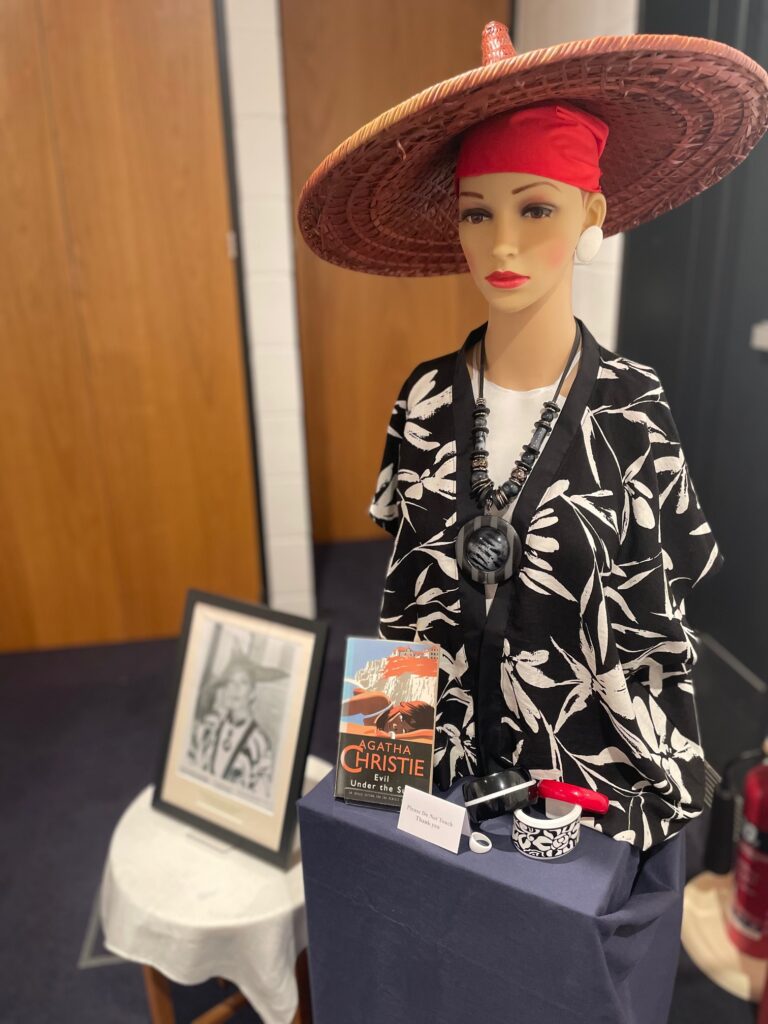
A free exhibition at Royal Berkshire Archives explores the life and legacy of crime writer Agatha Christie, marking 100 years since her infamous disappearance in 1926.
The disappearance of Queen of Crime Agatha Christie 100 years ago is perhaps one of the greatest examples of life imitating art – it could well have formed the plot of one of her celebrated novels.
Murder on the Orient Express, Death on the Nile, Evil Under the Sun, The Body in the Library and more than 60 other titles are crime classics but perhaps the greatest mystery is the disappearance of the author herself.
Christie went missing from her Sunningdale home on December 3rd, 1926, after her husband Archibald requested a divorce to be with his mistress. Christie’s car was found abandoned the following day at Newlands Corner, Guildford, and she was subsequently discovered at a hotel in Harrogate on December 14th. Her disappearance remains unsolved to this day.
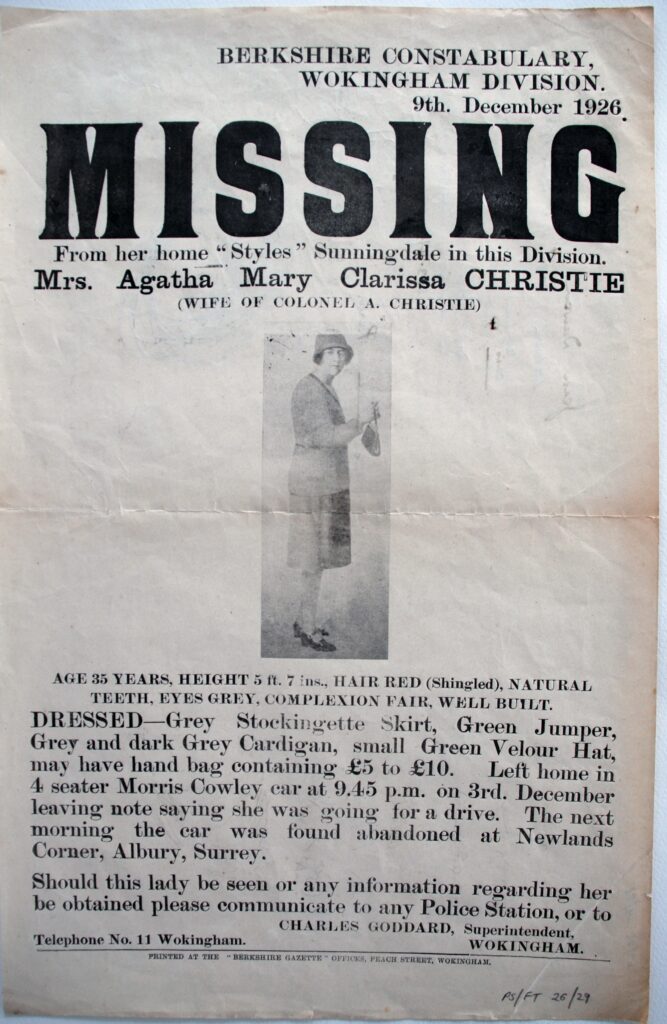
A new free exhibition at Royal Berkshire Archives in Reading reveals more about the Berkshire resident’s life and legacy, showcasing artefacts and memorabilia belonging to Christie collector Gale Goddard, alongside documents from the archives, including the only known surviving copy of the missing persons poster produced by Wokingham police, pictured above.
Archivist Hannah Pomeroy helped curate the exhibition for the RBA and explains more: “Through the integration of items from both collections, we tell the story of Agatha Christie’s life. This includes her time working as a nurse in the First World War, her famous 11-day disappearance from her home in Sunningdale, and time spent overseas on archaeological digs with her second husband, Max Mallowan.
“Her career as a novelist and playwright is also celebrated through displays, books and programmes. We particularly note The Murder of Roger Ackroyd which marked its 100th anniversary of publication earlier this year. Her two most famous characters, Hercule Poirot and Miss Marple, are featured with busts and displays from various adaptations.”
The exhibition is unique for the RBA with most of the material coming from a private collector rather than its own stores. “We were approached by Gale back in 2023 to see if we would be interested in hosting an exhibition about Agatha Christie. We decided to schedule it for late 2026 to coincide with the 100th anniversary of Agatha Christie’s disappearance, an event we hold material about.”
By summer 2024 most of the items featured in the exhibition had been selected and after visits and advice from Gale, the final exhibits were chosen largely by RBA colleagues Ivone and Rosie.
Hannah tells us: “As with all exhibitions, the aim is to tell a cohesive story with display cases based around different themes. Items are selected for their ability to tell this story and their visual appeal, as well as practically fitting in the allotted space. Gale sent us a list of all the relevant Christie items she had, along with photographs of many of the items. This enabled Ivone and Rosie to select items that best fit the criteria. They also identified items from our own collections relating to Christie’s life in Berkshire that complimented Gale’s collection.”
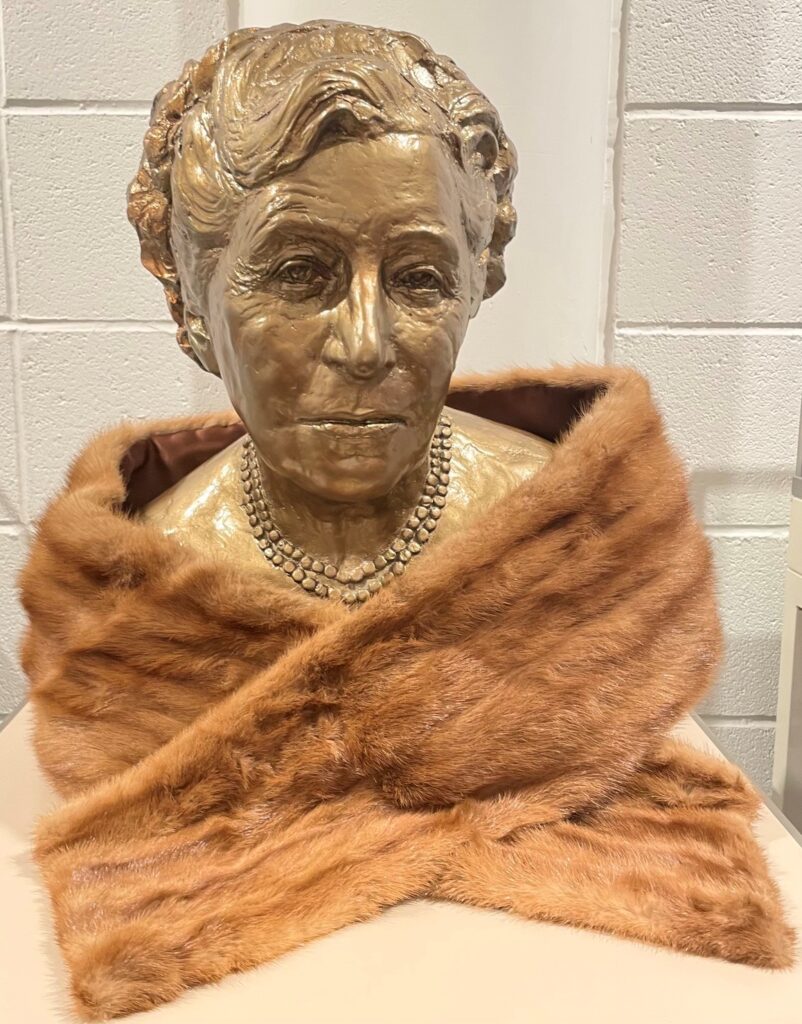
Gale Goddard had always been a fan of murder mystery stories and found both Christie and her works compelling. In 2005 after watching an adaptation of Five Little Pigs she started collecting Christie memorabilia and various adaptations of her works. After first displaying her collection in 2011, she decided to expand it and the collection now includes the only replica of the Torquay bust of Agatha Christie, left; genuine Orient Express dinner setting and porter’s hat and waistcoat, below; and oil paintings of Agatha Christie, David Suchet as Hercule Poirot, and Joan Hickson as Miss Marple – all of which are featured in the exhibition.
This is Gale’s 15th and last exhibition which Hannah says they are delighted to have been chosen to host. “I hope people get to learn a little more about Agatha Christie as a person and the fascinating life she led. The exhibition is really a chance to appreciate the remarkable woman she was and some of her most famous works and characters.”
Why have Christie’s works endured? Many are still staged – The Mousetrap is the West End’s longest running play – filmed and imitated in continuation novels by authors including Sophie Hannah who has written several featuring Hercule Poirot and Lucy Foley’s Murder at the Grand Alpine Hotel solved by Miss Marple.
“I think first and foremost it is because she was such a brilliant writer, she is the best-selling novelist of all time for a reason!” Hannah continues: “She created many of the tropes and plot devices we still see in murder mystery books, TV series, and films today. Her books, in the main, have withstood the test of time and are as good today as when they were published.
“I personally believe one of the main reasons her books are so good is because of the varied life she led. She was born and raised in the late Victorian/Edwardian era, lived through two world wars, and all the advancements of the 1950s and 60s. During that time, she made a formal debut into society, qualified as a pharmacist, travelled the world (sometimes on her own), drove an ambulance, spent time on archaeological digs in the Near East, and much more. These experiences and her knowledge of different aspects of life and types of people allowed her to create characters and stories that feel real and are so beloved today.”
The exhibition runs until December 18th 2026, Tuesdays to Thursdays 9am – 5pm & Fridays, 9am – 4.30pm.
After a career balancing nursing and music, the Woking-based singer is bringing her love of jazz to local audiences, with sold-out performances at Cellar Magnifique and plans for a third album.
Wilma Baan is a musician on a mission – she wants to share her love of jazz with the people of Woking.
Perhaps you were lucky enough to see her alongside her two favourite musicians, Graham Harvey, piano and Jeremy Brown, double bass, last month at Cellar Magnifique, a charming little cheese and wine venue owned by Roland Foxcroft.
She says: “Roland and I are totally aligned when it comes to live jazz. I feel that jazz is not highlighted enough in Woking and applaud Cellar Magnifique for their efforts to serve it on their menu on a regular basis, along with the many other things they do.
“Every time I have performed there it was completely sold out – enough proof that jazz does have an audience here.”
Wilma who has lived in Woking with her family for almost 30 years, grew up with jazz and classical music.
Living in Amsterdam in the 70s and 80s she combined her passion with her work as a nurse – invitations at jazz clubs, radio and performing at the North Sea Jazz Festival in The Hague came at a point where she had to choose which of her loves to follow.
Having returned to the UK and raised a family, Wilma had more time to herself, picked up where she left off and “found the right environment in the London jazz scene to pursue my passion”.
Her first two albums were well received, and plans are now in place for a third.
Find out more and hear Wilma’s glorious voice at wilmabaan.com.
From an independent makers’ Christmas fair and immersive ballet to 1930s festive traditions and a magical manor experience, West Horsley Place is inviting visitors to step into a season of stories, creativity and Christmas celebrations throughout November and December.
West Horsley Place is preparing for a festive season filled with music, storytelling, family activities and seasonal magic, bringing the historic house and its rich artistic heritage to life.
From the legacy of the Crewe family to traditional Christmas customs and a celebration of independent makers, the Grade I listed manor house will host a varied programme of events throughout November and December.
The festivities begin with the Arts and Artisans Christmas Fair, running from 20 to 22 November 2026. Independent makers, craftspeople and food producers will come together across the estate for three days of festive shopping, food and discovery.
Visitors can browse distinctive gifts with a story behind them, meet the people who created them and enjoy seasonal food and treats celebrating creativity and craftsmanship.
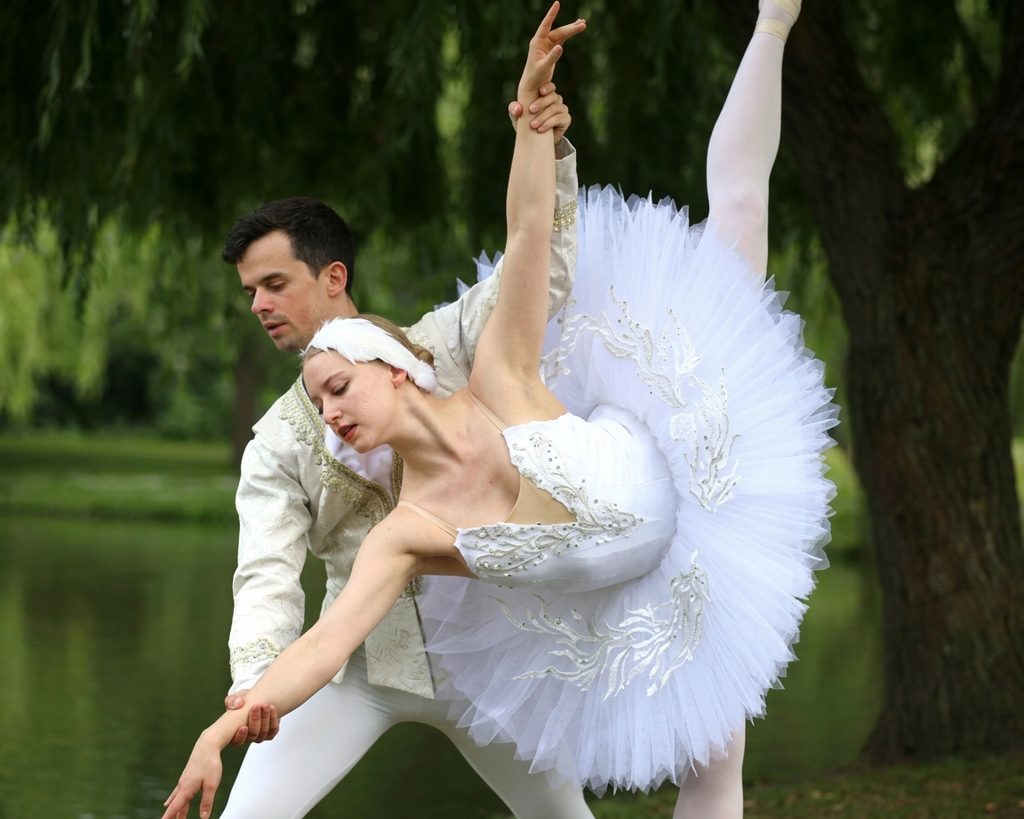
On 28 and 29 November, Crewe’s Christmas will transport visitors back to West Horsley Place in 1939, during the early months of the Second World War. The immersive experience will feature ballet, music, family stories and handmade decorations inspired by Christmases of the period.
At its heart will be a celebration of Lord and Lady Crewe’s role as patrons of the arts, with intimate performances of Swan Lake taking place in the atmospheric surroundings of the Stone Hall.
The weekend will also explore the stories of the 40 evacuee children who spent Christmas 1939 at West Horsley Place. Visitors will have the opportunity to read letters connected with the children and learn more about their experiences.
The historic rooms will be decorated with handmade creations, including newsprint paper chains and embossed-foil ornaments. Families can take part in craft workshops inspired by the creativity and simplicity of Christmases past, while Jane’s Historical Kitchen will offer authentic festive dishes inspired by the food and traditions of the 1930s.
“Crewe’s Christmas offers a wonderful opportunity to experience West Horsley Place through the stories, music and traditions of another generation,” says Clare Clinton, deputy director of West Horsley Place.
“Alongside the real stories of the children who stayed here in 1939, visitors can discover the Crewes’ love of the arts, enjoy immersive ballet in the historic house and take inspiration from the handmade decorations, food and simple pleasures of Christmases past.”
In December, Magical Manor will capture the enchantment of a traditional country-house Christmas, with storytelling, gingerbread making, festive surprises and a visit to Father Christmas.
The festive programme continues throughout the winter, with activities and hands-on workshops offering opportunities for visitors to get creative, learn something new and enjoy the historic house in a relaxed seasonal setting.
Clare added: “From the stories, music and immersive ballet of Crewe’s Christmas to Father Christmas, family activities, crafts and independent makers, Christmas at West Horsley Place brings together different generations of festive traditions throughout November and December.”
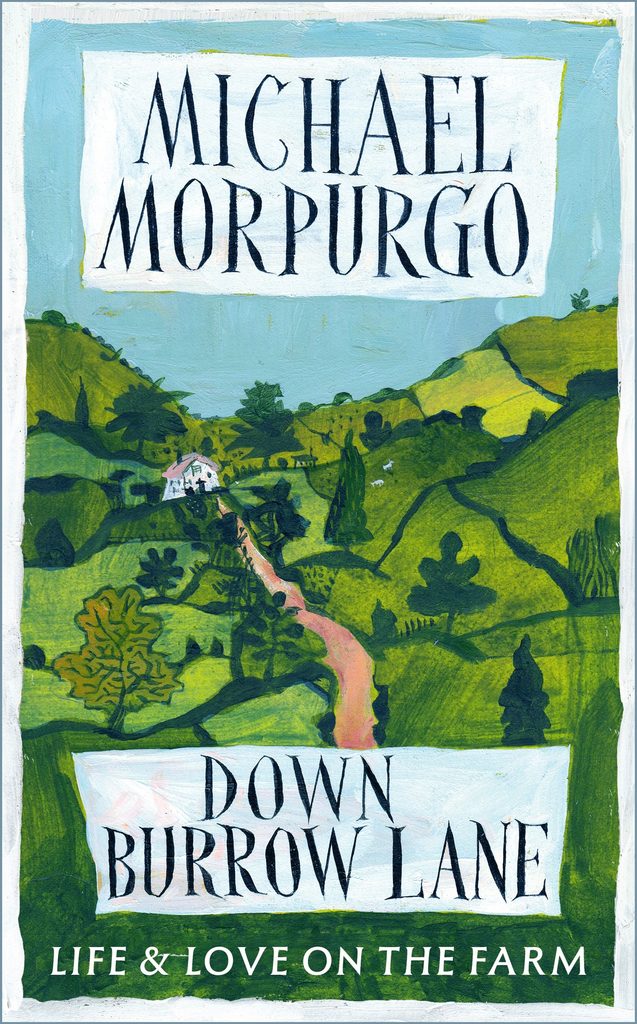
Inspired by Michael and Clare Morpurgo’s remarkable story, Down Burrow Lane is a tale to capture the imagination. And we’ve got five copies up for grabs!
Celebrating 50 years of Farms for City Children, the charity he founded with his wife Clare in 1976, the much-loved author is back with Down Burrow Lane – a new book inspired by his lifelong connection with the countryside, animals and the power of storytelling.
Over the past five decades, Farms for City Children has given more than 105,000 children the chance to swap city life for the great outdoors, getting their hands dirty, caring for animals and discovering the wonders of the natural world.
For Michael, these experiences are about so much more than farm work. They help children build confidence, develop empathy and discover the importance of caring for the world around them. It’s a belief that runs through his writing, too, from the unforgettable War Horse to his latest story.
A passionate advocate for honest storytelling, Michael believes books can help young readers explore big feelings, understand the world and find hope, even when life presents difficult questions. And with animals often at the heart of his tales, he celebrates the special bonds that can help children see the world differently.
Now, we’re giving five lucky readers the chance to discover Down Burrow Lane for themselves, with five copies up for grabs!
How to enter
To enter our prize draw, fill in the form below before 12pm on Friday 27 November 2026.
Step into a world of five-star glamour with a dreamy afternoon tea at The Kensington, plus the chance to win an overnight stay for two.
Is this now?! Or am I dreaming?! One minute I’m pounding the pavements; the next I’m sitting in a gorgeous Kensington drawing room, sipping Pimm’s Royale.
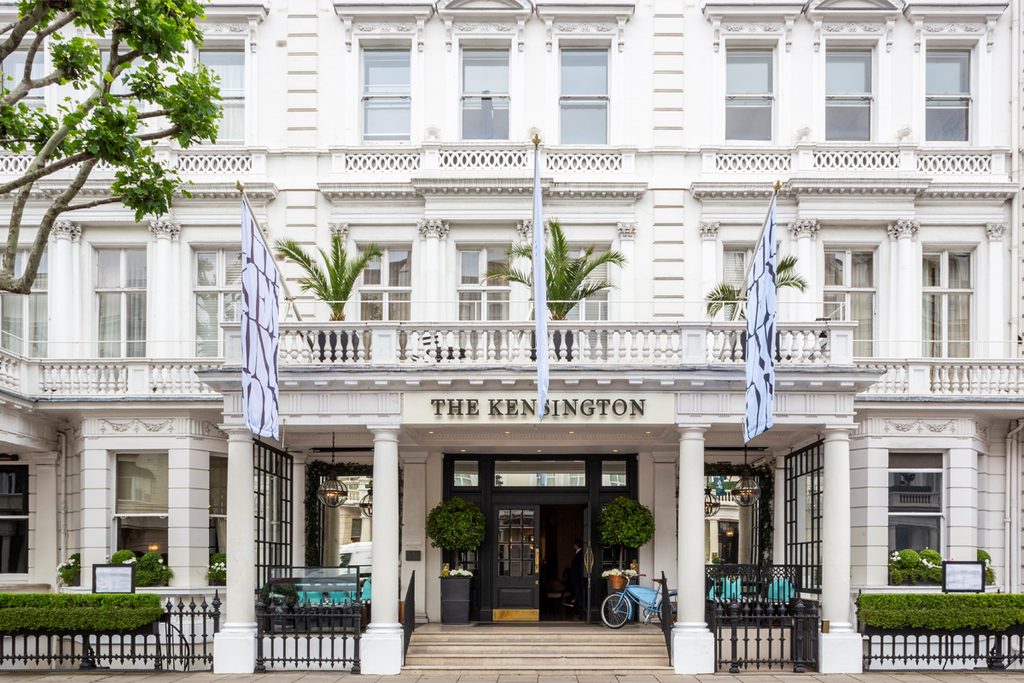
The Kensington is one of those places that makes you feel as though you’ve accidentally wandered into a Wes Anderson film.
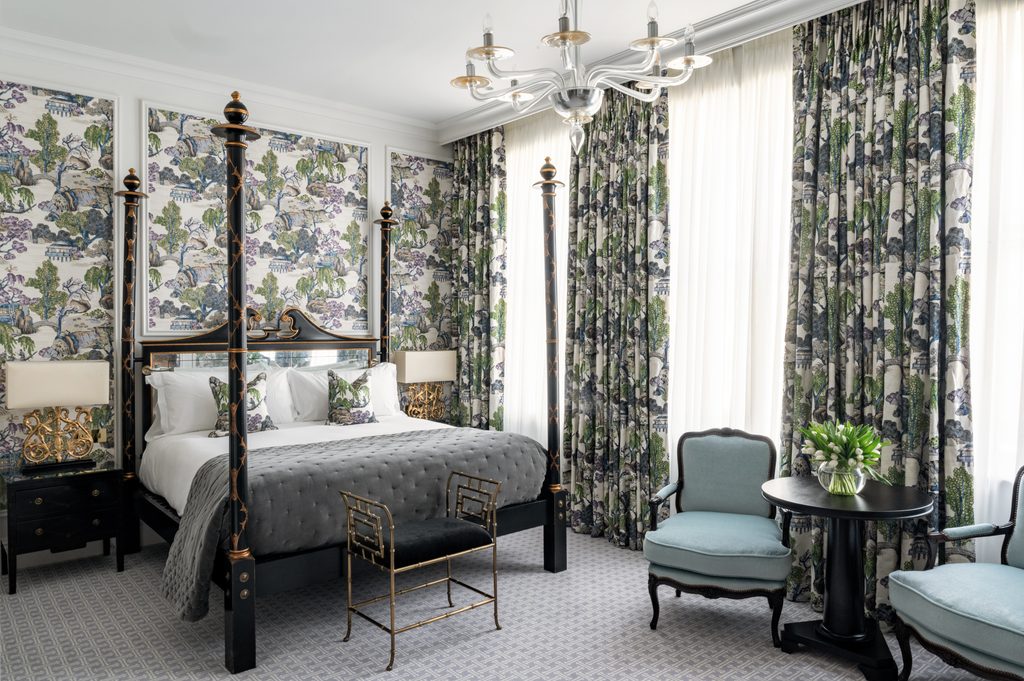
Set among the grand Victorian townhouses of Queen’s Gate, this five-star hotel is gloriously maximalist, with beautiful fabrics, flowers, rich colours and layers upon layers of gorgeous detail. Think elegant drawing rooms, sparkling bar glamour and cosy fireside spaces that make you want to settle in and stay a while.
For someone born in grimy south London, mere miles away but a different world, I’ll admit to a little imposter syndrome. I kept half expecting someone to ask whether I was looking for the Premier Inn.
Instead, we were tucking into The Kensington’s Great British Afternoon Tea, which begins with a choice of Pimm’s Royale or a flute of Nyetimber English sparkling wine. The savoury selection celebrates British produce, from Chapel & Swan smoked salmon with chive cream cheese to roast Wiltshire ham with English mustard mayonnaise, cucumber with mint crème fraîche and St Ewe egg mayonnaise with watercress.
Next warm, freshly baked raisin and plain scones with Cornish clotted cream and homemade strawberry jam, followed by a gorgeous selection of handmade sweet treats: raspberry and elderflower tart, chocolate éclair with caramel cream, rose and pistachio Battenberg and Eton Mess pavlova.
The experience celebrates British provenance and seasonal ingredients without feeling stuffy or old-fashioned. Service (shout-out to the impeccable Collin!) was warm, attentive and wonderfully friendly, and there’s even a dainty pastel-blue box for any leftovers. Greedy gannet as I am, ours was not required.
The location makes a visit even more tempting. We spent hours exploring the V&A and strolling through Kensington Gardens, along the Serpentine and past the Diana Memorial Fountain.
With the Natural History Museum and Science Museum also moments away, it’s the perfect recipe for a special London day. My partner, who is not a Londoner, said he felt like we were on Made In Chelsea.
He had a point, although our post-tea jaunt was briefly less whimsical when we nearly got run over by a convertible Bentley. We simply admired the gorgeous car.
At £85 per person, afternoon tea at The Kensington is certainly an indulgence, but it’s one that can turn an ordinary Sunday into something rather magical.
Win a five-star London escape
Fancy a little sparkle of your own? One lucky Round & About reader can win an overnight stay for two at The Kensington, including breakfast and a festive or Champagne Afternoon Tea for two.
The hotel’s festive tea is a tempting way to celebrate the season. If a December visit can’t be arranged to suit both the winner and the hotel, the afternoon tea can instead be enjoyed in January, subject to availability.
The overnight stay and prize dates must be arranged with the hotel and are subject to availability and occupancy.
To find out more or book an afternoon tea or stay, visit The Kensington.
How to enter
To enter our prize draw, fill in the form below before 12pm on Friday 27 November 2026.
Copper, fire and a family secret: win a unique piece of wearable art from The Copperologist.
Forget ordinary jewellery. Oxfordshire’s newly launched The Copperologist transforms genuine copper into extraordinary miniature works of art, using flame and verdigris to create beautiful, individual pendants preserved beneath a glass dome.
Now, one lucky Round & About reader can win a bespoke pendant worth £165, complete with an 18-inch stainless steel chain and complimentary tracked, signed and insured UK delivery.
Every pendant has its own character, with colours and patterns shaped by the creative process. Encased beneath glass and mounted on a hypoallergenic stainless steel base, each piece is designed to protect the copper from tarnishing, keeping its fascinating surface on show without the need for polishing.
The prize arrives in a dark wooden slide-drawer presentation box, complete with a handmade provenance card, making it a special gift or a treat to treasure yourself.
But there’s a remarkable story behind the brand, too. The artist behind The Copperologist discovered just before her first exhibition that she is a fourth-generation copper maker, with family roots in a Welsh town once nicknamed Copperopolis. She had known nothing about this unexpected heritage, despite her own growing fascination with the metal.
Now she’s bringing her distinctive copper creations to the world, and we’re delighted to offer one reader the chance to own a piece.
Ready to add a little copper curiosity to your jewellery box? Enter our competition for your chance to win!