Facebook
 Instagram
 Twitter
 Linkedin
Hanna Pulidori explores the bustling life of Pompeii people, frozen in time, thanks to the latest exhibition at The Ashmolean
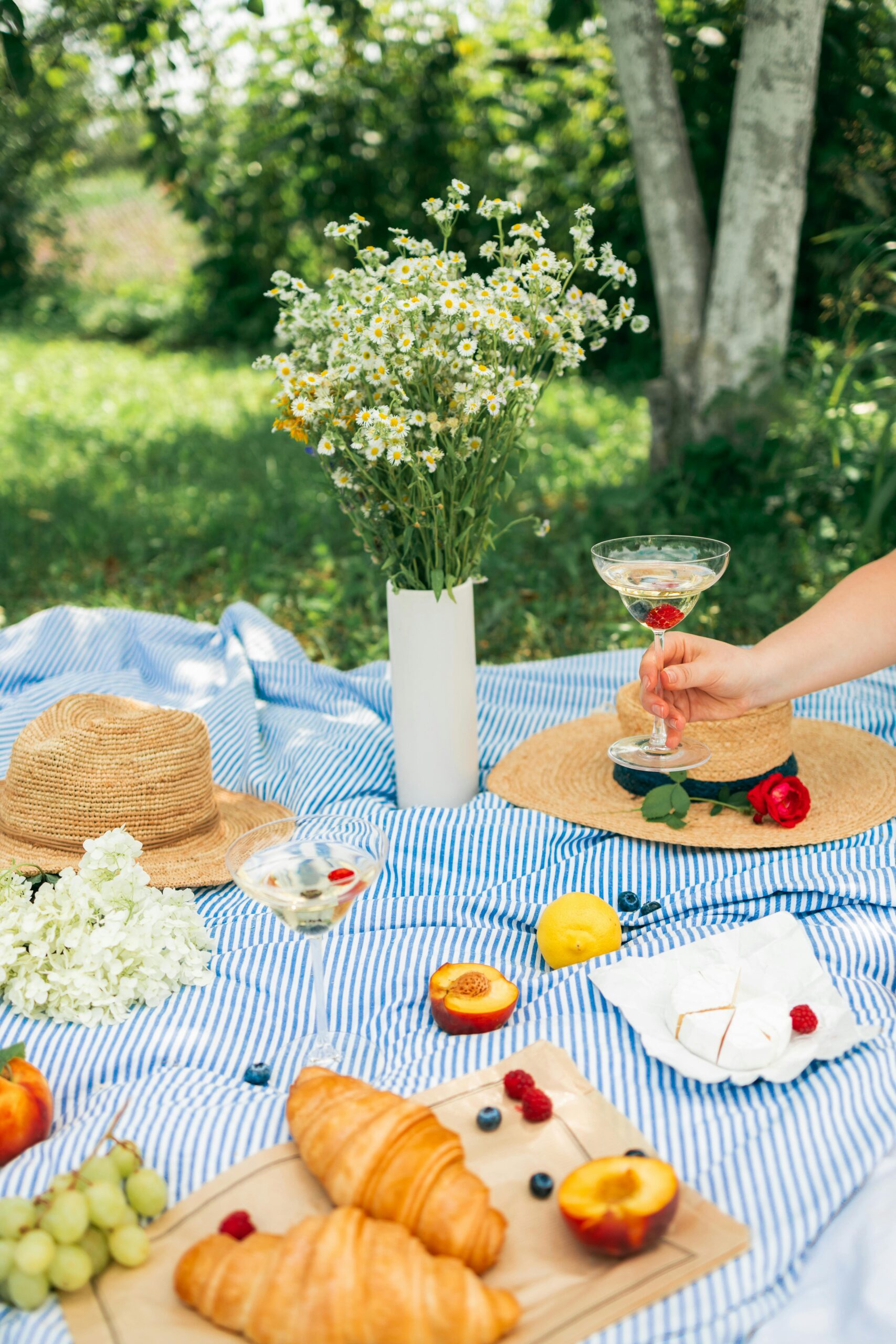
Picture this – it’s late summer in the bay of Naples, the city is just waking up. On one side of the mosaic-lined streets are acres of orchards, on the other, the sun-dappled ocean shines. The smell of salt lingers as you settle down to dinner. How does a salad of cheese, fig and balsamic vinegar sound? Focaccia with prosciutto and poached eggs are on the menu, with great wine.
Some residents of Pompeii, AD 79, were living this timeless fantasy the day disaster struck. Last Supper In Pompeii is a humanising account of the society that once thrived in this mysterious city, explored through the culinary artefacts excavated in the south Italian culinary haven. Like us, the Romans partook in savoury escapism, evidence of which has been found in excavations of the town and neighbouring Herculaneum.
Among the items on display at the Ashmolean are utensils, arts, and edible goods that furnish our foodie fantasies, painting a picture of daily life before the eruption of Vesuvius. Thousand-year-old pomegranates and fossilised olives indicate that the sought-after Mediterranean diet has been in vogue far longer than dieticians would have you believe. The ancients did not, however, believe in calorie-counting as we do today. Presented from the homes of wealthy Pompeiians are frescos of mouth-watering afterlives saturated with great feasts and banquets. The exhibition makes it clear how interwoven the celebration of food was with ancient life and death. There are plenty of Etruscan tomb offerings to peruse; terracotta relics moulded in the form of treats and fancies the Lares (household gods) enjoyed most.
Explored also are the less-than-luxurious quarters, showing the complex organisation of the historical food chain. Housemasters took their meals in triclinia, expensive dining rooms influenced by Greek splendour, and rarely visited the kitchens their slaves occupied; these were small, often with latrines in the middle. Although both spaces existed in the same homes, they were worlds apart from each other. This exhibition provides the opportunity to witness an archaic life that bears a striking resemblance to the modern world. Dr Paul Roberts, Head of the Department of Antiquities, says: “Our fascination with the doomed people of Pompeii and their everyday lives has never waned. What better connection can we make with them as ordinary people than through their food and drink?”

Share