Facebook
 Instagram
 Twitter
 Linkedin
Artist Helen Grimbleby’s latest instalment of her Nature Sketchbook looks at the importance of the humble weed
We are a nation of gardeners from tiny pots to larger expanses of land. When better to enjoy our garden spaces than in the summer?
What is gardening if not a collaboration with nature? For we can plan, dig, plant, weed, maintain outdoor spaces but it is nothing without the magic of nature turning water and sunshine into something else, something marvellous.
In our gardens, we have our ideas and nature has her own, bringing weeds into spaces where we don’t want them, interfering with our design and purpose.
Such differences of opinion exist in many open spaces where human life exists adjacent to nature such as in agriculture, hedgerows and roadside verges.
Collectively, we have a choice about how we interact with nature in all of these spaces. We have never had better access to information about nature to inform this choice and so let’s consider the possible advantages of the humble weed.
Bramble flowers attract butterflies and promise blackberries later, an important food source for birds.
Common knapweed is in flower in July. It is a thistle like plant which grows abundantly in our area. According to the University of Bristol it is one of the most important wildflowers for pollinating insects. I have seen it covered in bees and butterflies. It produces copious amounts of nectar.
Butterflies are not just pretty. According to the Butterfly Conservation charity, the presence of butterflies in an area indicates good health in an ecosystem. Where butterflies are present, there will be a wide range of other invertebrates. Invertebrates comprise over two-thirds of all species and provide a wide range of environmental benefits such as natural pest control.
Clover is found in grassy areas. Red and white clover are common and provide easy sources of nectar for bees. Butterflies are attracted to clover too and wood mice eat the leaves.
Overgrown weeds can be unsightly, unwanted and even dangerous say at road junctions. But our relationship with weeds is more complicated than. Its good to consider it from time to time and from place to place.
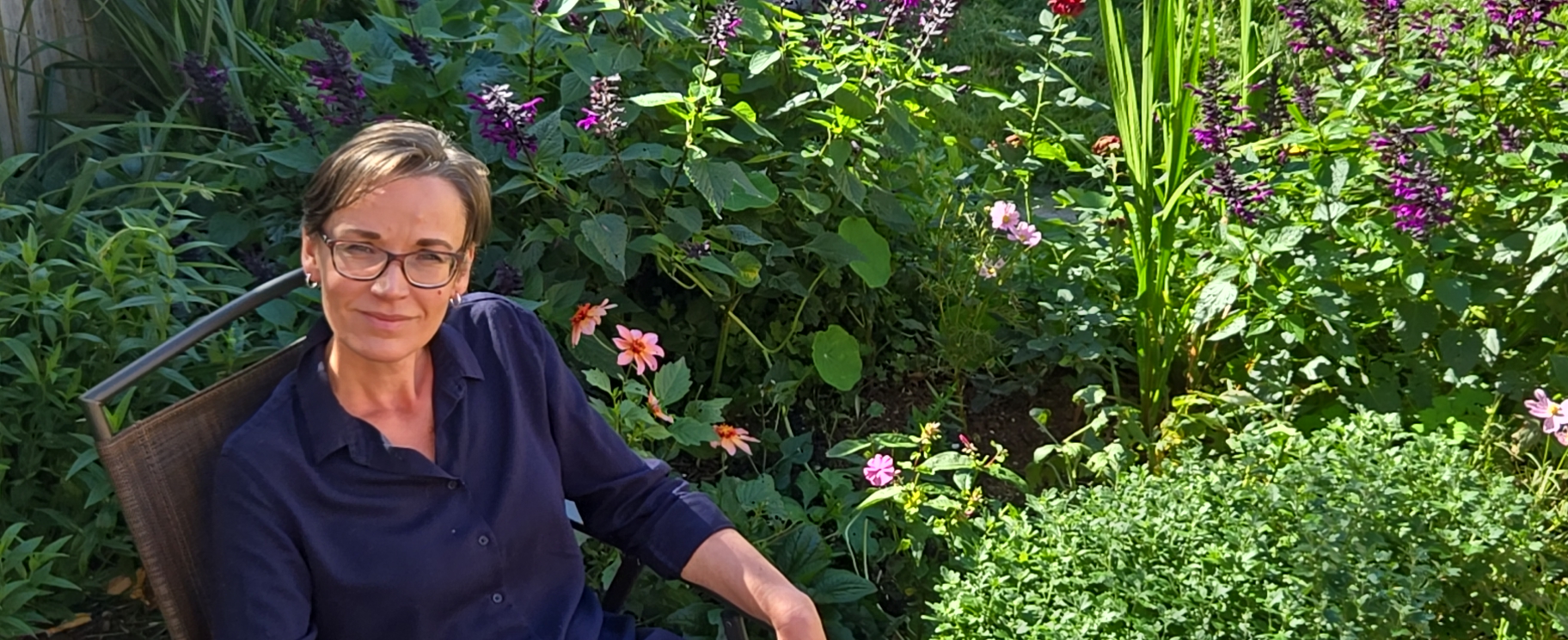
Helen Grimbleby is a West Berks/North Hants based artist who is inspired by the natural world’s changing seasons. After exploring outside, she enjoys writing, illustrating and painting larger landscapes at her home studio (@helengrimblebyart).
Share