Facebook
 Instagram
 Twitter
 Linkedin
R&A’s resident wine columnist, Giles Luckett, chooses the red wines he’ll be sipping this autumn
Hello. I’m writing this in early September, and as I look out, I can see leaves on the ground and feel the first hints of autumn’s chill. Autumn’s for wine lovers, given the crop of new season foods, so here are the autumnal reds I’ll be turning to this year.
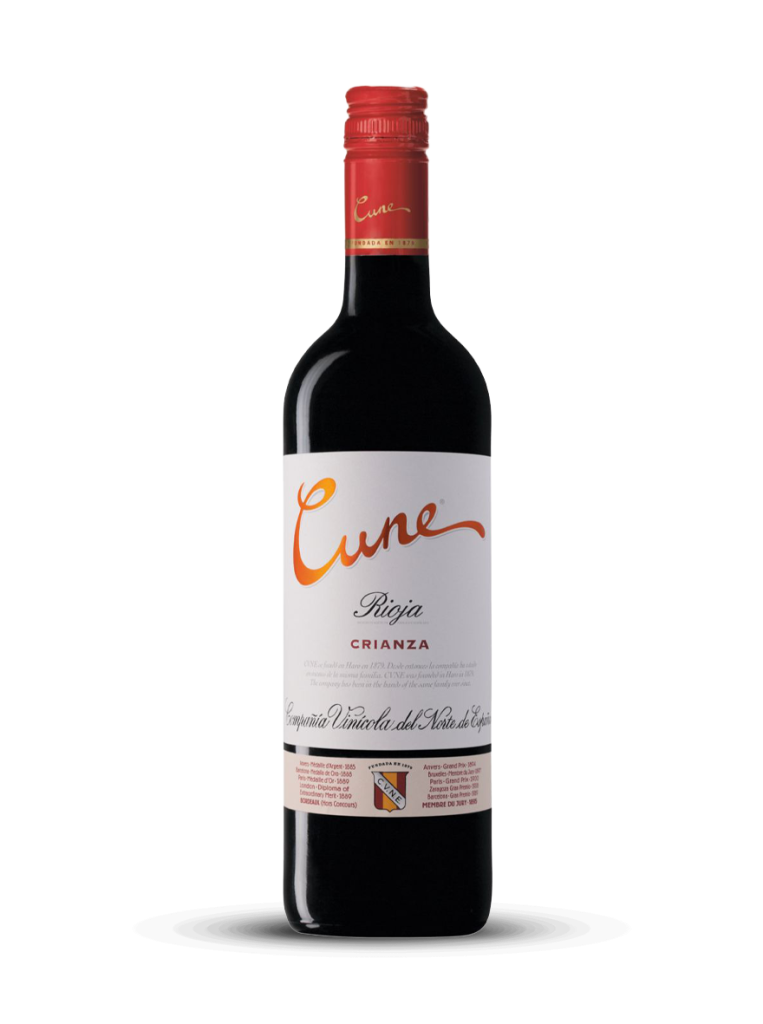
First up, the Cune Rioja Crianza (Majestic £10.50 on a mixed six). This ever-reliable wine has been on a run of form recently, thanks to some fantastic vintages and is a must-try for Rioja lovers. Fruit-driven and with bags of character, its bouquet of summer pudding with cream sets the tone for an easy-to-love wine that’s versatile and food-friendly. Its cherry, strawberry, and blackberry fruit is given subtle support by oak, and the lively, cranberry and anise finish will bring out the best in everything from tomato pasta to a steak and ale pie.
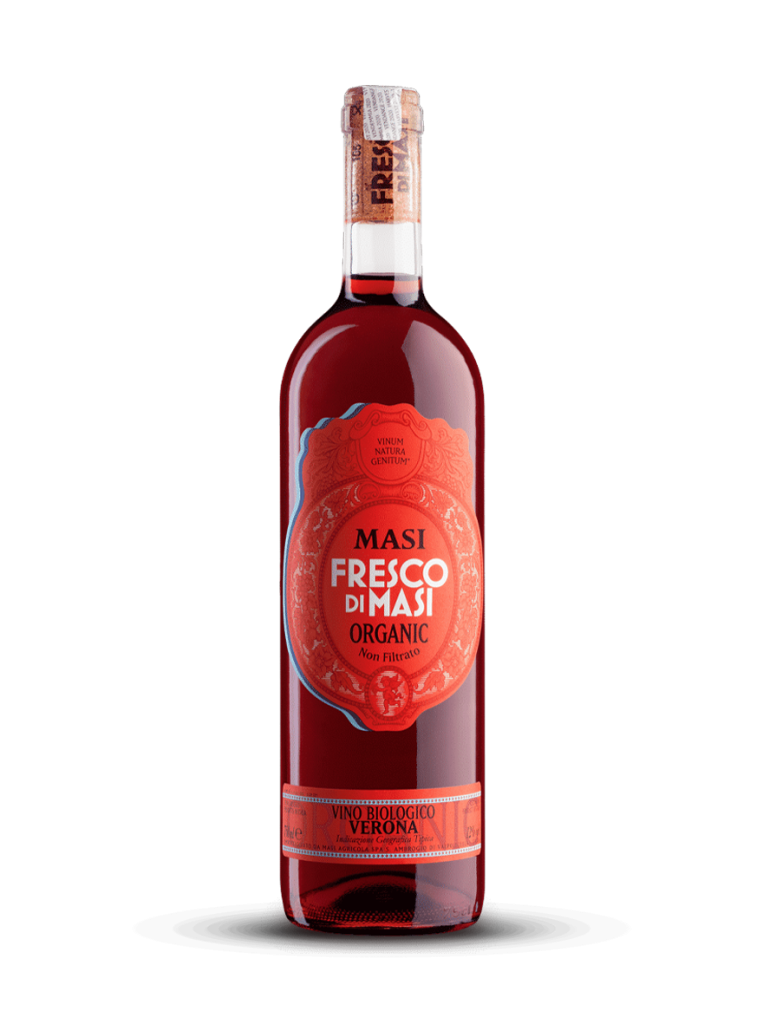
Masi is one of the great names of Italian wine; their mighty Masi Costasera Amarone Classico (Waitrose £38.50) is magnificent and capable of complementing even the heartiest of winter fare. For something lighter and brighter, try the Fresco di Masi Rosso (Goldenacre Wines £13.99). Made organically and with a skilful lightness of touch, the plentiful red cherry, pomegranate, and redcurrant flavours could easily be simplistic and thin. The intensity with which they are delivered, and the underlying floral essences, instead make for a stylish wine that’s capable of pairing with everything from red meats to savoury vegetarian fare – we had it with falafels, and it was excellent.
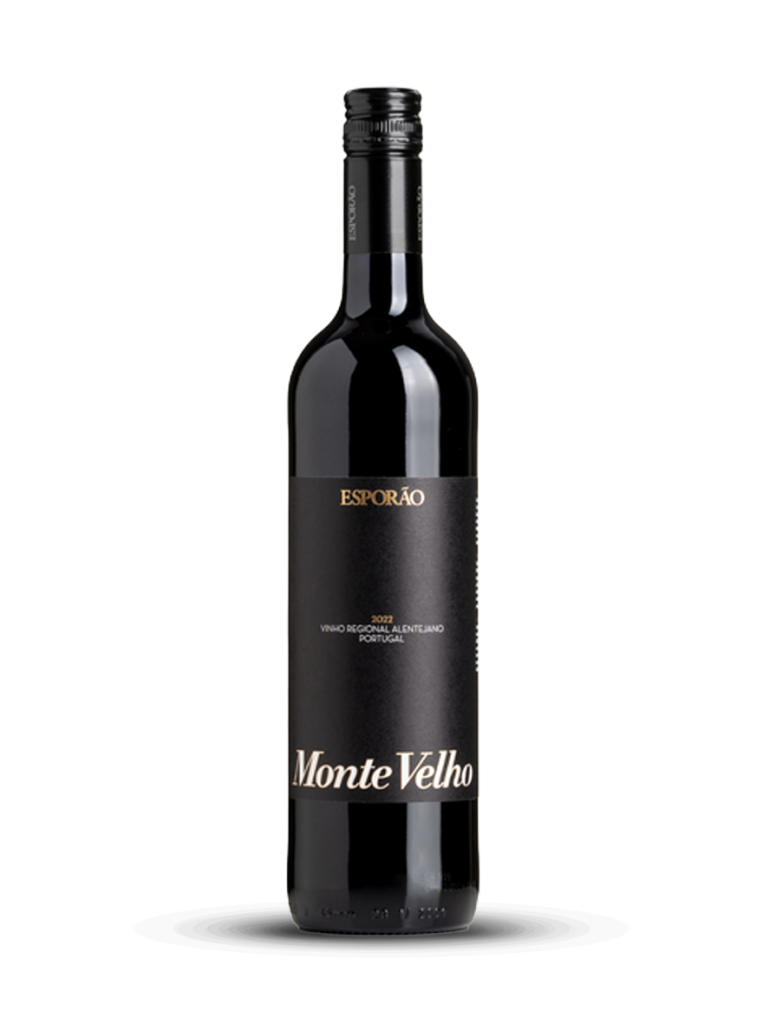
When it comes to great wines that offer great value for money, few nations can compete with Portugal. The trade’s been singing their praises for decades, and its throng of converts has seen it go from cult to mainstream following. A delicious example of a modern Portuguese red is the Esporao Monte Velho Red (Noble Green £10.50). Supple and smooth, sum this wine up. It’s easy-going charm comes from its softness and the abundance of wild berries, strawberry, and cranberry fruit, all of which are tinted with herbs and mint. The absence of oak allows the fruit to shine, making for a wine that’s as good on its own as it is with red or white meats, mellow, creamy cheeses, or mid-week pizza.
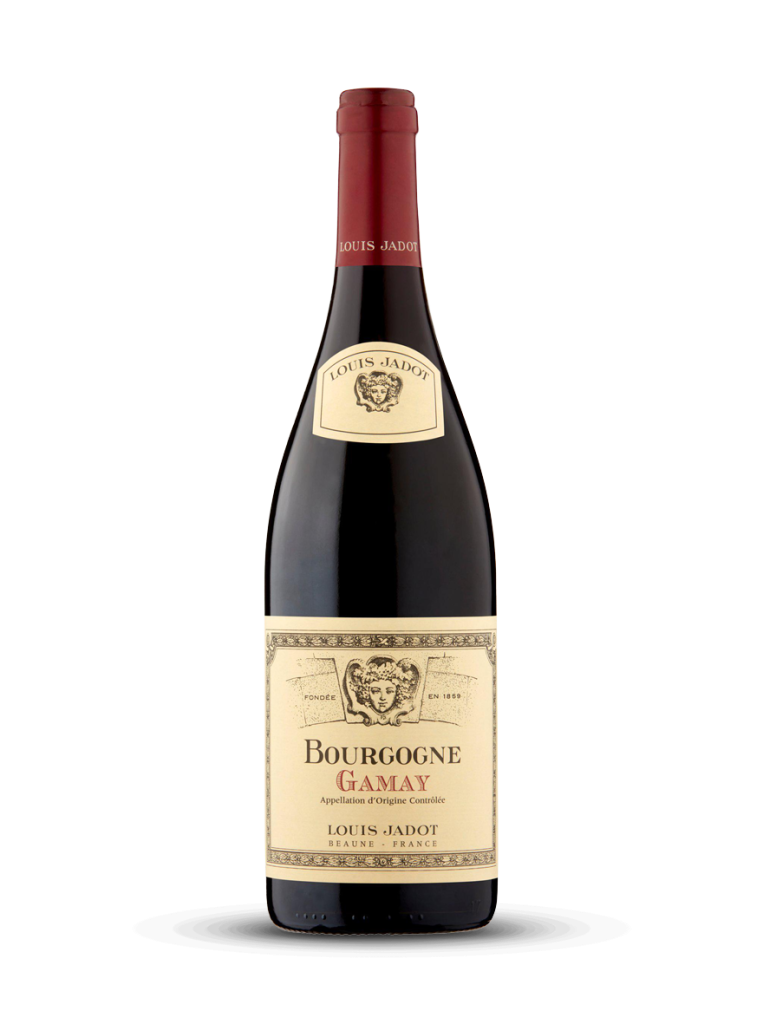
Burgundy is another fantastic autumnal choice, and while prices remain high, something the tiny 2024 vintage is not going to help, know where to look, and brilliance on a budget can be found. Take the Jadot Bourgogne Gamay (Sainsbury’s £16.50), a wine I noted as ‘pure purple pleasure’. Gamay is sometimes seen as Pinot Noir’s poor relation, but this is unfair. On sandy, limestone soils, it’s capable of producing wines of power, generosity, and complexity. This medium-bodied wine is packed with black cherry, plum, and strawberry fruit, and within its silky body are highlights of black pepper, almonds, sour cherries and woody spices. Just the thing for pot-roasted pheasant.
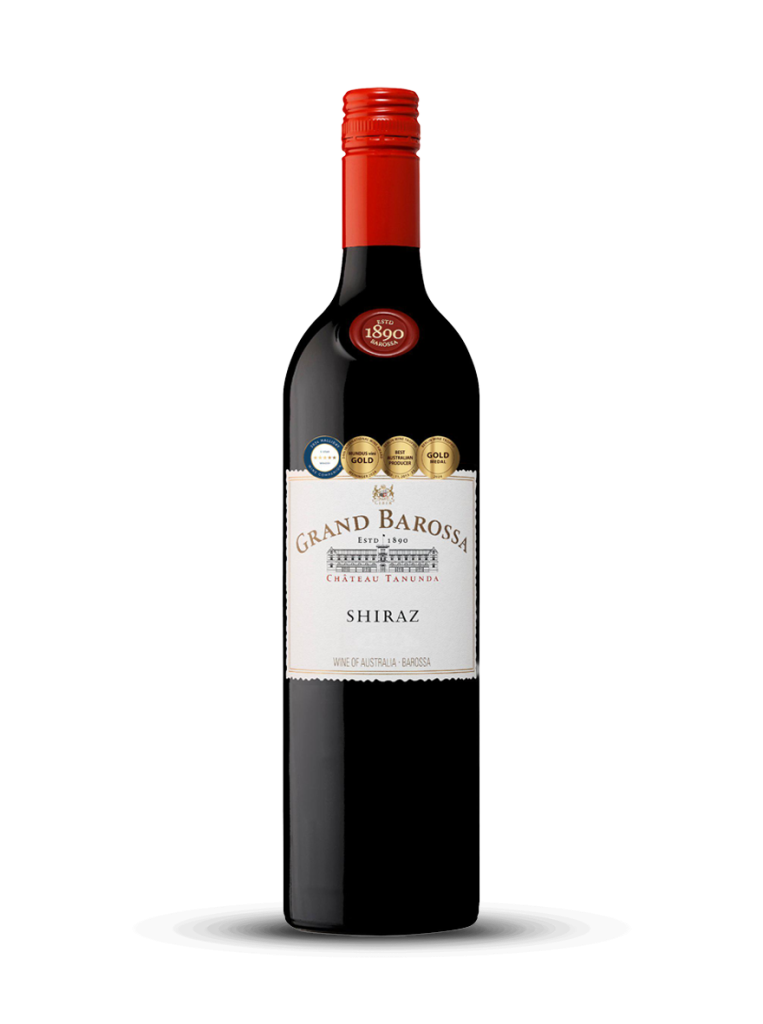
Next, a wine high point from a land down under with the Chateau Tanunda Grand Barossa 2022 (Sainsbury’s £14). For me, this is the perfect autumn wine. Like the season, it offers mellow satisfaction with bright highlights of berry fruits. Deep red, the nose is all of red and black berries, with an earthy, mushroom, and iodine tone. Quite full, but no blockbuster, it’s juicy, pepper-tinted cassis and raspberry fruit give it freshness, while the spicy oak and dusty tannins give it depth. Pair this with a well-cooked steak or perhaps a lasagne or some other tomato-rich pasta dish.
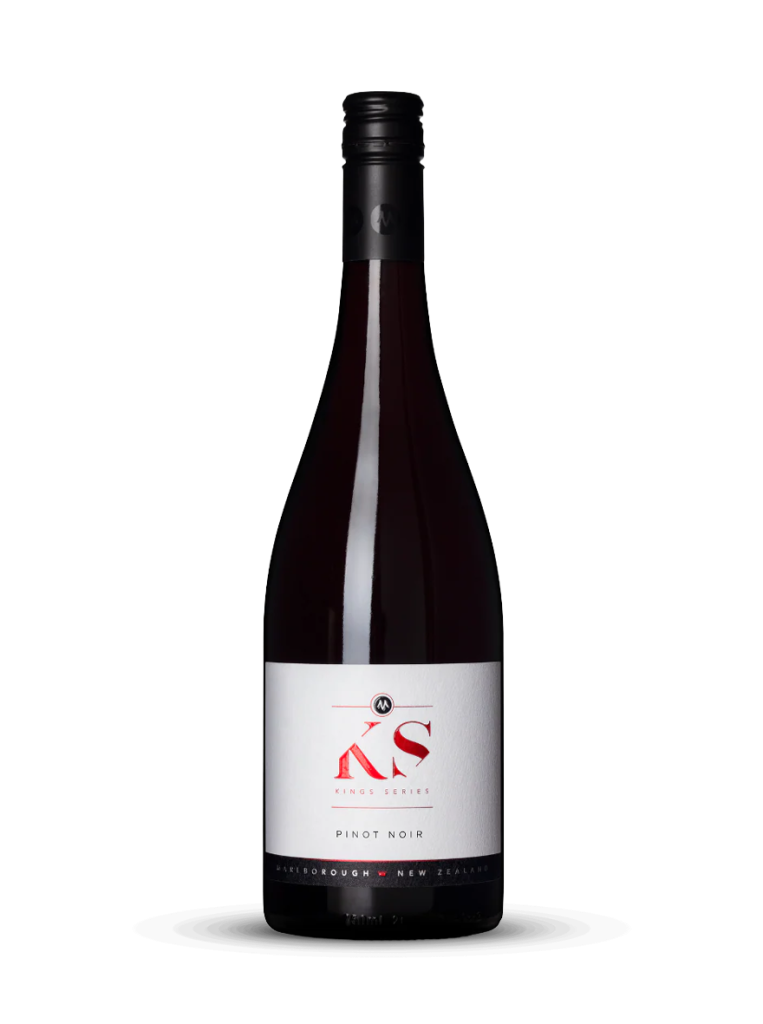
Nipping over the Tasman Sea to New Zealand, we find a cool climate Pinot Noir hot spot. Pinot is often referred to as being fickle, though I’ve heard many a winemaker describe it using a different f-word. It seems to like New Zealand, though, and produces great wines at all levels. I recently had another encounter with the King’s Series Pinot Noir (Majestic £14/£12 on a mixed six). This is a showcase for New World Pinot, one that shows its capacity to be fruit-driven and racy, while being complex and satisfying. An opening salvo of raspberries, redcurrants, and brambles is followed by darker tones of black cherry and coffee, with chalky minerals, cream and strawberries toward the end. Fresh enough to serve with fish such as trout or salmon, it was a knockout with shepherd’s pie.
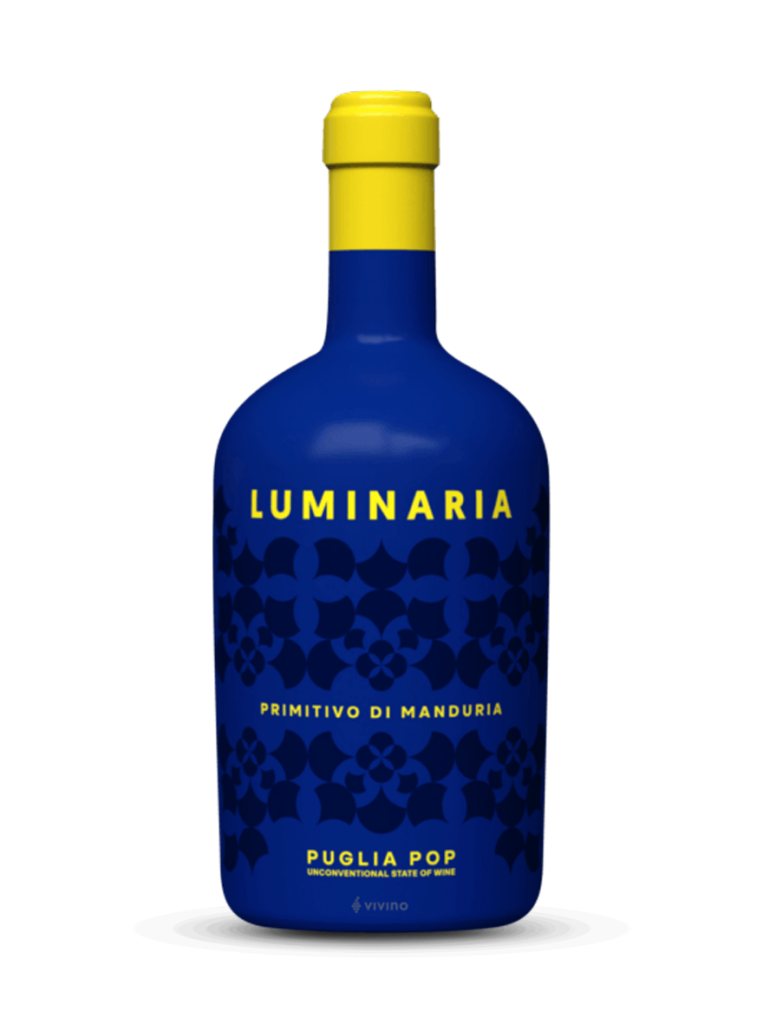
In my recent white wine article, I recommended the Puglia Pop Verdeca (Perfect Cellar £19.96). Inspired by it, I took a look at their reds, the Luminaria (Perfect Cellar £26.96) and the Fico (Perfect Cellar £26.96). The Luminaria is made from Primitivo, a grape I have a love-hate relationship with, by which I mean I love hating it. Almost all the Primitivo’s I’ve tasted have been over-extracted, sickly, smell like a lump of putty and have been about as welcome in my glass. The Luminara is devoid of all of this. The bouquet is rich and heady, boasting prunes, black cherries, cough drops, plum jam, bitter chocolate and herbs, with tangy loganberries imparting freshness to the finish.
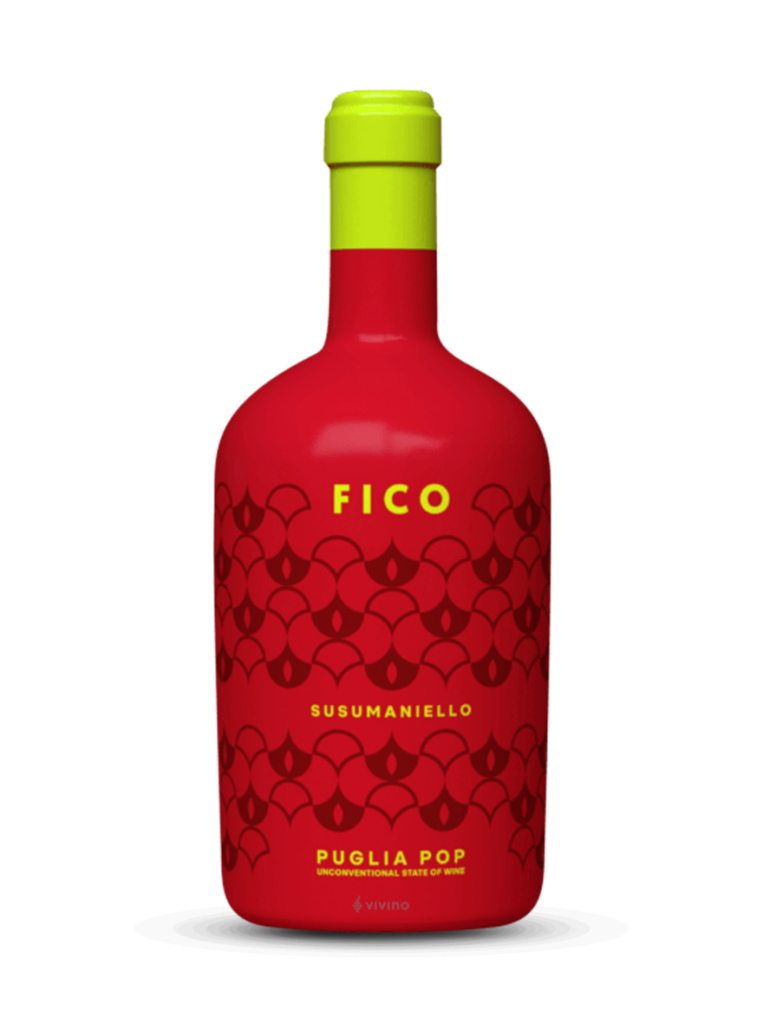
The Fico is somewhat lighter and fresher. Cherry red, its bouquet is suffused with red cherries, almonds, and roses. In the mouth, it’s gentle, soft, and rounded. Cherries dominate, but complexity is added by black berries, blue berries with a cherry conserve sweetness that’s nicely balanced by red berry acidity and soft tannins. This is a cheery, easy-to-love wine that tastes as good as it looks and is a super solo artist.
Cabernet Sauvignon is often referred to as the king of grapes, and like royalty it can be haughty and severe. Equally, it can be generous, gracious, and a giver of joy, and that’s exactly what you get with the Journey’s End Sir Lowry (Waitrose £15). Packed with plums, this dark, smoky wine comes loaded with spiced black fruits, touches of mint chocolate and crisp, dry finish. Just the thing for a well-cooked steak or a cottage pie, it’s got the power and intensity to pair with a wide range of savoury dishes.
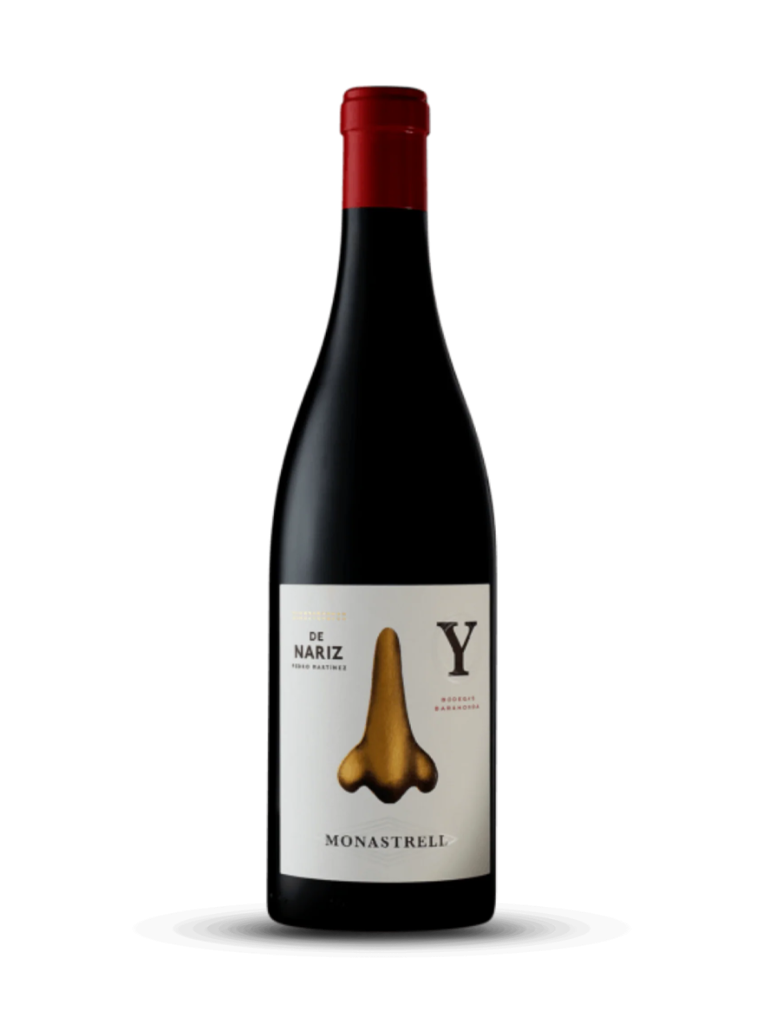
Spain is a great source of compelling red wines, and the de Nariz De Nariz Monastrell (Perfect Cellar £29.95) shows they nose what they are doing. Sorry, that was funny at the tasting. Made from local speciality Monastrell, this is a big, exuberant wine with bags of character. Inky blackened red, aromas of dark berries, spices, earth and black treacle soar from the glass. On the palate, it’s rich and full-bodied, the ample prune, damson, bramble and fig fruit are bounded by smooth tannins and a touch of peppery complexity. Low in acidity, it has a luxurious feel that makes it suitable for pairing with a cheese board, meatballs, or charcuterie.
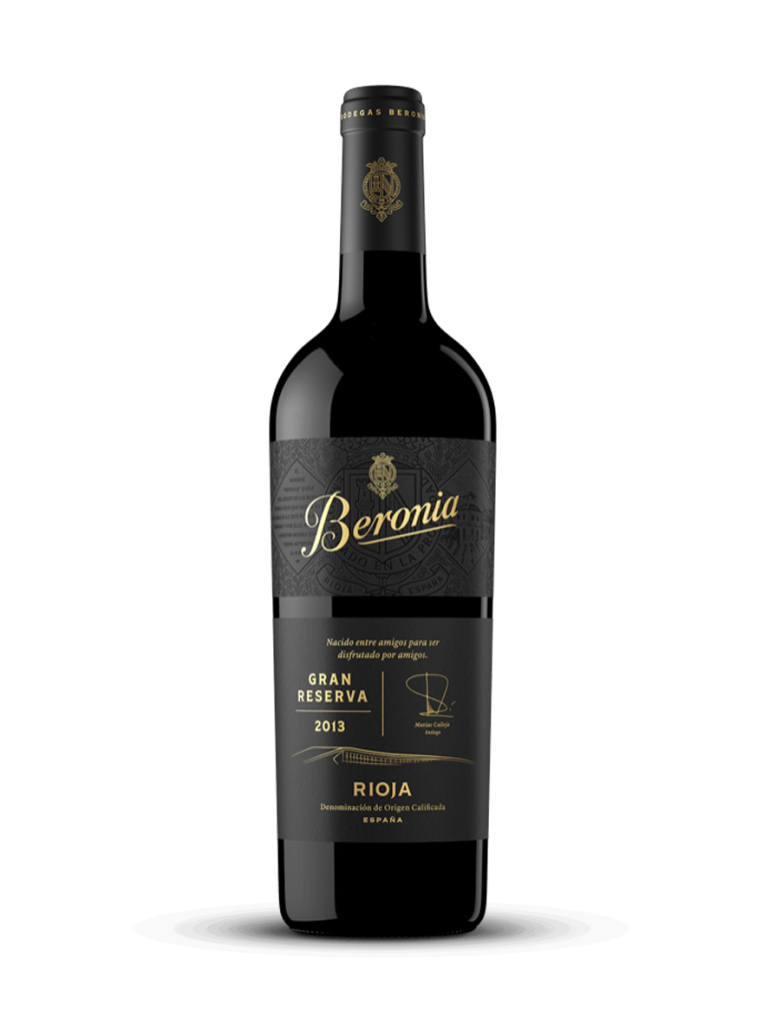
I’ll stay in Spain for my last wine, the Beronia Gran Reserva (11) (Majestic £25, £23 on a mixed 6). Gran Reserva Rioja is only made in great years, and when made by a quality-obsessed producer such as Beronia, they can be extraordinary. The nose encapsulates autumn. Red and black berries, wood smoke, and a touch of vegetal decay make for an alluring mix. In the mouth, it’s soft, yielding and yet well-structured. The black and red berries are swathed in creamy oak but retain sufficient intensity and freshness to hold their own. Toward the finish, herbs, spices, and orange zest come through, attended by polished tannins and a long, nuanced finish that combines zest and depth. Open and let it breathe for a couple of hours, and serve with game bird, coq au vin, or chorizo pasta.
Next time out, I’ll be getting fortified.
Cheers!
Giles
Share