Facebook
 Instagram
 Twitter
 Linkedin
Surrey Wildlife Trust and RHS call on gardeners to give the mower a rest and bring their lawns to life for nature
Surrey Wildlife Trust and the Royal Horticultural Society (RHS) are calling on gardeners to ditch the ‘golf course’ look and reimagine their lawns this spring and summer.
The ‘Bring your lawn to life‘ initiative encourages people to cut their grass less regularly and embrace daisies, dandelions, clovers and other naturally flowering plants. Leaving more space for native vegetation means the pollinating insects we all depend on, as well as a huge range of other wildlife from frogs to finches, has a much better chance of survival.
Lawns left to grow long help mitigate flooding by soaking up more rainwater, counter the ‘heat island’ effect in urban areas, and capture pollutants. They are also better at resisting browning during dry spells owing to their longer roots.
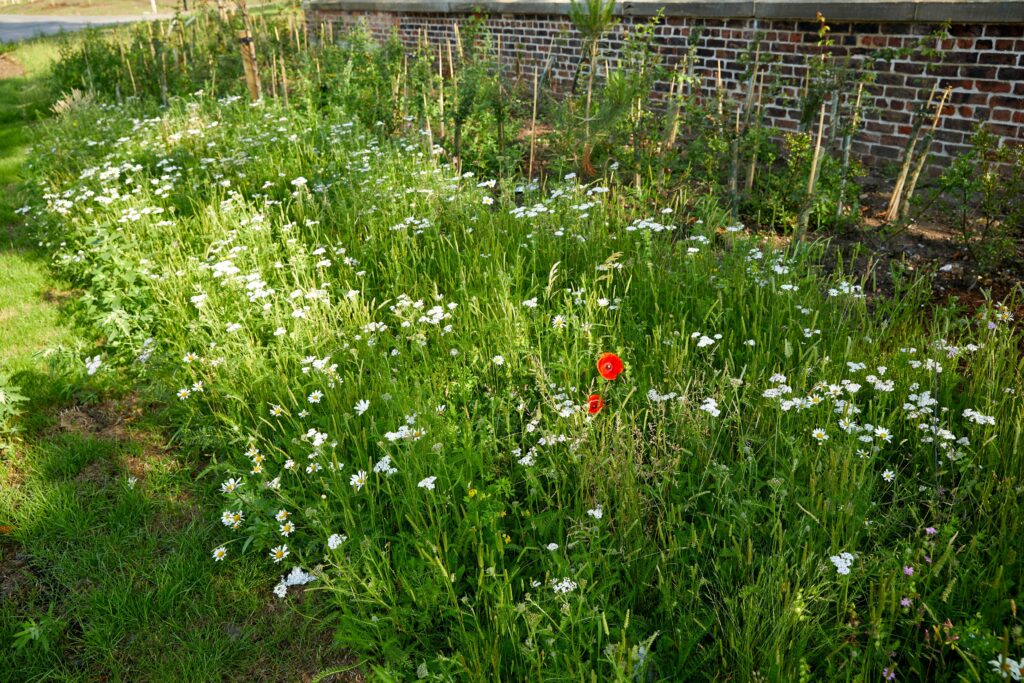
Their benefits continue into the height of summer, providing all-important habitat for a whole host of insects including ants, bees, beetles and butterflies.
The charities have set out five ways to love your lawn this year:
• Reduce the frequency of mowing to once every three to four weeks to allow flowers such as dandelion and speedwell to bloom and help pollinators.
• Keep some areas short as pathways, sunbathing spots, and foraging areas for worm-eating birds. For the rest, let the grass grow a little longer, offering shelter to grasshoppers and other insects. In turn, these creatures are food for frogs, birds and bats.
• Allow parts of your lawn to grow long for the whole summer so that caterpillars can feed and transform into butterflies and moths.
• Turn a blind eye to the odd bare patch as these provide sites for ground nesting bees.
• If you do want a luscious green carpet, consider growing hardy yarrow within your lawn or, where this is limited footfall, experiment with a tapestry lawn and grow herbs and flowers such as chamomile and creeping thyme.
Given that most lawn-dwelling plants are annuals, there is plenty of scope to experiment with different layouts and mowing patterns each year, giving gardeners numerous outlets for their creativity.
Lucy Cahill, Team Wilder Project Officer at Surrey Wildlife Trust says: “Private gardens cover more of the UK than all our nature reserves combined, so just imagine the difference we could make if every one of them became a sanctuary for wildlife. And with so much colour and contrast on offer, a lawn that makes space for nature can look as beautiful as the most formal display.
“We all depend on the services nature provides, so we all have something to gain by helping make Surrey wilder.”
Helen Bostock, Senior Wildlife Specialist at the RHS, says: “Lawns, while central to many garden designs, are often overlooked as important ecosystems in favour of the plants in beds that border them. But they’re home to a huge amount of wildlife and help mitigate the impact of climate change.
“We want to inspire people to get up close and personal with their lawns this year, discover what can be found in their swathes of green and dabble with new, more hands-off means of management.”
For more user-friendly information on how your lawn can help wildlife, visit Wild about lawns.
Surrey Wildlife Trust is currently asking for donations to create and protect hedgerow and woodland habitat for the threatened Hazel Dormouse – part of a vision for Surrey as a county where people and nature can thrive together. For more information or to make a donation visit Surrey Wildlife Trust.
Share