Distinguished performers prepare to share their talent and love of music with Haslemere concert goers
Get the new year off to an uplifting start with a concert at Haslemere Methodist Church.
The London Chamber Music Group Wind and Piano Quartet will entertain with an evening of classical, romantic and 20th century works.
The quartet, professors of the Royal College of Music and the British Isles Music Festival, comprises Susan Milan flute, John Anderson oboe, Martin Gatt bassoon, Daniel King-Smith piano.
The distinguished musicians will perform on Thursday, 12th January, 8pm. Doors open 7.30pm, with refreshments available in the interval.
Tickets £18, 12-17 year olds £9 and under 12s free. Book at wegottickets.com
2023 continues with concerts from the London Chamber Music Group:
February 9th – romantic, impressionist and 20th century works
March 9th – classical, romantic and 20th century works
May 4th – classical, romantic and 20th century works
June 1st – Baroque works for wind and continuo
Future charity concerts are planned featuring outstanding young musicians from the Royal College of Music for February 23rd (oboe, bassoon, piano), March 23rd (viola recital) and June 8th with the Edenis String Quartet.
Neil Barnes and Paul Daley joined forces to create Leftfield more than three decades ago. Now led by Neil, Leftfield remain at the cutting edge of music. This is their fourth studio album and taps into the much-needed themes of connection, love, acceptance, diversity and healing.
You’ve probably heard the new single, Full Way Round, starring Fontaines DC frontman Grian Chatten with a spoken-word verse over banging beats and a poignant twist.
The other 10 tracks are also works of collaborative genius including Making A Difference featuring a poem by Lemn Sissay, the roots City of Synths and Kraftwerk-infused Machines Like me.
Full of raw energy, Accumulator, which Neil describes as the most fierce and aggressive on the album, is a blast from the past, tapping into the original Leftfield sound.
Many of the tracks were conjured up before the pandemic. Neil has spoken movingly about being diagnosed with bowel cancer last year, and of the tumult in his life, including divorce and depression. By opening up about his experience with other students on his psychotherapy course, Neil says that he was able to face down his demons and free up space in his mind, allowing him to be more creative. After an incredibly fertile time in the studio, Neil went into overdrive when he received his cancer diagnosis, finishing a batch of demos and handing them to the record company the day before his colon operation.
Now in remission, he has earned all the praise the new album is earning, infused with hope and urgency, which is why it feels like it is pulsing with life.
He says: “I just decided, if I don’t get this done now, I will probably either die, or it will never be done.”
Well done to Surrey-based community interest company The Flying Child has been awarded three years of funding from The National Lottery Community Fund, to support survivors of child sexual abuse (CSA).
Founded in 2020, the survivor-led Flying Child Project has reached more than 1,000 professionals to date, across the UK in education, social work, and healthcare settings.
The team have earned praise for improving understanding of trauma resulting from CSA and the confidence of professionals in supporting both children and adults in a trauma informed way. In a recent participant survey, 100 percent of attendees said they felt better equipped to manage a disclosure of CSA, with all likely to recommend the training to a colleague.
The new National Lottery funding will allow The Flying Child Project to continue their training, aiming to reach thousands more over the three-year period. It will also fund The Flying Child peer support and creative wellbeing groups for survivors of CSA in the local community.
The groups will consist of a 12-week therapist-led programme, co-facilitated by a lived experience support worker. In addition, creative groups for survivors will be offered, providing the opportunity to express trauma through art and writing, meet other survivors and build networks in a supportive space. Over the next three years The Flying Child aims to support 360 survivors of CSA with initial groups starting in the new year.
“As an organisation we normalise speaking about an ‘unspeakable’ subject and challenge the societal culture of silence.”
Sophie Olson, founder and managing director of The Flying Child, said: “Thanks to National Lottery players, this grant means we have a fantastic opportunity to improve outcomes for both child victims and adult survivors of CSA. As an organisation we normalise speaking about an ‘unspeakable’ subject and challenge the societal culture of silence. Lived experience in training helps to break down barriers and dispel myths that lead to victims of abuse being overlooked, and their normal reactions to trauma being misunderstood. The current statistics estimate there are 11 million adult survivors of CSA in the UK, equating to 1 in 6, yet are a large, hidden, and marginalised group, with services often not adequately trauma informed of accessible.
CSA is a devasting form of abuse with long-lasting consequences on mental and physical health, and wellbeing. Peer support groups play a vital role in the community. Because CSA is considered a taboo subject, stigma and shame silences the majority with many believing they are the only one. This is something we aim to change. This grant will make a big difference to people’s lives.”
The Flying Child encourages the local community to engage on Twitter and Instagram @flying_project, and to become survivor ‘allies’ – helping to challenge the silence surrounding CSA. Sophie Olson’s story can be heard on the BBC Radio 4 documentary The Last Taboo. For more information about the training or peer support groups, please visit theflyingchild.com.
CareHandle is an exciting new service supporting those exploring Care Homes for the first time
If you are over the threshold and paying privately you often explore care options alone which can be daunting and frustrating, especially when you need to focus on you or your loved one’s well-being.
Looking for care can be confusing, stressful and time-consuming, the team at Carehandle are on a mission to change this by offering advice, support and insight in a personal way.
We take care seekers through a 3-step process first to listen, understand and work through possible options. Next, we help Handle the search, find options and provide a free shortlist, we check availability, costs and quality. We are with you every step of the way to support better outcomes, we can book appointments and work with the provider for the best outcomes, a large number of those in care regret the initial decision so we can help to support and get it right first time.
Don’t handle it alone contact Carehandle.
E-mail: contact@carehandle.co.uk
Call: 01242 384938
Visit: https://carehandle.co.uk/
Our mission also supports charities and by using our services we can help make a difference in local communities.
Tatjana runs a loose-leaf tea startup called teapro.co.uk based in Windsor and is passionate about all things sustainable
Whilst Christmas is undoubtedly the most wonderful time of the year, it can also be one of the most wasteful. The UK produces an additional three million tonnes of waste at Christmas and fills 100 million bin bags every year.
We’ve put together some easy and fun ways to reduce Christmas waste, so you can make a big impact this December and be part of the movement towards a more sustainable future. Let’s do this!
Spread joy with Christmas E-Cards
During that time of year when we want to express how much we care for our loved ones, Christmas Cards are more than just a tradition. However, even traditions can sometimes benefit from a modern twist, which is so easily done with lovely digital cards from companies like Paperless Post. Alternatively, you could also send plantable Christmas cards – there are some really lovely designs on Etsy.
Rent a Christmas tree
Seven million trees end up in landfill every year! One great way to reduce that astronomical number is by renting a Christmas tree and returning it back in January to be replanted. Another option is to repurpose your house plant into a modern Christmas tree – those fairy lights will help you make it look nice and festive!
Whether you’re a kid or a grown-up, you have to agree that advent calendars makes the countdown to Christmas so much more fun. Unfortunately, a lot of advent calendars contain unnecessary plastic packaging. We recommend picking calendars that use sustainable materials and have longevity beyond Christmas, like this cute tea advent calendar, which can be re-used as a cork board for your home office. Of course, you can also create your own advent calendar. Bonus points if you make it out of recycled materials!
Re-use last year’s decorations
It’s time to dust off those Christmas decorations from your attic – there is definitely a certain charm in re-using vintage family garlands. Alternatively, turn making sustainable DIY garlands into a fun family activity! There are also some gorgeous Kraft paper baubles and dried fruit garlands you can get on Etsy.
Shop presents locally and sustainably
When it comes to presents, experiences are a great idea! If you prefer physical presents, try sourcing them from local small businesses that use sustainable materials. Over £42 million worth of unwanted Christmas gifts end up in landfill each year, so if you’re not sure about the size or the colour preference – go for something consumable like tea! You can get a beautiful sustainably packaged subscription gift box from teapro.
Reduce food waste
When it comes to Christmas food shopping, try to only buy as much as you need. And if you really want to reduce your carbon footprint, try swapping your Christmas roast for a vegan nut roast option. If you do have leftovers, find recipes to see how you can make the most of them.
Try fabric gift wrapping
Fabric gift wrapping is the new trend of this year, it’s easy, beautiful and re-usable. Definitely worth an investment.
Recycle
Think ahead and minimise the effort and preparation for the next year. For example, make sure to keep all the usable gift-wrapping you get. If you get a new tech gadget, try to recycle the old one – your tablets and phone are full of valuable materials like zinc and gold that can be reused.
Instead of throwing away an unwanted present, you may consider selling it or re-gifting it. Lastly, consider donating unwanted left-over food to a charity like https://fareshare.org.uk/.
Our wine expert Giles Luckett shares his red wine recommendations to raise your mojo levels!
Hello. Since I became a wine lover autumn has become my favourite season. Without the harshness of winter, yet with long evenings populated with hearty food, it’s a red wine drinker’s ideal. Over the past few weeks, I’ve taken advantage of this situation and I’ve been doing some ‘research’ for this column. Several trade tastings and somewhat less formal sessions in my sitting room later, I’ve picked up my super six for the autumn. These are food-friendly, warming, and mellow wines, which I hope will bring a smile to your lips as they have mine.
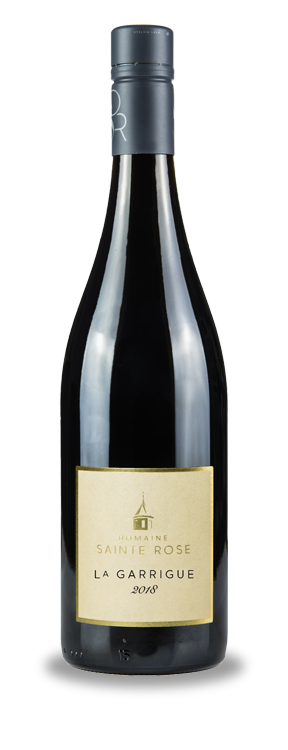
First up is a wine from the South of France, the Domaine Saint Rose La Garrigue 2018 (Majestic £5.99 on offer, down from £8.99). The Domaine Saint Rose was established by a couple of British corporate high flyers Charles and Ruth Simpson, who have brought modernity to a traditional blend of Grenache, Syrah, and Mourvèdre to great effect. Plum-coloured, the nose offers mulberry, raspberry, and blueberry tones with a twist of herbs and raspberries. These are reflected on the ripe, soft, plump palate, which is spiced by hints of white pepper and earth.
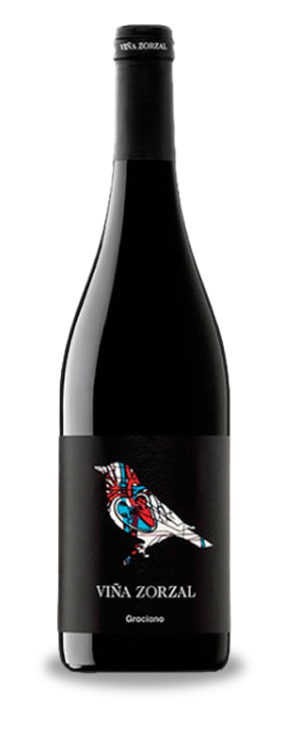
Next, a new wine (to me at least) from one of my favourite wineries, Vina Zorzal. I’ve had several Vina Zorzal wines; the Garacha (The Wine Society around £9) is likely to be one of my wines of the year (again), and the Viña Zorzal Cuatro del Cuatro Graciano (The Wine Society £16), is about as good a red as you’ll find for under £20.
My recommendation this time, however, is the Vina Zorzal Graciano (The Wine Society £8.95). Graciano isn’t a grape you see adorning a label that often. It’s a problematic vine as it’s easily affected by rot and doesn’t give great yields, which is not exactly a recipe for commercial success. It is, however, capable of brilliance, as this shows. Inky in colour, this lip-staining beauty is powerful, concentrated, and glorious. Packed to the gunnels with flavours of cooked blackberries, redcurrants, and spices, its bright acidity stops it from becoming overwhelming or cloying. At this price, it’s a wine to buy by the case and partner with hearty, mid-week suppers.
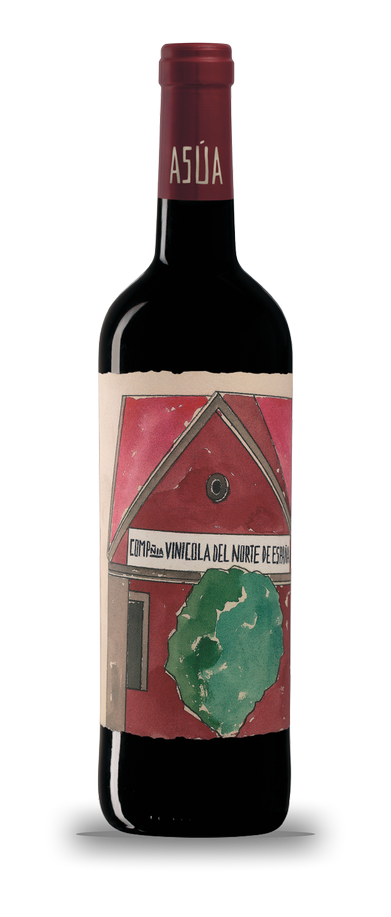
Sticking with Spain, and another new wine from an old friend, we have Cune’s Asua Crianza 2018 (£12.99 – The Surrey Wine Cellar (or Harvey Nichols if you’re passing). Rioja is one of my favourite regions, and let’s face it, no one does it better than Cune. The Asua is made exclusively from Tempranillo (so no Garnacha, Graciano, Mazuelo, etc.) and offers an intense, pure, and delightfully different take on Rioja. Endowed with plenty of black cherries, blackcurrant, and mulberry fruit, shot through with vanilla, dried herbs, and citrus peel, this is already delivering the delightful goods, but has the capacity to age and develop for another 3-5 years.
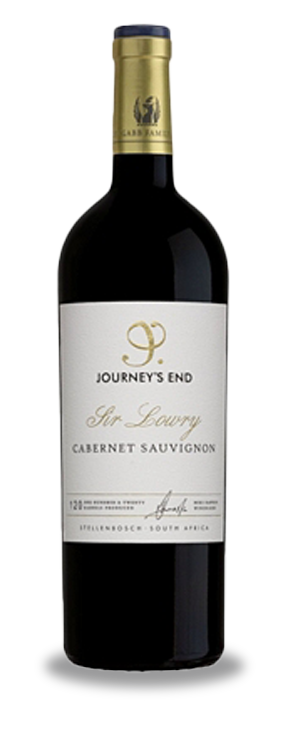
South African wines have been hitting the high notes for some years, but many remain outstanding value for money. A great example is the Journey’s End ‘Sir Lowry’ Cabernet Sauvignon 2020 (Waitrose £14.99). Journey’s End Honeycomb Chardonnay (Ocado £9), then do. It’s got more vanilla than Madagascar and is fruitier than the man from Del Monte’s dinner party conversation.
The Sir Lowry shows the refined side of their wines. Deep purple, the nose is a complex mix of raw blackcurrants, black cherries, woodsmoke, and mint. On the palate, this medium-bodied offering gives layers of black fruits, chocolate, plum, cherries, creamy vanilla, and a crack of black pepper on the end. Food-friendly (we had it with lasagne), it also showed well as an evening solo sipper.
“South African wines have been hitting the high notes for some years”
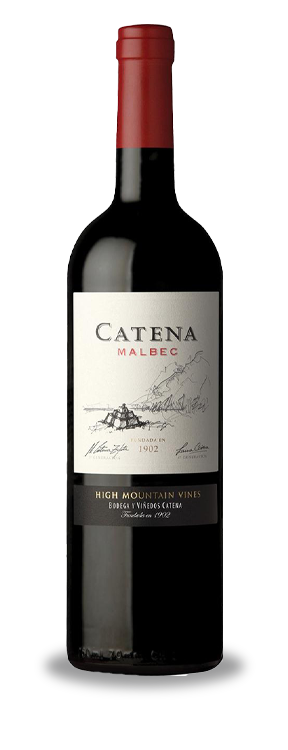
Another new-world winery that never fails to impress is Catena. Catena is my favourite Argentinean producer, and the Wine Society’s Exhibition Malbec (The Wine Society £12.50) is worth the membership on its own. The wine I’m recommending is the Catena Malbec 2019 (Majestic £9.99). This high-altitude, cool climate Malbec shows this grape’s impressive range and depth. Almost opaque, the nose if full of dark notes of blackberries, charcoal, and prunes that are lifted by scents of rose petals and raspberries. The palate reveals an. equally delicate balancing act, with hefty quantities of super-ripe, black-skinned fruits, coffee, cocoa, and earth given life by a refreshing splash of raspberry and redcurrant acidity. One for steak night, decant it or give it some time open before drinking.
I’ll finish with yet another new wine, one that hails from one of the greatest producers on the planet, Gaja. The Gaja family made their name in northern Italy in and around Barbaresco. Today, they’re acknowledged as Italian winemaking royalty, and their wines sell for serious money – the sensational 2019 Barbaresco, for example, will set you back £200 a bottle.
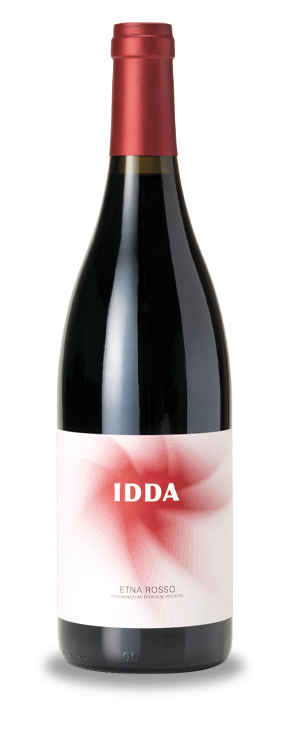
The Idda (London End Wines or Fareham Wines, £29.50) is the result of a joint venture with Sicily’s Etna pioneer, Graci. This is a terrific wine, one that combines power with elegance, purity with complexity. The bouquet offers floral herb notes backed by vibrant black and red fruits. The palate is dominated by tones of raspberry and strawberry, with touches of coffee, mint, and liquorice adding a savoury dimension. This is a serious and seriously good wine that will develop for another few years. Try it with mushroom risotto or lamb shanks.
Well, that’s it for autumn wines and almost for autumn. With the festive season on the way, next time, I’ll look at festive fizz and suggest a couple of wines that will make even the driest of turkeys taste like manna from heaven.
Professional arranger, composer, songwriter and saxophonist Al Lloyd set to release EP – A Moment In Time
Biography of Al Lloyd
Al Lloyd is a composer, arranger, and saxophonist based in Devon – originally from Reading. 27 years old and a die-hard soul and jazz fan, Al has written arrangements for such iconic soul artists as the Chairmen of the Board and the Drifters. As a saxophone player some of his credits include British Jazz composer Mike Westbrook and members of the legendary Motown studio band the Funk Brothers. He studied with the Motown arranger and former Marvin Gaye musical director McKinley Jackson and studied with long standing O’Jay’s musical director Dennis ‘Doc’ Williams.
Al has written and produced for several top vocalists. Including former Drifters lead singer Steve V.King (‘Nothing Could Stop Me Loving You’) and former UB40 and Drifters member Michael Williams (‘Do We Have To Go’) and has been featured on BBC Introducing. Recent productions include hits for Hayley-Ria Christian and Dayton Grey which include two number 1 R&B hits on the Amazon R&B chart, as well as top 20 UK Soul Chart Hit.
About ‘A Moment In Time’ EP
The EP ‘A Moment In Time’ draws on influences from across the musical spectrum including Thom Bell, Burt Bacharach, Duke Ellington, Quincy Jones and Henry Mancini. All major influences on Al Lloyd. Featuring full orchestral strings, horns and percussion alongside contemporary rhythm section and vocalists, the EP is sure to have something for everyone. Released by SoulMusic Records in Association with Warner X5, ‘A Moment In Time’ will be on general release on all major music platforms and CD from 18th November.
Dr Seema Warner, skin expert & founder of Oxford’s YourSkinStory, explains why a holistic approach will add that vital glow to your skin
Your skin….
It is your barrier to the outside world. Standing up to attack from UV rays, pollution, bacteria, pathogens, dirt and grime and environmental toxins. It’s a powerhouse of immunity making hormones that are important for defence and physically keeping our internal environment of blood, tissues and cells protected. It has the power to change how we feel about ourselves. We wear it every day and if we don’t care for it, it won’t be able to care for us. The power of healthy, beautiful skin goes beyond just a great selfie – although that’s always a bonus!
“The power of healthy, beautiful skin goes beyond just a great selfie – although that’s always a bonus!”
Your skin is unique to you. Holding within it cells responsible for oil production, pigment, cell repair and turnover, as well as its own population of bacteria and microbiota known as your skin microbiome. No one else has skin like yours or receives the same sensory input, external stimuli or nutrition as you do. Which is why it’s so important to treat it individually with a personalised approach that fits into your life and addresses your unique make up. It is yours and yours alone.
We need to stop seeing skin as detached from the rest of our body. It’s very much part of our whole body. Blood flow, lymphatics and nerve cells ensure that there’s a constant connection between our internal environment and that of our skin. If skin care is not integrated, we are not treating our skin fully or adequately. We need to step back and see the whole picture. If you’ve seen the difference a really good night’s sleep can make to your skin, then you’ve already seen the power of integrating skin health care!
Get in touch
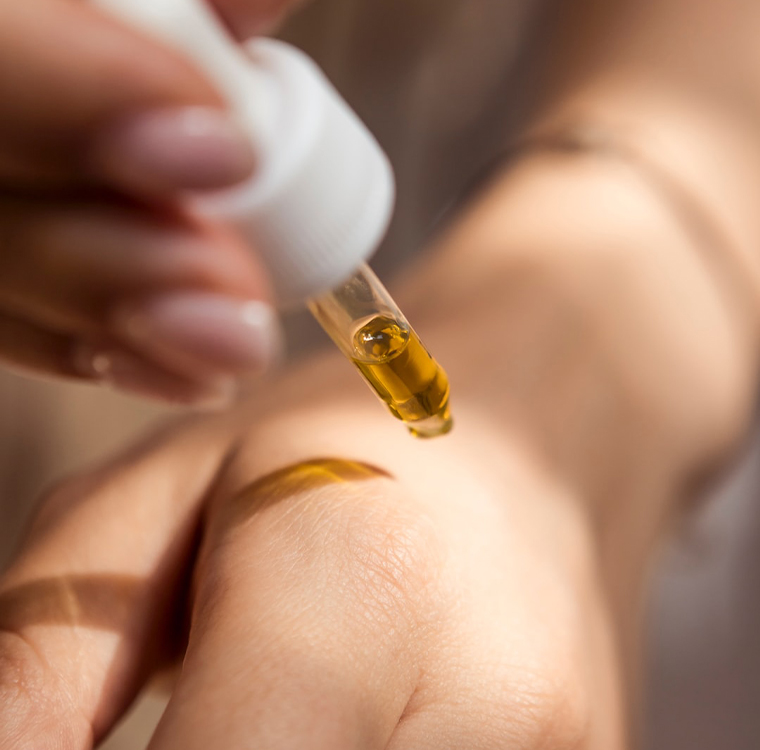
If you’ve tried many skin products with no luck or simply don’t know where to start. I’d love to help you find the ideal routine for your skin. Or if you’ve struggled with a skin issue that will not respond to other treatments or are interested in healing from the inside and out, please do get in touch. I run online skin programmes to help you virtually through product, nutrition and lifestyle advice, as well as treatment programmes from my Oxford clinic. I make my advice as practical as possible and personalised to your skin, body and lifestyle so you can put things into practice in a way that makes sense to you. Skin treatments focus on skin health as well as results and emotional well-being to give you whole body results.
New scientific research is emerging every day, with the realisation that we can control our health more than we initially thought. That although we’re born with a specific set of genes, it’s our environment and lifestyle that modify and switch these on or off. And that we’re connected throughout our body with an incredibly sophisticated system that relies on each aspect supporting the other. Each day will bring new elements for your body to manage and so your skin will change to accommodate this. It will tell the story of you and your life. It is your skin story.
Archie Tracey the sprocker spaniel tucks into some premium ready meals from HugMyDog…
My mummy & daddy really ruv me! Even though ready meals aren’t on the menu for them right now, I’ve been really lucky to chomp some tasty treats from HugMyDog this week…
I have a sensitive tummy, so they have to be really careful with that they feed me. Even though Mum is veggie, she knows I love good quality meat, and the Beef with Sweet Potato meal was just the ticket!
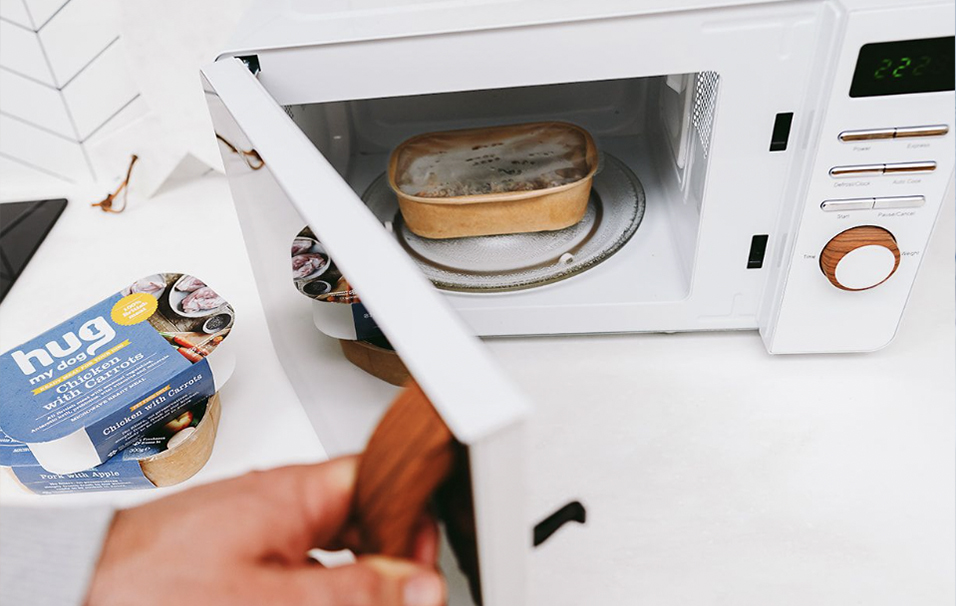
These packets come in handy packets that go ping! In the microwave, then it’s a waiting game for them to cool down and get my chops into. Either in one go or else for breakfast, lunch and dinner. I’m not a greedy doggie (honest) so I had mine in portions.
The chicken with carrots and pork with apple were also just what the doctor ordered! Literally, because Mum was really happy that has a minimum meat content of 70% and is made from prime cuts of meat which are good enough for humans. And they’re bone-free, without any grains, legumes, or fillers, just wholesome and nourishing ingredients, including prebiotics, vitamins and minerals.
“No one wants a bummed-out doggy, do they?! Ruff!”
I’m here to tell you – on behalf of my friends in the pet community – that it’s very important our health is taken seriously! We’ll end up costing you more in the long run if we get poorly. So decent food like this is a good idea. There’s scientific proof that food like this will help our day-to-day health, and longevity, plus our mood. No one wants a bummed-out doggy, do they?! Ruff!
Sara Pearson, a joint founder of The Hug Pet Food Company, says: “Historically, pet food choices have been wet (tinned), dry (kibble), ready-cooked or raw. In the same way you would not dream of feeding your baby solely on a diet of tinned or dried food. It applies equally to a much-loved dog. The new urban pet owners have come into the market with fresh eyes and understand that feeding their pets properly with a good and wholesome diet can extend life, minimise illness and generate health and happiness. HugMyDog has been developed specifically to meet this demand”.
Round & About’s resident wine columnist gives his top picks of Champagne which are worth a pop!
Hello. I’ve just returned from my latest foray into the wonderful world of wine, this time a visit to one of my favourite regions, Champagne. To many champagne is a by-word for celebration; the wine with which to mark life’s highlights. While I wouldn’t disagree with this sentiment, that is to overlook champagne’s place as one of the great wines, one that can be enjoyed with food or as a celebration in itself.
In my latest column for Round and About, I’ll give you a brief guide to this fascinating region, its styles, and run down of my top ten champagnes. So, without further ado, let’s talk chalk.
Champagne: Beauty isn’t skin deep
Take a former inland sea, a hill with delusions of grandeur, trillions of dead fish, a good supply of trees, and place them in cool, north-western France, and what do you get? You get the world’s greatest sparkling wine region, Champagne.
Beneath a thin layer of largely poor soils, lies meters of ancient chalk. It’s this chalk that allows grapes to ripen in what would otherwise be (pre-climate change) an inhospitable place for vines. By leaching heat and storing water, the vast chalk deposits that underlay the region, Champagne manages to get chardonnay alongside the black grapes of pinot noir and pinot meunier to ripen and produce its wondrous wines.
For many of the top champagne houses – names such as Taittinger, Ruinart, Moet & Chandon, and Gosset – the chalk plays another vital role in the creation of these singular wines: ageing.
In the 5th century Roman settlers planted vines here. The name Champagne derives from the Latin’ campania’ in reference to the rolling hills of Campanula near Rome which the area resembles. When they arrived, they discovered very little in the way of building materials on the surface and so they started to dig. They soon discovered the vast deposits of chalk which they excavated to build cities such as Reims and Epernay, leaving behind huge subterranean caves – the ‘crayeres’ as they are now known – in their wake.
Today, many of these are used to house champagne while it slowly matures. Given the crayeres impressive depth – some go down over 30 metres – they provide the continuously cool, vibration-free environment the wines need as they develop.
Time is an essential element in the production of champagne. Even non-vintage wines, those blended from several harvests, received at least 18 months of bottle ageing prior to release, and vintage wines, ones from a single year, needing at least 3 years. And when it comes to rare cuvee de prestige wines such as Taittinger’s sublime Comte de Champagne or Gosset’s Celebris, a decade or more of ageing may be required.
Champagne’s Grapes and Styles
Given the wine itself is white or rosé, it may come as a surprise to you that most wines are made with black and white grapes. Around 75% of champagne’s grapes are black, the rest being made up of chardonnay.
As the juice of almost all grapes is white when pressed, the colour comes from contact with skins, and while there are seven authorised varieties in Champagne, the three most important vines are:
Chardonnay – which produces mineral-rich wines with wonderfully pure fruit, fragrance, and aromas
Pinot Noir – an aristocratic red grape that gives acidity, backbone, depth, and body to the wines
Pinot Meunier – rarely seen elsewhere, pinot meunier adds fruitiness and roundness to the finished blend
In terms of styles, that is largely in the hands of the winemaker and even wines produced from similar blends – the ‘cepage’ – can deliver markedly different wines. Try a bottle of Taittinger’s Prelude with its ripe, peaches in syrup fruit, subtle yeasty undertow, and generous weight beside Gosset’s equally long-aged Grande Reserve and you’d be forgiven for thinking the wines were made in different regions. The Grande Reserve is high-toned and fresh, with a piercing citrus flavour that’s softened by a rich seam of red berries and creamy yeast.
In terms of labels, the following are the styles you are most likely to see:
Brut – this is a dry wine which has a limit to the amount of sugar that gets added to the wines – the ‘dosage’. In the case of a Brut wine, this is less than 12g of residual sugar per litre. Brut is a movable feast, however, and some Houses have residual sugar levels that are close to the limit while others, such as Gosset, tend to be far lower
Demi-Sec – this is an off-dry champagne that is often served as an aperitif or with deserts
Blanc de Blanc – white wine made from white grapes; this is invariably 100% chardonnay. Most of these wines are good for early drinking while the fruit is young and bright, but given the structure of Champagne’s chardonnay, some blanc de blanc can age wonderfully. Taittinger’s Comte de Champagne is routinely aged for a decade before release and will reward another decade or more of cellarage. I’ve enjoyed venerable bottles of Ruinart’s R de Ruinart Blanc de Blanc, and my recent encounter with the sublime Gosset Blanc de Blancs show it’s a wine that has time on its side
Blanc de Noir – made exclusively from black grapes, blanc de noir is an odd category. Much of the cheap (and let’s face it, nasty) supermarket champagne is blanc de noir and is made almost exclusively from pinot meunier with the aim of being drunk young. At the other end of the scale, you have wines such as Bollinger’s Vielle Vignes Francaise or Krug Clos d’Ambonnay which combine extraordinary power, depth, and concentration and are amongst Champagne’s most revered (and expensive) wines
Rosé – in Champagne this is invariably bone dry and can be made in one of two ways. The first is to allow the grape to come into contact with the black grape skins and bleed its colour into it the must – the ‘saignee’ method. The alternative is to add around 15% of red wine to the white
Champagne’s Best 10 Wines
The following is my top ten and is based on a combination of excellence, value, and availability. It would be easy for me to reel of the off top ten greatest champagnes I’ve ever had, and some of them are included on this list. But unless you work in the trade or have a bank balance the size of Moet’s marketing budget, listing the likes of Krug’s Clos de Mesnil 1982 (£3,300) isn’t that helpful.
Now, the following represents ten wines that show champagne’s diversity, styles, and that its brilliance doesn’t have to be reserved for special occasions:
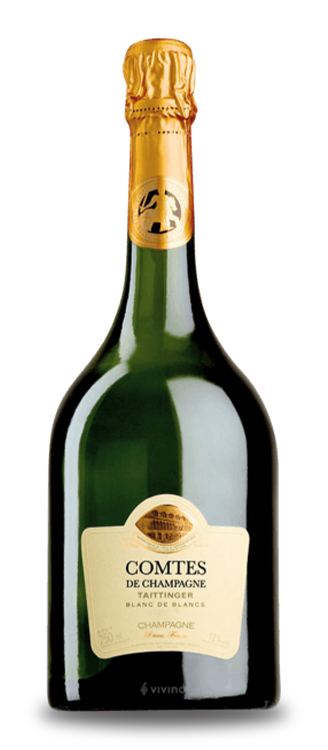
Taittinger Comtes de Champagne (£150 Waitrose) – Comtes is an astonishing wine. 100% chardonnay – so a blanc de blanc – logic would suggest that it wouldn’t stand up to a decade of aging before release, let alone that it would cellar well for years to come. Equally how does a chardonnay have such intensity, complexity and depth of flavour? Comte’s nose is flowers and white berries with a whiff of creamy yeast. On the palate it begins as a gentle vanilla mousse, but this soon builds as tones of apple, preaches in syrup, minerals and brioche flood in. Yes, it’s expensive, but in terms of quality phenomenal and is well-priced when viewed against its peers.
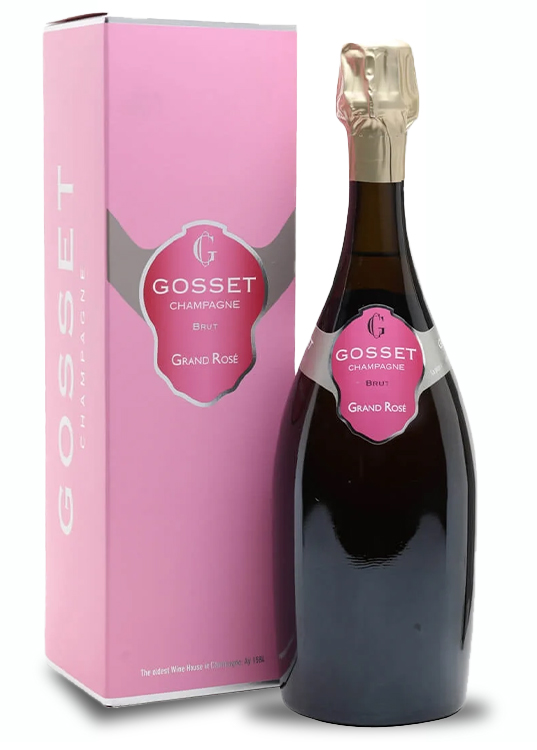
Gosset Grand Rosé (Ocado £60) – Gosset’s wines are intense, precise, capable of seemingly endless ageing, and wonderfully sophisticated. Their Grand Rosé is pale pink, with a nose that combines fresh summer berries, pear drops, and yeast. In the mouth it’s clean, tangy and fresh with an underlying richness and power. This is a wine for the mind as well as the mouth, and I would urge any wine lover to try it.
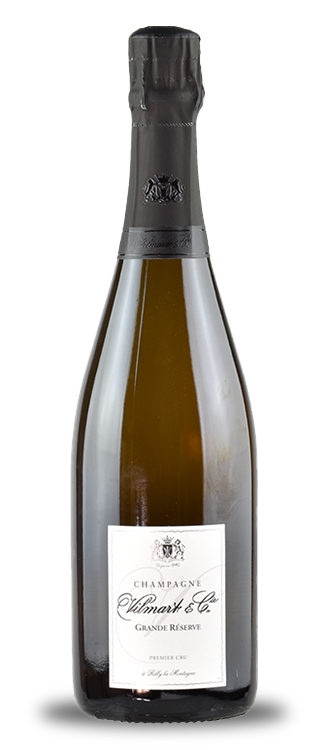
Vilmart Grands Reserve (The Champagne Company £35) – Vilmart is a small, high-quality house that takes a Burgundian approach to making wine. Visit winemaker Laurent Champs and you’ll find a small, pristine cellar that’s lined with new oak barrels. Oak ageing is at the heart of what Vilmart does, and it imparts a richness and weight to their wines, giving a creamy mouthfeel without smothering the fine red and white berry fruits.
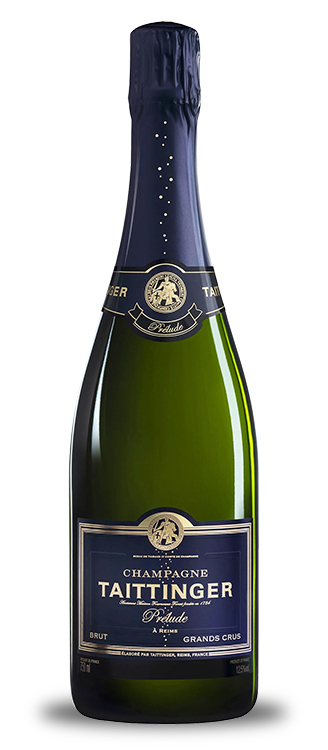
Taittinger Prelude (The Champagne Company £48.50) – while the Taittinger Prestige Rosé (Majestic £44.99) was named as the ‘Best Rosé’ by Good Food Magazine in 2022, the Prelude is probably my favourite Taittinger. Such is my ardour for this glorious wine, that at my recent visit I passed up a second glass of Comte de Champagne 2012 (lovely, but so young) in favour of this. Prelude is aged for six years prior to release, and this gives the Grand Cru chardonnay and pinot noir fruit time to mellow and soften. Mid-gold, the nose is a complex blend of yellow autumn fruits, honey and citrus. In the mouth it’s weighty and ripe, but with that signature Taittinger elegance.
Roederer Brut Premier (£35 Majestic) – I first encountered this while working at Harrods as part of a tasting that included every champagne in the shop – over 100 wines. This was a standout for me and remains one of my favourites. The ripe, peach, apricot, and citrus nose gives way to rich, weighty, brioche and red berry palate that oozes class and refinement.
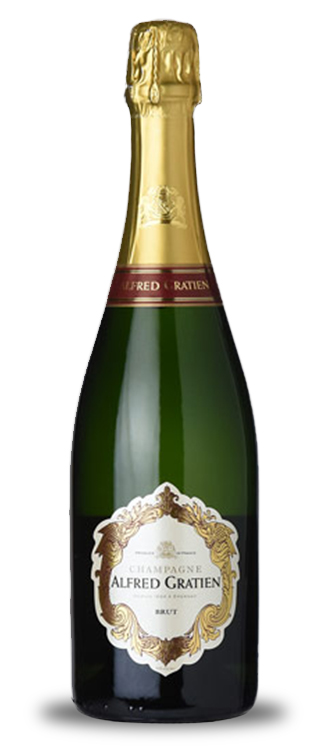
Alfred Gratien (£38 Vinatis) – Alfred Gratien is one of a few Houses that still age their wines in oak – other notable Houses include Krug and Bollinger. The barrels in question are old and the idea isn’t to add a vanilla flavour, but to allow micro-oxygenation (apparently) that imparts a richness and roundness to the wines. Richness is certainly a key trait. These are super-ripe, luxurious, sumptuous wines with a baked apple tone that’s balanced by minerals and a touch of salinity.
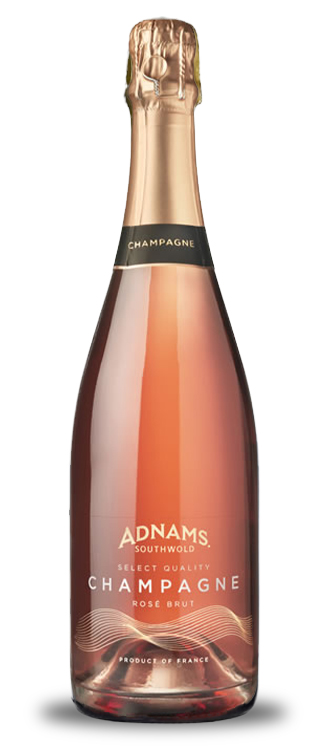
Adnams Selection Rosé (Adnams £33.99) – there’s a lot to be said for own-label or buyers’ own brand champagnes. In many cases these wines are from prestigious Houses who create bottlings for merchants. This is definitely one of the best I’ve ever had. It’s made by Blin, an excellent, but not that well-known House, and gives you a lot of wine for your money. Deeply pink, the nose is an enticing blend of red berries, citrus, and brioche. The palate is broad, rich, and satisfying but with enough freshness to keep it balanced.
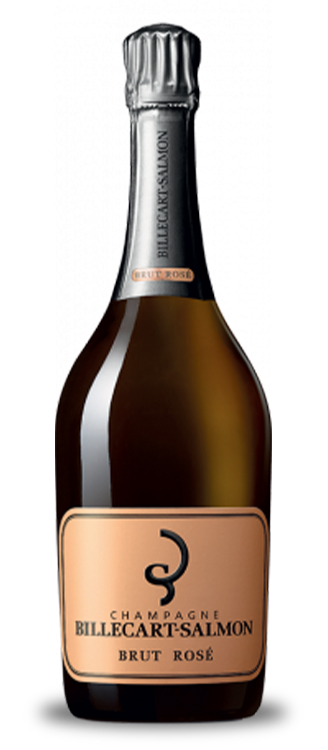
Billecart Salmon Rosé (Laithwaites £60) – I first bought ‘Billy Rosé’ as we call it as it had a pretty bottle, and pretty is a good way to describe the wine. The pretty in pink colour is flecked with amber highlights, while the nose is a complex, fragrant blend of black fruits, rose petals, and yellow plums. The palate is soft, silky and loaded with strawberries and raspberries, minerals and a lovely yeasty finish. This is a great champagne to serve with lamb, salmon, and chicken.
Pol Roger Brut Reserve (Waitrose £39) –Pol Roger was Winston Churchill’s favourite champagne, and their cuvee de prestige is named in his honour. This is a traditional style of wine that never disappoints. The nose combines intense berry fruit with brioche and white flowers. The palate is taut, refined, and gives the sense of everything being where it should be giving a perfect balance to a rounded, yet clean tasting wine.
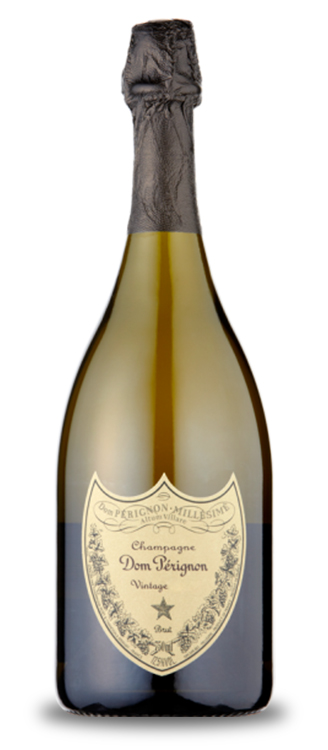
Dom Perignon (£160 Sainsbury’s) – despite its vast production and rising price, this remains an excellent wine. Best drunk a few years after release, Dom Perignon is a charmer of a wine. Its appeal lies in its complexity, which is admirable, and it offers a classic ‘biscuity’ nose that combines berry fruit with yeast and honey. The palate is typically rich and rounded, with noticeable flavours of Mirabelle plum, raspberries, peaches, and offers a long, complex finish.
Until next time…
Well, I hope that’s whetted your appetites for all things Champagne. Next time I’ll look at some reds that will make the long autumn evenings seem just a little too short.