Care Supplement: February 2023

Round & About

Make the right choices to help you or your loved one make the most of their later life

Click to view the interactive care map
Check out more care related articles

Man’s best friends

“Pets just make us feel happier” – the simple reason why many elderly people benefit from the companionship of an animal

We are a nation of pet lovers and for many this doesn’t change just because you have to enter a care home – man’s best friend can become even more important at this time of life.

Ill health, loneliness, depression and anxiety-related issues can all make later life harder but pets can help ease the elderly through and studies have shown that interacting with a dog, cat, rabbit, ducklings and even fish can kindle memories about past experiences and provide an opportunity to talk.

One charity which knows a thing or two about the benefits our furry and feathered friends can bring is Oxfordshire-based Pets As Therapy who say a PAT pet can improve a person’s mental health and overall wellbeing, adding that there’s often an increased connection with carers and family too, and those living with dementia can feel energised and elated, “It comes down to a very simple truth: pets just make us feel happier”.

The charity was founded in 1983 by dog owner and volunteer Lesley Scott-Ordish and as it enters its 40th year, its vision remains unchanged to ensure everyone has access to the companionship of a pet regardless of their circumstances. In addition to its work in care homes, Pets As Therapy also extends the services to schools, hospitals and prisons.

More than 4,000 volunteers go out and about with their animal friends extending the paw or claw of friendship to day care centres, residential homes and hospices as well as the other facilities. Pets As Therapy volunteers are pet owners who give up their time to help, if you would like to help find out more and apply at petsastherapy.org/information/for-volunteers


One such home company which has benefited from the love and attention of a PAT dog is Brendoncare which has homes in and around Alton and Winchester in Hampshire and at Froxfield near Marlborough.

Staff and residents there have seen first hand the positive effects of the joy and companionship that animals can bring.

Rebecca Spicer, Volunteer and Activity Manager at Brendoncare, said: “Wellbeing is so much more than the word games and outings. Bringing animals to show our residents adds an element of home: a visiting PAT dog, social farm experience or even a pet animal for the home adds to this.

“Animals bring love and comfort to our residents, and for them the nurturing feeling of caring or parenting something is familiar. In practice all residents have a natural instinct to stroke a dog, hold a chick or pet a horse. It’s those integrated moments that are engrained in our memories that give us that warm fuzzy ‘good’ feeling in our tummy.”

Animals offer unconditional love and companionship. Sometimes, they provide a level of companionship that people can’t and many find interacting with pets such as simply stroking their fur to watching their antics can have a very calming and reassuring benefit.

Animal visits to care homes can bring back fond memories for residents, with many remembering previous pets or happy times with friends and family when they come face to face with visiting animals.

Brendoncare Alton recall a recent visit by a range of farm animals which for one resident was a special afternoon as he reminisced about the pig farm he used to run and remembered precious memories for him and his family – whilst stroking a pig!

Animals give residents a break in routine and something they can look forward to. But that’s not all – research suggests that animals and their calming nature and affection can offer health benefits such as lowering people’s blood pressure and heart rate, increasing levels of oxytocin (the stress-reducing hormone) and decreasing the production of the stress hormone cortisol.

Brendoncare say that while they love seeing their residents’ excitement when they get to hold a duckling or stroke a donkey, their lovely smiles aren’t the only benefit of petting these animals. Stroking an animal’s fur/feathers, hearing their unique sounds, holding them in their lap, feeding them and grooming them are all interactions which provide great sensory stimulation for residents and are particularly beneficial for people with dementia.

Brendoncare Park Road in Winchester helped welcome some baby ducklings into the world and alongside the familiar caring and nurturing aspects that bring back familiar feelings, cuddling and petting the ducks also provided sensory stimulation.

Find out more at brendoncare.org.uk

In addition to the work of charities such as Pets As Therapy in care homes, many residential homes welcome residents to bring their much-loved pets with them with they move in recognising the benefits to older people – improving mental wellbeing, decreased dementia rates, a sense of purpose and fun.

View the interactive care map

More care related articles

Hear clearly – Try ear microsuction as a way to help hearing loss

A day in the life… – Nurse turned care home manager Susie Green shares her memories of life as a care home manager in A Most Precious Gift

Planning for the future – Get your financial affairs in order with a Will or Lasting Power of Attorney
Care for your trees with Brackendale

Round & About

Brackendale Tree Care has valuable advice to help you care for your trees in winter

At this time of year, your garden will probably look as if it’s settled down for winter. That surely means your jobs for the year are all wrapped up. All you need to do now is feed the birds and enjoy your garden from the warmth of your home.

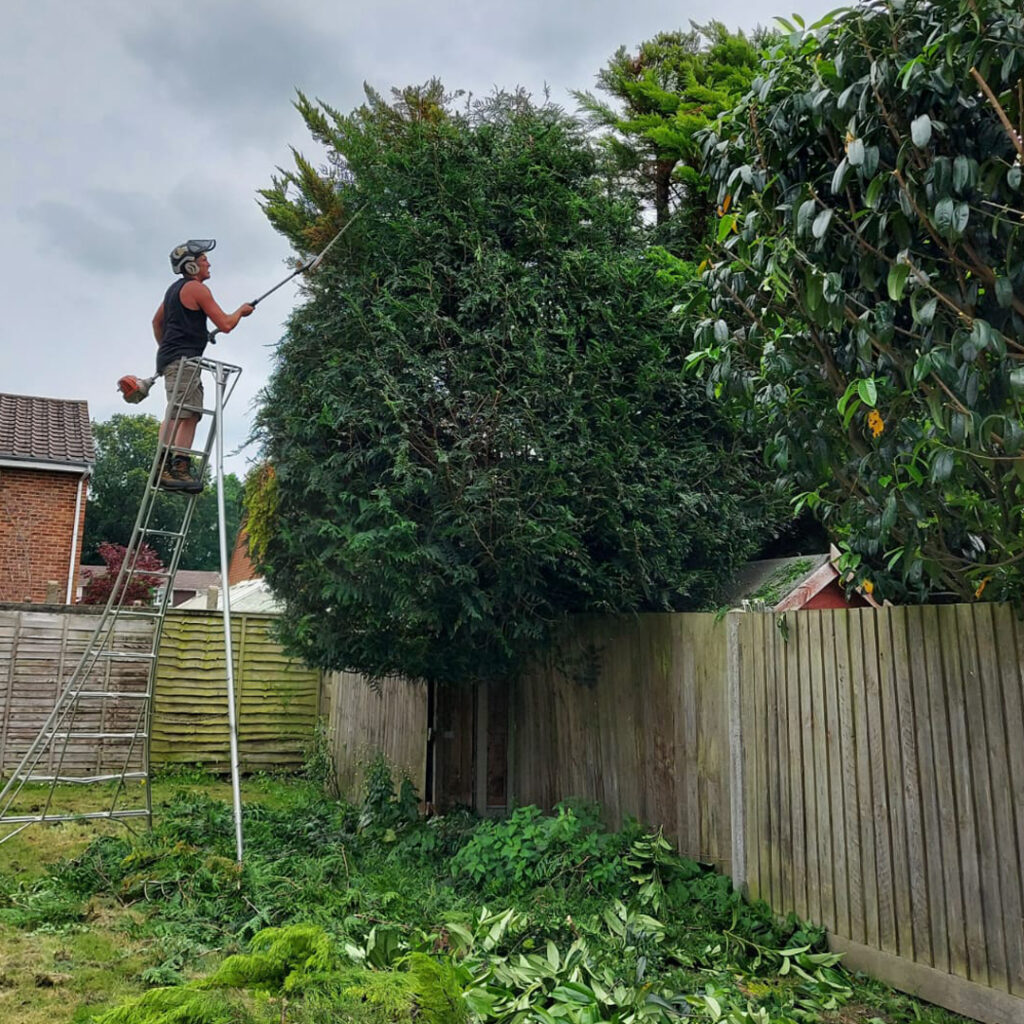
However, winter is the perfect time to crack on and care for your trees.

Not only is winter the ideal time for tree care from Mother Nature’s perspective, but it’s also a great time for us humans. Other garden jobs, such as weeding, lawn mowing and hedge trimming aren’t needed so we have time to lavish on our trees instead. And after all, what’s better than getting outside into the fresh air and work up an appetite for all that hearty winter food?

The two big tree-related jobs for the winter are winter pruning and planting bare rooting trees.

Job 1 – winter-pruning your trees

It’s nearly always better to prune your trees in the winter than in the spring or summer. There are a host of reasons for this, which we’ll now go into.

For deciduous trees at least, the lack of leaves makes it far easier to see what you’re doing. This means you’re less likely to trim your trees back too far or into a shape that you’re not happy with. There’s also the benefit of having almost no leaves to sweep up afterwards – only the branches and leaves. You’ll also know that nesting birds won’t be an issue – it’s only from March onwards that nesting becomes something to bear in mind

Because trees are dormant in the winter, their sap is less active. Sap delivers water and nutrients throughout the tree which may ‘bleed’ when the tree is cut. Too much bleeding can shock your tree so it’s important to make sure you’re pruning at the right time of year. Most trees are best pruned in the winter, although there are some such as magnolia and birch which should be pruned at a different time of year.

Winter pruning is a great way of reinvigorating trees and bushes that were beginning to look tired or straggly. Successful winter pruning can encourage bushy, healthy growth, helping revive a previously tired-looking specimen.

Pruning during the winter also helps prevent diseases. That’s because the bacteria, insects and fungi that carry the diseases are dormant or dead. So, by pruning during the winter months, your tree is less likely to pick up a serious disease.

Job 2 – plant bare rooted trees

Another job that’s perfect for the winter months is planting bare rooted trees. Loved by gardeners and tree surgeons alike, bare rooted trees are the best choice for anyone wanting to enhance their garden with healthy, strong plants.

Using bare rooted trees and hedges gives you a better range of plants to choose from, thanks to the range of specialist nurseries that deal with bare rooted plants. They’re also far better value than pot-grown plants giving you a healthy sapling for a bank-balance friendly price. This makes bare-rooted trees and hedges a must-buy for anyone wanting to plant lots of trees or a new hedge.

There are a few things to remember when planting bare rooted trees:

1. Plant bare-rooted trees quickly as you can

The longer you leave your bare rooted trees unplanted, the more moisture they will lose from their roots. And the more moisture they lose, the lower your chances of having a healthy tree in your garden. If you can’t plant your tree immediately, store them somewhere cool (a garage or shed is perfect) with their roots wrapped in a plastic bag.

2. Stake your bare-rooted tree after planting

Staking your bare rooted trees will help them establish more successfully by keeping the roots healthy. By keeping your new tree in a stable position, you minimise the chances of torn roots. It can take as much as two years for a new tree to fully anchor itself into the soil, which makes this step especially important.

3. Water trees thoroughly in the first year after planting

Although your new tree or hedge won’t need water while it’s dormant, as soon as you start seeing leaves bursting into bud, it’s time to water. Water your tree thoroughly (a full watering can is perfect) once a week – or more often if the weather is dry. In especially dry, warm weather you should water your new tree two or three times a week to help it establish.

Get in touch for help with winter pruning and planting

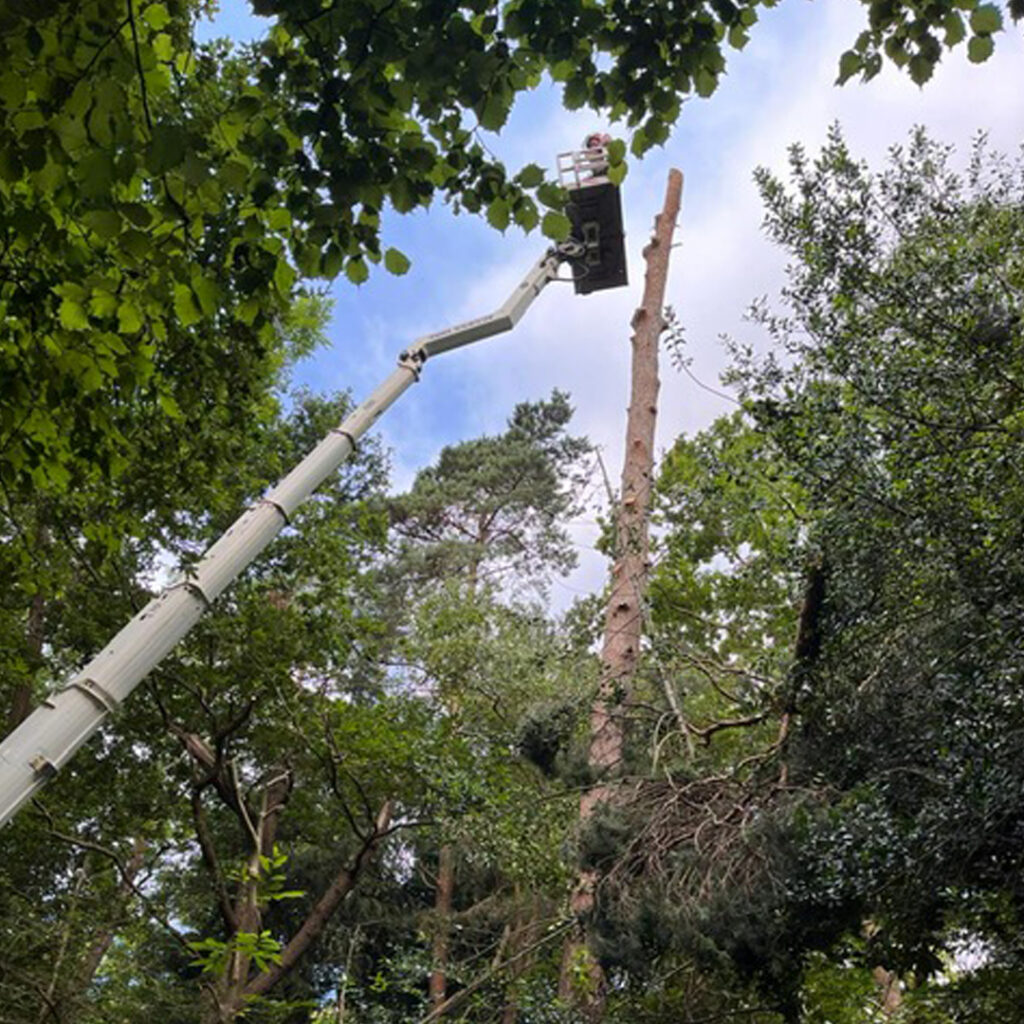
Winter pruning and planting bare rooted trees are tasks that your tree surgeon can advise on and help with. If you have questions or would like us to look after your pruning and planting, get in touch and we’ll be happy to help.

February recipes: Batch of the day!

Round & About

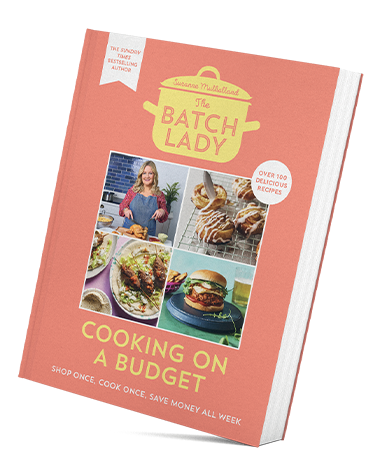
Here’s a taste of Suzanne Mulholland’s The Batch Lady: Cooking on a Budget, out now, published by HarperCollins

She says in the introduction to this book: “As I became a busy working wife and mum I realised that those skills are also very much needed in our home environment too. We’re constantly playing the juggling game that is modern day life, and it can be stressful as we try to manage budgets, feed our families well, and get nutritious meals on the table that offer variety and keep everyone happy. That, combined with trying to reduce packaging, reduce food waste and eat less meat, can have our brains spinning.

“This book was packed full of hearty recipes designed to fill your freezer (and your belly!) with tasty food that could be put on the table with little fuss. My second, The Batch Lady: Healthy Family Favourites, focussed on making the comforting family food we all love a little bit healthier.”

Roast butternut squash with a couscous crust

Prep: 10 minutes | Cooking: 70 minutes | Serves: Four

Ingredients:

• Glug of olive or vegetable oil
• One large butternut squash, topped, tailed, cut into quarters and seeds removed
• ½ cup (100g) couscous
• ½ cup (120ml) boiling water
• 100g feta cheese
• Juice of one lemon
• Two heaped tbsp pesto
• Eight cherry tomatoes, cut into quarters
• Salt and freshly ground black pepper
• Olive oil, for roasting

Roasting butternut squash in this way brings out its natural sweetness and delicious earthy flavours. Bulked up with fluffy couscous this is substantial enough as a main meal, but would also work as a side dish or even a dinner party starter.

Method:

1. Preheat the oven to 180˚C/350˚F/gas mark 4. Add a glug of oil to a lipped baking sheet. Place in the oven to warm.
2. Once the oil is hot, add the butternut to the tray, turning to coat in the oil as you do. Bake for 40 minutes, turning halfway through, until the squash is golden and just tender.
3. Transfer the couscous to a large bowl and pour over half a cup (120ml) of boiling water. Cover and set aside for five minutes, then fluff the couscous up with a fork.
4. Crumble the feta into the bowl, then add the lemon juice, pesto, tomatoes, salt and pepper. Stir to combine.

If you’re cooking to eat now… Spoon the couscous mix over the roasted squash and return to the oven for another 30 minutes. Divide the wedges between serving plates and serve. Zhuzh it up with a good drizzle of balsamic glaze.

If you’re making ahead to freeze… Set the squash and couscous aside until cooled to room temperature, then transfer the squash wedges to a large freezer bag and the couscous to a smaller bag. Seal the couscous bag and then place inside the bag with the squash before sealing. Label and freeze flat for up to three months.

Then… Remove the squash and couscous from the freezer and place in the fridge to defrost, ideally overnight. Once defrosted lay the squash on a foil-lined baking sheet and spoon over the couscous. Transfer to an oven preheated to 180˚C/350˚F/gas mark 4 and bake for 30 minutes, until piping hot all the way through. Serve as above.

Mexican beef nacho topper

Prep: 10 minutes | Cooking: 8-10 minutes | Serves: Four

Ingredients:

• Splash of vegetable or olive oil
• One cup (115g) frozen chopped onions
• 1 tsp frozen chopped garlic
• 250g minced beef
• 1 x 30g packet taco seasoning
• 1 x 395g tin mixed beans in chilli sauce
• 2 tbsp tomato purée 
• One cup (175g) frozen sliced peppers

To serve:

• One 200g bag lightly salted tortilla chips
• One cup (90g) pre-grated Cheddar cheese
• MAKE IT Veggie! Replace the beef with a plant-based mince of your choice.

Cheesy, spicy and loaded with flavour, this is the ultimate sharing dish for when you have lots of hungry mouths to feed. If you’re feeding more than four, this is easy to scale up by simply doubling or tripling the ingredient amounts.

Method:

1. Heat a splash of oil in a large pan over a medium heat. Add the onions, garlic and mince and cook, stirring, for about five minutes, until the onions are translucent and meat browned.
2. Drain any excess fat from the pan, then return to the heat and add the taco seasoning, beans, tomato puree and sliced peppers. Give everything another stir to combine, bring to the boil, then reduce to a simmer and leave to cook, stirring occasionally, for five minutes. Remove from the heat.

If you’re serving now… Preheat the oven to 180˚C/350˚F/gas mark 4. Transfer the tortilla chips to a large baking dish and warm in the oven for five minutes, until crisp. Remove from the oven and ladle the chilli over the top. Scatter over the grated cheese then return the dish to the oven for 6-8 minutes, until the cheese is melted and bubbling. Put the dish in the middle of the table for everyone to enjoy. Zhuzh it up… Scatter over some fresh coriander and serve with guacamole and pickled jalapenos alongside.

If you’re making ahead to freeze… Leave the beef chilli to cool to room temperature, then transfer to a large, labelled freezer bag and freeze flat for up to three months.

Then… Remove the bag from the freezer and leave to defrost in the fridge, ideally overnight. Once defrosted, tip the beef chilli into a large saucepan over a medium heat and reheat, stirring occasionally, for 5-10 minutes, until piping hot. While the chilli is reheating, warm the tortilla chips then assemble the Mexican Nacho Topper as described above.

M&S Food launch new breakfast range

Round & About

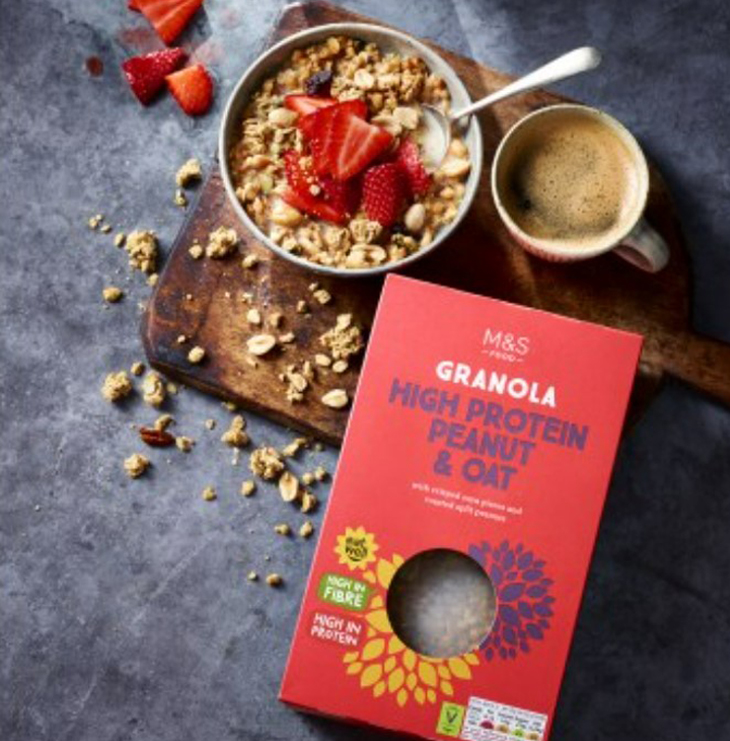
M&S have just launched their biggest ever breakfast range from its own label for the first time, offering a range of tasty new cereals, granolas, porridge, breakfast toppers and breakfast pots to brighten your morning

Start the day right with an Eat Well breakfast from M&S Food – our clever product developers have created lots of new tasty cereals and breakfast toppers – complete with the health benefits you’d expect from Eat Well – for all the family.

Some have even been given the professional footballer seal of approval thanks to Eat Well’s partnership with the home nation football associations. Midfielders Mason Mount and Jordan Henderson and defender Eric Dier have all picked their choice for breakfast.

Mason Mount’s choice
Jordan Henderson’s choice
Eric Dier’s choice

Not only do we have some brand new cereal-ously tasty Eat Well options but we also have porridge, granolas and a new breakfast pot.

Our breakfast boffins have also added more Made Without options, alongside Vegetarian and Vegan options to cater for special dietary requirements – so no matter who you are we have a breakfast FOR YOU.

Sarah Jane Large, Product Developer, M&S Food, said: “At M&S we are constantly listening to our customers on what food and new products they would like to see across our Foodhalls. We know that most people have the same breakfast every day and think that’s a travesty! So, we wanted to inspire them to try something new this New Year and while we were at it completely overhauled our entire range to make it healthier and EVEN tastier.

“In particular our new gut health products taps into 48%* of Brits who are interested in breakfast items that support digestion and gut health – so we have introduced some great options for them.  Our new Eat Well Plant Kitchen High Protein Vegan Choco Crunch and Made Without Wheat Triple Chocolate Crunch also mirrors the trend that although people are looking to be healthier, they just can’t beat that sweet chocolate fix – just mix them with your favourite milk or alternative for a breakfast that feels like you should only have on special occasions!”

It’s not just chocolate and gut health that are trending at breakfast. Taking inspiration from our American friends across the pond, dessert flavours in the morning, yes in the MORNING, are also on the rise. And as the home of the food hybrid we HAD to get involved – so have introduced Eat Well Pecan Pie Flavour Porridge and Made Without Wheat Maple Syrup Flavour Porridge to our breakfast line up. And hey, who says you can only have it at breakfast anyway!

Planning for the future

Round & About

Get your financial affairs in order with a Will or Lasting Power of Attorney

Many of us have made New Year’s resolutions and yours may include putting your affairs in order. This means thinking of the future by putting Lasting Powers of Attorney and Wills in place and also considering Inheritance Tax planning.

Lasting Powers of Attorney are documents which allow you to appoint attorneys to help you with your property and financial and health and welfare affairs. You may choose your spouse, partner, children or trusted friend. If you have an Enduring Power of Attorney, it may still be possible to use it although it only covers Property & Financial matters. Lasting Powers of Attorney can be registered now and used whether or not mental capacity is an issue for property and financial matters. You can make your own decisions about your health and welfare all the time that mental capacity is not an issue.

Wills should be reviewed every 5-10 years or in the case of a life changing event, whichever is sooner. There are differing Will structures which can be tailored to suit your wishes concerning the distribution of your estate.

Probate matters will include advice regarding the preparation of an Inheritance Tax account if required. A Grant of Probate is usually required to release or transfer assets from an estate.

Ensure matters will be simpler for your families by putting the correct documents in place. Please contact Potter Owtram & Peck LLP Private Client department for assistance. Call Haslemere (01428) 642321 or email haslemere@potterowtram.co.uk

A day in the life…

Round & About

Nurse turned care home manager Susie Green shares her memories of life as a care home manager in A Most Precious Gift

“I wanted to give people a little peep at what happens through the front door of a care home” says Susie Green of her new book A Most Precious Gift.

Susie invites us to walk through the doors of a care home with her as our guide, as the care home manager, home to the elderly, vulnerable adults and for many their final home.

Share some of the tales she tells of horror and heartbreak but also many that will make you laugh and smile alongside many you will find unbelievable. Pigeons, relatives, a ‘lady of the night’ turned carer, incontinence pads and emotional farewells all form part of daily life in a care home.

Susie started her nurse training in 1978, qualifying in the early 1980s. She has worked on general wards, as a GP nurse and a school nurse. She spent the last six years of her career as a care home manager, turning struggling homes around.

 “I knew I had stories and tales that happened in my time as a care home manager that just had to be written down,” she explains. “Nursing is a career that is so hard to walk away from, I missed it terribly and felt guilty for ending my career so I thought it would help to write my tale.

“My inspiration came from the care home staff, service users, families, owners and multi-disciplinary teams and social services I worked with. Some characters I will never forget.

“I wanted people to understand the life and responsibilities in the role of a registered care home manager. I wanted to give people a little peep at what happens through the front door of a care home.”

A Most Precious Gift is a token of thanks to all staff who work in care homes and for those who showed their commitment and empathy working through the Covid pandemic.

She adds: “This little book will touch hearts and give an understanding of what it means to work in care homes, the people we meet and those we care for, and those we work with.”

Susie lives in a 17th century cottage in Oxfordshire with her husband, two whippets Albert and Annabelle and a very large British Shorthair cat called Eric and as she says in the author’s note for her book: “You will smile, be touched, be horrified and perhaps shed some tears.”

A Most Precious Gift is published by The Book Guild, ISBN  9781915352361, and is available now for £7.99.

Hear clearly

Round & About

Try ear microsuction as a way to help hearing loss

Any readers who have experienced painful or blocked ears will know how troublesome it can be. The loss of hearing resulting from a blocked or damaged ear can leave us disorientated, imbalanced or even socially isolated.

Ear wax (cerumen) is a normal product of the ear canal. It is produced by glands in the skin and traps dust, dead skin cells and whatever else ends up in the ear.

A build up of wax can be due to small ear canals, skin conditions such as eczema, or overuse of earbuds which push wax deeper into the ear. GP Practice Nurses used to provide ear syringing (flushing the blockages with warm water) but increasingly this isn’t provided.

Ear microsuction is the procedure to remove wax from the ear safely. In hospital Ear, Nose and Throat clinics it is how we clear ears for examination, treatments and as part of surgery. Using a microscope and a miniature suction device, wax and blockages can be removed safely and precisely within a few minutes. Patients who particularly benefit are hearing aid users, in whom a build up of wax can cause feedback and discomfort.

If performed by trained and experienced professionals, this is an excellent way of keeping ear canals clear. If you have blocked, painful or itching ears, this treatment could be a simple fix and avoid the wait for a GP appointment.

Mr David Walker MBChB FRCS (ORL-HNS) MSc Consultant ENT Surgeon, EarLab, Haslemere

Contact 01428 870111 or earlab.co.uk

Raising a glass to Australian wine

Round & About

Our wine columnist Giles Luckett is on a mission to raise January spirits with these wizard (wines) of Aus!

Hello, and a belated Happy New Year.

While for many people January can be a trying month, for the wine trade it’s a time of excitement and discovery. With the Christmas rush a distant memory and stocks as low as many people’s moods on Blue January, this quiet sales month gives wine professionals the chance to get out and taste. While tasting invitations are already piling up like pizza leaflets, there’s one that’s a big red-letter day in my calendar: 24th January and the Australia Trade Tasting.

I’m part of the generation of wine lovers who got to know wine thanks to Australia. In the late 1980s they exploded onto the scene, offering big, bold, fruit-bomb wines that were about as reserved as an Aussie backpacker in an Earl’s Court pub at closing time. They were a revelation. Affordable and accessible, they offered budding wine students the chance to get to grips with a range of grapes and styles.

Fast forward 30 years and Australian wines have matured and now boast a raft of examples that are fit to rank with the world’s best. Wines such as Penfolds’ Grange Hermitage and Bin 707, Henshke’s Hill Of Grace and Mount Edelstone, Leeuwin’s Art Series, and Wynn’s Michael Shiraz should be on every fine wine lover’s tasting wish list. And beyond these super stars there remain hundreds of exceptional wines that encapsulate Australian wines’ founding principles of individuality, brilliance and value. So, here are some suggestions for alleviating the January gloom with a taste of Australian wine excellence.

My first recommendation is the Robert Oatley Signature Series Chardonnay (The Co-Op £11.50) Oatley produce wines in various parts of Australia with the emphasis being on producing ones that have a “taste of place”. Modern in origin and outlook – the winery was founded in 2006 – the Signature Series Chardonnay is a fine wine at an affordable price. Pale green gold, the use of oak is well-judged and the nose is focused on fruit and floral tones. In the mouth there’s an immediate freshness and lift from apple, white peach and melon tones, before richer, fatter vanilla and honey comes through. The whole thing is rounded off with crisp acidity and touch of savoury minerals. Sophisticated is the word that leaps to mind, this is a far cry from the ‘bottled sunshine’ Chardonnays of old.

Next up is a wine that’s as leftfield as its much-missed creator, Taras Ochota. I had the pleasure of meeting Taras in London and his home in the Adelaide Hills before his untimely death at the age of 49. He was a maverick, a devout punk – wines such as Fugazi and In the Trees are named after bands and songs he loved – and one of the most talented winemakers of Australia’s modern era. Ochota Barrels Weird Berries in the Woods (Indigo Wines) Gewurztraminer is, for me, his best white.

I’ll be honest, usually Gewurztraminer isn’t my cup of tea. I find the combination of lychees, black pepper, sickly lavender honey, and tinned peaches about as lovely as it sounds. Taras, however, managed to tame these wild elements to produce a dry, elegant, complex wine that flows with oriental fruits with hints of spice and add a dryness, and a cleansing acidity that make for a memorable glassful.

Jacob’s Creek were one of the first brands to make it big in the UK wine market. Their wines have always been good value make for a great buy when popping into a corner shop for a last-minute bottle. Their Reserve Adelaide Hills Chardonnay (£6, Amazon) is on another level though. Adelaide Hills is a cool climate region that’s making some of the most exciting wines in Australia. This fantastically well-priced wine offers a smoky, crisp, elegant example of Chardonnay. Peaches, pears, stonefruit, and a touch of grapefruit make for joyful drinking.

I’ll leave the whites with a Riesling. Australia is rightly proud of its dry Rieslings, with examples from the Clare or Eden Valley being as good as the finest French and German efforts. One I’ve always liked is the Tim Adams Riesling (Tesco £10). This Eden Valley wine offers an intense nose of limes, grapes, and citrus mingled with apple blossom. In the mouth its precise, clean, and poised, with a lovely combination of white berries, green apple, pear and citrus fruit, with minerals on the long, dry finish.

Australia arguably offers the most consistent and consistently good value reds in the world. From entry level wines such as Koonuga Hill Shiraz-Cabernet (Waitrose £7.99) to the likes of the mighty Hill of Grace (£250 Berry Brothers & Rudd), Australia has it all. I’m going to start my red recommendations with a pair of Cabernet Sauvignons from revered producer Wynns.

Wynns’ wines are classically styled and are made to reflect the vineyards from which they are made. Founded in 1891, their years of experience shines through their wines which are always beautifully crafted and offer an exceptional drinking experience at all levels.

My first wine is The Siding Cabernet Sauvignon (Tesco £15). This is produced in the Coonawarra region which is famed for its iron-rich terra rossa soils. This soil gives wines minerality and an extra level of complexity and depth, something Wynns have taken full advantage of. The Siding offers fresh, intense notes of blackcurrants, mint, mulberries and raspberries on the nose, while in the mouth fleshier notes of black cherries, roasted meat, plums and dried herbs come through. Medium-bodied but with powerful intensity, this is one for the hearty winter dishes.

Providing a fascinating contrast we have the Wynns Black Label Cabernet Sauvignon 2019 (Majestic £25). Same grape, same producer, very different results. This is Aussie Cabernet showing its elegant, nuanced side. While the characteristic blackcurrants, mint and cherries are present, there’s also plums, earthy spices, these are all low-key, seamlessly integrated and nuanced. This is a fine wine that deserves respect. If you’re drinking it this year, I’d decant it or at least give it several hours open and serve it with fine red meats or baked cheeses.

Good Australian Pinot Noir was once a rarity. This notoriously fickle vine was once ‘a nice idea’ as one Australian producer caustically described Australian Merlot. These days great examples abound, and one of my favourites is the Yering Station (Waitrose £12.99). Based in the cool Yarra Valley in Victoria, Yering Station has established a reputation as one of Australia’s leading Pinot producers. The 2016 has a fragrant nose of plums, raspberries, with highlights of flowers and spices. In the mouth this gentle, medium bodied wine gradually reveals layer upon layer of black fruit flavours intermingled with creamy oak and touch of jamminess to the finish. This has to be one of the best value Pinots on the market, and it well-worth seeking out.

My last red is another Cabernet and another wine from Western Australia, the Robert Oatley “Signature” Cabernet Sauvignon 2019 (Taurus Wines £13.99). This is Cabernet in the Bordeaux mould. The benign climate and exceptional soils of Margaret River give us a Cabernet whose emphasis is on elegance and complexity rather than power and drama. Deeply coloured, the nose is a quiet riot of fresh blackcurrants, eucalyptus, black cherries, spices, and smoke. The silken palate is packed with fruit, but everything is sedate, unhurried and poised. Like a great Bordeaux, it deserves time and fine food to appreciate its charms.

“I was lucky enough to spend some time in Tasmania on my last trip to Australia”

And finally, a fizz. Well, I couldn’t write a column and not mention at least one sparkling wine, could I? I was lucky enough to spend some time in Tasmania on my last trip to Australia, a region that is probably the most exciting in Aus. Cool, damp, and undulating, it’s ideal for sparkling wine production and Jansz Rosé (Fenwicks £15.99) is a fantastic wine. Pretty in pink colour, the vibrant red berry and yeast nose is followed by a fresh, tangy palate that leads with raspberries and strawberries, before darker, richer notes of dried cherry, rhubarb, and yeast come through.

Right, all this writing and meandering down wine memory lane had given me quite a thirst so it’s on to the practical for me – well, I need to have my palate in shape for the trade tasting, don’t I?

Next time out I’ll look at some reds that will banish those winter blues.

More soon…

Education Guide: Winter 2023

Round & About

As the new year starts for many it will mean a change in education or time to think about something new, read on for ideas

Click to view the interactive Schools map

Check out more education related articles

Make a splash at school

An initiative launched by The Outdoor Guide Foundation is helping provide Waterproofs and Wellies to state primary schools to allow pupils to enjoy their childhood

As a child, there’s nothing like the simple pleasure of splashing in a puddle. But to do this without being told off and getting too wet, you need the right clothing.

Sadly many children in state primary schools do not have these basic “tools” – Wellington boots, a hooded waterproof jacket and over trousers – to enable them to get out and enjoy this most innocent of pastimes.

However, thanks to The Outdoor Guide Foundation many are now being given this opportunity through the Waterproofs and Wellies Project, the first of what it is hoped will be several similar schemes from the foundation to help disadvantaged children make the most of the natural world around them.

The Outdoor Guide Foundation is the charitable arm of The Outdoor Guide, a free walking tool founded by TV presenter Julia Bradbury and her sister Gina, which aims to make the outdoors more accessible
for all.

Waterproofs and Wellies splashed onto the scene in March 2021 with CBeebies presenter Gemma Hunt launching the initiative alongside Gina. Gemma said: “I am thrilled to be supporting this wonderful initiative and encouraging more children to get outside. The kits provide the basic gear that will allow children to have wonderful outdoor experiences when at school, whatever the weather!”

The goal is to donate 10 sets of wellies and waterproofs to every state primary school in the UK – a whopping 20,000 – to make the outdoors more accessible for all, allowing youngsters to experience, understand and protect nature. The pandemic and subsequent lockdowns proved the benefits of being able to get outside: educational, social interaction and empathy, enhancing wellbeing, reduction in anger, stress and anxiety, improved physical fitness and community engagement.

The Children’s Society says spending time outdoors and in nature enhances a young person’s short and long-term wellbeing. It is also known to improve mental development and personal fulfilment, all of which is endorsed by Mind, advocates of the health benefits of outdoor activities in all age ranges including a reduction in anger, stress, anxiety and an increase in physical fitness as well as a sense of balance and personal awareness.

Waterproofs and Wellies is the result of working with reputable suppliers to source the best value kit with the sale cost for the whole kit just £30. The not-for-profit project donates 10 various-sized kits to a school for them to decide how to distribute at their discretion. Schools and parents can buy extra kits at the same cost.

Julia says: “I am thrilled to be supporting this and encouraging more children to get outside in all weathers! These packs have been sourced as the basic gear that will allow children to have wonderful outdoor experiences, whatever the weather.”

If you can help, please donate at tinyurl.com/mpf62jjv

£30 – will buy and deliver one complete kit to a school

£300 – will buy and deliver 10 complete kits to a school

£1,200 – will buy and deliver 40 complete kits to four schools

£10,000 – will provide kits for schools you choose in a specific area

Teachers, to find out more and nominate your school visit theoutdoorguidefoundation.org/

Get involved

Waterproofs and Wellies are calling on businesses to help support the project too – every business which donates £300 to the initiative will receive a certificate thanking them for their gift for putting something back into the community and will be able to choose which schools they support.

Thanks to the generous donations so far, The Outdoor Guide Foundation has been able to help more than 200 schools since the launch. Businesses interested in getting involved in Waterproof and Wellies should email Gina at gina@theoutdoorguide.co.uk or call 0203 393 5084.

View the interactive schools map

More education related articles

Learn a new skill with Oxfordshire Adult Learning

2023: The year to learn

New year, new courses

Why choose an independent education?

Applying to University – The Personal Statement

Applying to University, The Personal Statement

Round & About

With the cut off for university applications for 2023 approaching on January 25th, make yours stand out from the others, Sarah Alakija from Charters Education Support has some tips

The UCAS application can be a source of great stress for students and sometimes a bit of a mystery for parents. The main reason for the stress is usually the personal statement. A brief document aiming to convince admissions tutors that they should give a place to your child. It has to show that the student is interested in the chosen subject and has the academic potential to cope with studying it for three or four years and it can feel quite a challenge to get it right, even more so with applications for popular subjects or to competitive universities.

Getting started

Before students put pen to paper, they need to research their subject in order to be certain that is really is something that they want to study for three or four years. It’s important that students appreciate the importance of this stage and of starting it early, so that if they change their mind, it’s not too late to do another round of research. A vital part of the long-term strategy which all students should undertake is to read widely and research areas in which they have some interest.

Once your teenager is settled into Year 12, try to get them reading books which are off the A Level/IB curriculum. You can look at the recommended reading lists that some university departments publish but they are often long and it can be tough to know where to start. And remember, everyone else will be reading those too. It can be helpful to get bespoke suggestions from a teacher or external tutor. And it doesn’t all need to be books; there are plenty of online lectures, podcasts, research journals, online courses and even virtual internships which support subject research and which can be mentioned in the personal statement.

Writing the statement

The personal statement should not be a simple list of achievements, books and work experience placements; the best ones will map out the journey which the student has undertaken in order to arrive at the decision to study the chosen subject. Did they read about it? Go to lectures on it? Visit museums, galleries, buildings related to it? Have they genuinely made attempts to engage with it and understand it? With evidence of that journey, students are halfway to convincing admissions officers that they deserve an offer. Once a student has made a genuinely informed decision to study a subject, the entire application process becomes less challenging as they can report on evidence to back up their interest.

Tips

Once students are ready to start writing, there isn’t a magic formula for the perfect statement but there are definitely a few things which can help to make it a positive part of the application. Here are some points to pass on to them:

Think hard about why you want to study the subject. This is a good place to start the statement. It can be a tough question to answer though, so where it just throws up shrugged shoulders and cries of “I just love it”, try thinking of where the initial interest came from as well as considering the value of studying the subject and its wider place in the world.

From the super-curricular activities you have undertaken, carefully select a few topics which really interest you and which you’d be happy to discuss in the statement. You may be passionate about sustainability in engineering; behavioural economics; US-China trade wars; exoplanets; AI in healthcare; epigenetics. What gets you excited and interested? What have you researched? These should form a significant part of the statement so that the universities can see where your interests lay and can see evidence that you have looked into these areas far beyond anything in the school curriculum. This clearly shows your academic motivation.

Now, think about your structure. I suggest three or four paragraphs. One introduces your interest in the subject and reasons behind wanting to study. The next two form the bulk and should look at the specific subject areas which you’re interested in. The final section can be quite short and would look at any skills which you have gained from extra-curricular activities. These should be transferable skills, meaning that they will be useful at university and beyond.

Structure within your paragraphs. Never forget the purpose of the statement is to show your academic motivation, your desire to study this subject in depth so keep using words which reflect your excitement. Don’t forget also not to just paraphrase things you’ve read; give your opinion too. Do you agree or disagree with the status quo? How might you do things differently?

There are a few overused words and phrases which you should try to avoid, such as: “From a young age”, “I have always”, “I am a team player” or “passion”. Be original and interesting. If you are applying for an academic rather than a vocational subject, keep that in mind. Work experience may be useful in teaching you some transferable skills, but it won’t necessarily help you to better understand academic theories. Keep everything focused on the academic side. Look at this example put forward by Jesus College, Oxford of how to lean into the academic side of things:

“I am endlessly fascinated by how legal disputes arise, are taken through court and ultimately settled. I could read court cases happily on Christmas Day.”

This is flat and dull and has no academic focus. The following gets specific and so it is much better:

“I am fascinated by how legal professionals trade in language. the 2016 UKSC case of Hotak v LB Southwark turned on the interpretation of “vulnerable” which Parliament had left deliberately vague.”

Once students manage to get started, it’s important to have someone look over their drafts. Teachers will be offering to do this in the summer term of Year 12 and again at the start of Year 13, before submission. Allow plenty of time for the statement to be completed and, good luck, to parents and students!