Facebook
 Instagram
 Twitter
 Linkedin
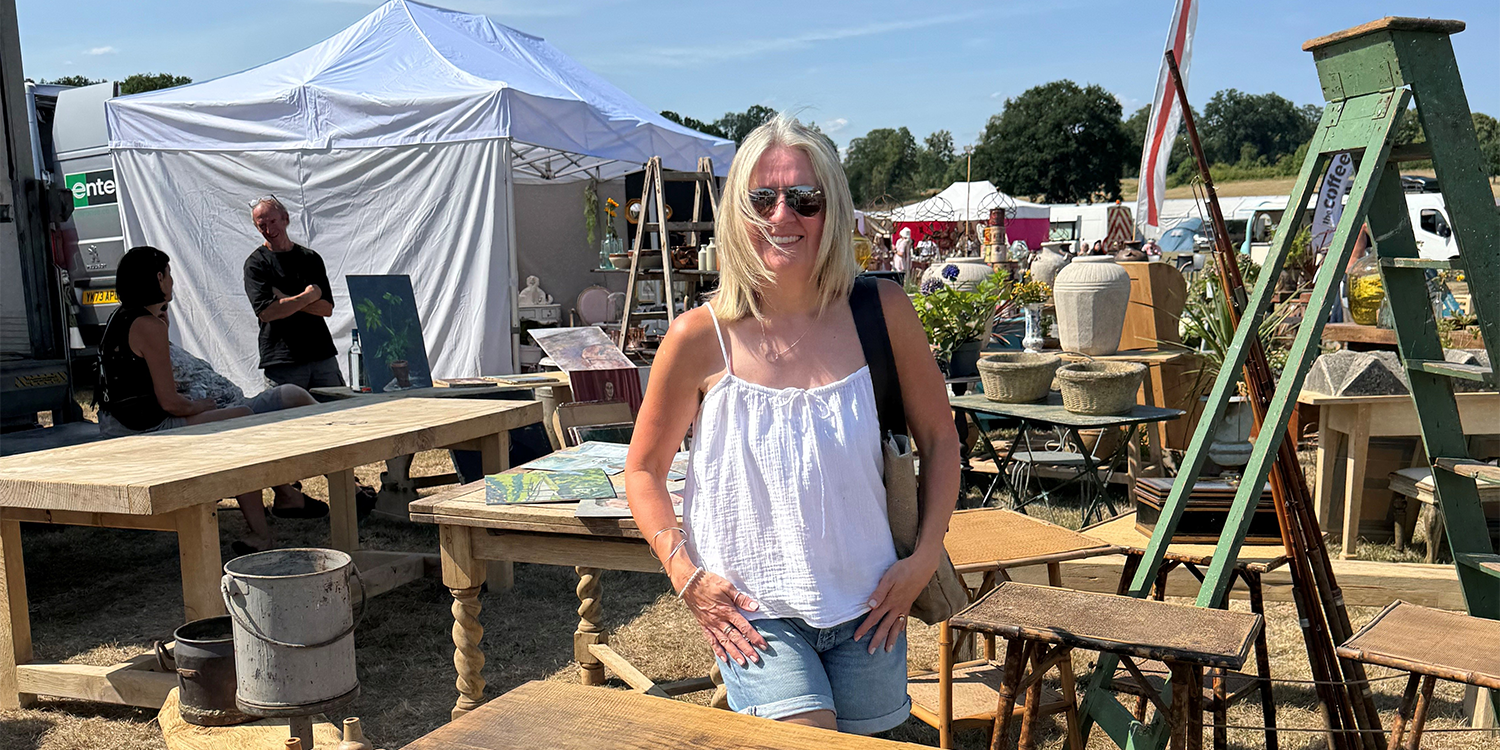
Interior designer Helen McClure believes every building has a story to tell. By uncovering the people, events and communities behind historic properties, she creates interiors that respect the past while helping homes begin their next chapter.
Just as every picture tells a story, so too does every building. Unearthing the stories behind the walls has helped Helen McClure to better understand the houses she works with, creating interiors that feel true to the original character of each property.
“By understanding how a house was built, who lived there and why spaces evolved, we can make more meaningful design decisions, from layout and flow to colour, materials and detailing,” she explains.
It has led Helen to uncover fascinating stories about the people, events and communities connected with the buildings she researches, revealing histories that might otherwise have gone unnoticed.
“I’ve always been fascinated with why we live where we do. That could mean the country we live in, the town or village or the type of building. So, uncovering the past isn’t about preserving something in aspic. It’s about understanding the context, the why, and helping home owners write the next chapter in the narrative.”
Helen’s background in contemporary history has shaped the way she approaches interior design. She has always been interested in social culture – how we grow, develop and what influences us.
“I’ve lived in Kuwait, the US, the UAE and Singapore, and in each country I’ve wanted to discover what makes a place tick, and why a place develops,” she says.
“When I lived in Singapore, I discovered fascinating stories about the Second World War and the British surrender, which happened a couple of hundred metres from where I lived. I followed the Union flag that was surrendered, which was then hidden during the war, flown again after the war, replaced when Singapore achieved independence, displayed in Charterhouse School in Godalming, which is near where I now live, and is currently on display in the Imperial War Museum.”
“I get excited about every piece of evidence I uncover. The grandeur of one large listed country house was hidden having been built as two small fam labourers’ cottages. Stories like this help us understand why buildings were created the way they were.”
Among the houses Helen has been researching recently is Forest Mere near Liphook, now home to Champneys Spa. Built between 1881 and 1892, the property has been shaped by its landscape, architecture and the people who lived there, beginning with its original occupant Sir Henry Cotton, who enjoyed a notable legal career.
In 1894, it became the home of Major Charles Orman and his wife Blanche, who formed a Guide company and became the first County Commissioner for Hampshire East. Their daughter Rotha attempted to join the Scouts and was among a group of girls who appealed directly to Robert Baden-Powell to create an equivalent organisation for girls. This helped shape the Girl Guides and became part of Forest Mere’s story. She later drove an ambulance during the First World War and went on to found the British Fascists in 1923.
The estate’s links with history continued through both world wars. Thousands of Canadian troops passed through Forest Mere, many losing their lives during the influenza outbreak of 1918. During the Second World War, it was used by the Women’s Royal Naval Service (WRNS), and later became a convalescent home for Canadian soldiers.
In the late 1950s, it was acquired by Kenneth Wood, of Kenwood food mixer fame, who transformed it into a health farm – a precursor to its reincarnation as Champneys Spa today.
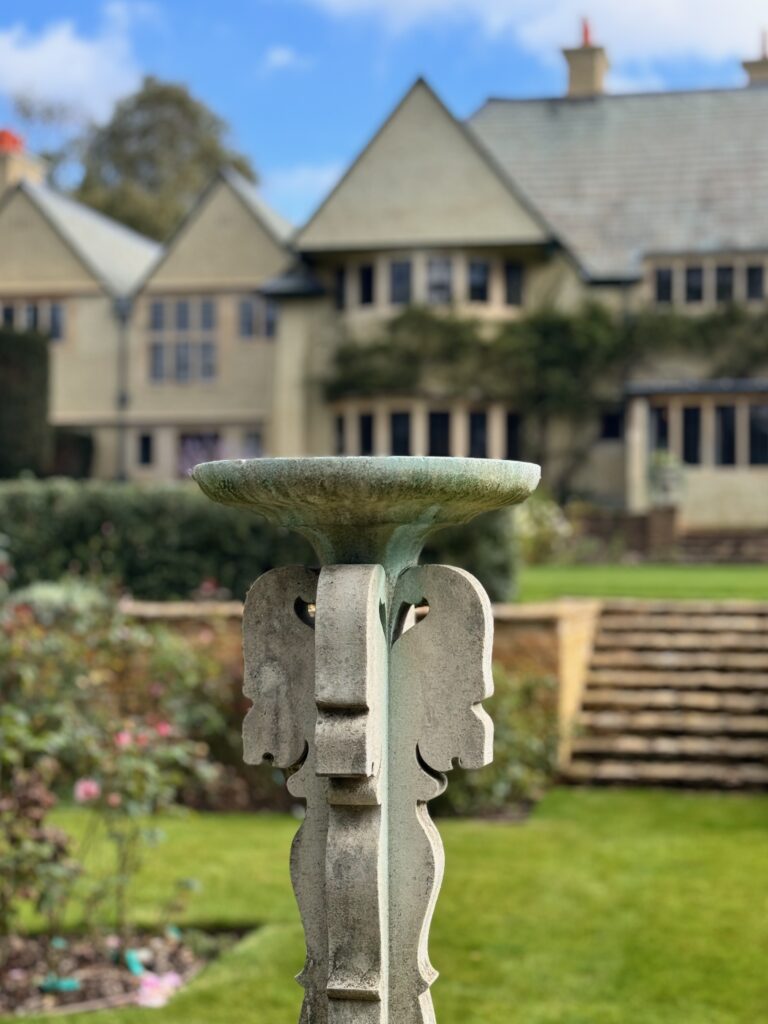
Godalming also boasts an abundance of buildings with stories to tell, including the modest Tudor townhouse at number 3 Church Street. Built in 1557, it is one of the earliest surviving townhouses. The traditional three-bay, narrow oak-framed property rises to three storeys with a brick cellar beneath and features remarkable craftsmanship, including original beams, chimney stacks and intriguing symbols once intended to ward off evil spirits.
Prior’s Field School has the appearance of a country house with its arches, buttresses and gables, yet has been a seat of learning for more than a century. Originally called Prior’s Garth, it was transformed into a progressive girls’ school in 1901 and opened the following year with one boarder and five day girls. Just six years later, it had grown to 80 boarders. While it has continued to evolve, it has retained its balance between design and purpose.
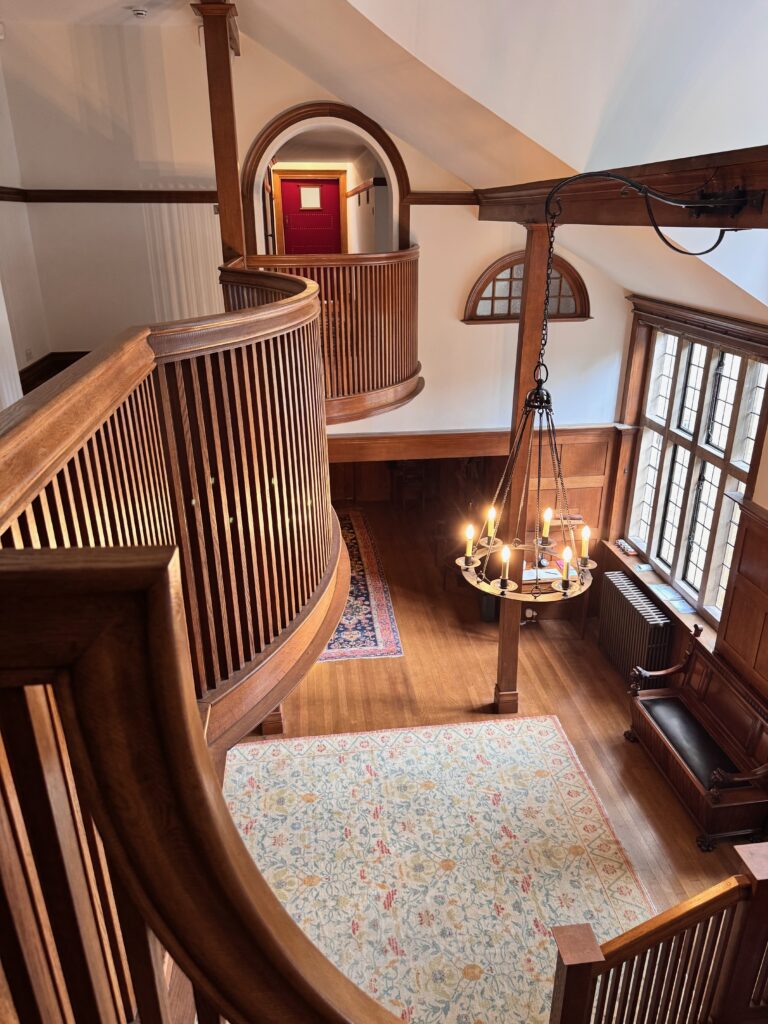
The value of beauty, craftsmanship and skills is also evident at Norney Grange near Godalming, designed and built between 1895 and 1898. It has had five owners, each leaving their mark, while the current owners are focusing on nurturing its 21 acres. The property may also look familiar, having featured in Midsomer Murders, Miss Marple: Nemesis and films including The Dig, The Darkest Hour and Wimbledon.
“Buildings are more than bricks and mortar,” Helen explains, “they are built for people and purpose. The purpose often changes, but that reflects the needs of the people living or working in it. The past has to be protected, but by nature, people are evolutionary and so are buildings.”
For Helen, understanding a building’s history is not about looking backwards – it is about creating homes that celebrate what came before while making space for the lives being lived inside them today.
Helen is the interior designer behind At Home by Design, a Surrey-based interior design studio specialising in creating interiors that reflect both a client’s lifestyle and the character of their property. Visit athomebydesign.co.uk, find her on Instagram @athomebydesign1 or email helen@athomebydesign.co.uk.
Share