Community & CharityOxfordshire
Was Wantage the Saxon equivalent of Sandringham?
A fascinating new historical interpretation explores Wantage’s possible role as a royal home in the West Saxon landscape, uncovering links to Alfred the Great, Lambourn and the wider story of early English royalty.
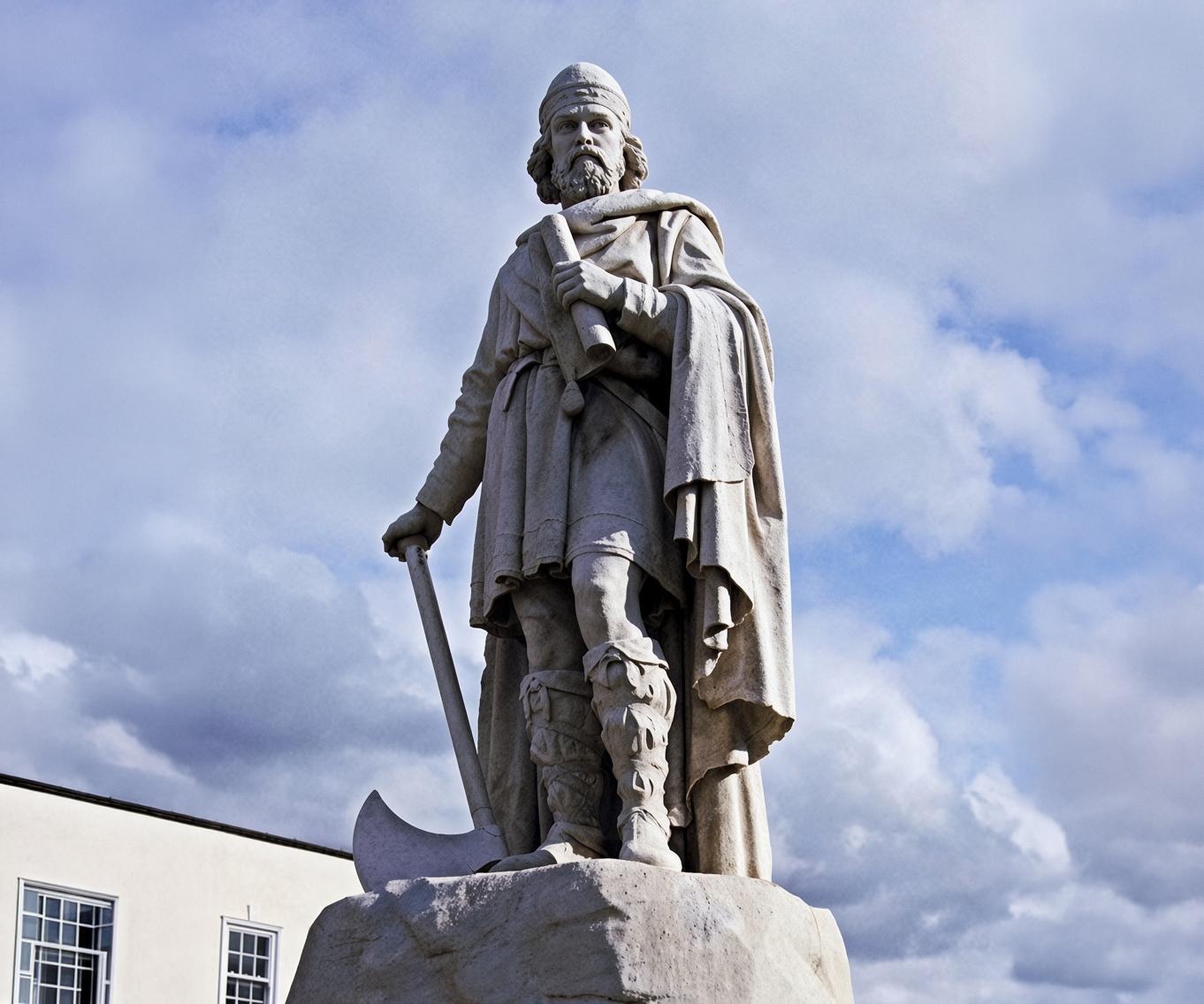
Wantage may have been more than the birthplace of Alfred the Great. A new historical interpretation suggests that it could have been an important royal home within a wider West Saxon landscape, stretching towards Lambourn and, in a later period, Headington.
The idea of Wantage as a “Saxon Sandringham” is a modern analogy rather than a historical title, but it raises intriguing questions about royal life, inheritance and the places that shaped early English history. Alfred’s biographer Asser records that the king was born at the royal estate of Wantage in 849. His will also bequeathed estates at Wantage and Lambourn, alongside Edington, to his wife Ealhswith.
Archaeological discoveries add another piece to the puzzle. Excavations at St Mary’s School in Wantage uncovered Saxon activity and rare imported pottery, which archaeologists say point to a high-status site nearby. However, these findings do not prove that Alfred’s hall or palace stood there.
Lambourn’s archaeological landscape includes Saxon settlement and a church thought to occupy an earlier Saxon minster site. Headington, meanwhile, was documented as a royal residence by 1004, although this does not establish a direct connection with Alfred. The theory leaves room for further research to distinguish fact from informed speculation.