Facebook
 Instagram
 Twitter
 Linkedin
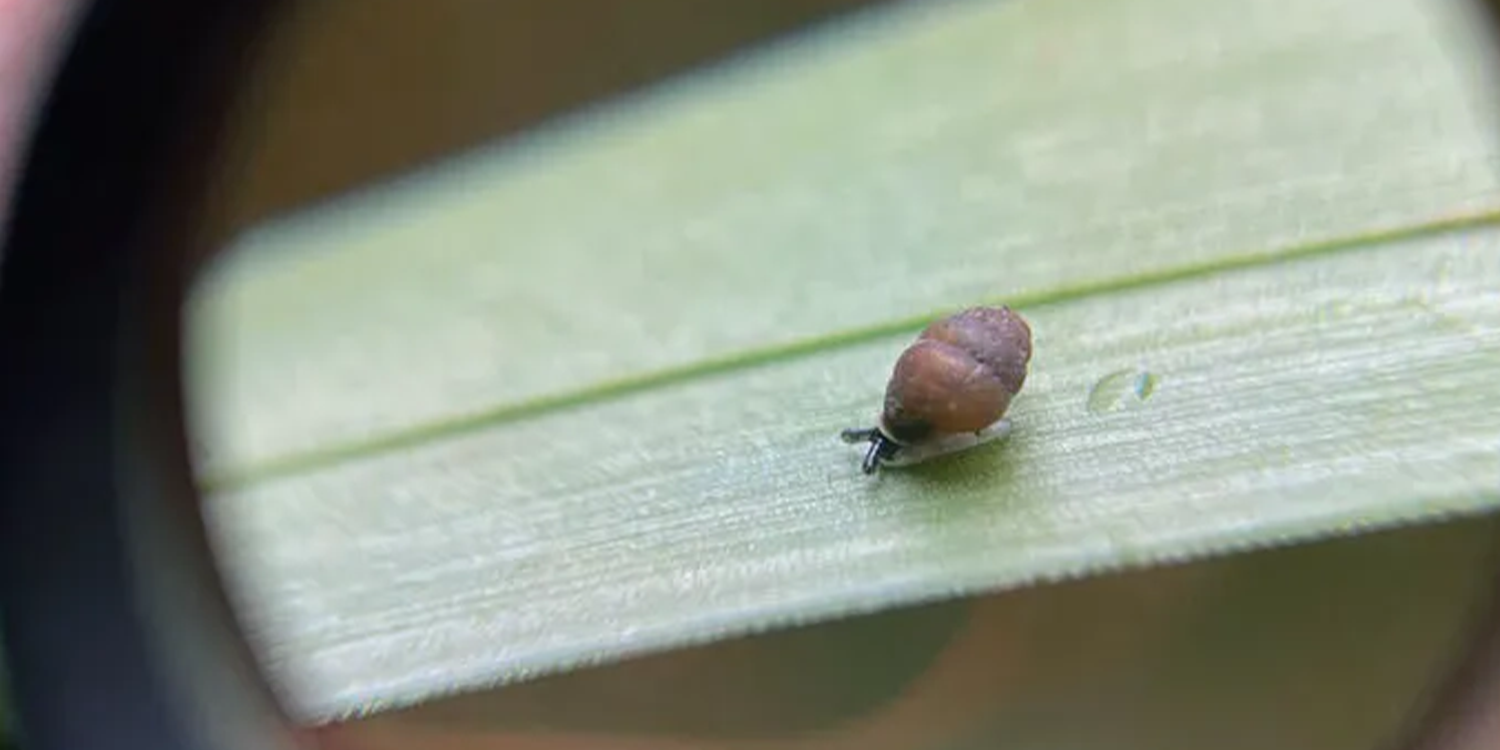
Longleat and Wiltshire Wildlife Trust have joined forces to protect the endangered Desmoulin’s Whorl Snail through habitat restoration and a pioneering captive breeding and reintroduction programme.
It may measure just two millimetres long, but the Desmoulin’s Whorl Snail is at the centre of an ambitious new conservation project in Wiltshire.
One of Britain’s rarest snails, the tiny wetland species has been recorded at just two sites in the county, in Warminster and Pewsey. Its presence is an important indicator of healthy wetland habitats, but fragmented populations and the loss of suitable environments have left its future uncertain.
Now Longleat and Wiltshire Wildlife Trust have joined forces to help secure the snail’s survival. Funded through Natural England’s Species Recovery Programme, the initiative combines habitat restoration with a world-first captive breeding and reintroduction programme.
Once found throughout the Hampshire Avon catchment, the snail now survives in small pockets of wetland and riverbank habitat in chalk areas. Climate change, changing land use and shifting water tables are among the pressures affecting the delicate environments on which it depends.
“We have an opportunity to make a real difference to a special species that is found right on our doorstep. The wetland habitats in which it lives have historically been lost as we have chased higher agricultural productivity. Creating space for one of our wetlands’ smallest residents also creates space for others, so we’re excited to get started,” says Dr Tom Lewis, Head of Conservation and Research at Longleat.
The project will restore vital wetland and riverbank habitats while establishing a conservation breeding centre for the species. The resulting population could provide a sustainable source of snails for carefully planned reintroductions.
However, a significant challenge lies ahead: the Desmoulin’s Whorl Snail has never been bred in captivity before. The team will be starting from scratch, with the knowledge gained potentially helping future conservation efforts in the wild.
“We were delighted to find two populations of the previously unrecorded Desmoulin’s Whorl Snail in 2025 in Warminster and Pewsey. Protecting a species that is only two millimetres long comes with challenges, especially when the delicate wetlands they rely on are facing extreme pressure from climate change and changing land use.
“Wiltshire Wildlife Trust are very excited to be launching this project with Longleat where we look to increase the numbers of the snails to actively reverse the decline whilst simultaneously creating resilient, healthy habitats where this tiny snail can thrive,” says Alice Eley, Head of Freshwater at Wiltshire Wildlife Trust.
For a creature so easily overlooked, the stakes are high. Protecting this tiny snail also means safeguarding the fragile wetland ecosystems it calls home, along with the many other species that depend on them.
Share