Win tickets to the Vineyards of Hampshire Fizz Fest 2026 at Hambledon Vineyard

Zoe Gater

wine

Fizz, food, and fine wine await! During English Wine Week 2026, one lucky reader can experience Hampshire’s ultimate summer wine festival – with exclusive access to tastings, masterclasses, and entertainment at the iconic Hambledon Vineyard.

To celebrate the 12th edition of its iconic Fizz Fest, Vineyards of Hampshire has teamed up with Round & About to give one lucky reader the chance to attend this sparkling celebration of local wine when it returns on Sunday 28 June 2026.

Hosted at the historic Hambledon Vineyard, widely recognised as the birthplace of modern English wine, Fizz Fest 2026 promises its most exciting programme yet. 

Guests can sample more than 20 premium wines and enjoy a full day of experiences, including guided tastings, masterclasses, entertainment, food stalls, and a lively after-party – all set against the beautiful Hampshire vineyard landscape.

Visitors can also taste wines and meet the producers from eight of Hampshire’s premier vineyards, including Black Chalk, Danebury Vineyards, Exton Park, The Grange, Hambledon Wine Estate, Hattingley Valley, Louis Pommery England, and Raimes.

For your chance to win, follow Round & About Magazine and Vineyards of Hampshire on Instagram, then like the post and tag who you’d love to bring along:

Tickets for Fizz Fest are on sale now, with general admission costing £35 per person.

For more information or to book tickets, visit vineyardsofhampshire.co.uk.

Terms & Conditions:

Open to UK residents aged 18+. One winner will receive two general admission tickets to Fizz Fest 2026 at Hambledon Vineyard; travel and accommodation are not included.

To enter, follow Round & About Magazine and Vineyards of Hampshire on Instagram and like and tag a guest on the competition post.

The winner will be chosen at random and contacted via Instagram DM; if they do not respond within 48 hours, another winner may be selected.

Tickets are non-transferable and no cash alternative is available.

The competition closes at 11:59pm on Tuesday 14 April 2026.

This promotion is not sponsored, endorsed or administered by Instagram.

Women and Wine: Five-star female winemakers worth celebrating

Round & About

wine

Women and wine – surely two of the best things in life? Giles Luckett raises a toast to some five-star female wine makers.

While the wine trade has a reputation as an old boys’ network, when it comes to winemakers, it’s increasingly egalitarian. Some of the most amazing wines
in the world are made by women, as these five-star wines show.

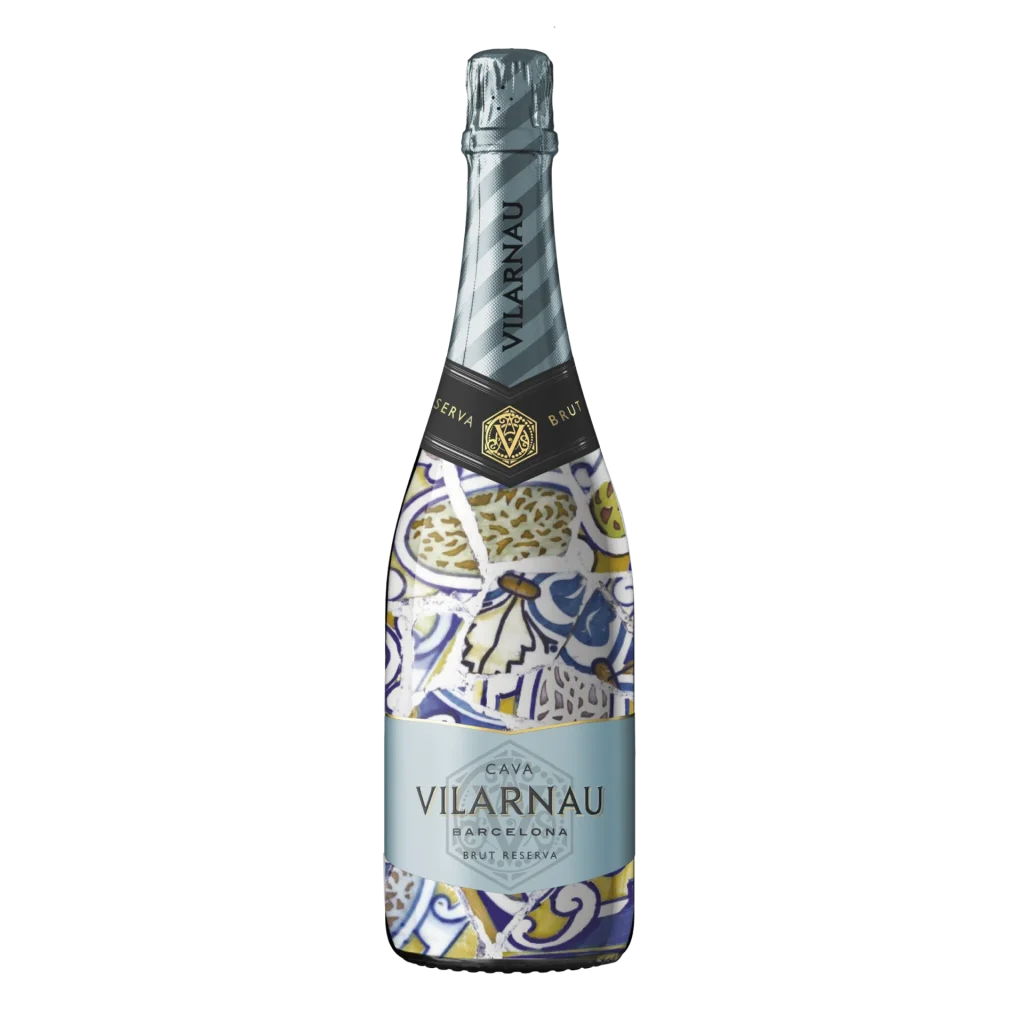
Eva Plazas Torné – Vilarnau

Eva Plazas Torné is a fantastically talented winemaker who’s helped make Vilarnau one of the best Cavas you can buy. Their range is extensive, and the 0.0% Rose is a knock-out alcohol-free wine, but for me, the star is the “Gaudi” Brut Reserva (Majestic £10).

Pale gold with tiny pearlescent bubbles, the bouquet is a complex blend of red, yellow, and green berries offset by toasty yeast. These themes continue on to the palate, where they are joined by spiced apples and brioche.

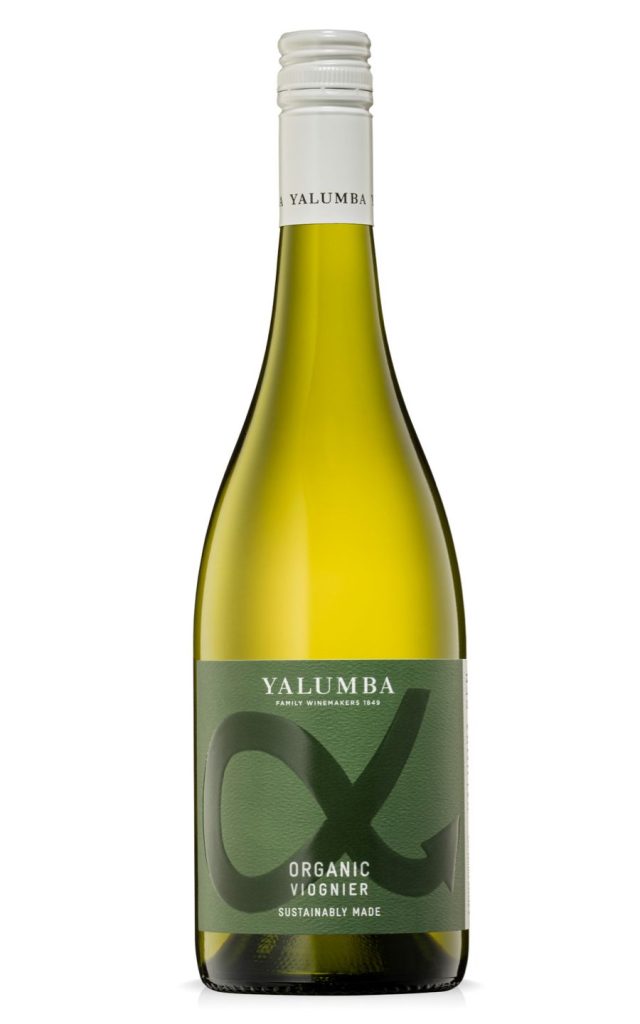
Louisa Rose – Yalumba

Yalumba is one of the great names of Australian wines, and Louisa Rose has taken the venerable producer’s wines to new heights. Wines like the Yalumba Organic Viognier (Waitrose £10) combine brilliance with value. 

Combining tropical fruit, apricots, and pears with fennel, honeysuckle, and white peppers, it’s exotic, yet easy-going. Pair this with roasted white meats or fish, and you’re in for a treat.

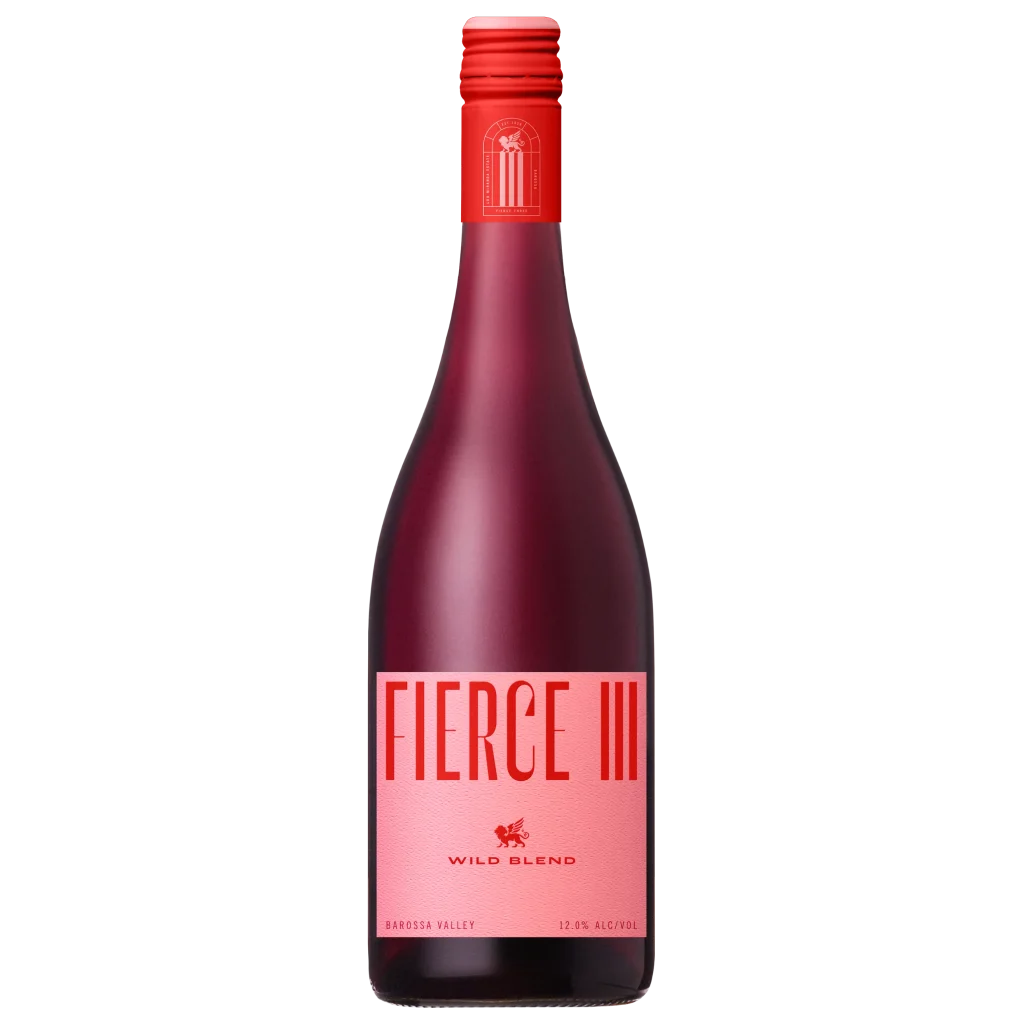
Angela Miranda – Lou Miranda Estate

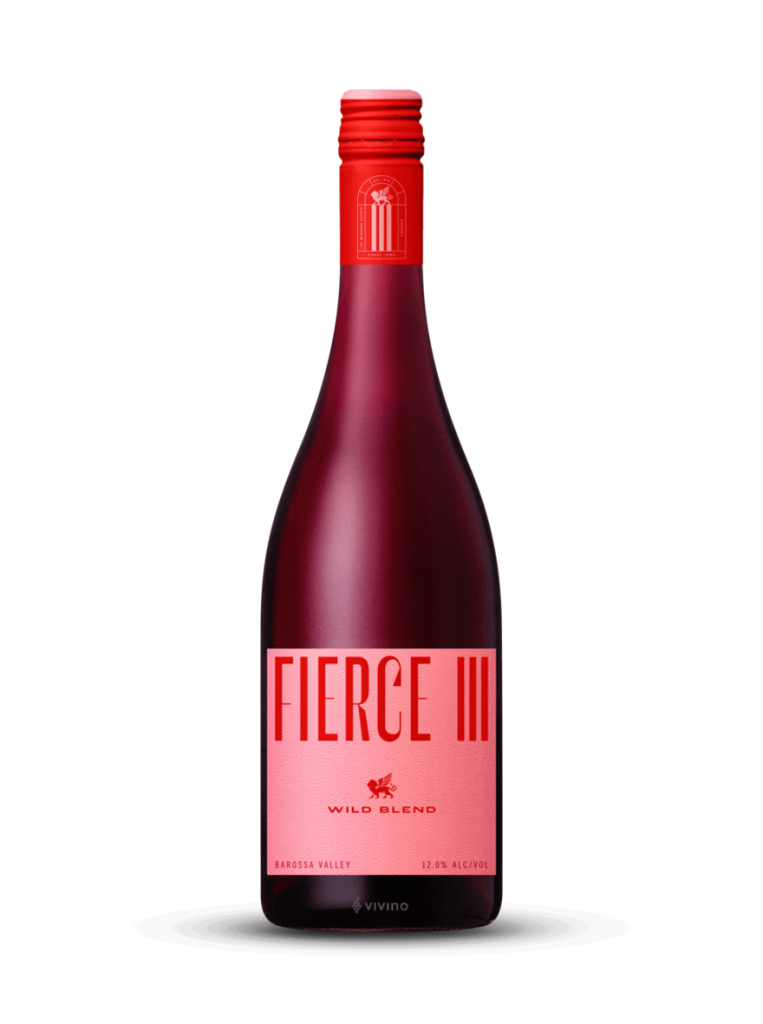
I’ll stay in Aus (I wish!) for my next wine, the Lou Miranda Fierce Wild Blend (Perfect Cellar £23.95). 

Angela Miranda has created something unique here. A red wine that drinks like a white that’s made from Shiraz, Chardonnay, Pinot Grigio, Merlot and Sagrantino. I had it lightly chilled and found its abundance of red berries, plums, and earthy spices offset by red apples and rose water tones. There’s a subtle hint of sweetness to the finish that make this an ideal partner to Thai food.

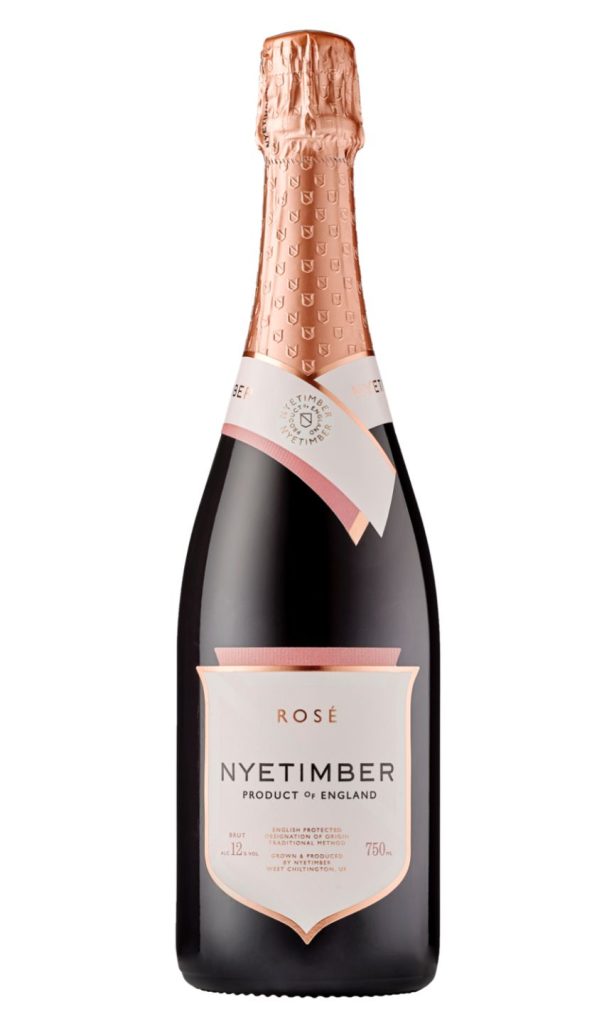
Cherie Spriggs – Nyetimber

Nyetimber is one of the great names of English wine. Cherie Spriggs and her team craft world-class wines that have significantly raised the bar for English fizz.  Over Christmas, I had the Nyetimber Rosé (Waitrose £46) for the first time, and I was blown away. 

Marrying red berries, blossoms, and creamy with chalk minerals, it has delicacy and nuance, but the underlying intensity lends it power and presence. I had this with smoked fish, but I can see it working well with lamb or charcuterie.

Gaia Gaja

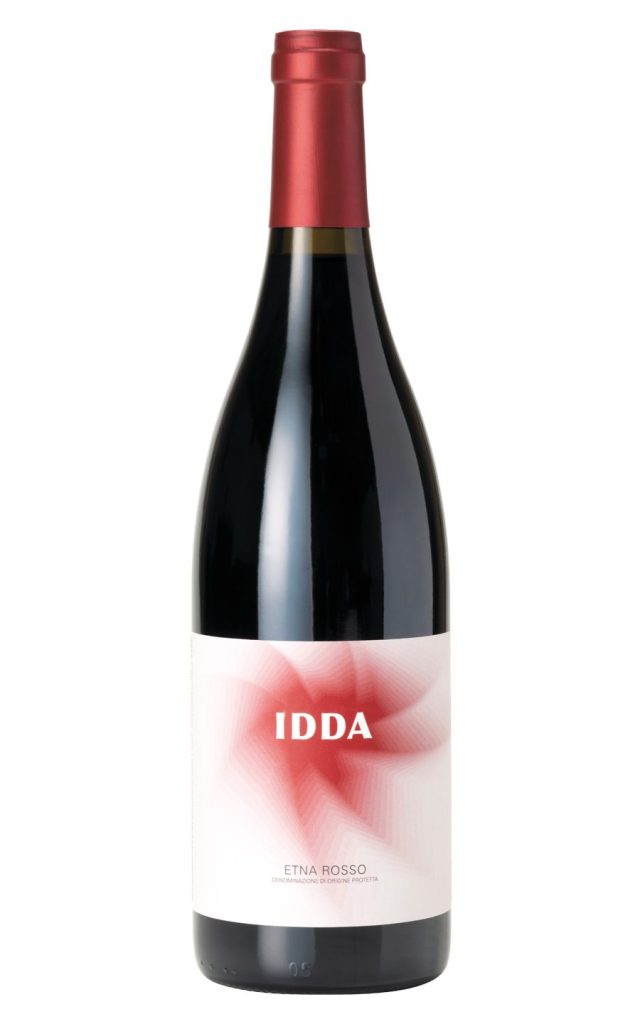
Winemaking dynasties don’t come much bigger than Gaja. The first family of Italian wine made their name with their astonishing Barbaresco and Barolo, but in recent years, they’ve moved into other areas. Winemaker Gaia Gaja now oversees the production of a range of exceptional wines, including the Sicilian Etna IDDA Rosso (Perfect Cellar £39.95). 

Bright ruby, violet, black cherry and mulberry notes soar from the glass. In the mouth, it’s ripe and gentle, with cherries and plums accompanied by savoury tomato leaves and oregano. Try this with tomato-rich dishes, meatballs, or a veggie lasagne.

Next time round, I’ll hopping into spring with the best new season wines.

Cheers!

Eight wines to fall in love with this Valentine’s Day

Round & About

wine

Round & About’s wine columnist shares his love of wines and picks out eight bottles that will steal your heart.

Oh, For The Love Of Wine…

It’s February, so it’s time to talk about love. What Saint Valentine would make all of this, I can only wonder. Being a celibate bishop who became the patron saint of beekeepers, logistics and epileptics, you’d have thought his interests lay elsewhere… 

Whatever the case, Valentine’s Day is a good excuse to celebrate a love of wine, and these beauties are worth rejoicing in.

Fizz

First up, a fizz. The Graham Beck 2019 Rosé (Majestic £21 on a mixed six). While the Graham Beck Rosé (Waitrose £14) is my house fizz, the 2019 rosé is my celebratory fizz of choice. Made from 100% Pinot Noir and given extended bottle age, there’s a wonderful intensity to this wine. 

The bouquet charges from the glass, bringing raspberries, redcurrants, strawberries, and lime cream. These are all present in the mouth, joined by grapefruit, lemon, and a savoury, biscuity edge. All Beck’s wines are impressive, but with this, they have taken New World fizz to new heights.

White wine (with a Provencal detour)

Over the last year, I’ve fallen for Sicilian wines. Historically, I’ve found them to be good value, but rarely worth writing home about. Discovery wines from producers such as Mandrarossa are definitely worth shouting about, though. I’ve had half a dozen of their wines, and all have been superb. 

One of their best whites is their Fiano (Vinum £12.65). Fiano is an increasingly widely planted grape owing to its love of heat, yet it gives wines that are bright, crisp, and packed with flavour. 

Mandrarossa’s is a delight. Pale green gold, floral and citrus aromas are followed by piercing flavours of pear, green apple and white peach, married to a custard apple tone toward the finish. A stylish aperitif, it would be sublime with shellfish, white fish or creamy mushroom dishes.  

P.S. I was tempted to recommend the Mandrarossa Nero d’Avola (Loki £13.99) or the Bonera (Svinando £15), both of which are dazzling wines that combine quality and value.

Provence is best known for its rosés, but it’s also an area that produces exceptional red and white wines.  Production-wise, these are bit players, the whites accounting for less than 5%, but when they are good, they are amazing. 

Take the Domaine de la Croix Cuvee Irresistible (Perfect Cellar £19.95). Produced from Rolle (Vermentino), this pear and nectarine flavoured wine gently balances richness with freshness, fruit with savouriness, and approachability with style. Beyond the ample orchard fruits lie minerals, peach stones, and clean lemon acidity – just the thing to serve with oysters or chicken.

Rosé wine

Sangiovese rosé is a rarity. No, let me rephrase that. Good Sangiovese rosé is a rarity. Lake Garda-filling amounts of dross abound, wines with all the character and charm of the Oxford ring road at rush hour. The Icario Nysa Rosato 2024 (Perfect Cellar £21.56) is a great Sangiovese rosé. 

Plump and juicy, it harnesses Sangiovese’s cherry and herb tones while trading its customary stalky bitterness for a damson juiciness. With its peachy texture and clean citrus acidity, it’s everything you could want in a rosé. Lovely on its own, I’ve had it with cheese tartlets, smoked fish, and salty hors d’oeuvres, and it’s always proved a marriage made in heaven.

Red wine

Red wine is supposed to be good for the heart, in which case I’m in cracking cardiac condition. A red that always gets my heart beating faster is the Achaval Ferrer Malbec (Hic! £22). Created from fruit from selected plots across the Cuyana province, this is Malbec at its most alluring. 

Deep violet, from the off you get a sense of purity and freshness. Floral and black fruit notes dominate the bouquet, and these seep onto the palate. The blackberry, plum, cherry and chocolate flavours are lifted by fragrance and anchored by liquorice and the silky, dry tannins. The overall effect is mesmerising and leaves you wanting a refill. Enjoy this with a steak or a rich tomato-based dish.

Want to spice up your night? Reach for a bottle of Journey’s End Griffin Syrah 2016 (Ocado £24).  Journey’s End’s decision to call this Syrah rather than the more commonly used Shiraz is appropriate. This is a refined, nuanced, old-world-facing wine that has more than a passing resemblance to a fine Rhône. Plum coloured, the nose is gentle yet full, with black fruits, flowers, leather, and spices combining harmoniously. 

This gentility extends to the palate, where the plummy, blackberry and cherry tones are given lift by cranberry and currants, and depth by black pepper, earth, and cooked meat. Give it a couple of hours open and serve with hearty foods such as spiced sausages, casseroles, and slow-roasted veg.

I fell in love with Yalumba’s wines back in my Harrods days. Over the years, I’ve tried most of their range, but one I keep coming back to is the Vigil (Waitrose £30). A blend of Cabernet/Shiraz aged in oak for 22 months, it could easily become too much of a good thing.

The charm of this is that it’s restrained, subtle and detailed. Inky blue-black, the nose is an intricate mix of cassis, red berries, smoky vanilla, mint and herbs. In the mouth, there is an initial surge of spiced black fruits, but there’s an undercurrent of cherries, prunes, peppers, and cranberry acidity. Ideal for a well-cooked red meat, it would also pair brilliantly with game or a veggie lasagne.

Champagne

I can’t talk about Valentine’s wines and not recommend a Champagne. What if you’re popping the question?  You don’t want to look back and say we celebrated with a bottle of Tesco Cava, do you? I recently re-tasted the Cattier Premier Cru Rosé (Majestic £42 on mixed six), and it was a delight. 

This family-owned house has been producing champagne for over a century, with their wines being renowned for their fruitiness, generosity, and precision. It opens with a heady summer pudding nose with yeasty tones adding interest. 

Soft and juicy, on the palate there are plenty of strawberry, blackberry, and redcurrant notes, with citrus and a slight, dusty chalkiness on the long, lingering finish. Serve this lightly chilled on its own, or with salmon, pork, or prawns.

Well, here’s to the love of wine. Next time out, I’ll be looking at wines for Easter.

Cheers!

Giles

Best Australian Wines For 2026

Round & About

wine

With Australia Day on the horizon, Round & About’s wine columnist Giles Luckett picks his Australian wines for 2026.

Hello.  Australia Day is on the 26th of this month, so it’s time for my annual celebration of Australian wines.  This year, the ones that are helping banish my January blues are better and more diverse than ever as the Australian wine scene continues to surprise and delight.  So, get the (indoor) barbecue fired up, stick Men At Work on (I know the lead singer’s Scottish) and celebrate the best wines from a Land Down Under. 

I’ll start with a fizz, the Jansz Rosé (Noble Green £18.50 on a mixed 6).  One of the spectacular tastings I ever attended was a 30-bottle flight of sparkling wines overlooking the Tasman Sea.   An extensive selection of Jansz wines was on show, and while all were excellent, the rosé really wowed me.  It possessed all the green and white fruits and yeasty character that made the white so impressive but had a savoury raspberry and dried blackberry tone that was even more diverting than the view.  A stunning wine, it’s rarely out of my cellar. 

Yalumba is one of the great names of Australian wines.  Family-owned, winemaker Louisa Rose has taken this venerable producer’s wines to new heights.  I often find myself turning to their Viogniers for their joy-inducing abilities.  My go-to wine is the Yalumba Organic Viognier (Waitrose £10), which combines brilliance with value.  This year, having proved particularly testing (two rescue kittens entering the home of the world’s largest, most enthusiastic spaniel has proved a marriage made in hectic Hell), I’ve treated myself to some of the Samuel’s Collection Eden Valley Viognier (West End Wines £16.50).  Combining tropical fruit, apricots, and pears with fennel, honeysuckle, and white pepper, it’s exotic and full-bodied, yet easy-going.  Give this a couple of hours open and pair with roasted white meats or fish, and you’re in for a treat. 

Australian Chardonnay is a wine with a story to tell.  A breakthrough wine in the mid-1980s, by the early 1990s ‘bottled sunshine’ as it became known helped give rise to the ABC (anything but Chardonnay_ movement of the early 1990s.  Over-extraction and more oak than the New Forest saw its fortunes fall as quickly as they had risen.  Many years of soul (and soil) searching by visionary producers saw a renaissance in its fortunes and the emergence of gems such as the Robert Oatley Finisterre Chardonnay (The Good Spirits Company £26). 

Complex and energetic best describe this striking wine.  From the off, there’s a fascinating tension between richness and zest.  The nose offers tropical fruits and honey offset by lemon and lime, Granny Smith apple and the smoky tone of a struck struck match.  It’s the same on the palate.  Generous quantities of honey-glazed melon, peach and mango are balanced by white currant, lemon, and grapefruit.  Serious and delicious, serve this with seafood, gammon or mushrooms. 


I’ll stay with Robert Oatley for my first red, the Finisterre Grenache (York Wines £21.25).  Grenache held promise as a fine wine grape in Aus for years, but it’s only in the last decade that it’s kept that promise.  Keeping this naturally high-cropping variety’s yields down and planting on cooler sites has allowed it to show its Pinot Noir-like nobility.  Dark ruby with a welcoming nose of cherries, strawberries, mulberries, and musk, at first taste, it’s surprisingly taut and savoury.  Give the glass a swirl and flavours of strawberry, cherry, and raspberry come through, accompanied by aniseed twists and earth before the firm, grippy finish.  A class act, it’s got time on its side, but it would be brilliant with lamb or rich veggie dish like roasted aubergines. 

I could hardly celebrate Australian wines and not rejoice in a Shiraz.  Well, I could, but it would feel about as complete as HS2.  Shiraz is another grape that’s been on a journey, and I don’t just mean to the winery.  The ethos was once the bigger the better.  Extract all you can, let alcohol levels soar, and chuck in a barrel-load of oak.  While the resulting wines were often great fun, they were about as subtle as party political broadcast.  Today, Shiraz is treated with the respect it deserves, and the best wines have algebraic complexity combined with lip-smacking levels of satisfaction. 

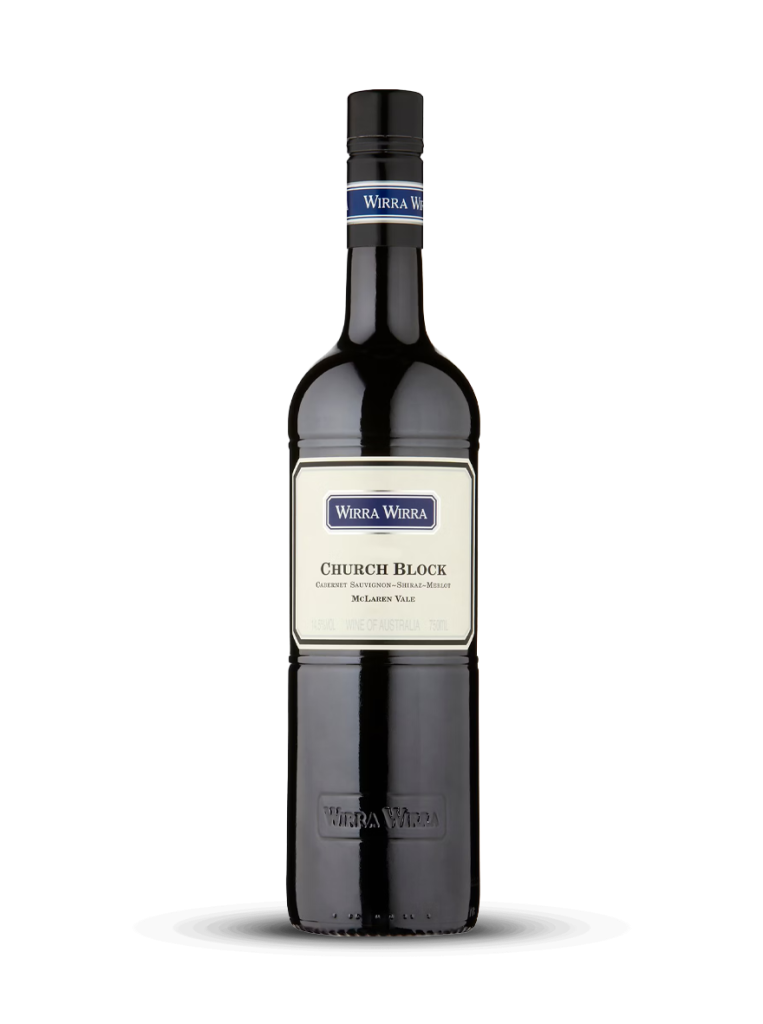
Wirra Wirra’s Church Block (Waitrose £15.75) is a fine example of modern Shiraz.  Inky purple, aromas of crushed currants, peppers, pepper and eucalyptus soaring from the glass.  The palate, though, is far less explosive, being cool-headed and measured.  Layers of juicy black berries, plums, and tangy cranberries form the foundations, while herbs, sour cherries, spices, chocolate and charcoal provide a delicious overlay.  Smooth as silk and round as a marble, it’s a must-try with hearty meat pies, pâte, and full-on cheeses.  

Lou Miranda’s wines were one of my big discoveries of 2025.  This family-owned and run Barossa estate creates a range of exciting and innovative wines that marry tradition with innovation to impressive effect.  The Lou Miranda Fierce Wild Blend (Perfect Cellar £23.95) is a perfect example of this.  Angela Miranda has created something unique here.  A red wine that drinks like a white that’s made from Shiraz, Chardonnay, Pinot Grigio, Merlot and Sagrantino.  I had it lightly chilled and found its abundance of red berries, plums, and earthy spices offset by red apples and rose water tones.  There’s a subtle hint of sweetness to the finish, and the lowish alcohol (12%) means it would make an ideal partner to Thai food or something piquant and creamy like an Italian cheese risotto. 

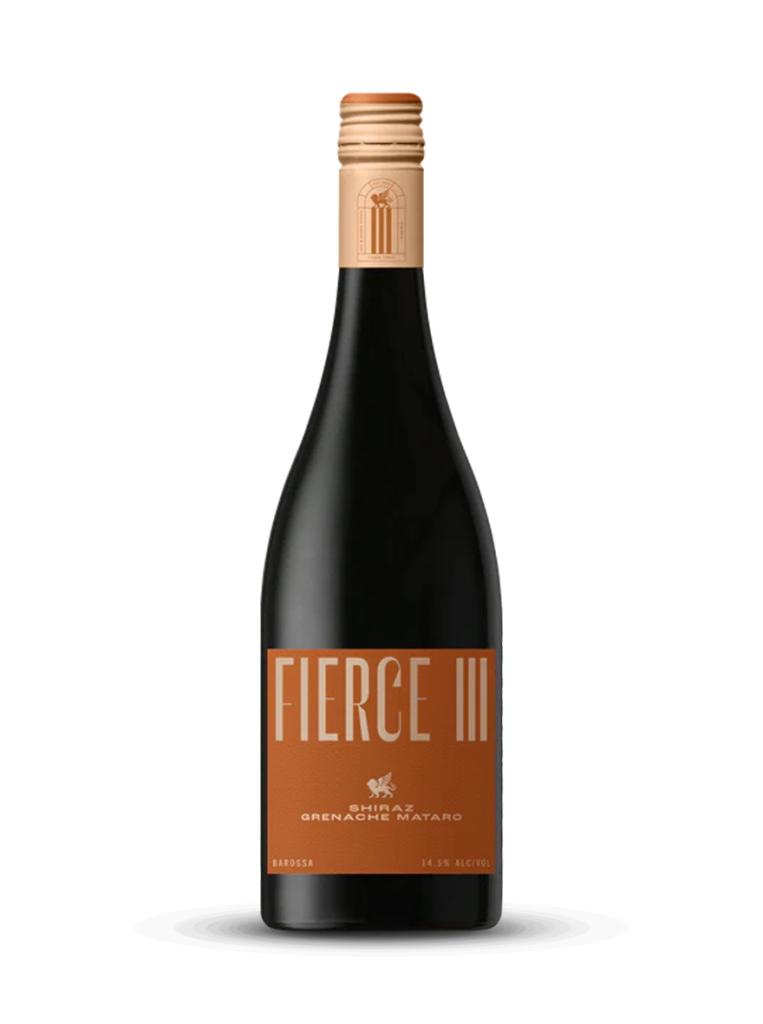
Grenache features in my next recommendation, the Lou Miranda Fierce SGM (Perfect Cellar £24.26).  Created using Shiraz, Grenache, Mataro, this is a mighty mouthful.  Very deep, with smoke, charcoal, black fruits, and red berries dominating the nose, with menthol balsamic coming up the rear.  Restrained and purposeful, in the mouth it’s fullish, earthy, with lots of toasty oak giving the sweet black fruits a charred character.  At the finish, there are dry, dusty tannins, plenty of juiciness and a herby, savoury note.  It’s one of the most thought-provoking reds I’ve had in a long time and one I will certainly be looking at again. 

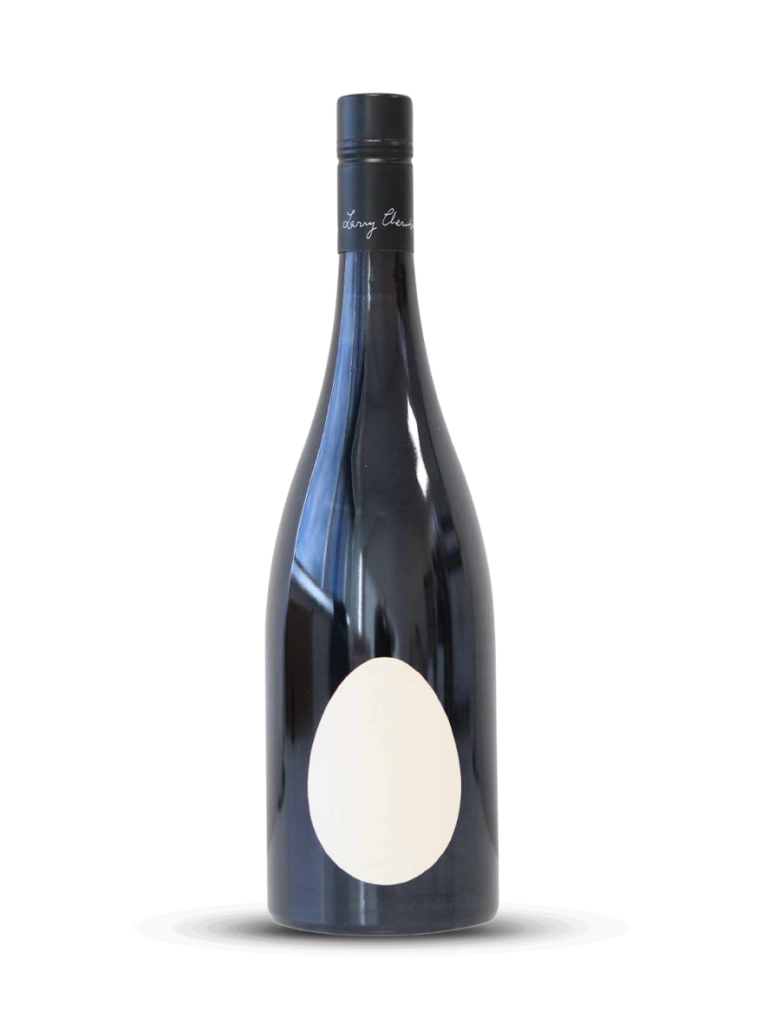
I’ll finish with a flourish in the delightful shape of another new discovery, and an undoubted work of genius.  It’s the Uovo Nebbiolo Cabernet 2023 (Oxford Wine Company £21.75) from Australian wine legend, Larry Cherubino.  Personally, I’d never have thought of putting Piedmonte’s Nebbiolo with Bordeaux’s Cabernet, but that’s one of the many reasons that Larry was awarded the 2023 Outstanding Wine Producer Award at the International Wine and Spirit Competition and I wasn’t. 


This mesmerising wine is dominated by the Nebbiolo.  The nose of cherries, roses, raspberries, and liquorice are all classic tells, and the savoury, sophisticated dried black fruits, black cherries, leather and earthy spices are similarly typical.  In the shadows, however, the Cabernet brings blackcurrants, mint, and pepper, a contrast that is striking, yet feels natural.  Powerful and elegant, it was superb with a block of Manchego, but it would be brilliant with tomato-rich dishes or cured meats. 

Next time, I’m all about the love of wine. 
 Cheers! 
Giles 
Champagne is the elixir of life!

Round & About

wine

Round & About’s wine critic Giles Luckett hails Champagne as the elixir of life & serves five to try

Champagne and Heart Health: The Scientific Backing

It’s official: champagne is good for your health and can help prevent sudden cardiac arrest. This latest finding comes from the Canadian Journal of Cardiology, not some viral post on social media. Inspired by this uplifting news, I’d like to recommend some champagnes that feel like a celebration all on their own.


Bruno Paillard Première Cuvée Extra-Brut: A Classic Favorite

First up is the Bruno Paillard Première Cuvée Extra-Brut (Hedonism £44). Founded in 1981, Bruno Paillard quickly earned a reputation for excellence. I first tasted it in 1994 while at Laithwaites, and it has remained a go-to wine ever since. This blend of Pinot and Chardonnay uses 25% barrel-fermented base wine, adding richness and nuttiness. You’ll notice elegant peach, pear, brioche, and lemon tones. It tastes glorious on its own and pairs beautifully with baked fish, fresh seafood, and poultry.

Click here.


Pol Roger Réserve: Reliable and Joyful

Pol Roger Réserve (Songbird Wines £50.50) always brings joy. This classic blend features equal parts Pinot Noir, Chardonnay, and Pinot Meunier. Its white-gold color sparkles with fine bubbles, while orchard fruits, summer berries, and creamy yeast aromas rise from the glass. Medium-bodied, it balances soft yellow and tangy red fruit notes, vanilla spice, and a hint of salinity. The finish is long and dry, making it a reliable, comforting choice.

Click here.


Taittinger Brut Réserve: Elegant and Intense

Taittinger Brut Réserve (Majestic £35 on a mixed six) is never absent from my cellar—except when it’s chilling in the fridge. Known for its elegance, this champagne also has substance. Its white-gold color hosts tiny, graceful bubbles. The bouquet offers classic scents of apple, peaches in syrup, red berries, and brioche. On the palate, pear and berries dominate, while citrus, hazelnut, and saline notes add complexity. It pairs perfectly with Dover sole.

Click here.


Rosé Champagnes: Double the Celebration

If champagne lifts your spirits, rosé champagnes do it twice over. While I’m not a clinician, I find Veuve Clicquot Rosé (Tesco £57) truly life-affirming. Its mid-pink color features subtle amber shades. Aromas include summer berries, cream, apricots, and spices. On the palate, it’s elegant yet rounded, with red and black berry fruit, tangy citrus, and mandarin orange flavors finishing on a toasty note. Pink lamb and game birds make ideal food matches.

Click here.


Piaff Brut Rosé: Bursting with Joy

The PIAFF Brut Rosé (Champagne PIAFF £42.50) delivers exuberance. Raspberries, loganberries, redcurrants, and floral notes leap from its rose-petal body. In the mouth, red and black fruits mingle with hints of violets, creamy yeast, and crunchy, chalky minerals. This wine is perfect for summer parties.

Click here.


Laurent-Perrier Ultra Brut: A Challenging Delight

For a wine that stimulates both mind and palate, try the Laurent-Perrier Ultra Brut (The Finest Bubble £66). At first tasting, I found it severe, lean, and punishingly dry compared to other Brut champagnes. But over time, I grew to respect and adore it. Its ultra-low residual sugar (0.9 g/l) and six years of bottle aging create a unique experience. This white-gold wine offers aromas of green apple, white peach, and flint. Flavors of lemon, grapefruit, white raspberries, and green apple follow. Bottle aging mellows these, adding nutty yeastiness and a honeyed mouthfeel. Serve chilled as an aperitif or with white fish, poultry, or roasted artichokes in butter.

Click here.


Blanc de Noirs: A Hidden Gem

Blanc de Noirs champagnes took me a while to appreciate. Many are produced cheaply, which gives a poor impression. But some fine houses make excellent Blanc de Noirs with healthy proportions of Pinot Noir. Take Champagne Palmer Blanc de Noirs (Finest Bubble, £50). A 50-50 blend of Pinot Noir and Meunier, aged five years in bottle, it’s beautifully structured. Expect white and yellow-skinned fruits, with red berries in the background alongside yeast, spearmint, and vanilla essences.

Click here.


Blanc de Blancs: Refinement and Power

Blanc de Blancs champagnes use only white grapes, known for their refinement. The Ruinart Blanc de Blancs (N D John Wines £79.95) balances style and substance perfectly. Its nose blends pure white fruits with vanilla foam, hazelnuts, and hawthorn flowers. Initially fresh and clean, cellar aging adds richness with almonds, honey, lemon peel, and yeast. It’s sensational with seafood and pairs well with pâté or game birds.

Click here.


Moët & Chandon Collection Impériale Création N°1: The Ultimate Experience

Finally, the Moët & Chandon Collection Impériale Création N°1 (The Finest Bubble £194) blends seven remarkable vintages. When I tasted it last year against Dom Perignon 2012, I preferred this one. It shares Dom Perignon’s sumptuous texture and dazzling complexity. Layers of white and red berry, pear, melon, lemon, and green apple mingle with mineral, floral, and spicy notes. This wine shines with pink fish, lamb, or monkfish.

Click here.


A Toast to Health and Celebration

All this talk of health has inspired me to do some exercise. I might even visit the surgery to see if they’ll prescribe some champagne.

Wine

To read more Round & About, click here.

Champagne is the Elixir of Life!

Round & About

wine

Round & About’s wine critic Giles Luckett hails Champagne as the elixir of life & serves five to try

It’s official. Champagne is good for your health and can help prevent sudden cardiac arrest. That’s the latest finding from the scientific community regarding wine. Unlike that one about Burgundy being a cure for leprosy, this comes from the Canadian Journal of Cardiology, not a post on X. Considering this life-affirming news, I thought recommend some champagnes that are a celebration in themselves.

Bruno Paillard Première Cuvée Extra-Brut

Champagne Bruno Paillard Premiere

First up is the Bruno Paillard Première Cuvée Extra-Brut (Hedonism £44). Bruno Paillard was founded in 1981 and quickly earned a reputation for excellence.

I first tasted it in 1994 while at Laithwaites, and it’s remained a go-to wine. A blend of Pinot and Chardonnay, 25% of the base wine is fermented in barrel, adding richness and nuttiness to the elegant, peach and pear, brioche and lemon tones. Glorious on its own, it’s sublime with baked fish, fresh seafood and poultry.

Pol Roger Réserve

Pol Roger Réserve (Songbird Wines £50.50) is always a joy. A classically styled wine comprising of equal parts of Pinot Noir, Chardonnay, and Pinot Meunier, there’s something comfortingly reliable about this wine.

White gold with fine, pearlescent bubbles, scents of orchard fruits, summer berries, and creamy yeast rise from the glass. Medium-bodied with a delicious mix of soft yellow and tangy red fruit tones, vanilla spice, and a touch of salinity, provides a savoury balance to the long, dry finish.

Taittinger Brut Réserve

Next, we have a wine that’s never out of my cellar – unless it’s in the fridge, that is – the Taittinger Brut Réserve (Majestic £44 on a mixed six). Renowned for its elegance, Taittinger is a wine of substance too. The attractive white gold colour is broken up by tiny bubbles that seem almost languid in their graceful rise through the wine.

The bouquet is that classic apple, peaches in syrup, red berries and brioche that you’d expect from Taittinger, but the palate’s weightier and brings more intensity than you might expect. Pear and berries dominate the stage, but citrus, hazelnut, and saline traces create a complex, deliciously refined wine that went down perfectly with a Dover sole.

Veuve Clicquot Rosé

Veuve Cliquot Brut Rose Champagne

Following the logic that champagne will leave you feeling in the pink, then surely that goes double for rosé champagne. While I’m no clinician, I do find a glass or two of Veuve Clicquot Rosé (Tesco £57) life-affirming. Mid-pink with subtle shades of amber in the background, the bouquet offers a delightful mix of summer berries, cream, apricots and spices.

On the palate, it’s elegant yet rounded, the red and black berry fruit suffused with tangy citrus, and mandarin oranges before finishing on a toasty note. While this is a super wine on its own, I’ve always found it better with foods – pink lamb and game birds being particularly good.

This is one of the most exuberant rosé champagnes I’ve had in a long time.

PIAFF Brut Rosé

Champagne Piaff Rose Brut

While the Veuve Clicquot is all about elegance, the PIAFF Brut Rosé (Champagne PIAFF £42.50) is all about joy. This is one of the most exuberant rosé champagnes I’ve had in a long time.

Raspberries, loganberries, redcurrants, and flowers leap from its rose-petal body. In the mouth, it offers a jumble of red and black fruits with diversion added by hints of violets, creamy yeast, and crunchy, chalky minerals—the thing for a summer party.

Laurent-Perrier Ultra Brut

Champagne

Looking for something that stimulates the mind and the mouth? Then the mighty Laurent-Perrier Ultra Brut (The Finest Bubble £66) is for you. I’ll be honest, the first time I tasted this as part of a champagne tasting, I absolutely hated it. Severe, lean, and punishingly dry compared to the other wines, which were all Brut (dry) wines, I wondered why anyone would want to drink such a wine.

Over the years, I came to respect, understand, and finally adore it. There’s a purity to this style of wine, the ultra-low level of residual sugar of around 0.9 grams per litre (the Laurent-Perrier Rosé has 10 grams per litre) and six years of bottle age (up from four when I first tasted it) make for a fascinating experience. White gold, aromas of green apple, white peach, and flint are followed by flavours of lemon, grapefruit, white raspberries, and green apple.

On their own, this would make for a pretty stiff wine, but the long bottle ageing mellows the mix and adds a nutty yeastiness and a honeyed mouthfeel. Serve chilled as an aperitif, or with white fish, poultry, or roasted artichokes in butter.

Palmer Blanc de Noirs

Champagne Palmer

Blanc de Noirs is a style of champagne that it took me a while to become fond of. I think it was because so Blanc de Noirs are produced to meet a low price point. The option to make a wine based on (or exclusively from) the high cropping Pinot Meunier making commercial sense if leaving consumers with a poor impression of champagne.

These days, many fine houses make excellent Blanc de Noirs that include a healthy proportion of Pinot Noir. Take the Champagne Palmer Blanc de Noirs (Finest Bubble, £50). 50-50 Pinot Noir/Meunier and given five years bottle, the result is a beautifully structured wine that, oddly, promotes white and yellow-skinned fruits, leaving the expected red berries in the background with the yeast, spearmint, and vanilla essences.

Ruinart Blanc de Blancs

Ruinart Blanc de Blancs Champagne

Blanc de Blancs champagnes, those made exclusively from white grapes, are noted for their refinement, but in the finest wines, they can also offer power and concentration. A wine that pulls off this tricky balancing act is the Ruinart Blanc de Blancs (N D John Wines £79.95).

Style and substance sum up this beautiful wine. The nose is a harmonious blend of pure white fruits offset by vanilla foam, hazelnuts and hawthorn flowers. Initially fresh and clean, the long cellar ageing brings richness and weight in the form of almonds, honey, lemon peel and yeast. Sensational with seafood, it has the intensity to pair well with pâte or game birds.

Moët & Chandon Collection Impériale Création N°1

Champagne

I’ll finish with the Moët & Chandon Collection Impériale Création N°1 (The Finest Bubble £194). Produced from a blend of seven remarkable vintages, when I tasted this last year against the Dom Perignon 2012, I was astonished to discover that I preferred this.

Sharing Dom Perignon’s sumptuous texture and dazzling complexity, there’s a depth of flavour here that I’ve rarely encountered in a champagne. Layers of white and red berry, pear and melon, lemon and green apple fruit have mineral, floral, and spicy notes interwoven into them to create a beguiling mouthful. Savour this with pink fish, lamb, or monkfish.


Well, all this talk of healthy living has inspired me to do some exercise. So I’m going to walk down to the surgery to see if I can get these on prescription.

Wine

(All prices are correct at the time of publishing.)


Find more of Giles’ wine articles

Rioja’s Finest Wines: Viñedo Singular  

Round & About

wine

Round & About Magazine’s resident wine columnist Giles Luckett looks the best Rioja wines and finds a unique combination of brilliance and value  

Rioja is probably my favourite wine region. Bad bottles are rarer than hen’s dentures and when it comes to affordable fine wines, it’s peerless.  

Key to its modern (post-Franco) success is its regulation. Rioja is one of the most regulated wine regions in the world, with everything from permitted grape varieties (14 if you’re interested, see me after class for more details) and yields to the type and length of barrel and bottle ageing being legally prescribed. 

Curiously unlike many other fine wine regions, relatively little has been done to classify the wines. Unlike somewhere like Bordeaux where classifications litter labels such as Manager’s Choice stickers in Majestic, Rioja’s governing body has traditionally let the bodegas’ reputations speak for themselves.

In 2017, however, a new classification was introduced, the Viñedo Singular. It aimed to recognise the best of the best, to single out vineyards that had exceptional terroir and which met strict criteria such as the wine’s need to come from classified vineyards with vines that are at least 35 years old, are hand-harvested, and have extremely low yields. It’s a classification that has much in common with the Cru system that operates in Burgundy, and only 133 vineyards have been granted this elevated status. Unlike Burgundy, these beauties are remarkably well-priced as I discovered during a recent tasting. 

White Rioja is a secret star of the region. Although white grapes only account for 10% of Rioja’s plantings, when white Rioja is good, it’s a world-class wine. A delicious example is the Bodegas Perica, Finca Valdelascarretas 2020 (Thorne Wines £36.95). Just 375 cases of this pear, apricot, orange peel, honey and dried fruit-scented wine were produced, and on the palate, there’s a wonderful tension between honey-dipped, yellow-skinned fruits and the firm, cleansing lemony acidity. Bone dry but with a luxurious body imparted by the length of oak ageing, this is a great example of this underrated wine. 

Beronia may not be the oldest producer in Rioja having been founded by a group of wine-loving friends in 1973, but in a relatively short period they’ve managed to carve out an outstanding reputation. Made in the traditional style using modern techniques, the Beronia Reserva (Sainsbury’s £16.50) is a staple in our house. Their Viñedo Singular is the Vareia by Beronia (Wines of the World £41). This is a wine that screams old-world charm and speaks volumes about Beronia’s commitment to excellence. Very deeply coloured even for a Rioja, the juicy, rich stewed plum, blackberry and black cherry fruit is supported by a firm set of rounded tannins and bordered by a lively yet gentle red berry acidity. The ample oak isn’t allowed to mask the fruit and has been skilfully integrated to add cigar smoke and cream to the mix. Lovely now, it’s got a great future. 

The Bodegas Tarón, Tarón Cepas Centenarias was new to me, but it’s a wine I shall seek out again. Produced from 100-year-old Tempranillo vines grown at 500m above sea level, this is Rioja at its most intense. Wonderfully deeply coloured, the nose is a heady mix of black berries, mulberries, sage, liquorice and vanilla spice. Mouth-filling and rich, the French oak ageing adds a creamy note with the fresh, loganberry acidity, fine, grainy tannins and chalky finish making it a wonderful partner to red meats or yellow cheeses. This will age magnificently. 

It was love at first sight and sip for me with the Azabache Coscojares Vinedo Singular Rioja 2018 (Findlays £38.99). How could you not love this dumpy little bottle? Made exclusively from Garnacha at an altitude of 520m, this is Rioja refinement par excellence. Deep red with a sumptuous nose of cassis, cherries, plums, toasty vanilla, and a touch of balsamic, the Christmas cake-rich palate is wonderfully fruity and super smooth, and there’s savoury tobacco, sage, mint, and orange zest on the finish. Lovely now, there’s a lot more to come from this, and if you’re lucky enough to find the 2019, expect even more. What a wine!

Next, a wine that warrants its 98/100 score from The Wine Advocate, the Bodega Lanzaga, Tabuerniga Rioja 2020 (VINUM £87). The brainchild of one of Spain’s greatest winemakers, Telmo Rodriguez, with its fragrant blend of wild herbs, dusty earth, olives and spices it’s wonderfully evocative of the land on which it was produced. Cherry red, and with a silky smooth, polished feel, it offers delicious tones of red berries, cherries, aged balsamic, woody spices and blackberries to the finish. Powerful yet refined, decant and enjoy this now with fine foods or stash it away for another decade or more.

As we’re talking Rioja, I’d like to add the following to my list of Rioja’s royalty. These wines don’t meet the criteria for Viñedo Singular principally as they aren’t single vineyard wines, but in all other respects, they are unquestionably amongst Rioja’s titans. 

Contino is widely regarded as one of Rioja’s greatest estates and the Contino Reserva 2020 (Tesco £27) is a brilliant example of this famed producer’s wines. Only made in excellent years with 2020 being rated by the governing body, the Consejo Regulador de la Denominación de Origen Calificada Rioja, as ‘Very Good’, this is a mighty, magnificent wine, one that drinks well young but has seemingly endless ageing potential. Blue-black, the nose is an exotic mix of blackberries and blueberries furled in a spicy vanilla and herb coating.  Full-bodied and well-textured, on the palate there is everything from plums and cassis to citrus peel and sage by way of charcoal and raspberries.  Buy a case now (trust me, it’s a bargain) enjoy a couple now with roasted red meats or feisty cheese and drink the rest over the coming decade or so.

I can’t mention Rioja’s royalty and not recommend a wine by C.V.N.E. I honestly don’t think I’ve ever had a bad wine from them, and I’ve tasted their wines a lot. The Cune Crianza (Sainsbury’s £10.95) and their Cune Barrel Fermented Rioja Blanco (Majestic £10.99) are brilliant wines that offer exceptional value for money. For this article though I’ll highlight the Vina Real La Virgen 2020 (VINUM £65.90). Produced from 40-year-old vines on a tiny two-hectare plot which lies in the foothills of the Toloño mountains which afford it protection from winds and gives the grapes warm days and cool nights during the growing season.  This preserves the acidity and gives the wine its distinctive elegance. This is an enchanting but serious wine.  Its bouquet boasts blackberries, blueberries, currants and liquorice, while the soft palate is loaded with succulent black fruits enhanced by notes of cherries, chocolate, vanilla and vibrant red berries on the finish. Perfect with roast lamb, this is a joy with game birds, hard cheeses, it’s got time on its side and will become a mellow, smoked berry beauty in another few years. 

Muga is another of my favourite bodegas, with a line-up of red wines that are fit to grace the finest tables. While the Muga Reserva (Majestic £19.99) is delicious, if you’re looking for extraordinary then the Muga Selección Especial Reserva (Waitrose £30) is for you. Texturally this has something in common with the Imperial in that it has a luscious, silky feel that comes from the long ageing in oak, but I always find there’s a little less freshness here and a slightly smokier tone to the abundant black fruits. Powerful and intense, expect wave after wave of plum, blackberry and blueberry fruit, exotic spices, bitter chocolate and a firm, red berry finish. I’ve always found this better with a few years in bottle but if you can’t wait, give it several hours open before serving.

I’ll finish with a confession of obsession. I’m completely obsessed with Contino’s Viña del Olivo Rioja (Waitrose £68) as is it is one of the greatest Riojas I have ever tasted. Taking its name from an 800-year-old olive tree that grows in the vineyard, it’s made from a blend of Tempranillo and Graciano which explains its elegance and refinement. Gorgeously deeply coloured – the 2020’s rim shows almost no gradation to pink – the bouquet makes it unhurried way from the glass wafting scents of cassis, dried herbs, olives, and dusty minerals. In the mouth, it’s at once reserved and generous. The taut, muscular body slowly reveals its ample charms with gentle swirling, presenting a Bordeaux-like mix of black fruits, chocolate and red berries only with herbs, a touch of clay-iron, and woodsmoke. This fascinating, beguiling wine draws you in and holds your attention to the last forlorn sip. 

I do hope you will try some of these fantastic wines. Next time out I’ll be looking at some super Tuscan wines with a producer profile on San Felice.

Cheers, 
Giles 

See more of our wine articles here

Best Valentine’s Day Wines 2025

Round & About

wine

Round & About Magazine’s resident wine columnist Giles Luckett offers his picks for the best Valentine’s Day Wines as love (of wine) is in the air…

For The Love Of Wine

It’s February and love is in the ai, well in the glass, so this time out I’m recommending a flight of wines that will quicken the pulse, after all, they do say wine is good for the heart. Whether you’re cooking up a storm for the love of your life, popping that all-important question, or simply celebrating another year together, you’ll find the perfect partner below.

Many wine lovers will be looking for something pink and fizzy come Valentine’s Day, and if you’re after something classy and affordable, try the Casa Canevel Prosecco Rosé (Strictly Wine £18.50). Seriously good and seriously good fun, this offers masses of bright, pear and melon fruit that are shot through by strawberry and tangy raspberry flavours before cream and citrus come in at the finish. Delightful on its own, it’s got the fruit and intensity to partner with dishes such as seafood, pan-fried fish or baked cheese.

Next up, a wine with a message on the bottle: the quotation, ‘A good wine is a wine you want to taste again’. That’s certainly the case with the Marius Rosé (ND John £10.45) from Rhône legends, Chapoutier. What I love about this, is that everything about it feels natural and unforced. The colour is a gorgeous mid-pink with shades of amber, not the lurid pink of so many rosés these days. The bouquet is pretty and fragrant, balancing summer berries and red cherries with a lift of citrus, while the palate’s easy-going blend of bright red fruits, blackberries, lemon and cherry twists make ideal bedfellows. Serve this with pink fish or pink lamb and I’m sure you’ll be tickled pink.

English sparkling wine has captured the heart of many a critic and consumer over the last few years. The quality has become so impressive that champagne houses such as Taittinger now have wineries on this side of the Channel. As a long-time admirer of them, I was delighted to discover the Candover Brook Rosé (Candover Brook £38). Produced in Hampshire using Champagne grapes and Champagne methods including a minimum of three years of bottle ageing, this Wine GB Gold Medal winner is a stunner. Offering ample cranberry and dried strawberry fruits, citrus, minerals, and a touch of chalky bitterness it has a very classical feel to it, but there’s something in the joyously lively finish that marks it out as new and exciting. Tasted blind I’d have to put this down as a fine rosé champagne.

Speaking of champagne, rosé champagne sales spike in early February in part as it’s the most popular day to propose, followed by the Saturday before Christmas for reasons I cannot fathom, do fiancées get better gifts…? Anyway, if you’re thinking of popping the question or just want to show the love of your life how much you care, then I recommend popping the cork on a bottle of Taittinger Rosé (Tesco £48). This beautiful wine exudes Taittinger’s class and elegance. The bouquet is a complex mix of red and black fruits with yeast, citrus, and red blooms adding further diversion. On the palate it’s silky and refined, the tiny bubbles giving lift and zest but without the coarseness of some champagnes. Raspberries, loganberries, and a hint of blackberries lead the charge, followed by a long, lingering finish with chalky minerals and a touch of salinity. Serve this lightly chilled on its own (it’s better if you let it breathe for an hour or so) or with seafood, rare red meats or poultry.

Chardonnay is a grape that’s always been close to my heart and while the great wines of Burgundy have now become the preserve of tech billionaires – who else is drinking Domaine Leflaive Montrachet at £20,000 a bottle? – head-turning examples are still available to us mortals. Last week I had my second encounter with the Giant Adelaide Hills Chardonnay (£9.99 Waitrose) which reaffirmed my belief that this is a little cracker of a wine. I don’t like to recommend wines I’ve only tasted once. Like first dates, they can leave you giddy as you experience the first flush of romance only to disappoint when you next see them. This was better the second time around. Hailing from the cool of the Adelaide Hills, it has plenty of energy and delivers shedloads of white and green berries supported by lemons and grapefruit. Give it an hour open and peaches, honey and that burnt match reductive note that I so adore comes through too. This is an awful lot of wine for the money and pairs wonderfully well with poultry, meaty fish, and vegetarian dishes.

As the old saying goes, ‘The way to a man’s heart is through his Riesling’, OK, I may have got that wrong, but it’s certainly a way to my heart. Riesling is perhaps the greatest of all grapes, and in the hands of a master like Ernst Loosen, it’s a sure-fire winner. This year my much better half and I will be sharing a bottle of the Dr. Loosen Ürziger Würzgarten Riesling Kabinett 2022 (£15.99 Waitrose) with our lobster (please take the hint, Mrs. L). With its combination of intense fruit – apples, peaches, grapes, watermelon – minerals, and zippy lemon and lime acidity, this is one of those wines that is just too easy to drink and before you know where you are you’ll be looking for a second bottle. While there is a little residual sugar, its tangy freshness and crispness give it a dry feel, and when partnered with shellfish or Asian cuisine, it’s sensational.

And so, to the reds and a wine that couldn’t be more appropriate for this time of romance, the Domaine de la Pirolette Saint-Amour 2022 (Vinatis £17.24). I’m a great fan of Beaujolais and this is one of the best I’ve had in a long time. A great Beaujolais should be full-bodied, ripe, and with a distinctive minerality to it and that’s what you get with this lovely Saint-Amour. Wonderfully deeply coloured, the nose is rich and exotic and brims with stewed black fruits, roasted meat, earth, chocolate, and a hit of sour cheery acidity. Mouth-filling and warming, there are shades of the Rhône – black cherries and pepper – and Burgundy – strawberries and raspberries – before savoury minerals hit the finish. I tasted this on its own and it was delicious, but with hearty dishes, it would be even better.

Spain is probably my favourite wine-producing country. My love for its wine is borne out of its singular combination of brilliance, diversity, and value. Early this year I discovered a new wine from an old friend that further fanned my Spanish passion. It’s the Juan Gil Monastrell Blue Label, (Premier Cru Fine Wine £27.39). The Blue Label is the big brother to the must-buy Juan Gill Yellow Label (Songbird Wines £12.75) and this mixture of Monastrell, Cabernet Sauvignon, and Syrah is even more compelling. Inky red-black, the brooding bouquet takes time to open up before revealing blackcurrants and blueberries, green peppers and black peppercorns. Intense and energetic, this serious red is weighty yet precise, offering layer upon layer of black berries and plums backed by tones of mint, leather, charcoal and black olives. Let this breathe for a couple of hours and serve with liver, pecorino cheese pasta, or tomato-rich dishes.

I’ll stay in Spain for my last recommendation, the Azabache Coscojares Vinedo Singular Rioja 2018 (Findlays £38.99). This was love at first sight and first sip – how could you not love this dumpy little bottle? This is one of Rioja’s Viñedo Singular, a relatively recent classification for wines that come entirely from a classified vineyard, with vines that are at least 35 years old, are harvested by hand and which give much lower yields. Made exclusively from Garnacha at an altitude of 520m, this is Rioja refinement par excellence. Mid-red with a sumptuous nose of cherries, plums, toasty vanilla, and a touch of balsamic, the Christmas cake-rich palate is fantastically fruity, super smooth, and has savoury tobacco, sage, mint, and orange zest on the finish. What a wine!

Well, that’s enough love for now, next time I’m out I’ll be taking a deep dive into Tuscany with an interview and profile of the wonderful wines of San Felice.

Cheers!
Giles

Latest posts

Best Australian Wines for 2025

Round & About

wine

Round & About Magazine’s resident wine columnist Giles Luckett celebrates all Australia Day with his must-try Aussie wines for 2025

Cool Wines From A Land Downunder

January brings Australia Day and my annual celebration of Aussie wine. I’ve been doing this so long I now can’t recall whether I started in relation to it or the other way around, but this year I’m looking at the cooler side of things with some cracking cool climate Australian wines. While Australia isn’t exactly known for its chilly climate – the last time I was there it felt Hell with the central heating turned up – more and more producers are cultivating cool climate spots with spectacular results. Where it’s by going up, going south, or heading for the waterside, these cool climate wines present yet another face of Australian wine brilliance.

First up, a Sauvignon, the RedHeads Princess of Thieves Sauvignon Blanc 2022 (£10.49 Laithwaites). A Tasmanian winemaker once told me that Australian Sauvignon was ‘a weed that needs grubbing up’. He obviously hadn’t tried this. Produced in the cool of the Adelaide Hills, this is excellent with great intensity and an arresting purity. It opens with a piercing, zingy bouquet of gooseberries, lemons and flint smoke. In the mouth it’s just as enthusiastic, dropping gooseberry, rhubarb, and lemon fruit bombs across the tongue, which leave minerals, lime peel and spearmint in their wake. A great solo sipper, this has the concentration to partner everything from fish pie to a green Thai curry.

Staying in Tasmania (I have, it’s amazing) we have the Jansz Premium Cuvée NV (£18.49 Waitrose). Tasting sparkling wines of this quality makes me wonder why I pay so much more for champagne. Pale gold with an entrancing nose of pears, tropical fruits, and toasty yeast, this medium-bodied fizz has all sharpness of a blancmange and the complexity of a chess tournament. Each sip seems to bring something new to the fore making for a fascinating and satisfying glassful. Enjoy this on its own or pair it with shellfish or poultry.

Next, the coolest of cool whites from my favourite cool climate Australian wine region, the Moorooduc Estate Chardonnay 2021 (£25.95 NY Wines) from Mornington Peninsula. Mornington Peninsula is a spit of land that lies to the south of Melbourne which by dint of being surrounded on three sides by water enjoys exceptional growing conditions. Here the McIntyre family produce wines of breathtaking quality that combine New World energy with Old World refinement. The Estate Chardonnay is white gold with a nose of blossoms, lemon, nectarine and peach. On the palate, it’s fresh and zesty with a charge of white peach, grapefruit and lemon followed by delicate notes or orange zest, crushed nuts and red pears. Delicious now with fish or roasted fowl, it’s got time on its side.

I couldn’t celebrate Australia Day without mentioning Yalumba. This family-owned winery’s wines are staples in our house and late last year I tasted the Yalumba Organic Sauvignon Blanc (£9.50 Ocado) and the Yalumba Organic Viognier (£10.99 Waitrose). If you’re looking for great white wines that won’t break the bank, then look no further. The Sauvignon is in the richer, peach and pear style that you often get when Sauvignon is planted in warmer climes, but there’s enough citrusy acidity to keep it vital and agile. The Viognier, a Yalumba speciality, is unoaked which allows the beautiful peach, apricot, and yellow plum fruit to flood froth. Finishing with a tight, bright acidity that brings a nutty dimension to it, it’s perfect with poultry, game birds or meaty white fish.

And so, to the reds.

The queen of grapes in the shape of the Robert Oatley Signature Pinot Noir (£14.30 VINUM). Produced from grapes grown in the relative cool of the Yarra Valley, this is a wonderful example of the rarest wine gems, an affordable Pinot Noir. Mid-red with a summery nose of wild strawberries, red cherries and spiced raspberries, its soft, velvety body offers a gentle combination of cooked red fruits, cream, and spices. The finish is fresh and grippy with rounded tannins offering structure. A taste of summer to accompany the wintry nights ahead.

Looking for wine beauty on a budget? Australia remains one of the great sources of affordable fine wines as the Adnams Shiraz (£8.49) shows. Juicy, easy-going and brimming soft black and red berries backed by gentle spices and a zesty, fresh finish; this is an awful lot of fun for very little money. Last year I had this on its own, with a Sunday roast and a sourdough pizza and it was delicious with each. Bonza… as they only ever say in Australian beer ads for the UK market.

Torbeck is one of the great names of the Barossa Valley. Their top wines such as the mighty RunRig (West End Wines £170) rank with Australian wine royalty and more than justify their high prices. Happily, their wines cover all price points, and you can enjoy knockout wines like the Torbreck Old Vine Mourvèdre, Shiraz Grenache for under £20, NY Wines have the 2022 for £18.95. While the blend is Rhône, this is every inch a Barossa wine. Inky red, the bouquet bowls out of the glass bringing notes of fruits of the forest, scorched earth, espresso, Asian spices, herbs, liquorice, and mint. In the mouth, it’s mighty and mouth-filling. The black and red fruits have a lovely, sweet tone to them, but the firm acidity, minerals, and leaf tea tones keep everything balanced. Partner this with hearty winter fare or the barbecue come the summer.

I’ll finish with one of the best Shiraz I’ve had in years. The Mount Langi Ghiran 2021 Cliff Edge (Great Wines Direct £19.60) is a masterclass in cool climate winemaking. Hailing from the Grampians region of New South Wales, it conveys Shiraz’s complexity and concentration without being overwhelmingly powerful. From its beautiful blue-black robe rise notes of zesty cassis and fresh red berries with a touch of menthol, smoky oak, cherry jam and wild herbs. The palate balances freshness and weight with crisp blackcurrants, blackberries, plums and blueberries offset by mint, mineral, and Parma violet hints. A class act, pair this with slow-cooked red meats, tomato-rich pasta dishes, or falafel.

Well, that’s it for now, next month, it’s for the love of wine.
Cheers!
Giles


Latest posts

Top Christmas Wine Essentials

Round & About

wine

Round & About Magazine’s resident wine columnist Giles Luckett recommends this year’s Christmas wine essentials.

‘Tis the season to be jolly, and while they say Christmas is all about the children, this is one big kid who’s looking forward to opening some adult Christmas crackers this year. Christmas offers so many opportunities for enjoying a glass of something special and to give you some inspiration – or vinspriation (I got that one out of a cracker, can you tell?) – here are my top 10 Christmas wine (and spirit) essentials.

First up, champagne – well it is Christmas. I’ve tasted a lot of champagnes this year, some of the finest of which I reviewed in my recent champagne article. One that’s stuck with me is the Laytons Brut Reserve (£33.95). I worked for Laytons in the late 1990s and Laytons was a firm favourite with customers and staff alike and it was great to taste it again after so many years. Chardonnay-based it has a lovely lightness of touch, offering a fresh bouquet of citrus and white blossoms with a creamy, yeasty undertow. The delicacy continues in the mouth, but the long bottle ageing shows towards the finish as notes of toasted brioche, apricots and honey come through. A lovely way to start the day, it has enough oomph to partner hors d’oeuvres or smoked fish starters.

If you’re looking for beauty on a budget, then make a beeline for the Graham Beck Pinot Noir Rosé 2017 (Majestic £19 on a mixed six). This is going to make my top ten wines of the year and I’ll be serving it at home. At under £20, this is a great buy. Salmon pink with tiny red gold bubbles lifting notes of raspberries, strawberries and cream, and limes into the air, this beautiful wine entrances from the off. The medium-bodied palate offers red berries, cherries, and blackberries with rather more exotic notes of limes, coconut and Asian spices. Lovely on its own, it also pairs well with food such as smoked fish or brown turkey meat.

Next up the first of two delicious, but very different, French wines. The first is the Gérard Bertrand Orange Gold 2022 (Majestic £12.99). Orange wines get their name from their distinctive colour, in this case, a mid-apricot orange, colour they get from the juice resting on the skins as you do with red wines. This delightful example is Chardonnay-led but has support from Grenache Blanc, Viognier, Marsanne, Mauzac and Muscat which give it fragrance and complexity. Medium-bodied but with noticeable texture, here you’ll find everything from apples and melon to apricots, to dried pears and lemon rind. It’s a fascinating wine that goes perfectly with all kinds of white meats.

Hugel is one of the greatest names in wine. This Alsace domaine was founded in Riquewhir in 1639 by Hans Ulrich Hugel and has been family-owned ever since. They produce some of the most profound dry Rieslings in the world and this Christmas I’ll be pairing the turkey with a bottle (or two!) of the Hugel Classic Riesling 2022 (London End Wines £19.50). I’m a huge fan of dry Riesling, but the intensity and depth of flavour in Hugel’s wines take the breath away. The nose is zesty, full of mineral-tinted citrus, and green apples while on the palate there are lemons, limes, white peach and grapefruit with touches of apricot and pistachio. Give this a couple of hours open and serve with white meats, seafood, or creamy cheese.

Red wines are always popular at Christmas, and while many wine lovers reach for a bottle of red Bordeaux to partner the turkey, goose or their rich vegetarian centrepiece, there are better, more interesting choice to be made. The key to partnering red wines with foods such as this is intensity and juiciness. Turkey, goose, and other game birds can be dry, and all have a richness of flavour that takes something with a persistence of flavour to cut through. The following wines have all proved great partners in the past.

Burgundy is perfect with all forms of poultry and game birds, but red Burgundy prices have risen so high even in recent years that unless you’re planning to spend Christmas on your yacht you may want to look elsewhere. A joyful exception to this distasteful rule is the Louis Jadot Bourgogne Cote d’Or 2021 (Majestic £29.99, £22.49 when you buy any six). This is an affordable taste of Burgundian luxury. Deeply coloured, the bouquet offers cherries, blackberries, mushrooms and a hint of seasonal cranberries. In the mouth, it’s clean and fresh with a delightfully silky texture and offers and abundance of fruits of the forest, cherries, plums and a mint and mineral finish. Gorgeous.

And so, to Rioja but with an even greater weight of mellow fruitiness, we have the Baron de Ley Gran Reserva 2017 (Vinissimus £20). Gran Reserva Riojas are only made in great years and by law must spend at least two years in oak and three years in bottle before release. This long ageing mellows the fruit, adds a spicy vanilla tone and creates some of the finest wines Rioja can offer. The Baron de Ley Gran Reserve is a mighty mellow mouthful. The nose contains aromas of fresh toast, ripe black fruits, red berries, spices and tobacco. The generously full-bodied palate is juicy and complex. Baked black berries and sun-warmed black cherries are coated with creamy vanilla before the firm, fresh finish adds life and intensity.

If you’re feeling adventurous this Christmas, try the Chateau Musar ‘Hochar’ 2019 (Vimum £12.85). Chateau Musar is Lebanon’s greatest wine estate, and this is their second wine, the younger brother if you will, to Chateau Musar (Waitrose £41.99) and shares much of it characteristics. Produced from an unusual blend of Cabernet Sauvignon, Carignan and Cinsault grapes (think Bordeaux meets Rhone meets Languedoc) it’s rich and full-bodied with flavours of plums, cherries, sloes, and blackberries. Ageing in oak gives it a spicy tone and having been grown at high altitude it has a delightful red berry freshness.

And speaking of adventurous wines, how about a red dessert wine? While they are relatively rare, I’ve had plenty of sweet red wines over the years. Many are fortified such as the brilliantly bonkers Zuccardi Malamado Fortified Malbec (N.D. John Wines £17.45) but the Masi Angleorum Recioto Classico (Hic! £28) takes a rather different route to sweetness. Healthy grapes (Corvina, Rondinella and Molinara) from Veneto hillsides are dried on bamboo racks over the winter months. This has the effect of concentrating the sugars while elevating the aromatics. These are pressed and the resulting wine is lusciously sweet and full-bodied but with sufficient natural acidity to keep the wine fresh and vibrant. Offering a beguiling combination of preserved cherries, prunes, and bitter chocolate, with a touch of mocha and raspberry liqueur, this is a stylish partner to gorgonzola cheese, sweet pastries and tarts or as an after-dinner sipper.

I’ll leave the wines on a high with a Port. I’m a subscriber to the adage that Port is for life, not just for Christmas, and after tasting a wine as good as the Warre 1985 (MWH Wines £87) I’m sure you’ll be one too. 1985 was a truly outstanding year for vintage Port and the best wines are now drinking superbly. The Warre 1985 has retained much of its youthful Victoria plum colour with just a hint of ruby visible at the rim. The bouquet is a showstopping mix of dried black fruits, Morello cherries, chocolate, dried herbs, almonds, and smoke. Massive and rich in the mouth, the sweetly toned black fruits are complimented by flavours of coffee, black treacle, crushed nuts, pomegranate, mint and cocoa. Wonderful on its own, open and decant this beauty and enjoy with cheeses or fruity puddings.

I’ll finish my Christmas essentials with a couple of winter-warming spirits. The first is the Adnams Sloe Gin (Adnams £29.95). I’ll be honest I find most sloe gins are just a waste of good gin, being either teeth-rottingly sweet or bone dry but with red berry tones simply acting as a distraction to the gin’s botanicals. This though is excellent. Cherry red, there’s a touch of perfume to the nose which helps lift the sweet cranberry fruit and dry herby notes of the base spirit. The palate is voluptuous and warming – the 26% alcohol makes its presence felt – but clean and tangy. Maybe it’s me, but this tastes like a great gin cocktail rather than a Sloe Gin. Whatever the case, neat or with a dash of tonic, it’s delicious.

Last but by no means least we have Adnams Rye Malt Whisky (Adnams £42.99). In my early trade days, I got quite into whisky but as I’ve got older, I drink it less and less. That said I do like an after-dinner snifter at Christmas, and this is the perfect choice. Produced in Suffolk using locally grown rye, it’s aged in new French oak for at least five years. This oak ageing is at the core of my love of this. It adds a creaminess and an apricot and honey sweetness, imparting a creamy mouthfeel, a ginger spiciness, and a raisin fudge tone. Add a drop of tepid water and you have a joyous sundowner.

Well, that’s it for me this year. I’ll be back next month to celebrate Australia Day with some cool climate Australian wine stunners.

Cheers, and Happy Christmas,
Giles


Latest posts