Tuck into Cornish Pasty Week

Round & About

food

Yesterday marked the start of Real Bread Week and today it’s the turn of Cornish Pasty Week.

Ok, so we’re a long way from the West Country here but who doesn’t love a pasty, but did you know:

No meat other than beef can be used and no vegetables other than sliced or diced potato, swede (turnip), onion and salt and pepper should be used in the filling.

There must be at least 12.5% beef and 25% vegetables in the whole pasty. All the ingredients must be uncooked when the pasty is assembled and then slowly baked to develop all that famous Cornish pasty taste and succulence.

Pasties traditionally went down the mines, across fields and out to sea, so they had to be able to withstand rough treatment. Once created, the edges should be sealed by crimping – if it’s not crimped it’s not Cornish.

Most importantly it can only be called a Cornish pasty if it’s produced west of the Tamar, in Cornwall.

The Oxford English Dictionary indicates that the pasty was identified in around 1300 and at that time was enjoyed by the rich upper classes and royalty.

In the 1700s it became a staple of poorer working families in Cornwall and in the 1800s came into its own as an important art of the lives of many Cornish families.

The week, which runs until 29th February, will be celebrated with a competition to find the world’s finest crimper and the world pasty championships at the Eden Project. All are welcome to join in the fun, taste one or two and have a go yourself.

The 2020 World Pasty Championships take place on Saturday, 29th February.

Have a go yourself with the ultimate pasty recipe from the Cornish Pasty Association:

FOR SHORTCRUST PASTRY

(rough puff can also be used):

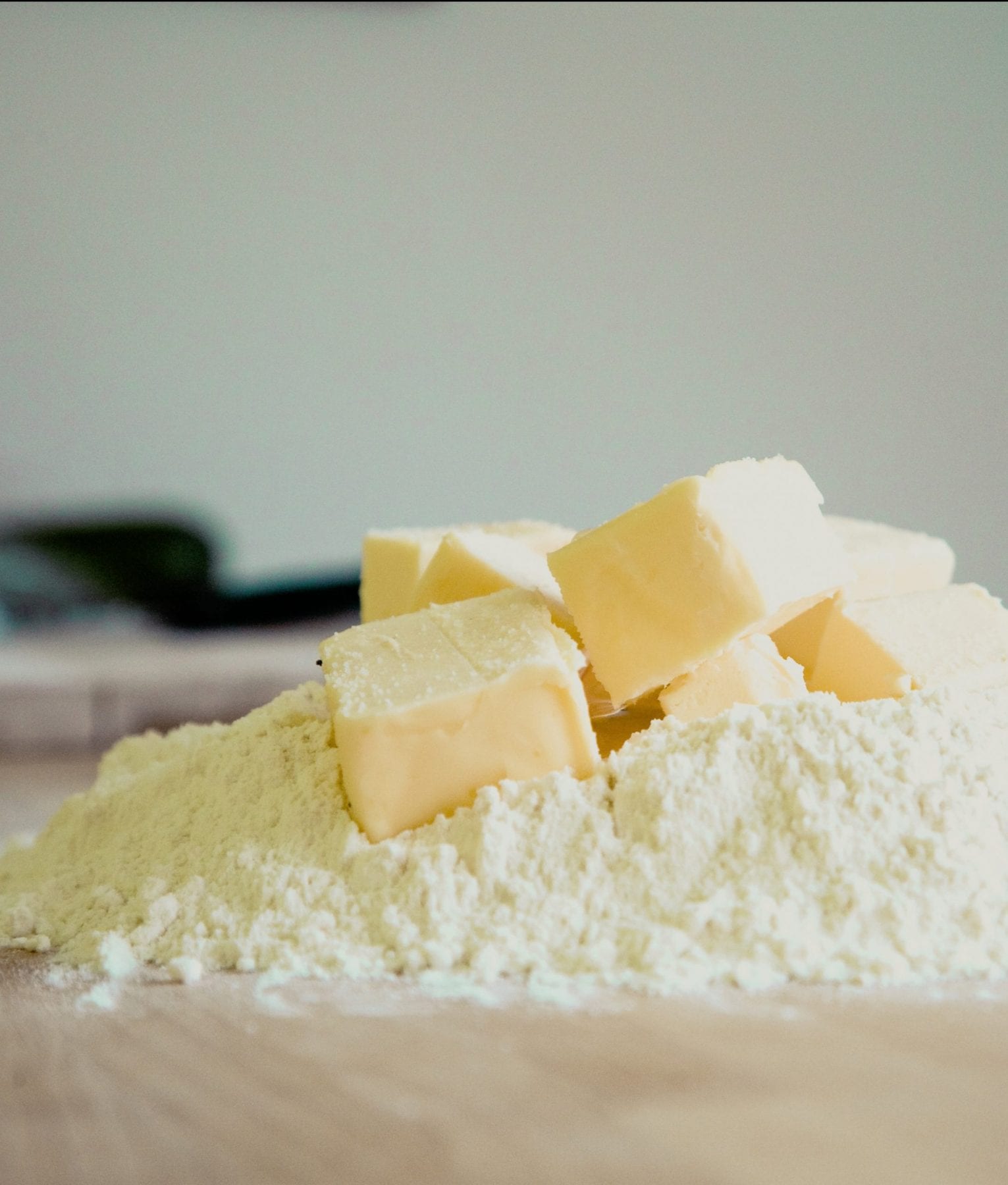
• 500 g strong bread flour (it is important to use a stronger flour than normal as you need the extra strength in the gluten to produce strong pliable pastry)

• 120 g lard or white shortening

• 125 g Cornish butter

• 1 tsp salt

• 175 ml cold water

FOR THE FILLING

• 400 g good quality beef skirt, cut into cubes

• 300 g potato, peeled and diced

• 150 g swede/turnip*, peeled and diced

• 150 g onion, peeled and sliced

• Salt & pepper to taste (2:1 ratio)

• Beaten egg or milk to glaze

*The vegetable to use is the yellow-fleshed swede, not a white turnip. This is known commonly in Cornwall as the turnip. It’s also known as the yellow turnip/Swedish turnip in some places and in North America it is called rutabaga.

METHOD

Add the salt to the flour in a large mixing bowl.

Rub the two types of fat lightly into flour until it resembles breadcrumbs.

Add water, bring the mixture together and knead until the pastry becomes elastic. This will take longer than normal pastry but it gives the pastry the strength that is needed to hold the filling and retain a good shape. This can also be done in a food mixer.

Cover with cling film and leave to rest for 3 hours in the fridge. This is a very important stage as it is almost impossible to roll and shape the pastry when fresh.

Roll out the pastry and cut into circles approx. 20cm diameter. A side plate is an ideal size to use as a guide.

Layer the vegetables and meat on top of the pastry, adding plenty of seasoning.

Bring the pastry around and crimp the edges together (see our guide to crimping).

Glaze with beaten egg or an egg and milk mixture.

Bake at 165 degrees C (fan oven) for about 50 – 55 minutes until golden.

Get involved...

To find out all you could possibly want to know about pasties and more visit

February’s recipes: Rice & easy!

Round & About

food

We’ve teamed up with Tilda to serve up some recipes to make the most of their new flavoured easy-cook sachets

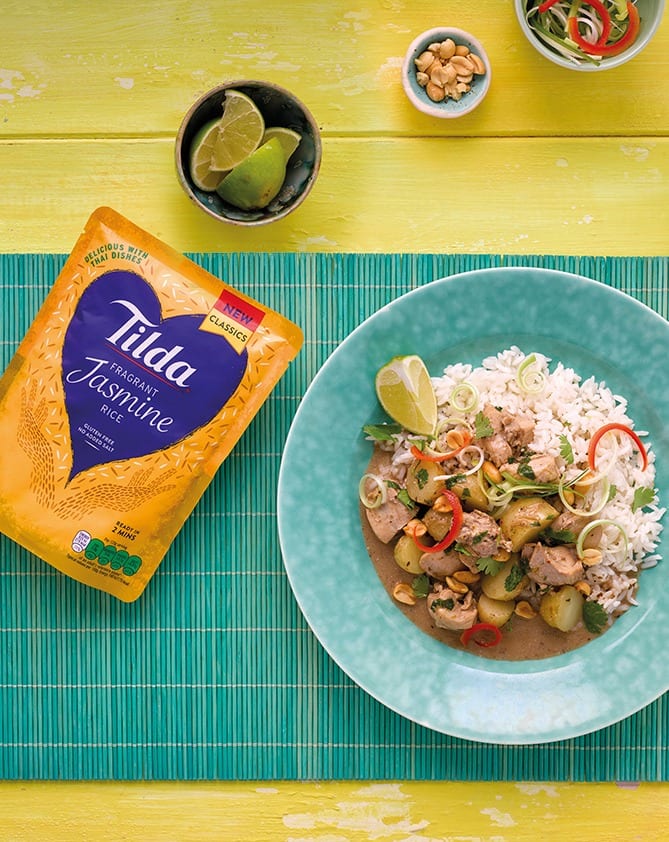
Chicken Massaman curry

Ingredients:

• One red chilli, deseeded and cut into very thin matchsticks
• One spring onion, trimmed, halved and thinly shredded
• 50g peanuts
• 400ml can reduced fat coconut milk
• 200ml hot chicken stock
• One cinnamon stick
• 100g Massaman Thai curry paste
• 500g skinless, boneless chicken thighs, cut into chunks
• 300g baby potatoes, halved
• 350g Tilda Fragrant Jasmine rice
• Large handful fresh coriander, roughly chopped (see cooks tip)
• Finely grated zest and juice of one lime
• Salt and freshly ground black pepper
• Lime wedges to garnish, if liked

Method:

Place the chilli and spring onion into a bowl of iced cold water and set aside while cooking the curry.
Dry fry the peanuts in a small pan for one or two minutes until toasted. Set aside until ready to use.

Place the coconut milk, chicken stock, cinnamon stick and curry paste into a large saucepan and bring to the boil. Stir in the chicken and potatoes, cover and cook over a low heat for 20 minutes or until the potatoes and chicken are tender and cooked through.

Meanwhile, place the rice into a sieve and rinse under cold running water until the water runs clear. Tip into a large heavy based saucepan and season with a little salt. Pour over 600ml boiling water and bring to the boil. Cover with a tight fitting lid and cook over the lowest heat possible for 12 minutes. Remove from the heat and leave to stand until the curry is ready to serve.

Discard the cinnamon stick from the curry. Stir in half of the coriander, lime zest and juice and season to taste.
Fluff up the rice with a fork and arrange into individual serving dishes. Spoon over the massaman curry. Scatter over the peanuts and remaining coriander. Drain the spring onions and chilli and scatter over the curry to serve. Serve with extra lime wedges to squeeze over.

Cook’s tip

There is lots of flavour in the stalk as well as the leaf of fresh coriander don’t be afraid to chop up both and add to the curry. For an even quicker version of this recipe substitute the jasmine rice for 2 x 250g sachets of lime and coriander basmati rice or sweet chilli and lime basmati rice.

Advertisement

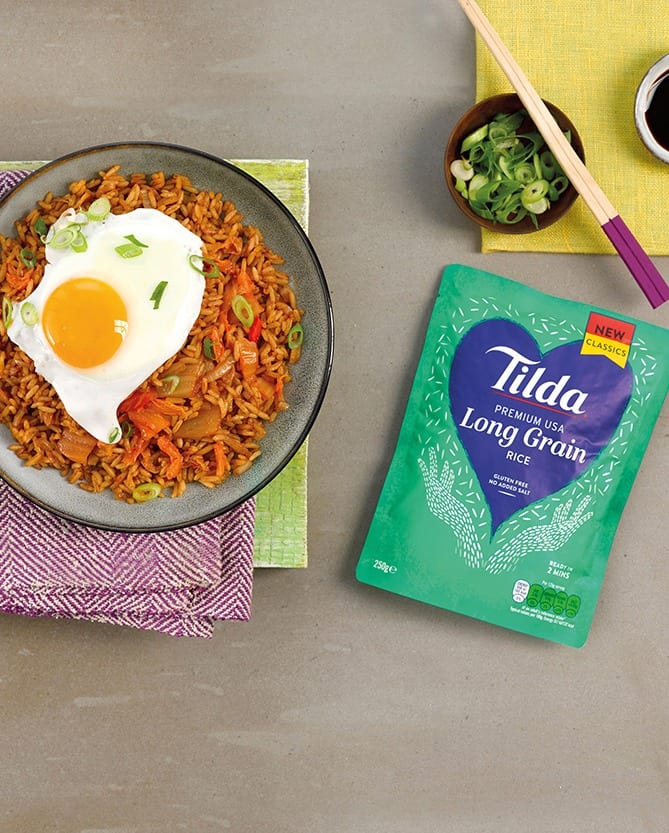
Kimchi rice

Ingredients:

• One pack of Tilda
• Long Grain rice
• 2tbsps vegetable oil
• One clove garlic, crushed
• 1 tsp freshly grated ginger
• One onion, finely chopped
• 50g kimchi, drained
• 3tbps soy sauce
• Two eggs
• One spring onion, finely sliced

Method:

In a large pan, heat one tablespoon of the oil and gently fry the onions, garlic and ginger for a few minutes until softened. Add the drained kimchi and heat for a couple more minutes

Heat the long grain rice in the microwave for one minute and then add to the kimchi mix.

Drizzle in the soy sauce and mix in well. Keep warm.
Fry the eggs in the remaining oil for a few minutes.
Divide the kimchi rice between two bowl and top each with a fried egg and a sprinkle of spring onions.

See our other recipes

January’s recipes: Vive la revolution!

Round & About

food

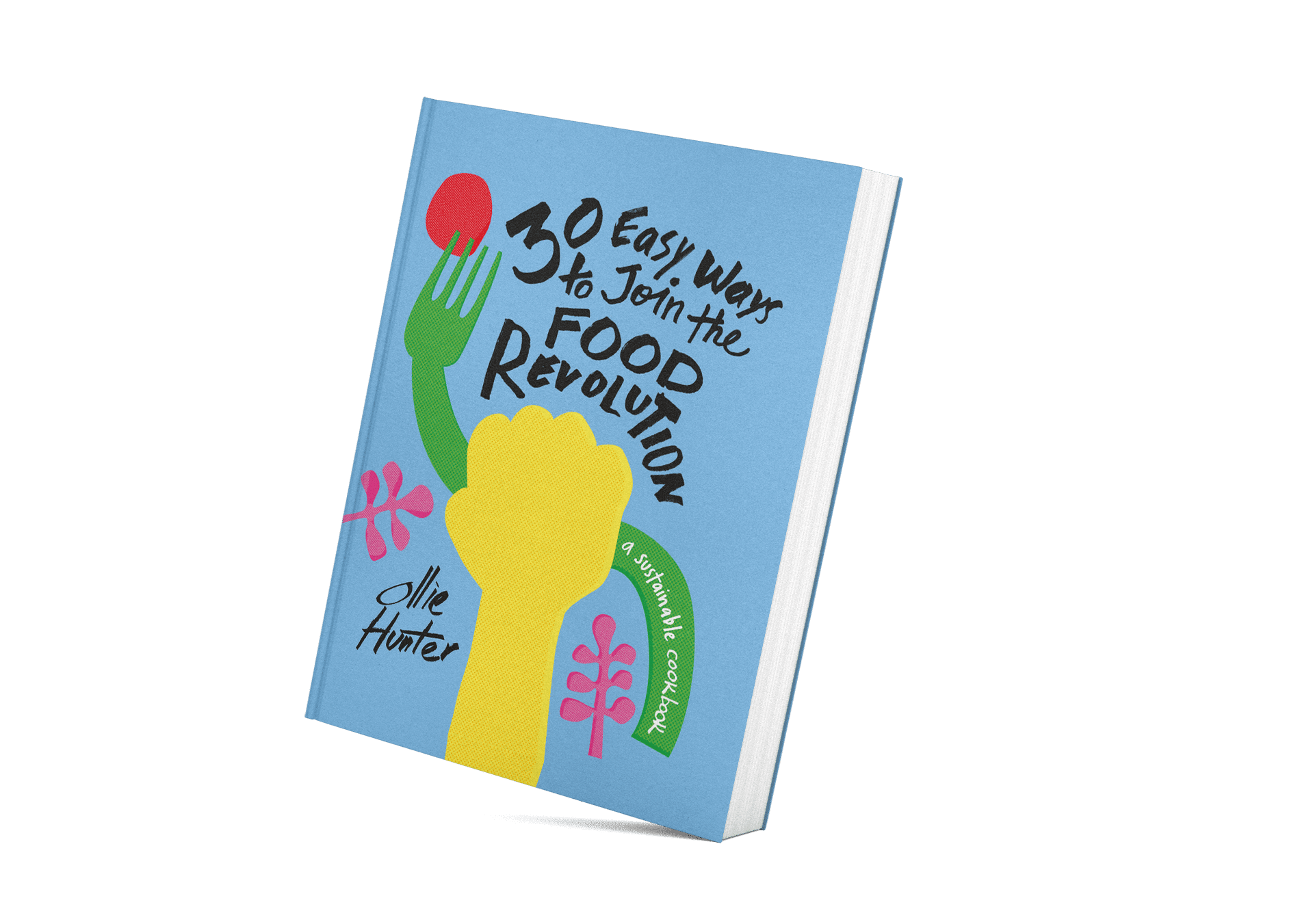
We share two exclusive recipes from Ollie Hunter’s brand new sustainable cookbook with two copies up for grabs

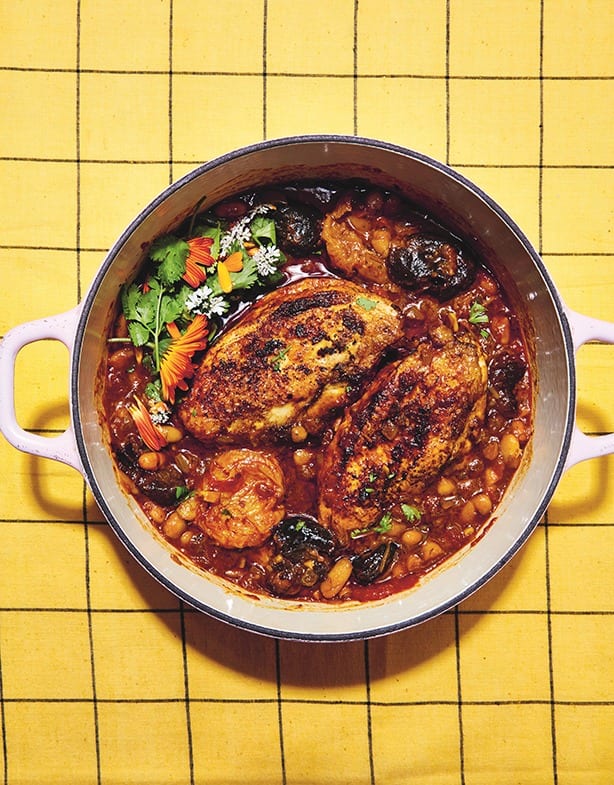
Chicken breast tagine

with locally dried fruit

Ingredients:

• 1 tbsp ground cumin
• 1 tbsp ground coriander
• 1 tbsp ground turmeric
• 1 tbsp paprika
• Two raw chicken breasts
• Oil of your choice, for frying
• One onion, diced
• Six garlic cloves, diced
• A handful of fresh coriander (cilantro), with stalks diced
and leaves left whole
• One red chilli, diced
• 100 ml/31/3 fl oz or 1/3 cup
red wine, water or even cider (hard cider)
• 1 x 400g/14oz can of
chopped tomatoes
• 1 tbsp apple molasses, or use whatever molasses is locally produced
• 1 x 400g/14oz cooked beans
or pulses – cannellini beans
are delicious
• Handful of local dried fruits such as prunes, damsons
or apricots, pitted
• Salt

To serve

• Dollops of plain yogurt
• Grains such as spelt or couscous, cooked

Method:
reheat the oven to 180°C fan/200°C/400°F/gas mark 6. Mix all the spices together and set aside. Rub the chicken breasts with 1 tbsp of the spice mix. Add a few glugs of oil to an ovenproof saucepan and place over a medium heat. Quickly fry the chicken breasts – just to sear the outside on both sides – then remove from the pan and leave to one side.

Add some more oil to the same pan and then sauté the diced onion, garlic, coriander stalks and chilli until soft. Once soft, stir in the rest of the spice mix and cook for a few minutes. Add the wine, cider or water to deglaze the pan. Add the tomatoes and molasses and give it a little stir. Simmer for 10 minutes to reduce the sauce.

Add the drained beans or pulses and dried fruit, stir and season with salt. Nestle each seared chicken breast into the sauce, then add 100 ml/31/3 fl oz/1/3 cup cold water and transfer to the oven to cook for between 30 and 35 minutes.

Serve the tagine scattered with fresh coriander leaves and perhaps some edible flowers, with dollops of yogurt and some spelt or couscous.

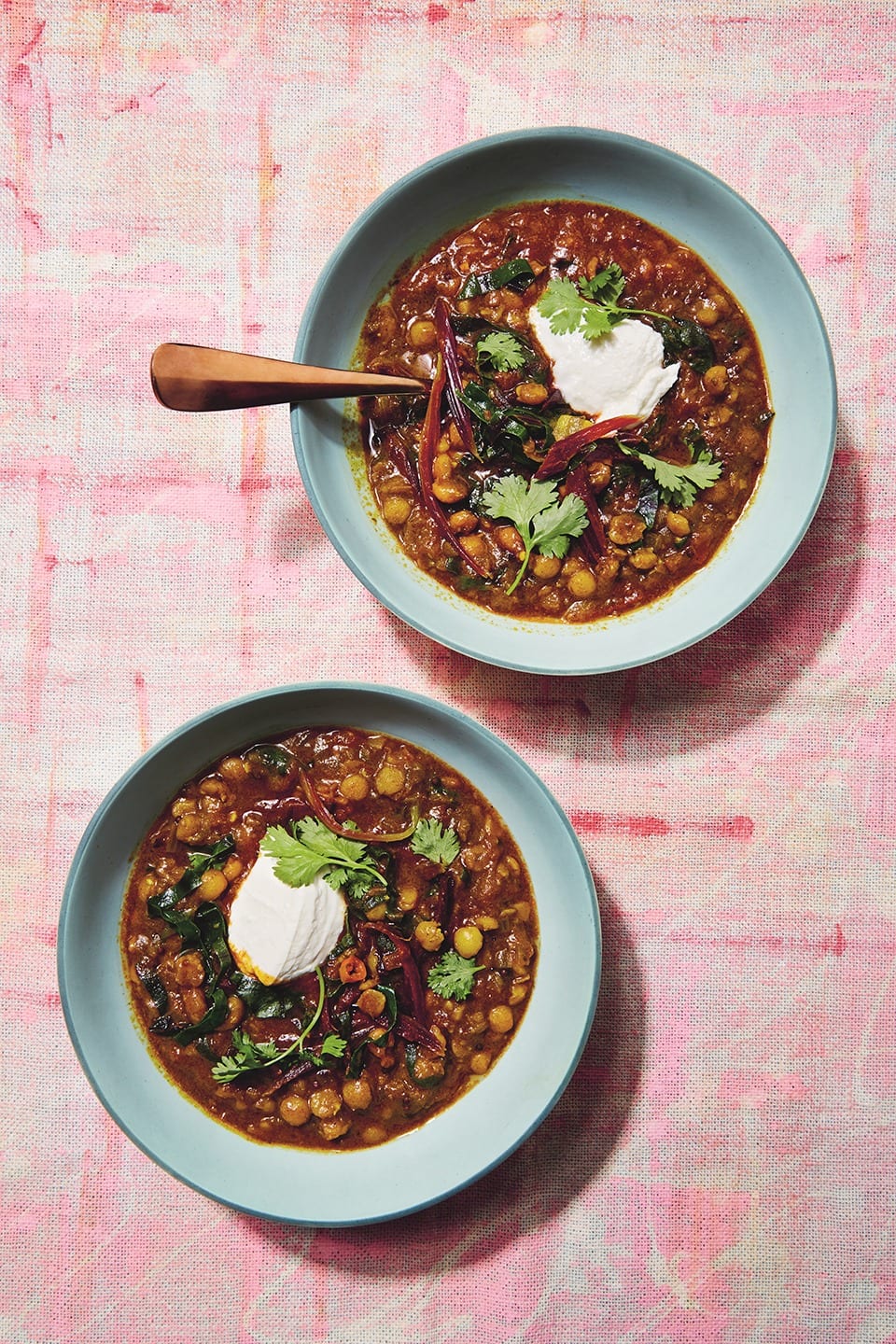
Beetroot leaf dhal

Ingredients:

• 100g/3½ oz/½ cup dried red split lentils or split peas
• Oil with a high smoking point such as rapeseed or sunflower, for frying
• One onion, diced
• Chunk of fresh ginger, diced
• Six garlic cloves, diced
• Handful of fresh coriander (cilantro), stalks diced and leaves left whole
• One red chilli, diced
• One cinnamon stick
• 1 tsp ground cumin
• 1 tsp ground coriander
• 1 tsp ground turmeric
• 1 tsp black mustard seeds
• Four fresh tomatoes,
chopped (or ½ x 400g/14oz can of tomatoes)
• Four beetroot stalks and leaves, thinly sliced (save the beetroot for another meal)
• Salt
• Dollops of plain yogurt,
to serve

One of the great things about eating from root to fruit is the added variety of flavours and textures available to us. For example, sage flowers have the subtle taste of sage but are a little more floral than the leaves. Pea shoots offer a lighter and more delicate pea flavour than the pea. In this recipe, beetroot stalks bring that earthy beetroot taste, but with added crunch and freshness.

Method:
If you’re using split peas, then they’ll need to be soaked overnight in plenty of cold water before using.

Put a good amount of oil into a large pan (skillet) over a medium-high heat. Add the diced onion, ginger, garlic, coriander stalks and chilli and fry until soft.

Once they’re soft, add the cinnamon stick, ground spices, mustard seeds and continue to cook for two minutes, stirring occasionally.

Add the tomatoes and lentils or soaked and drained split peas. Season to taste with salt and stir. Add one litre / four cups of cold water. Bring to a simmer and cook for 15 minutes if using lentils (or 40 minutes if using split peas).

Stir in the sliced beetroot stalks and leaves for the final five minutes of cooking. Serve the dhal scattered with the fresh coriander leaves and dollops of yogurt.

See our other recipes

A golden example of dining

Liz Nicholls

food

Liz Nicholls reviews the newly opened Ivy Oxford Brasserie.

In these strange, straitened times, luxury feels like it’s in short supply. In fact, “luxury” has become so rare a concept that it feels a retro, almost naughty. Luckily, the energetic team behind The Ivy Oxford Brasserie haven’t received this particular memo.

From the moment we were ushered inside, off the bleak wintry high street into the velvet-coccoon of the cloakroom we were (to quote Beyoncé) living lavish.

The Ivy Oxford Brasserie’s arrival in this often austere city of broken dreams has caused a big fat buzz for good reason. Because we’re all hungry for some luxury, and a place to celebrate rather than commiserate.

As with its celebrity honeypot mother branch in London, and the successful brasserie outposts in Winchester and Marlow, the Ivy brand is all about the best of the best. That’s most thrilling, on first entry, with the service. The staff offer the level of old-fashioned courtesy and enthusiasm that makes you feel like you’re winning at life. I go weak at the knees for a good banquette (especially a curvy orange one) and the effervescent Karim’s recommendation – truffle arancini – were balls of richly flavoured sexy joy; the perfect accompaniment for Magdalen Manhattan.

You can’t visit this Ivy branch without being wowed by its interior. Instagram has helped to gild the Ivy Oxford’s golden age because it really is a maximalist wonderland that feels designed to be snapped. For Pinterest fans like myself, the general vibe could be defined as “1920s Flapper Luxe”, with huge botanical motifs (toucans, butterflies, rainbow trout) and shiny surfaces at every turn. The old bank’s stately dimensions make it the perfect stomping ground for anyone in need of a bit of glam – even strutting up the copper-hued illuminated staircase to the ladies makes you feel special. The toilets themselves (which you might have seen on Insta) are worth special mention: rose quartz sinks, brass taps, gothic-gold floral wallpaper and jewel-hued pouffes… No wonder, then, that the smallest rooms have apparently been papped even more than the chocolate bombe (which comes a close second). And the enamel-ceilinged private hire party room is a golden example of how to create a setting where you can and should celebrate in debauched yet elegant style, a la the Ivy alma mater.

Hype can really detract from a good meal, and I had thought this Ivy outpost might be more style over substance but happily I was proved wrong. Tempura prawns and salt & pepper squid, in their conical silver salver, were crisp and gorgeous dunked in their wasabi and miso dressing and – a greedy choice – the lobster risotto was a divine creation of sweet meaty flesh doused in a seafoamy bisque dressing with a perfect partner of tender samphire.

Another greedy winter choice (and Karim’s recommendation), chicken Milanese was peak pleasure, coated in brioche crumb but kept savoury by a shiny tureen of truffle cream sauce that I kept trying to steal and topped with a rudely perfect fried egg. Then, as if to prove more definitely is more, the blackened cod fillet. This has almost become a cliché dish, which footballers plump for at Nobu and other top-tier celeb haunts, but technically the Ivy version is very hard to fault: pearly succulent fish, baked in a banana leaf beautifully fragrant with sesame and helped to sing with its citrus-pickled fennel (genius) broccoli and yuzu mayonnaise. Top marks too for a sublime sweet potato side and creamed spinach with pine nuts. All of it looked beautiful but tasted even better.

That much-Instagrammed chocolate bombe is also worth its 15 minutes: a grenade of golden flavour whose honeycomb centre oozed out to mingle with the vanilla ice cream once the hot sauce was poured on top to make a big sticky mess.

With all this glitz & glam, you’d expect the Ivy to be expensive but it’s reasonable: a la carte starters hover about the £10 mark, mains around £20 and there’s a three-course set menu for £21 which is stunning value, all things considered.

Hats off to the Ivy team. They’ve managed to live up to the not-inconsiderable hype. From my grandmother – who toasted her 94th birthday here earlier this month – to youngsters in athleisure chinking drinks at the bar, being made to feel like royalty is surely the best measure of success.

See their menu and book here

December’s recipes: Movers & shakers

Round & About

food

We’ve teamed up with multisensory creators Sam Bompas and Harry Parr to serve up some cocktail fresh recipes from The Bompas & Parr Cocktail Book

Formula E

Ingredients:

• 60 ml/2½ fl oz ‘electrified’ Absolut Citron vodka
• 15 ml/½ fl oz triple sec
• 30 ml/1 fl oz lemon juice
• 1 medium egg white (20 ml/2/3 fl oz egg white)
• 2–3 drops blue food colouring

This was created for the organisers of Formula E to mark the race’s return to London in 2016. We served it along the top corridor of Tower Bridge to the epic backdrop of our home city.
This is an excellent example of how vodka acts as a flavour vehicle. For the original drink we included a touch of the eco-friendly saline algae Formula E uses to power its electricity generators to lend the drink its blue-green hue. You can simply add a little blue food colouring to convey the colour of electricity.
The ‘electrified’ vodka is simply Absolut Citron lemon-flavoured vodka infused with Japanese Sancho pepper. Pour 25 or so of these peppercorns into a bottle of the stuff and leave for a couple of days to add some zingy spice. If you can get some Szechuan buttons, even better – these taste like you’re licking an 8V battery, a comparison which you’ll either ‘get’ or will not.

Method:
Dry shake all the ingredients to emulsify the egg white, then add ice cubes and shake again. Fine strain into a chilled coupe glass. For Formula E we garnished the drink with some blue-coloured Sancho pepper-flavoured popping candy.

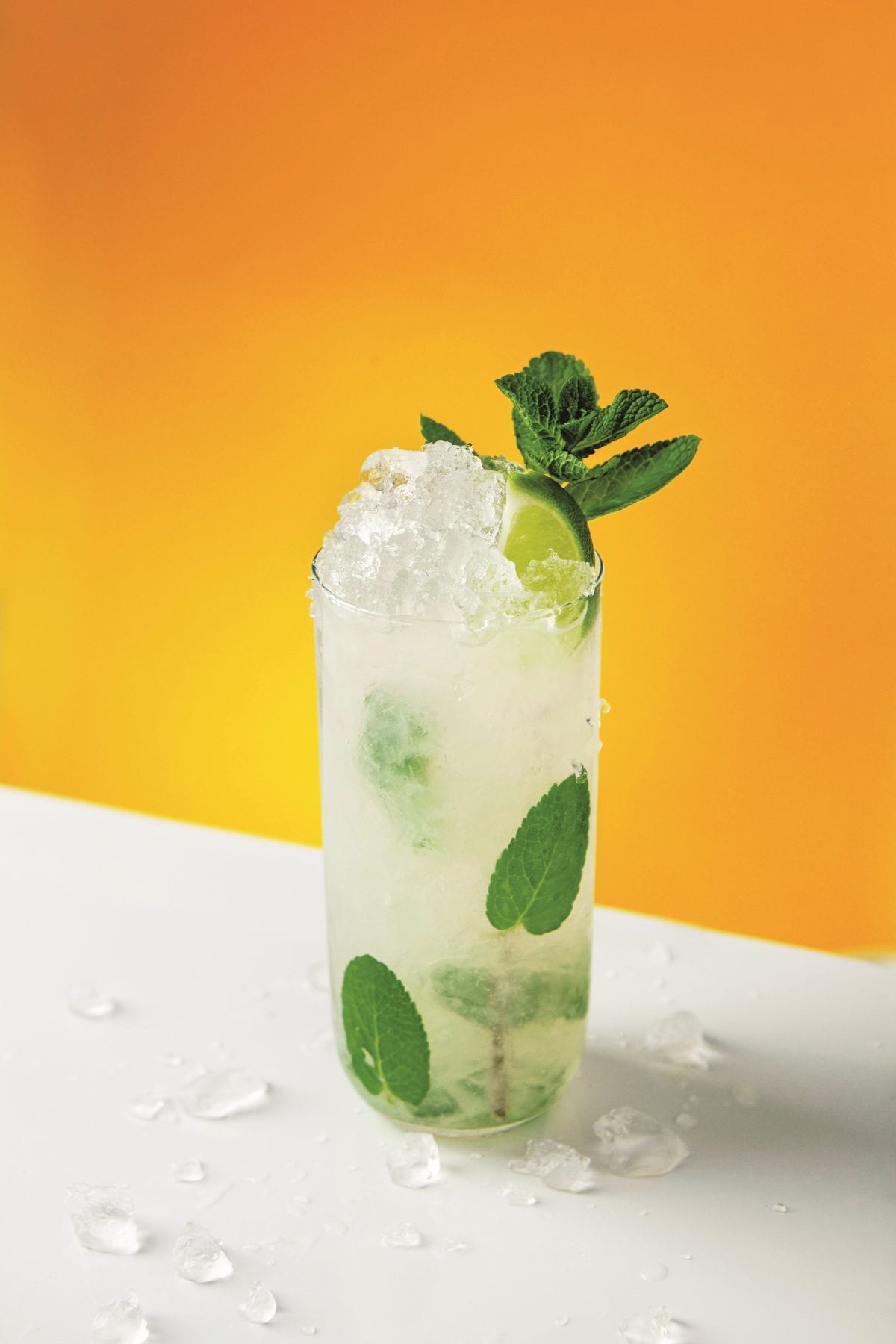
Mojito

Ingredients:

• Large sprig of mint
• 60 ml/21/2 fl oz white rum
• 30 ml/1 fl oz lime juice
• 2 tsp white caster sugar
• Top with soda water
• Wedge of lime and fresh mint leaves to garnish

This is one cocktail where it’s better to use sugar rather than sugar syrup – the sugar crystals lacerate the mint as you muddle and it releases a lot of flavour. It’s a refreshing drink – a light sour that has been lengthened with lots of soda. It’s traditional to make it in the glass that you are ser ving it in. It originates from Cuba and was a favourite drink of the writer Ernest Hemingway when he lived there in the 1940s.

Method:
Put 5–6 mint leaves in the bottom of a highball glass, and use the non-spoon end of a bar spoon to gently bruise (but not crush) the leaves. Pour over the rum, lime juice and sugar. Next, fill the glass with crushed ice and churn the mix with your spoon. Top with soda, add extra crushed ice to ensure a good pile is showing above the rim of the glass, then finally garnish with a wedge of lime and tuck the remainder of your mint leaves in among the ice.

See our other recipes

November’s recipes: Tried & trusted

Round & About

food

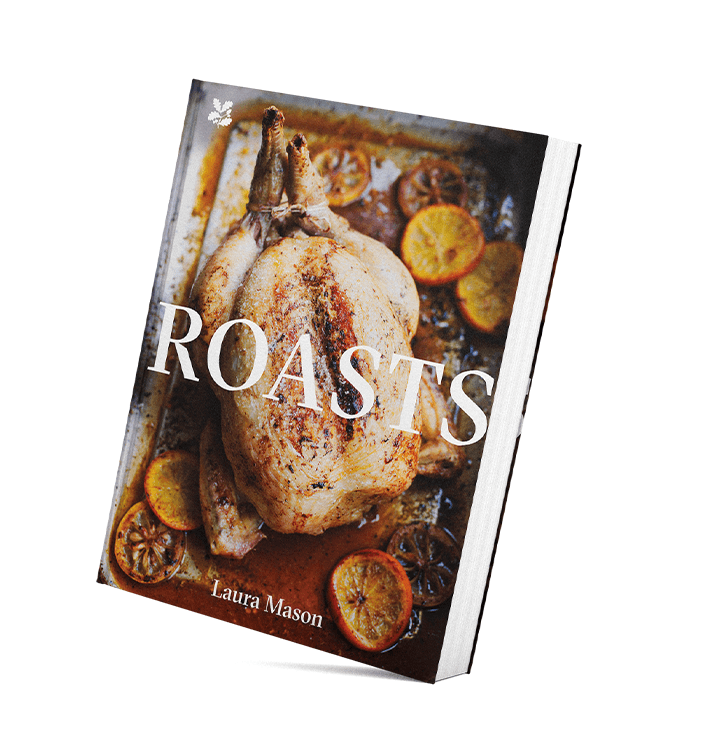
Leading chef Laura Mason shares some recipes from the new National Trust Book of ROASTS (£16.99), which is out now

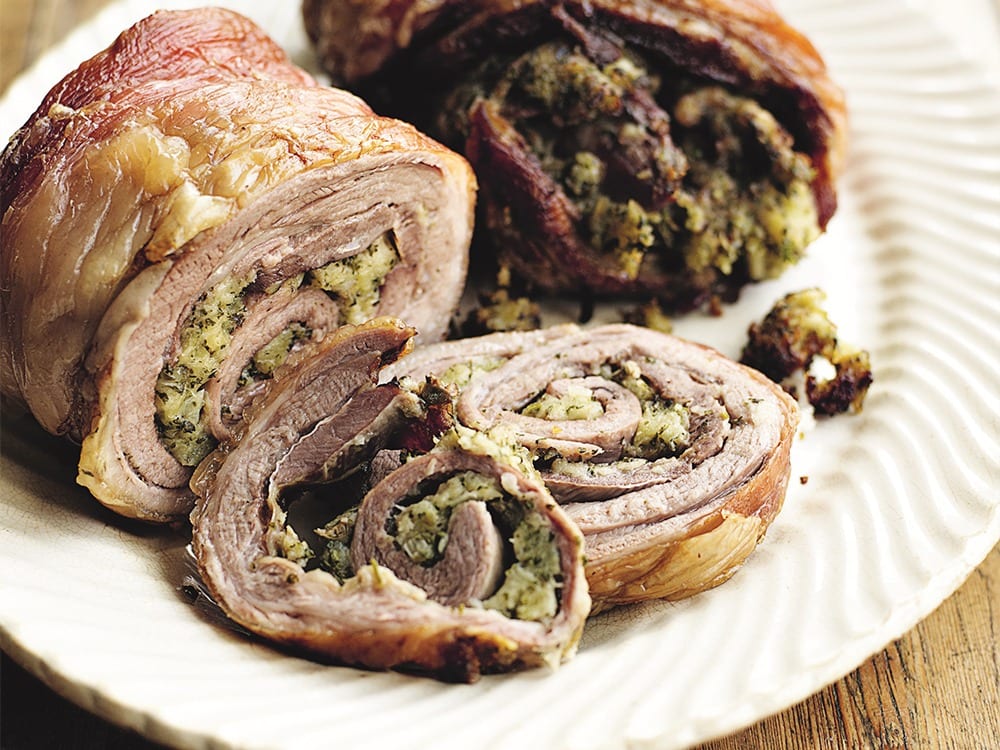
Breast of lamb

Stuffed with capers, garlic and herbs

(Prep: 20 minutes – Cooking: Three and a half to four hours – Serves:
Three to four)

Ingredients:

•   Two breasts of lamb, boned
•   40g (1½oz) unsalted butter
•   One medium onion, peeled
& finely chopped
•   Two garlic cloves, peeled and crushed
•   Two tablespoons salted
capers, well rinsed and
coarsely chopped
•   A little chopped fresh mint
•   Three tablespoons finely chopped fresh parsley
•   A large tablespoon chopped fresh basil
•   Zest of ½ lemon (preferably unwaxed), finely grated
•   150g (5oz) crustless day-old white bread, torn into small pieces
•   Splash of stock or milk,
to moisten

This needs slow cooking, moisture, and a highly flavoured stuffing to add interest and counteract the fattiness. In the past, standard English mixtures of bread with herbs and suet bound with eggs were favoured, but these are very dense to modern tastes. I suggest using a mixture with flavours borrowed from salsa verde (capers, herbs), which works well with this meat.

Method:

Breast of lamb is flattish and thin, with one straight edge cut from the forequarter, which may still contain the ends of the rib bones, unless the butcher has already removed them. If you have to do this yourself, run a knife in between the bones and the meat on the outside, then cut them away from the lesser covering inside and slip them out.

To make the stuffing, melt the butter over a low heat and fry the onion and garlic until softened. Stir in the capers, herbs, lemon zest and bread, and add enough stock or milk to moisten the bread.

Spread the meat out, skin-side down. Put a layer of stuffing
on top of each piece, then roll from the narrow end and
firmly tie at each end with string.

Preheat the oven to 140°C, 275°F, Gas mark 1. Put the lamb in a shallow roasting tin and cook for three to three and a half hours, pouring off any fat that the meat renders. Then turn the oven up to 200°C, 400°F, Gas mark 6, and give it a further 15 minutes to crisp up.

It won’t produce gravy, but a light tomato sauce goes well with the caper-flavoured stuffing. Alternatively, serve a salad dressed with vinaigrette on the side.

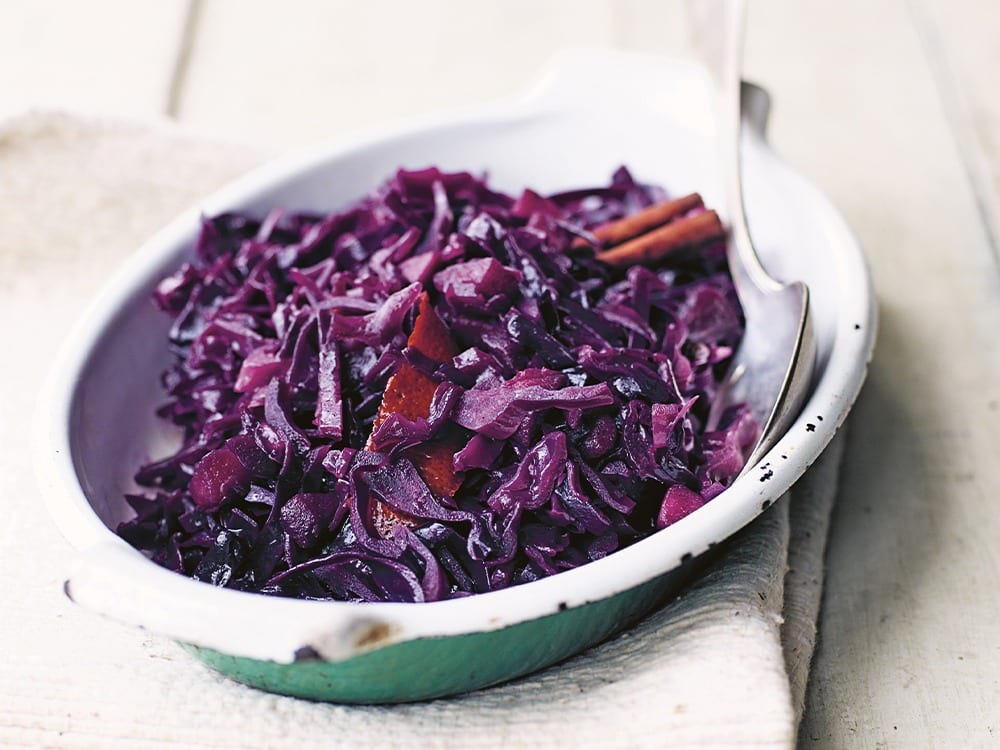
RED CABBAGE

(Prep: 10 minutes – Cooking: 140 minutes – Serves: Six)

Ingredients:

•   One generous tablespoon goose, pork or bacon fat, or oil
•   One medium onion
•   One or two apples, preferably sourish ones
•   A small red cabbage
•   Two or three tablespoons cider vinegar
•   Two tablespoons light pale brown sugar
•   Four or five cloves, bruised
•   5cm (2in)
cinnamon stick
•   A piece of orange zest (preferably unwaxed) about 5 x 2cm (2 x 1in)
•   A teaspoon of salt
•   Freshly ground
black pepper

Method:

Preheat the oven to 140°C / 275°F, Gas mark 1. Peel and roughly chop the onion. Peel, core and chop the apples. Quarter the cabbage, discard the stem and finely slice.

Heat the fat in an ovenproof casserole and fry the onion until translucent. Stir in the apples, then the cabbage, and fry lightly for a few minutes. Add the other ingredients and stir well. Cover and transfer to the oven for about an hour and a half.
This can be cooked on the hob, but the heat must be very low – and stir frequently, adding a little more water from time to time if it shows signs of drying up.

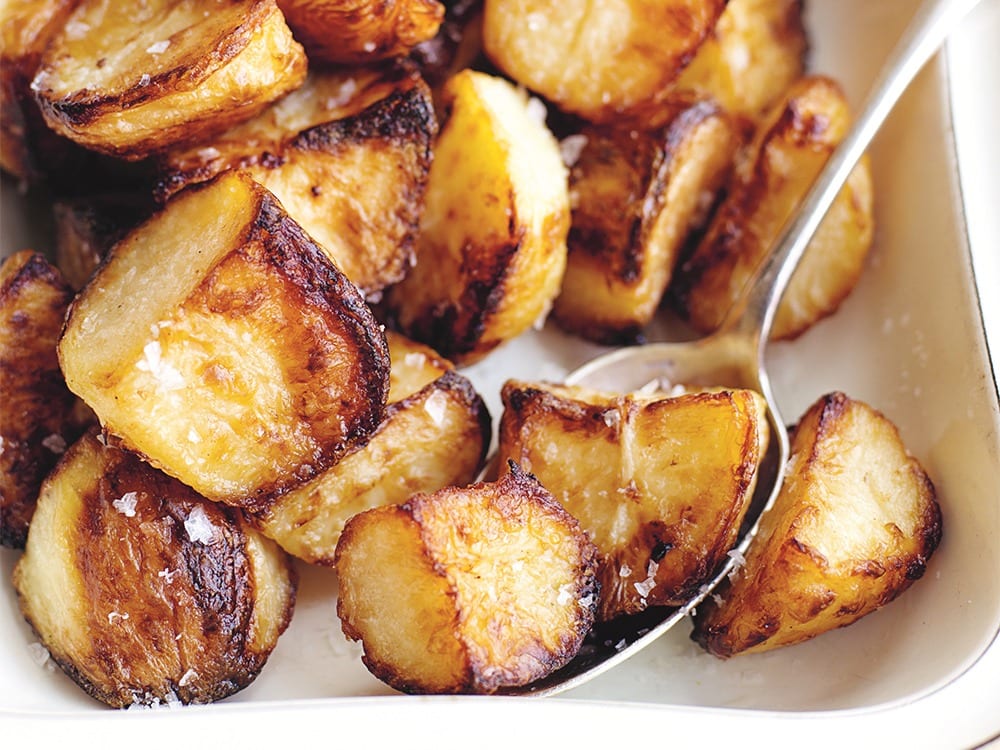
Roast potatoes

(Prep: 15 minutes – Cooking: 60 minutes – Serves: Four to six)

Ingredients:

•   1kg (2¼lb) potatoes
•   About 50g (2oz) fat for roasting, such as beef or pork dripping
•   Salt

Roast potatoes are a defining element of “a proper roast”. King Edward, a potato variety with almost iconic status in Britain, probably has the best flavour, and can develop a fantastic crisp crust and melting interior. Wilja and Desirée are also good; Cara and Romano should produce reasonable results.

Method:

The oven needs to be hot – 200–220°C, 400–425°F, Gas mark 6–7.
Peel the potatoes. Leave small ones whole, and cut large ones into smaller pieces (3–4 each). Put them in a pan, just cover with cold water, and bring to the boil. Boil for 5–7 minutes. Tip them into a colander and drain well.

Put the fat in a roasting tin and place in the oven to melt and get very hot. Take it out and add the potatoes. (Wear oven gloves and an apron in case the fat spits – it should be hot enough to sizzle satisfactorily.) Turn the potatoes well in the hot fat, sprinkle with salt, and roast for 40–50 minutes. In a gas oven, put the potatoes at the top. Turn once or twice during cooking, and add a little more salt each time.


Roasts by Laura Mason, published by National Trust Books.

Images: Tara Fisher.

See our other recipes

Didcot Food Festival

Round & About

food

Enjoy great food & drink, fantastic cookery demos and magic at this year’s Didcot Food Festival on Saturday 26th and Sunday 27th October.

Didcot Food Festival, now in its fourth year, has proved so popular that this year the event will cover two days. Held in the Didcot Civic Hall, which offers indoor space for over 50 artisan traders, the Kid’s Kooking Zone, Chef’s Theatre and Vintage Tea Room.

The show opens at 10.30 am on the 26th by the time-travelling magical duo Morgan and West who will combine an act of magic and a love of food. Rhys Morgan says: “Our opening at this year’s Didcot Food Festival will be ‘bafflemint’ mixed with a hint of amazement and a generous dollop of laughter. We can’t give away too much; a good magic trick is like a good joke and ruined if you let the punchline out of the bag too early. So, to enjoy our opening act, you will just have to ensure you are part of the crowd and see what it is all about.”

Other Oxfordshire chefs lined up to amaze the audience with their culinary skills are old favourite Nick Bennett who reached the final of MasterChef The Professionals in 2015. Nick has a way of creating fine dining dishes look so simple, but we all know it takes a lot of technical skill to produce the type of food for which Nick is known for. Other chefs include Joe McCarthy from the award-winning Wychwood Inn at Shipton-under-Wychwood. Joe takes simple ingredients and turns them into memorable and very tasty dishes. John Van Nielerk from the newly opened Hilton Garden Inn in Abingdon which will be showcasing something fishy: the hotel’s restaurant has a Mediterranean influenced menu, but John also adds a hint of South African flavours to his food, drawing on dishes from his homeland. We will also gain an insight into some of the food produced by the chefs at The Circle Hospital in Reading.

For lovers of Thai food, Nawamin Pinpathomrat, the post-graduated research doctor who reached the final of the 2018 MasterChef will be cooking a splendid crab dish inspired by flavours from Thailand combined with Cornish crab.

Organiser of the Chef’s Kitchen, former Great British Bake Off quarter finalist Christine Wallace will give a fun demonstration with Howard Middleton who also appeared in Series 4 of GBBO. Together they will show off their baking skills adding a huge amount of laughter and amusement throughout the whole demonstration. Ali Imdad who was on the programme with Christine and Howard will also be showing how he is influenced by flavours from his travels and his culture.

Former That’s Life presenter and now BBC Radio Berkshire presenter Bill Buckley will show his love of cooking once more. Also new for this year will be two masterclasses on butchery skills and chocolate making. Radio presenter Al Ryan will be Master of Ceremonies.

Inspired?

Excited to get cooking? Check out our recipes and get in the foodie spirit

Bill’s Newbury

Round & About

food

Photo credit: Milly Fletcher

It’s time to take a fresh look at a familiar face with the grand re-opening of Bill’s in Newbury today (23rd September).

The popular restaurant and bar in Market Place is staying true to its roots but adding a touch of glamour with modern décor, luxurious velvet seating and sparkling chandeliers.

It’s the ideal spot for lunch, after work cocktails or dinner and to celebrate the relaunch they are offering you the chance to win dinner for six people. Anyone booking a table online during the opening week (23rd to 29th September) will automatically be entered into the prize draw.

And for the first two weeks after the relaunch, diners will be asked to vote for their chosen charity – West Berkshire Mencap, Helen & Douglas House and The Samaritans – to support for the next three months. The successful charity will be revealed on 7th October.

The management team in Newbury have been working to build relationships with the local community and the restaurant will be making a 50p contribution for each ‘burger of the week’ sold with the money going to the chosen charity.

Founder of the restaurant chain, which started in Lewes, Sussex in 2000, Bill Collison said: “Good quality food in a welcoming environment has always been at the core of Bill’s. We have loved being in our current spot in Newbury for the past five years and we felt the time was right for a fresh new look for the restaurant.

“We are proud to create restaurants that are full of vibrant colour and vintage trinkets. I believe that the new look transcends all dining times which will only enhance our diners’ experience and showcase our vibrant food and drinks.”

Book online

Book your table online to enter the prize-draw or to find out more head to Bill’s website

Beeline to bliss

Round & About

food

Petersham Nurseries – Richmond’s visionary garden center and lifestyle mecca – is one of West London’s greatest treasures and creative success stories.

The family behind the business are celebrating their 15th birthday, looking back on their humble beginnings as a dilapidated local plant shop, and how much has changed. Now with a second branch in Covent Garden, the small empire includes a homeware shop, florist, café, two restaurants and a wine cellar, with visitors come from near and far to discover Richmond’s unique lifestyle destination.

For September, they’re celebrating their birthday by paying homage to the gardener’s best friend, the honeybee, with a one-off masterclass in all things bee-related. In keeping with Petersham’s ethos, this will include a tasting session with Bermondsey Street Bees’ honey sommelier, a gardening session in planting bee-friendly flowers, a delicious lunch, and a ‘preserving with honey’ cookery class with Rachel de Thample.

Petersham's 15th Birthday

To sign up for this, on Thursday, 26th September

Vino veritas

Round & About

food

Jessica Elphinstone learns a thing or two about wine at Vagabond,  Fulham’s most underrated date spot

If you detest wine snobbery, and the whole glass-swirling, Merlot-gargling pomp of it all, then I’m totally with you. I spent my entire three years of university drinking £4.99 Gallo rosé, and that sweet, sickly nectar has a special place in my heart. But the wonderful thing about Vagabond is that, despite being a bouji wine bar and boasting over a hundred carefully selected bottles from indie vineyards across the globe, it is somehow also unpretentious.

First of all, the way you order the booze appeals to my inner vending-machine-loving child: Pre-load money onto a credit card, swipe into the recently revamped wine fridges, before clicking on the bottle you’d like and watching with glee as your chosen amount of wine comes pouring out. Taster sizes of 25ml are mostly around a couple of pounds, allowing people to sample a whole range of different wines you wouldn’t normally risk getting a glass of. We taste a tangy Spanish Albarino, a buttery, Meursault-style Reserva Branco from a sustainable smallholding in Alentejano (yes – I stole that from the tasting notes), and a questionable Italian Pecorino from Abruzzo.

Each wine comes with an information slip, onto which you can jot notes like ‘beeswax and tangerine’ or ‘pomegranate and watermelon’ if you so wish. My friend Chloe is a picky soul, and finds GM Henry’s pick, a Condrieu from the Northern Rhône which is one of the most expensive wines, not to her taste. We play games, bringing each other wines with tasting notes of honey, straw and water chestnuts, and try unsuccessfully to guess them. Around us, we see couples (a lot of first dates, apparently) doing the same, laughing and chatting as they pair their Tempranillo with delicious cured meats, artisan cheeses and charred Padron peppers.

Finally, we strike gold, and both fall in love with an Australian Zibibbo from winemaker Brash Higgins. “English Pears and Freesia” writes Chloe dramatically, now slightly less than sober. I imagine that this balance of light-heartedness, mixed with some actual exploration into new realms of wine, is exactly what Vagabond’s founder Stephen Finch imagined when he opened to doors to his first Fulham wine shop in 2010.

Screen Shot 2019-09-02 at 18.12.40
Fulham-1-1

Vagabond

Visit Vagabond Fulham, 18-22 Vanston Place, SW6 1AX
Contact on 0207 381 1717 or visit