Reimagining a classic

Round & About

The Watermill Theatre brings Whistle Down The Wind to the stage for the first time in over a decade.

Running from Friday 22 July to Saturday 10 September, this thrilling musical will transport you to 1959, Louisiana. Change is in the air, and in a small rural town, three motherless children are hoping for a miracle.

Exploring themes of belief, grief and family

When Swallow discovers a man hiding in her family barn, she becomes convinced he is Jesus, at the same time as the community is on the hunt for a missing convict. Convinced he is their saviour, the children of the town unite to protect him. Exploring themes of belief, grief and family, Whistle Down The Wind follows Swallow’s journey from innocence to adulthood and asks the question what does it mean to grow up?

Andrew Lloyd Webber and Jim Steinman’s epic soundtrack is performed by a talented cast of actor musicians and local young people. Directed and Choreographed by Tom Jackson Greaves The Watermill’s revival will be gritty, evocative and powerful. You can find out more about the show at a Creative Insight Talk with Tom Jackson Greaves on Thursday 28 July, bar opens at 12.30noon, and the ticket price includes lunch in The Watermill Theatre’s Riverside Restaurant.

An Audio Described performance will take place on Saturday 3 September at 2.30pm with a Touch Tour at 1pm.

Book tickets

Via The Watermill’s website or by calling the box office on 01635 46044.

September recipes: Good Mood Food

Round & About

Ainsley Harriott shares two ideas from his newest cookbook.

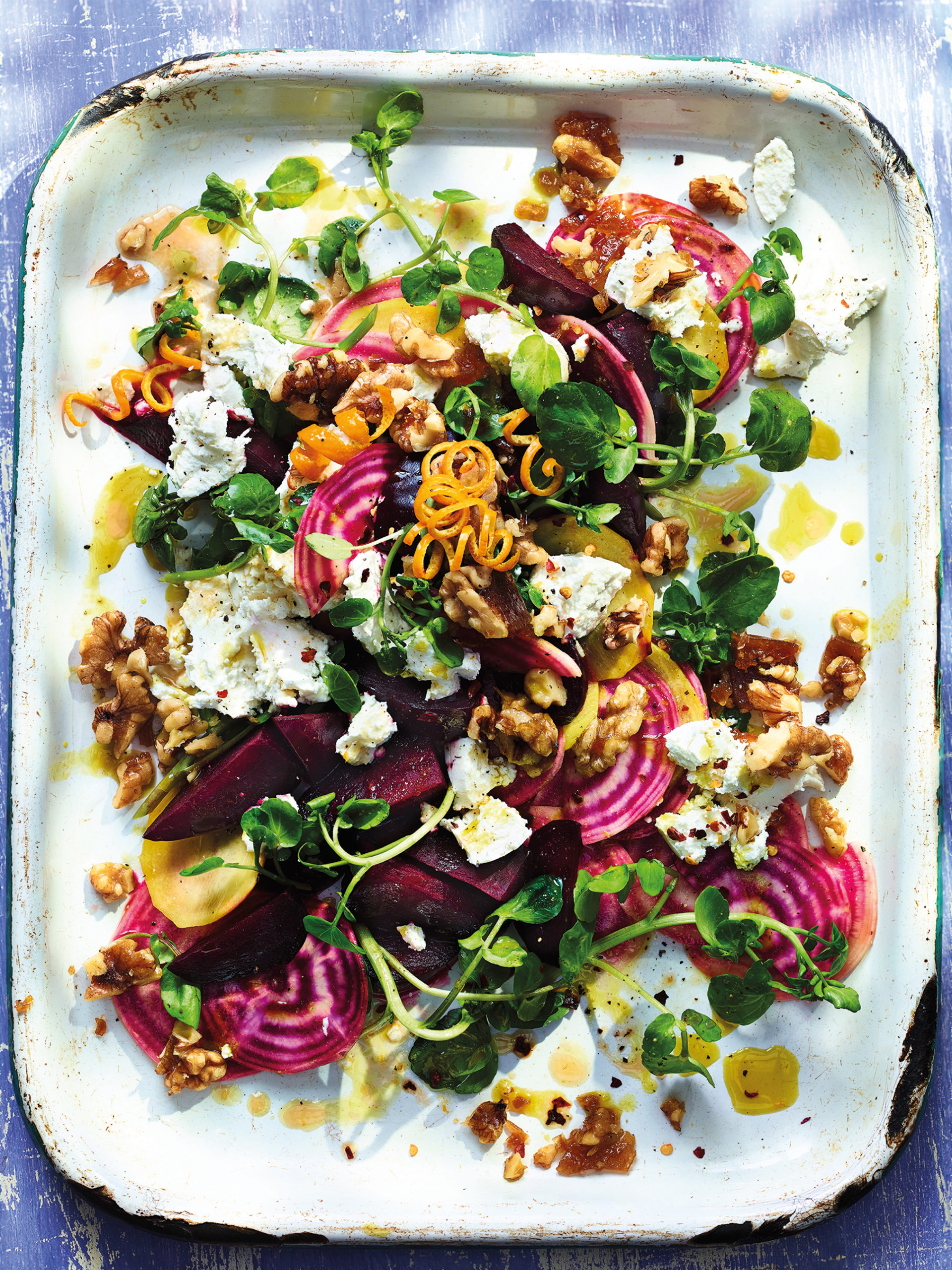
Earthy beetroot works so well with salty and creamy goat’s cheese. I’ve used different coloured beetroot, which looks pretty on the plate, and cooked and raw beets for added texture, but you can stick with purple. Serve with fresh crusty bread.

Roasted beetroot, candied walnut & goat’s cheese salad

Prep time: 60 minutes including marinating | Cooking time: 45-50 mins | Serves: 4

HyperFocal: 0

Ingredients:

• Four to six medium purple beetroot, scrubbed & trimmed
• Two to four medium heritage or candy beetroot, trimmed & peeled
• 25g caster sugar
• 1tsp butter
• Pinch of chilli flakes (optional)
• 60g walnut halves, toasted
• 150g goat’s cheese, crumbled
• Six to eight mint leaves, shredded a handful of lamb’s lettuce or watercress
• Zest of ½ orange
• Flaky sea salt and freshly ground black pepper

For the dressing

• 2 tbsp walnut oil
• 1 tbsp extra-virgin olive oil
• 1½ tbsp sherry/red wine vinegar
• 1 tsp Dijon mustard/horseradish
• 2 tsp runny honey
• Zest and juice of ½ orange

Method

Preheat the oven to 200°C/180°C fan/gas 6. Place the purple beetroot in a roasting tin and add about a 6mm depth of water. Cover the tin tightly with foil and roast for 40–50 minutes or until tender. Leave to cool, then use your fingers (you may want to wear gloves!) or kitchen paper to rub the skins from the beetroot. Cut into wedges.

Meanwhile, cut the heritage or candy beetroot into very thin slices, using either a mandolin or a very sharp knife. Put into a bowl. In a small bowl, whisk the dressing ingredients. Lightly season and pour half over the raw beetroot. Leave to marinate 30 minutes while the purple beetroot is roasting.

Line a baking sheet with parchment. Place the sugar, butter and chilli flakes in a small non-stick frying pan and cook over a medium heat, stirring, until the butter and sugar have melted and turned golden. Stir in the walnuts for a minute until the nuts are nicely coated. Pour out on to the baking sheet and use two forks to quickly separate the nuts.

Sprinkle with a little sea salt and leave to cool completely.

To serve, arrange the marinated beetroot on a plate then pile the wedges of roasted beetroot on top. Scatter over the cheese, mint and candied walnuts and top with salad leaves. Sprinkle over orange zest, drizzle over the remaining dressing and season with a little flaky sea salt.

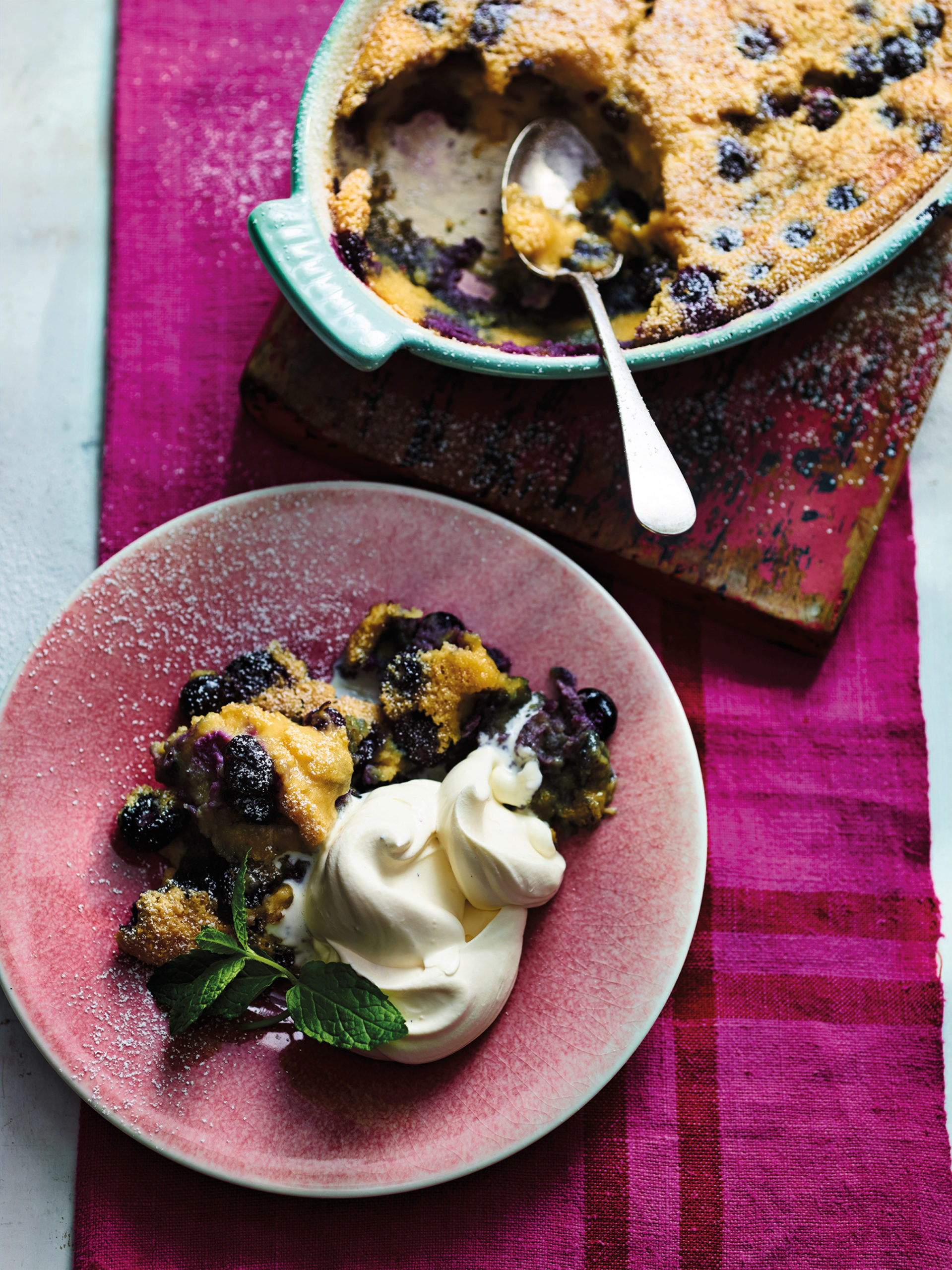
Blueberry & almond clafoutis with cardamom cream

Ingredients:

• Small knob of butter
• 100g caster sugar, plus extra for sprinkling
• 250g fresh blueberries
• Zest of one lemon
• 125ml whole milk
• 150ml double cream
• ½ tsp almond extract or 1 tsp vanilla extract
• Three large eggs
• 30g plain flour
• 40g ground almonds
• 1 tsp baking powder
• Pinch of salt

For the cardamom cream:

• 250ml double cream
• 1 tbsp icing sugar, plus extra for dusting
• Seeds of four or five cardamon pods, crushed

Prep time: 10 minutes  | Cooking time: 40 minutes | Serving: 4-6

HyperFocal: 0

Method

traditional French clafoutis is made with cherries but I love the unique, perfumed sweet sourness of blueberries, and they go so well with almond. The ground almonds make this slightly less custard-like than a typical clafoutis. Instead, it has more texture and flavour, like a deliciously light cake batter. Serving with a cardamom cream may sound peculiar, yet the combination of the citrusy, aromatic spice with the vanilla notes in the sweet berries really does work. I like to call this bluefoutis, but maybe that’s just me!

Preheat the oven to 180°C/160°C fan/gas 4. Grease a 20cm ovenproof baking or pie dish with the butter and sprinkle with two tablespoons of caster sugar to coat the inside. Put the blueberries in the bottom of the dish and scatter over the lemon zest.

Mix together the milk, cream and almond extract.

In a separate mixing bowl, whisk the eggs and sugar together until light and frothy, then stir in the flour, ground almonds, baking powder and salt. Gradually pour the milk mixture on to the eggs, whisking all the time, until the batter is smooth and creamy, but being careful not to overmix.

Pour the batter over the blueberries and sprinkle with caster sugar. Bake in the oven for 35 to 40 minutes or until puffy, golden and just set with a slight wobble in the middle.

Meanwhile, whisk the double cream and icing sugar together until soft peaks form. Fold in the cardamon until well combined. Chill until needed.

Remove the clafoutis from the oven and transfer the dish to a wire rack for 5–10 minutes. The clafoutis will deflate a little as it cools, but don’t worry! Dust with icing sugar and serve warm or at room temperature, topped with a spoonful of the cardamom cream.

Enjoy our recipes? Show us your creations on social media with the tag #RArecipes

See our other recipes

Discover dog-friendly venues in Newbury

Round & About

Newbury Business Improvement District are launching a new Dog-Friendly Trail Map in time for National Dog Day

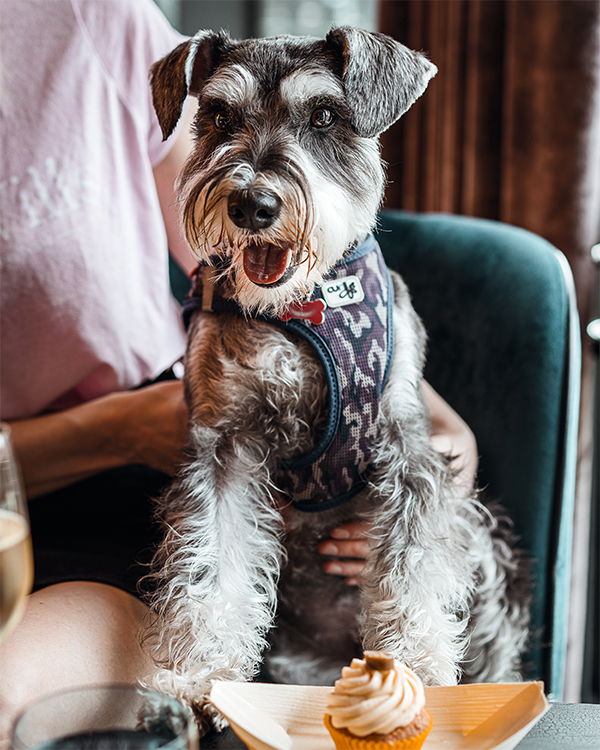
The handy pocket Dog-Friendly Trail Map has launched online in advance of National Dog Day on Friday, 26th August, to help raise awareness of Newbury’s dog-friendly venues in the town centre.

The guide also supports the national and independently owned cafes, coffee shops, pubs, and eateries.

Copies of the map are due to be distributed in matching display boxes to all 20 independent businesses and some of the national brands featured, as well as at the 48 independent businesses included on the Independent Retail Map, launched in July.

There will be a further map in late summer / early autumn, this time sporting a vegan-friendly theme

The Dog-Friendly map includes a brief description of each venue and is set to become a useful resource for dog owners to discover the best dog-walking routes within walking distance of the town centre, while signposting to dog-waste bins in and around the area to encourage keeping Newbury clean and tidy. View the map online at: visitnewbury.org.uk/maps.

The themed maps produced by the BID are the second in a series of town centre maps for Newbury under the umbrella term ‘Newbury Town Trail Maps’.

Newbury BID, the not-for-profit organisation behind the Visit Newbury brand will also be releasing a further map in late summer / early autumn, this time sporting a vegan-friendly theme. This map will promote 59 vegan-friendly businesses extending from hospitality to retail and hair and beauty venues across the town centre.

The aim of our beautifully illustrated pocket guides and online interactive Town Trails is to help support our local businesses and raise the profile of our wonderful town centre

Kirsty Lemberger, Marketing Manager at Newbury BID, says: “We’re so pleased with our dog-friendly trail maps and hope the handy pocket-sized format will encourage dog-walkers to use the map on a regular basis to locate dog waste bins in the town centre and enjoy exploring new dog-walking routes in the area.

“The aim of our beautifully illustrated pocket guides and online interactive Town Trails is to help support our local businesses and raise the profile of our wonderful town centre. Launching our dog friendly map in line with the nationally recognised National Dog Day will help to increase awareness further while supporting a cause important to dog-lovers in West Berkshire and beyond!”

Maps are available to collect across the town centre at most businesses featured on the map, and from Newbury Library, West Berkshire Museum, and in the Old Town Hall.

If you run a business in Newbury Town Centre and would like to be included on an upcoming map, please email: support@newburybid.com.

To find out more about what’s happening in Newbury, please visit: visitnewbury.org.uk/newburys-calling.

Applying to University

Round & About

Sarah Alakija of Charters Education Support helps students in the UK and abroad to make strong applications to British universities and has some excellent tips to help ahead of January’s applications deadline

The personal statement

The UCAS application can be a source of great stress for students and sometimes a bit of a mystery for parents. The main reason for the stress is usually the personal statement, a brief document aiming to convince admissions tutors that they should give a place to your child. It has to show that the student is interested in the chosen subject and has the academic potential to cope with studying it for three or four years and it can feel quite a challenge to get it right, even more so with applications for popular subjects or to competitive universities.

Getting started

Before students put pen to paper, they need to research their subject in order to be certain that it really is something that they want to study for three or four years. It’s important that students appreciate the importance of this stage and of starting it early, so that if they change their mind, it’s not too late to do another round of research. A vital part of the long-term strategy which all students should undertake is to read widely and to research areas in which they have some interest.

Once your teenager is settled into Year 12, try to get them reading books which are off the A Level/IB curriculum. You can look at the recommended reading lists that some university departments publish but they are often long and it can be tough to know where to start. And remember, everyone else will be reading those too. It can be helpful to get bespoke suggestions from a teacher or external tutor. And it doesn’t all need to be books; there are plenty of online lectures, podcasts, research journals, online courses and even virtual internships which support subject research and which can be mentioned in the personal statement.

Writing the statement

The personal statement should not be a simple list of achievements, books and work experience placements; the best ones will map out the journey which the student has undertaken in order to arrive at the decision to study the chosen subject. Did they read about it? Go to lectures on it? Visit museums, galleries, buildings related to it? Have they genuinely made attempts to engage with it and understand it? With evidence of that journey, students are halfway to convincing admissions officers that they deserve an offer. Once a student has made a genuinely informed decision to study a subject, the entire application process becomes less challenging as they can report on evidence to back up their interest.

The personal statement should not be a simple list of achievements

Tips

Once students are ready to start writing, there isn’t a magic formula for the perfect statement but there are definitely a few things which can help to make it a positive part of the application. Here are some points to pass on to them:

1. Think hard about why you want to study the subject. This is a good place to start the statement. It can be a tough question to answer though, so where it just throws up shrugged shoulders and cries of “I just love it”, try thinking of where the initial interest came from as well as considering the value of studying the subject and its wider place in the world.

2. From the super-curricular activities you have undertaken, carefully select a few topics which really interest you and which you’d be happy to discuss in the statement. You may be passionate about sustainability in engineering; behavioural economics; US-China trade wars; exoplanets; AI in healthcare; epigenetics. What gets you excited and interested? What have you researched? These should form a significant part of the statement so that the universities can see where your interests lay and can see evidence that you have looked into these areas far beyond anything in the school curriculum. This clearly shows your academic motivation.

3. Think about your structure. I suggest three or four paragraphs. One introduces your interest in the subject and reasons behind wanting to study. The next two form the bulk and should look at the specific subject areas which you are interested in. The final section can be quite short and would look at any skills which you have gained from extra-curricular activities. These should be transferable skills, meaning that they will be useful at university and beyond.

4. Structure within your paragraphs. Never forget the purpose of the statement is to show your academic motivation, your desire to study this subject in depth so keep using words which reflect that excitement. Don’t forget also not to just paraphrase things you’ve read; give your opinion too. Do you agree or disagree with the status quo? How might you do things differently?

5. There are a few overused words and phrases which you should try to avoid, such as: “From a young age”, “I have always”, “I am a team player” or “passion”. Be original and interesting.

6. If you are applying for an academic rather than a vocational subject, keep that in mind. Work experience may be useful in teaching you some transferable skills, but it won’t necessarily help you to better understand academic theories. Keep everything focused on the academic side. Look at this example put forward by Jesus College, Oxford of how to lean into the academic side of things:

“I am endlessly fascinated by how legal disputes arise, are taken through court and ultimately settled. I could read court cases happily on Christmas Day.”

This is flat and dull and has no academic focus. The following gets specific and so it is much better:

“I am fascinated by how legal professionals trade in language. The 2016 UKSC case of Hotak v LB Southwark turned on the interpretation of “vulnerable” which Parliament had left deliberately vague.”

Once students manage to get started, it’s important to have someone look over their drafts. Teachers will be offering to do this in the summer term of Year 12 and again at the start of Year 13, before submission. Allow plenty of time for the statement to be completed and, good luck, to parents and students!

Good luck, to parents and students!

Heatwave help for your gardens

Round & About

With temperatures set to soar again this week, a paucity of rain and impending hose pipe bans, how do you keep your garden going? R&A gardening expert Cathie Welch has some advice

As I write this we are being warned that temperatures are going to climb to over 40 degrees! Many people are asking how we deal with this in our gardens. Once it hits there is very little we can do about extremes of hot and cold that descend on us unexpectedly.

The lawn

Lawns naturally have a dormant season in the summer and there is no need to waste precious water trying to keep it green. Once the rains arrive in the autumn it will green up again but will need some tlc so get scarifying, aerating and topdressing. I found my grasses went brown very quickly but the lawn ‘weeds’ thrived.

The flower beds

You may have lost a few of your plants in the recent hot spells even though you tried your hardest to water them. Accept there was nothing you could do and move on. Make plans to improve the soil structure by adding organic matter and don’t forget to mulch as you weed. Consider installing drip irrigation for the future.

Pots

Plants in pots do not tolerate drying out but this can be alleviated by using a good quality compost such as wool which holds onto the water for longer. Once they have dried out it’s very difficult to get them wet again so consider plunging and soaking the root ball or top dressing with wool compost before watering thoroughly.

Lawns naturally have a dormant season in the summer and there is no need to waste precious water trying to keep it green

New plants

Do not even consider planting in the summer months unless you have an irrigation system or you are sure the water is reaching all the way down to the roots. If you must plant, place an upside down water bottle or piece of pipe next the plant to fill up each day. I’ve seen bags next to newly planted trees which act as a reservoir. Trees are notorious for dying in the drought and many suffer from ‘establishment failure’. Whether planting in the spring or autumn it is that first summer that is critical. When you have watered the plant check how wet it is by scraping the surface of the soil. You would be amazed how little the water penetrates despite spending hours of your time watering!

Old plants

Unfortunately I remember only too well the summer of 1976 after which many established trees suffered from dieback as the water table dropped below the depth of their roots in the Summer.


Moving forward

• Improve your soil by adding organic matter.
• Prevent evaporation by mulching.
• Irrigate if you can and at the very least harvest as much rainwater as you can by placing water butts and containers under every pipe and gutter.
• Learn from the plants that thrived in the heat and the ones that died.
• Think very carefully when planting new plants. If you are choosing Mediterranean plants, plant in the spring and not the autumn as they could rot over winter.
• Get to know your soil type and research the plants that would do well in your garden.

Find out more

More advice on this and other garden topics at www.cathiesgardeningschool.co.uk

John Otway & Wild Willy Barrett

Round & About

John Otway & Wild Willy Barrett bring their hugely entertaining, funny show to The Crooked Billet, Stoke Row on Wednesday 7th September.

John and Willy’s roots were originally in acoustic, roots and folk. Otway was hugely influenced by early Bob Dylan, Otway’s early gigs were on the folk circuit. In the early 70’s Willy Barrett enjoyed an enviable reputation on the folk scene. Willy features on The Contemporary Folk Guitar album with Bert Jansch, John Renbourn, Gordon Giltrap and Ralph McTell. He performed numerous times at the Cambridge Folk Festival. Willy also spent time as guitarist with George Hamilton IV.

Otway & Barrett’s grungy fast and furious fiddle, banjo and guitar with sweet and sour harmonies became pigeon-holed by the punk rock/new wave genre.

The duo have split and reunited umpteen times since their first gigs in 1971. The Who’s Pete Townshend produced and performed on their legendary self-titled debut album “John Otway & Wild Willy Barrett.

Otway has headlined Reading Rock Festival and played Glastonbury dozens of times

A legendary Old Grey Whistle Test performance where Otway’s failed amplifier leap saw him straddling the speaker, crashing on his most delicate bodily parts. The painful landing led to “Really Free” being a Top 20 hit and Top of the Pops appearances.

Over the years Otway & Barrett have headlined numerous festivals. Over 10,000 attended Otway’s home turf Aylesbury Market Square gig – filmed for the ITV documentary “Stardust Man” (Otway was originally a dustbin man).

Otway has headlined Reading Rock Festival and played Glastonbury dozens of times. Wild Willy Barrett is a regular at the Cambridge Folk Festival. The duo have performed main stage at Cropredy, and performed to 150,000 supporting The Police in Toronto.

Chart success has been sketchy. In 1980 the BBC cameraman’s dispute cancelled Otway & Barrett’s Top of the Pops performance of their single DK50/80 which consequently dropped out of the charts. The BBC banned their single “Headbutts”. Otway enjoyed a Top 10 hit in 2002 with “Bunsen Burner”, performed on one of the last ever Top of The Pops.

Otway clocked up his 5000th gig recently. The secret to John and Wild Willy’s huge cult following and popularity of their stage shows is down to an enduring, hilarious and utterly entertaining live performance and presence. Barrett is an incredibly talented musician and very funny, with the ability to swap from Django Reinhardt to punk rock in a blink. The ability to play blues slide guitar with an egg, play classical guitar (usually Otway’s) with a hacksaw and claw hammer. Otway is a brilliant songwriter, their set bounces from beautiful ballad to grunge-folk-punk to their hits: “Bunsen Burner”, “Really Free”, “Geneva” and the seminal “Beware of the Flowers (’Cos I’m Sure They’re Going To Get You Yeah!)”

Incidentally, in 2000 “Beware of the Flowers” was voted in at Number 7 by the BBC National Poetry Day poll to find the nation’s favourite lyric. The Beatle’s Yesterday comes in at Number 6.

Otway, Otway & Barrett have sold out the London Palladium, The Astoria, Hammersmith Odeon and the Royal Albert Hall (more people went to see Otway at the Royal Albert Hall than went to see Tom Jones at this year’s Henley Festival).

Hogs Back Brewery opened in August 1992 in Tongham, near Farnham, in 18th century farm buildings that at various times had stored wheat and housed cattle and, appropriately, hogs. The first casks to roll out of the original brewhouse – now the site of the Brewery Shop – and into local pubs were TEA – which was renamed Tongham TEA earlier this year.

Catch John Otway & Wild Willy Barrett at The Crooked Billet

Catch John Otway & Wild Willy Barrett at The Crooked Billet, Stoke Row on Wednesday 7th September. Pub chef and landlord Paul Clerehugh promoted many of Otway & Barrett’s big London shows. Paul played guitar on the original “Bunsen Burner” hit recording and took a choir of 1000 Otway fans to Abbey Road Studios to record the B side of the 2002 hit.

Otway & Barrett. National Treasures.

For tickets and further details contact the Crooked Billet on 01491681048 / 01491682304.

The Crooked Billet, Stoke Row, Henley on Thames, RG9 5PU

Peter Rabbit & pals at Blenheim

Round & About

Looking for something fun and immersive to do with your little bunnies in a gorgeous setting?

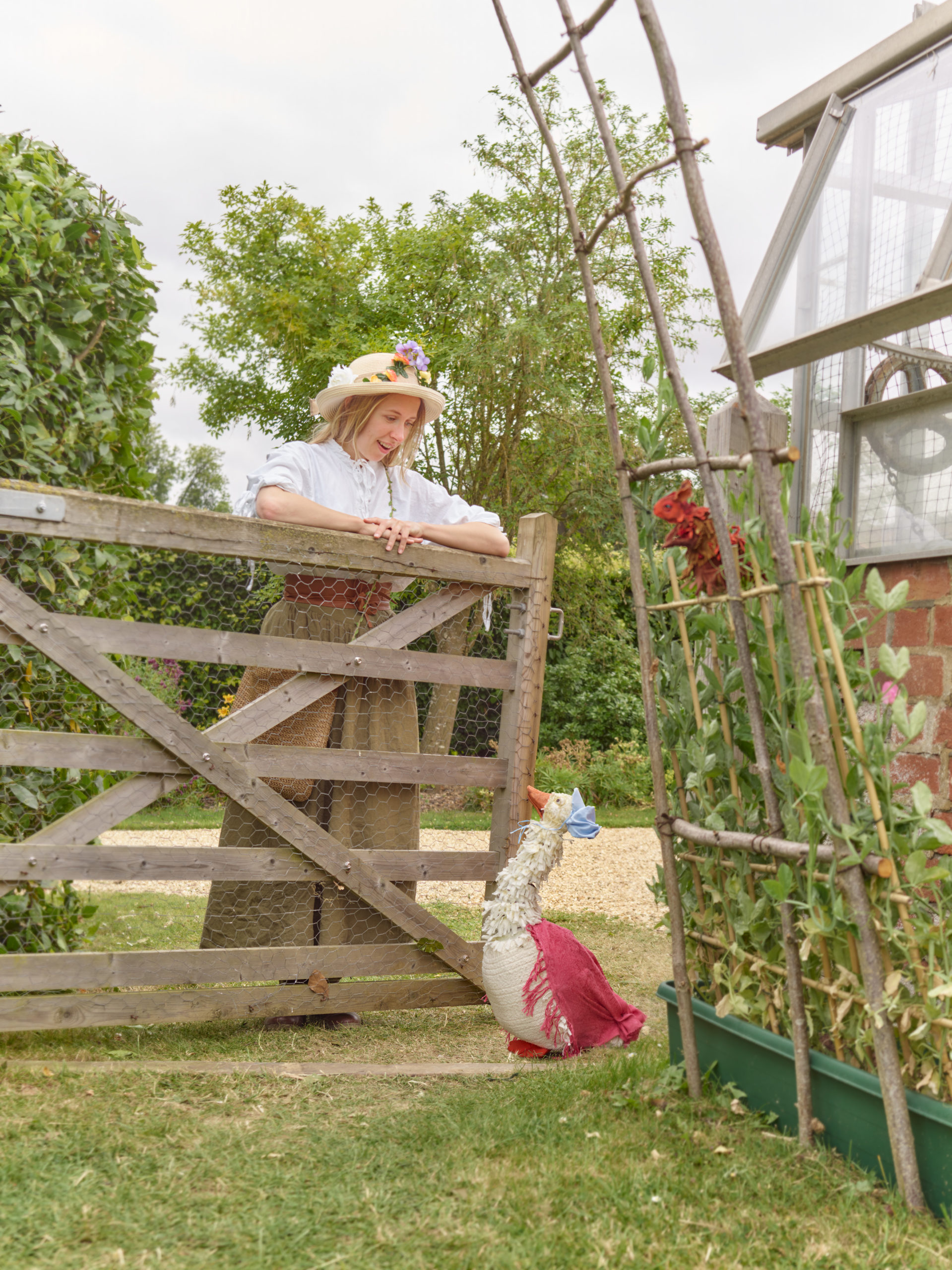
The Peter Rabbit Garden Adventure is the fabulous live immersive experience in the grounds of Blenheim Palace until 3rd September.

We have some happy bunnies here at Round & About who have loved the magical mix of storytelling, live performance, and puppetry.

Developed in association with Frederick Warne & Co, this is the first time Peter Rabbit has appeared in this way, and is also a first for World Heritage Site Blenheim Palace which has allowed unprecedented access for families trying to save Peter Rabbit from ending up in Mr McGregor’s pie.

The Peter Rabbit Garden Adventure is a fabulous live immersive experience in the grounds of Blenheim Palace

This 50-minute immersive adventure celebrates Beatrix Potter’s beloved rabbit who has starred in 250 million books sold since he first appeared at the start of the 20th century. The experience has been created by the team behind Autumn Treasure Hunt with Percy The Park Keeper At Chiswick House & Gardens.

There are also free activities on site and a Peter Rabbit Farm Shop.

Find out more

For more info or to book your trip please visit PeterRabbitGardenAdventure.com & blenheimpalace.com

Marc Antoni’s hair heroes!

Round & About

Manager of Fleet salon makes headlines with British Hairdressing Awards nomination

If you are a customer of Marc Antoni in Fleet you know your hair is in good hands – the manager of the Hampshire salon has been shortlisted for a national hairdressing competition.

Now in their 38th year, the HJ’s British Hairdressing Awards 2022, are an annual celebration of excellence, recognising the achievements of stylists from across the country.

Daniel Spiller has reached the finals in the Schwarzkopf Professional Colour Technician of the Year category and now awaits his fate at a black-tie event on November 28th at Grosvenor House, Park Lane, London.

The stylists submitted four photographs each demonstrating the breadth of their hairdressing expertise, showcasing evidence of both technical skill and creative ability. They will now submit a further four images for the final round of judging, which takes place in September.

“This is such a proud moment for us”

Daniel was nominated alongside his fellow Marc Antoni stylist, Paolo Giamettei, senior stylist at the Bracknell salon who is up for Newcomer of the Year.

“This is such a proud moment for us,” said Daniel. “These awards always bring together such exceptional talent and to see our salon and our names alongside those shortlisted is mind-blowing. This is the third time I have finalised in the colour category so it really is an honour.”
Paolo added: ‘We’d love to bring a trophy or two back to Marc Antoni and hope the judges will recognise the love and hard work that has gone into our collections.”

Jayne Lewis-Orr, Executive Director of HJ’s British Hairdressing Awards said: “Every year, HJ’s British Hairdressing Awards serve as a reminder of the passion, artistry and expertise that this incredible industry has to offer, and it is a privilege to celebrate the talent and brilliance of creative individuals from across the country.

Finalists!

“In reaching the finals, Daniel and Paolo have demonstrated excellence in all areas of hairdressing, and an ability to bring together the magical elements that make a photographic collection stand out from the competition.”

Marc Antoni’s hair heroes!

Round & About

Senior stylist of Bracknell salon makes headlines with British Hairdressing Awards nomination

If you are a customer of Marc Antoni in Bracknell you know your hair is in good hands – the senior stylist of the Berkshire salon has been shortlisted for a national hairdressing competition.

Now in their 38th year, the HJ’s British Hairdressing Awards 2022, are an annual celebration of excellence, recognising the achievements of stylists from across the country.

Paola Giamattei has reached the finals in the Newcomer of the Year category and now awaits his fate at a black-tie event on November 28th at Grosvenor House, Park Lane, London.

The stylists submitted four photographs each demonstrating the breadth of their hairdressing expertise, showcasing evidence of both technical skill and creative ability. They will now submit a further four images for the final round of judging, which takes place in September.

“This is such a proud moment for us”

Paolo was nominated alongside his fellow Marc Antoni stylist, Daniel Spiller, manager at the Fleet salon who has reached the finals of the Schwarzkopf Professional Colour Technician of the Year category.

“This is such a proud moment for us,” said Daniel. “These awards always bring together such exceptional talent and to see our salon and our names alongside those shortlisted is mind-blowing. This is the third time I have finalised in the colour category so it really is an honour.”
Paolo added: ‘We’d love to bring a trophy or two back to Marc Antoni and hope the judges will recognise the love and hard work that has gone into our collections.”

Jayne Lewis-Orr, Executive Director of HJ’s British Hairdressing Awards said: “Every year, HJ’s British Hairdressing Awards serve as a reminder of the passion, artistry and expertise that this incredible industry has to offer, and it is a privilege to celebrate the talent and brilliance of creative individuals from across the country.

Finalists!

“In reaching the finals, Daniel and Paolo have demonstrated excellence in all areas of hairdressing, and an ability to bring together the magical elements that make a photographic collection stand out from the competition.”

Cheers! Best wines for summer

Round & About

Columnist Giles Luckett recommends some sensational summer sippers available locally.

Hello.

Summer is a brilliant season for wine lovers. There’s nothing quite like being able to sit in the sun and sip some time away in the company of a diverting glass or two. Over the last 30 years, I’ve written dozens of best of the summer wines columns, most of them under strict deadlines.  Not because of pressure from my editor, but because spells of good weather have often lasted about as long as a bottle of Graham Beck Rosé (Majestic £11.99) lasts in my house. The current two-person record being 14 minutes and 18 seconds.

That certainly isn’t a problem this year. And with the forecast for our part of the country giving better odds on cloudy with a chance of meatballs than rain, here are some summer sipping wine recommendations that should bring a smile to even parched lips.

First up, a fizz. I’ve always been passionate about sparkling wines, and the last few years have proved a golden age. When I joined the wine trade, Harrods’ wine department reflected the mood of the times by listing a wide range of Champagnes but virtually no sparkling wines.

This was great for tastings – the evening we spent tasting every Champagne in the shop was one of the best tastings I’ve ever attended – but woeful for the wallet. Good (drinkable) sparkling wine was rarer than a hen’s dentures, but how things have changed…

South Africa, Australia, California, France (who knew?), and Italy all offer great tasting; great value fizzes these days. For this column, though, I’m going to recommend a homegrown wine, the Denbies Whitedowns (Waitrose £18.99). This is everything you could wish for in a sparkling wine. From the fresh, floral, white berry nose to the refined, zesty palate with its flavours of pears, citrus, and peach stones, it’s complex as it is and refreshing.

There's nothing quite like being able to sit in the sun and sip some time away in the company of a diverting glass or two.

Next up, the first of two whites. CUNE is one of the great names of Rioja. Wines such as Vina Real and Imperial are the stuff of wine trade legend, and even their entry-level Crianza (Sainsbury’s £7.50. No, seriously £7.50, I couldn’t believe it either) is brilliant. Their whites can be just as compelling, and the Cune White Rioja is deep joy Barrel fermented; this traditionally styled white Rioja offers masses of peach, red apple, and honeydew melon fruit, with overtones of spicy vanilla. Versatile enough to partner with white meats, fish, or creamy cheeses, it’s also lovely on its own.

My second white couldn’t be more different. It’s the Wine Society’s Vihno Verde (£6. ) Portugal’s wines have been a trade secret for years, though attention has focused on the reds. I’ve had quite a few of their whites of late, and if you’re looking for value and excellence, look no further. The Society’s Vihno Verde is a wonderfully pure, clean, fresh-tasting wine that is light, delicate, and has a touch of spritz to it Fruit-driven; it has a pear and almond flavour to it that finishes with a twist of lemon. The perfect summer evening sipper or elegant aperitif.

If you’re looking for a serious rosé for summer sipping, I can wholeheartedly recommend the Domaine des Echardieres (£9.50). This is made by Vineyard Productions, which is headed up by Liam Stevenson, the youngest ever Master of Wine and someone who holds world records for rowing across the Atlantic. Hero worship is due, especially when you try his wines. The dedication to the cause of creating great wines with a ‘taste of place’ shines through this delicious Loire Valley wine. Made from Cabernet Franc, Gamay, and Malbec, it offers an intriguing blend of blackberries and green peppers from the Cabernet, cherries from the Gamay, and a richness and a hint of ripe plums from the Malbec. This is an outstanding choice in a cluttered and often disappointing rosé market, where presentation counts for more than contents.

And so to the reds. My first choice is a perennial summer favourite of mine, the Zuccardi Los Olivos Malbec (£11.50 Oxford Wine Company). I’m a massive fan of Argentinean Malbec, and Zuccardi is one of the finest producers of it. Inky purple, the sumptuous nose is a combination of stewed black fruits, offset by notes of raspberries and rose petals. In the mouth, it’s generous, full, multi-layered, and offers everything from blackcurrants and chocolate to red berries and charcoal. This is an absolute must for barbecued red meats.

And finally, another wine from Liam, the Petite Immortelle (£11.95 Vin Cognito). This hails from the South of France’s Roussillon region and is a traditional blend of Syrah, Grenache, Mourvedre, and Carignan. Earlier this year, I tried this with its big brother, the Immortelle (£20.95 Dawe Wines), and I knew that both would make my top ten wines of the year. The Petite Immortelle is approachable now (its big brother is a beast that needs time to show its full beauty) and offers up masses of sweetly toned black fruits, plum skins, smoke, herbs, and a long minerally finish. This is another outstanding wine from a winemaking team that is doing some fantastic things.

Until next time...

Well, that’s me, for now at least. Given a following wind and an available glass, I’ll be back soon with a few words on affordable fizz.

Giles