Christmas Sparkling Wine Guide  

Round & About

Round & About Magazine’s resident wine columnist Giles Luckett recommends some fabulous festive fizz that will make your Christmas sparkle

With the holiday season now a cork’s throw away, I thought I’d share some recommendations for festive fizz that won’t break the bank. Champagne prices have risen sharply over the past few years. This has been partly a hangover from the pandemic, partly as a succession of great vintages has pushed up demand. As I said in my recent article on The Best Champagnes of The Year, many champagnes are seriously expensive, but great sparkling wine can still be affordable.

Once upon a time, sparkling wine was something best avoided. In my early trade days, it was often sold under that chilling euphemism, ‘party wine’. It was usually cheap, made from grapes as (ig)noble as Mauzac or Treabbiano using a tank and a giant bicycle pump and had all the joy of a wake. It took non-French winemakers, notably in Spain and the New World, to show that sparkling wine could be serious and great value for money. Today, the wine world is awash with cracking sparkling wines offering beauty on a budget and here are my recommendations for sparkling wines that will be the life and soul of the party.

First up, a Prosecco, the Terra Organica (Sainsbury’s £12). This is one of the best Prosecco I’ve had in a long time I’m mid-way down the second glass it’s become cloying and insipid. The Terra Organica avoids this, I suspect, through cool fermentation and by giving it time on its lees (yeast and other elements left over after fermentation), it certainly has a savoury, creamy edge to the pear and peach fruit. Great on its own, this has the intensity and weight to partner with salty appetisers or smoked fish.

Next, a Cava. I had to drink, sorry, think, long and hard about this one as there are so many excellent Cava’s out there. The Cune Cava (Majestic £10 on a mixed 6), the Roger Goulart Brut Reserva (N.D. John £15.95), and the Contevedo Cava Brut (Aldi £5.79) are all great wines. But the one that’s consistently stood out for me this year is the Vilarnau Brut Reserva Organic Cava (Ocado £11). Vilarnau takes Cava incredibly seriously, using organically framed grapes from their own vineyards to produce a dazzling wine that’s fruit-driven and characterful. The nose is a joyous mix of flowers, red and white berries, yeasty, and blackberries. In the mouth, it’s full, and creamy, and offers layers of white and yellow fruits interspersed with red berries, and a clean, lively finish. Enjoy this lightly chilled with olives, blinis, and other savoury party foods.

English sparling wine has been the toast of the trade of late, and while some have got the eye-poppingly pricey – the Nyetimber 1086 Rosé Prestige Cuvée will set you back £175, about the same as a bottle of Dom Perignon – many remain well priced. Take the Tesco English Sparkling Wine (£18.50 with a Clubcard). Made at the award-winning Balfour winery in Kent from a blend of Chardonnay, Pinot Noir and Pinot Meunier, it offers tangy green and red berry fruits, crisp green apple and pear tones and a lovely creamy yeastiness to the finish. A class act, a glass or two of this would be a fine way to toast the big day.

New Zealand has proved to be a whizz with fizz. This isn’t much of a surprise given the splendour of its still Pinot Noir and Chardonnay wines and the talented winemaking team at Villa Maria have built on their successes with these noble vines to produce the Villa Maria Sparkling Cuvee Brut (Sainsbury’s £14). This is a wine that’s easy to love. Everything about it, from its soft blossom and pear nose to its plump, textured body of peach, grape and honeydew melon, is easy drinking but complex and satisfying. It’s also one of those wines that makes you wonder if sparkling wine bottles are smaller, for no sooner have you opened it than it’s empty.

Riesling is arguably the greatest grape variety in the world. Few (if any) grapes can produce wines of such majesty in such an array of styles, from bone-dry stunners such as the Hugel Classic Riesling (Majestic £22.99) to luscious, sweet wines that can age for decades such as the Dr. Loosen Beerenauslese (Noble Green Wines £19.90). It can also produce exceptional sparkling wines as the Von Buhl Riesling Brut 2019 (Laithwaites £22 or £17.99 when you buy any 12) proves. This is a curious wine, that seems to meld two distinct styles. On the one hand, it’s a fresh, concentrated Riesling, green apples, nectarines, minerals and flowers, while on the other, it has an apricot, dried pear and honey richness from the extended bottle ageing. An intoxicating combination, like all good Rieslings this is a wine for the mind and the mouth.

Want to add a touch of bling to the season? Then pop open a bottle of the Bottega ‘Gold’ Prosecco (Majestic £19). There’s more to this wine than meets the eye, which is saying something. Produced at an estate that can trace its roots back to the 17th century, it’s made from grapes grown in Valdobbiadene – the finest Prosecco-producing area – with an attention to quality and detail that’s more commonly associated with champagne. The bouquet offers aromas of orchard fruits, citrus, pears and salty-creamy yeast tone. The palate is richer and weightier than most Prosecco’s and the fruit flavours go beyond the usual pears and nectarines to lemon and lime, raspberry and rhubarb. Impressive, this is a wine to enjoy chilled as an aperitif or with cold white meats.

I couldn’t write a fizz column and not mention the winery that provides our house fizz, but rather than recommend the Graham Beck Vintner’s Selection (Tesco £13.50), I’m going for something else from their improbably impressive range, the Graham Beck Rosé Brut NV (Waitrose £16.99). The main difference between the white and the rosé Beck, aside from the gorgeous pink colour, is that the rosé has just a bit more red berry fruit and is a touch riper. Now your eyes will deceive you when it comes to tasting wine and seeing a rosé wine the brain will leap to a load of conclusions as to what it thinks you should taste and these will show up on the palate. Practice, and a little blind tasting, can help you see what’s there and not what you think should be there. I’ve tasted these two against each other blind and there’s more raspberry and strawberry fruit to the rosé and a little less of the exotic coconut and Asian herbs you find in the white. A great wine that’s a steal at this price, I can see us needing a bigger recycling bin by New Year.

Next time out, Christmas wines.

Cheers!
Giles


Latest posts

Balancing Family Life & Live-In Care

Round & About

As the holiday season approaches, many families are faced with the challenge of balancing caregiving with their daily lives. For families supporting elderly or disabled loved ones, live-in care can be a wonderful solution to ensure they receive around-the-clock assistance while keeping family life intact. 

In this post, we’ll explore how integrating live-in care into family life can be both seamless and rewarding, how it impacts family dynamics and how it can create time for family celebrations during the holidays.

How can live-in care be integrated into family life?

Live-in care brings a professional carer into the home to provide 24/7 support, allowing your loved one to remain in familiar surroundings. While this offers many benefits, integrating live-in care into family life does require some thoughtful planning. Here are a few steps families can take to ensure a smooth transition:

1. Open Communication: Before a live-in carer moves in, it’s important for family members to discuss what this change will mean. Consider holding a family meeting to set expectations and address any concerns about privacy, space and responsibilities.

Clear Roles and Boundaries: Each family member may have specific tasks or routines they prefer to handle themselves, such as cooking meals or running errands. Defining roles and setting boundaries early on helps everyone understand how they’ll collaborate with the carer, reducing potential friction.

Build Trust Gradually: Introducing a new person into your home can be a big adjustment. A gradual approach to building trust can help everyone feel more comfortable. Consider introducing family members slowly whenever possible to allow your family to form a natural bond with them.

Involve the Carer in Family Activities: Inviting the live-in carer to occasional family dinners or gatherings helps them feel integrated into the family unit, fostering a sense of harmonious living. This also helps your loved one feel that the carer is a part of their daily life rather than just a professional presence.

By focusing on these steps, families can make the process of integrating live-in care into family life smoother, creating an environment where everyone feels valued and supported.

Challenges of Balancing Family and Live-In Care

While live-in care offers many advantages, families may face certain challenges when balancing family life with a live-in carer in the home. Addressing these challenges proactively can make a significant difference.

Here are some of the common challenges and how families can overcome them:

1. Privacy Concerns: One of the most common challenges is privacy. Having an additional adult in the household can make family members feel like they have less personal space. Setting up a designated living area for the carer, separate from family common areas, can help maintain a balance between privacy and support.

Adapting Family Routines: Live-in carers often follow schedules to meet the needs of the person they’re caring for, which may impact family routines. Families may need to adjust their routines slightly to accommodate these caregiving schedules, especially around meal times or social gatherings.

Managing Family Dynamics: Introducing a new person into the family environment may temporarily shift family dynamics. Open conversations can help family members adjust to this change, especially when young children or teenagers are involved.

By recognising these challenges, families can create a plan to address them and establish a stable, collaborative environment that respects both the family’s needs and the carer’s role.

How Live-In Carers Impact Family Dynamics

Live-in carers inevitably impact family dynamics. Their role within the home affects relationships, routines and responsibilities – often in positive ways but sometimes it can be a challenge and require adjustment. This is absolutely normal, and for most families, it gets easier over time. 

The benefits often outweigh any potential early concerns. When a live-in carer assumes the daily responsibilities of caregiving, it can significantly alleviate the emotional and physical strain on family members. This shift allows families to focus on nurturing their relationships with their loved one instead of constantly being preoccupied with caregiving tasks. By reducing the burden, family members can experience greater peace of mind, which enhances their ability to be fully present and emotionally available.

Live-in carers bring a level of professional support that goes beyond what most family members can provide. As trained professionals, they are skilled in assessing and responding to various health needs, offering a reassuring layer of security for families. This expertise often elevates the standard of care, benefiting everyone involved and fostering a sense of overall well-being.

With the day-to-day caregiving tasks managed by a professional, family members have the freedom to enjoy quality time together. Freed from the constant demands of caregiving, families can focus on meaningful connections and shared moments with their loved one, making their time together more enjoyable and memorable.

Additionally, the presence of a live-in carer can create a more positive atmosphere within the household. Family members, no longer feeling solely responsible for caregiving, may experience increased happiness and relaxation. This uplifting environment benefits everyone in the home, including the loved one receiving care, as the supportive, relaxed atmosphere promotes a sense of warmth and comfort.

Live-in carers often bring emotional benefits as well. By joining the family in celebrating special occasions and bonding with the family member they care for, carers often bring a sense of warmth, stability and familiarity that adds value to the family dynamics.

Celebrating the Festival Season with the Help of Live-In Care

With the holiday season around the corner, live-in care offers families an incredible opportunity to enjoy the festivities without the usual caregiving stress. 

Here’s how having a live-in carer during Christmas, New Year and any other religious or cultural festivals can make the season more enjoyable:

1. Freeing Up Time for Celebration: Live-in carers manage daily care responsibilities, allowing family members to focus on holiday planning, shopping and decorating without added pressure. This extra time lets everyone fully embrace the holiday spirit without feeling stretched thin.

Support During Family Gatherings: During family gatherings, the carer can assist with mobility support, dietary needs, or personal care, ensuring that the loved one receiving care can be comfortably involved in the celebration. Their assistance helps family members to relax, knowing their loved one’s needs are professionally met.

Helping with Holiday Preparations: Carers can be a huge help during the holidays by aiding with food preparation, gift wrapping and other tasks that require an extra hand. This allows families to focus on spending time together rather than being pulled away by holiday chores.

Ensuring Safety and Comfort: If your loved one has specific needs, such as medication schedules or health monitoring, the live-in carer’s presence can provide invaluable peace of mind during the excitement of the holidays. Families can rest assured that their loved one’s needs will be met while they participate in the holiday cheer.

With the support of a live-in carer, families can experience a more relaxed, meaningful holiday season; focusing on togetherness and joy rather than juggling care duties with festive obligations.

Final Thoughts

Integrating live-in care into family life can provide numerous benefits, from reducing the burden on family members to enhancing the quality of life for loved ones who require assistance. While challenges may arise, a proactive approach to communication, boundaries and family dynamics can create a balanced and positive home environment.

As the holiday season approaches, the gift of live-in care can be particularly meaningful. By easing the caregiving load, it enables families to focus on what truly matters: spending time together, making memories and celebrating the season without the usual stress of caregiving duties. With a live-in carer by your side, you and your family can enjoy a season filled with warmth, joy, and harmony.

For more information about how Eximius Live-In Care can support you and your loved ones needing additional support please call us on: 0203 794 9933

Or email: info@eximiussupport.uk

www.eximiussupport.uk


Latest posts

Clip ‘n Climb in High Wycombe

Round & About

Jacob Dixon scales new heights at the brand new Clip & Climb at Eden Shopping Centre

Climbing the walls at home? Looking for somewhere where little high achievers can let off some steam? The new Clip ‘n Climb features 22 challenges and 27 climbing lines tailored to all ages and abilities.

No climbing experience required: newbies are welcome here! Clip ‘n Climb – considered “the Mini Golf of Climbing” – promises fun for everyone in a safe, colourful environment.

The centre at the Eden centre features 22 challenges and 27 climbing lines tailored to all ages and abilities and is one of many upcoming retail and entertainment openings at Eden Shopping Centre.

Our young tester Jacob says he had a great time on the Stairway to Heaven and the epic Drop Slide, both of which are popular in the company’s other centres, including the one in reading run by the same franchisees Chris, Chambers and Jon Robinson.

The centre offers birthday party packages as well as SEN sessions with the friendly, attentive, patient and encouraging staff, with reduced music.

These sessions are a great way to introduce your little one to climbing with safe and fun sessions that will enhance motor skills.


Latest posts

10 top hotels in Hampshire

Round & About

Here the Good Hotel Guide invites you to explore 10 of the top hotels in Hampshire. From the wild beauty of the New Forest to the historic haunts of Southampton, country house hotels to bijoux retreats, these are hotels that are destinations in their own right.

Best luxury and boutique hotels, B&Bs in Hampshire – Good Hotel Guide

The Montagu Arms, Beaulieu

The Montagu Arms | Country House Hotel in Hampshire, New Forest

A restaurant-with-rooms in the village on Beaulieu Water, the Montague Arms offers traditional architecture and contemporary hospitality. On the banks of the Beaulieu river, the wisteria-clad Victorian hotel is popular for its food, offering both a fine-dining restaurant and a pub called Monty’s Inn. Many of the rooms overlook an enchanting garden, allowing you to wake to a view of wild ponies wandering by. There are also dog-friendly, open-plan courtyard studios in the grounds, each with a private terrace, and there’s a general atmosphere of relaxation to ease you into your stay.

Lime Wood, Lyndhurst

5* New Forest Hotel | Lime Wood

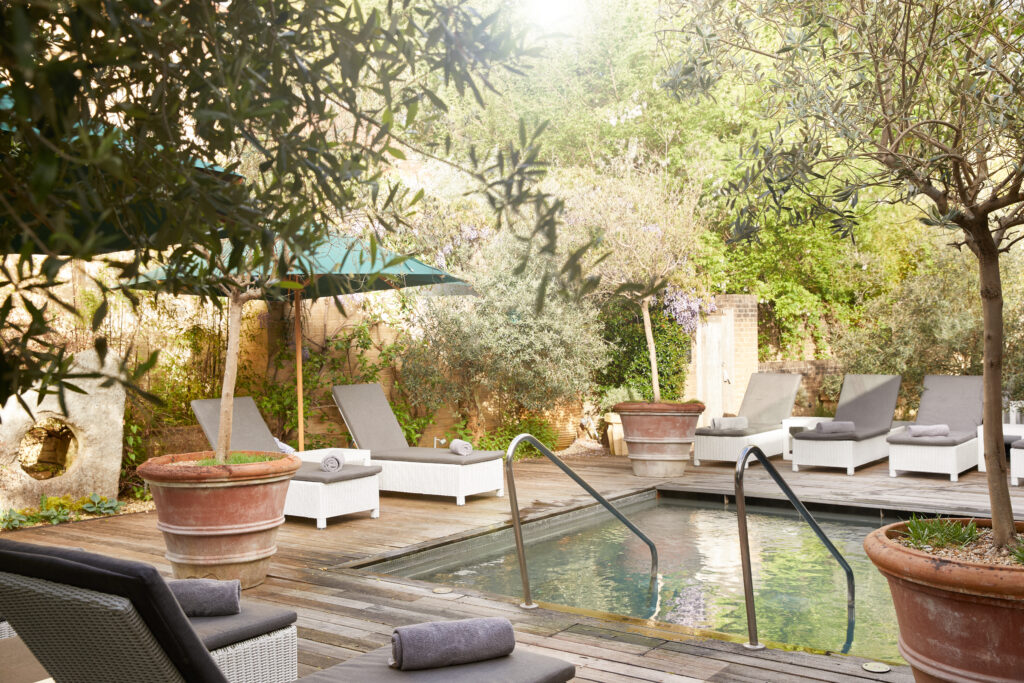
A five-star hotel in the New Forest, Lime Wood is an idyllic combination of natural beauty, heritage architecture and modern style. The country house hotel is the ultimate retreat, just a 90-minute drive from London, and surrounded by ancient woodland. It’s also home to The Herb House Spa – a dedicated space for wellbeing, complete with forest views from the sauna and hydro pool. A luxury retreat set within the grounds, facilities include a mud house, outdoor hot pool, rooftop techno gym, ozone-treated lap pool with glass doors to the garden, and a manicure and pedicure room.

Chewton Glen, New Milton

Chewton Glen Hotel & Spa | 5 Star Luxury Hotel in the New Forest

A five-star country house hotel and spa, Chewton Glen combines heritage elegance with modern hospitality. There are stylish rooms and suites to choose from in the main house, all with traditional decoration and sumptuous furnishings, as well as unique treehouse suites that make the most of their enchanting New Forest location. They allow you to wake amongst the treetops, watch deer roam by, and an extra layer of connectivity with nature.

The Pig in the Forest, Brockenhurst

THE PIG, New Forest Hotel & Restaurant in Brockenhurst – THE PIG

Named because pigs have foraged in these parts since the Norman Conquest, The Pig in the Forest is a popular member of Robin Hutson’s collection of piglets. There’s a variety of rooms to stay in, from hideaway suites in the stable yard, to lodges and a forest hut at the bottom of the garden. Food is a feast for sit senses using ingredients from the kitchen garden or grown and reared close by. Dishes might include wild garlic tagliatelle, goat’s cheese and walnuts, or venison loin with artichokes and smoked yoghurt.

Stanwell House, Lympton

Stanwell House Boutique Hotel – Lymington

Following an extensive refurbishment by the new owners, Stanwell House is a Georgian hotel in a New Forest yachting town on the edge of the Solent. A family-friendly, dog-friendly bolthole, it’s chic but warm, with each room offering its own unique charm. There are heritage influences to the interiors, a glass orangery for lunch, and a decadent restaurant, Samphire, with exuberant pink and purple Colefax & Fowler floral wallpaper and a lavish menu.

Daisybank Cottage, New Forest

Daisybank Cottage Boutique Bed and Breakfast, Brockenhurst 

Surrounded by free-roaming ponies and donkeys, Daisybank Cottage is an Arts and Crafts-style single-storey house in the magical surroundings of the New Forest. A family home turned boutique B&B, attention to detail is paramount. All rooms have an espresso machine, mini-fridge, Roberts radio and Bramley toiletries, while the spectacular Marryat Suite (named after Captain Frederick Marryat, author of The Children of the New Forest) is complete with a private entrance, patio area, barbecue and heater. Place your breakfast order in a flowerpot outside your door at night with options including American pancakes, homemade granola and soda bread, local free-range eggs, kombucha, kimchi and microgreens.

The Pig in the Wall, Southampton

Boutique Hotel in Southampton City Centre | THE PIG-in the wall – THE PIG

A city-centre bolthole and the smallest of The Pig hotels, the Pig in the Wall is as stylish as its siblings but unique in every way. Tucked away in the medieval walls of Southampton, the historic building welcomes you into the world of rustic wooden table and chairs, low sofa seating, a roaring log burner and cosy corners. There’s a deli-bar serving food sourced from the kitchen garden at The Pig, Brockenhurst, and homely rooms with plush bedding and elegant furnishings.

The Grosvenor, Stockbridge

Home – Grosvenor Hotel

A little gem dating back to 1822, The Grosvenor sits proudly at the heart of Stockbridge, the smallest town in England. A town that’s home to the world famous chalk stream River Test, it’s a popular spot for fly fishing, shooting, walking and cycling, with guests returning to the immaculate retreat for rest and relaxation afterwards. Dog-friendly (dogs beds available), you can stay in a choice of rooms within the main building, as well as The Tap two-storey cottage adjacent to the hotel. There are also multiple dining areas, each with its own decadent style, from the Market Room restaurant with its intricate chandeliers and a stunning verre églomisé mirror, and the stylish 1822 Bar – perfect for coffee and cake or drinks and nibbles.

Burley Manor, Burley

Country Spa Hotel In The New Forest | Burley Manor

A country house hotel and spa, Burley Manor is a New Forest retreat with a contemporary eclectic twist. The property dates to 1852, and is a spectacular baronial-style manor house set within an 800 year old estate. It’s also just a few minutes’ walk from the picture-perfect village of Burley. Rooms are split between the main house and the garden wing, all individually designed with thoughtful details. Imaginative menus champion local ingredients, and are served in an elegant dining room. Meanwhile, wellbeing is enhanced with a treatment room where they offer TEMPLESPA therapies to rebalance and restore.

New Park Manor, New Forest

New Park Manor | Luxury Family Hotels

Part of the Luxury Family Hotels group, New Park Manor is a stylish and welcoming retreat in the heart of the New Forest. A hideaway for nature lovers, it’s surrounded by woodland trails and opportunities to watch resident deer and ponies go about their day. Rooms offer contemporary comfort and easy going style, while dining is a feast of seasonal menus in The Vinery Restaurant, complete with family-friendly amenities such as games like Dobble, Bugaboo Giraffe highchairs, and a children’s menu. Completing the experience, the spa is an adult-only haven with two outdoor hot tubs and forest views, an indoor pool, sauna, steam room and Somadome technology-enabled meditation pod.


Latest posts

Port of call: Christmas Port recommendations!

Round & About

Giles Luckett recommends the best fortified wines to enjoy this Christmas 

“Deck the halls with boughs of holly, it’s Christmas, pass the Port and let’s get jolly.” OK, those lyrics didn’t make Thomas Oliphant’s final version, but its message of festive cheer still rings true.

Christmas and fortified wines go together like crackers and bad jokes, re-runs of Harry Potter films, and trips to the vet as the dog’s eaten another chocolate off the tree, or is that just us…? Anyway, if you’re considering indulging in some fortified wines this holiday season, the following are guaranteed to bring a warm smile to your lips.

I’ll start in the country which is widely regarded as the spiritual home of fortified wines… Argentina. Hmm, not sure that’s right, but I am sure that the Zuccardi Malamado Fortified Malbec NV (Taurus Wines £16.99) is a brilliant wine that will be on show at my house again this year. Inky purple, the nose is pure Malbec and offers plums, chocolate, a touch of peppermint and a lovely floral note. At first taste, you wouldn’t know the Malamado was fortified. There’s the rush of the blueberries, cherries, chocolate, and cassis you’d expect from a fine Malbec and it’s only as you get toward the warming finish that the delicate sweetness and power come through. I’ve had this on its own, with cheese, chocolate puddings, and roasted red meats and it’s worked splendidly with all of them.

Next, an example of the most underrated fine wine on Earth, a Madeira. Madeira has long had an image problem being seen as an old lady’s drink. Well, if that’s the case, call me Gertrude and take me to the day centre. This extraordinary wine ranges in style from bone to dry to sweet and offers complexity, versatility, and a wonderful moreishness as Blandy’s 5-Year-Old Reserva Madeira (Waitrose £15.99) shows. Packed with dried fruits bordered by citrus, caramel, and warm spices, with honeyed grapefruit to the smoky finish, it’s warming yet fresh, sweet but tangy, and goes wonderfully well either chilled as an aperitif or at room temperature with fruit, cheese or nuts.

Sherry is another massively underappreciated wine, especially when you get into the realms of fine wines like the Barbadillo Pastora Manzanilla Pasada (Flagship Wines £11.99). Crushed nuts, yellow fruits and savoury yeast on the nose are followed by a nutty, clean, dry palate offering hazelnut paste, camomile tea and creamy yeast flavours with red apples, pears, and apricots. Vibrant with a satisfying blend of fruitiness and savouriness, serve this chilled with pâte or salty hors d’oeuvres.

If you like your wines dark, rich, and heady, then try the Apostoles 30-Year-Old Palo Cortado from Gonzalez Byass (Majestic £29.99). This magnificent wine starts life as a pale, dry sherry, a Palo Cortado (think of a Fino sherry such as Tio Pepe but with a tan), but after three decades of ageing, it’s transformed into this unique, unctuous, and immensely complex delight. Christmas cake richness populates the nose with extra interest added by salted caramel and grapefruit. On the palate, it’s wonderfully soft and full, with dried brown fruits, spices, treacle and vintage marmalade all held to account by a dry finish and cleansing acidity. Savour this on its own or with fine white and blue cheeses.

I can’t talk about fortified wines and not mention a few Ports. For many, Port is the ultimate fortified wine, and with its range of styles from off-dry white Port to nutty oak-aged tawny Port, to the delightful bottle-aged vintage Ports, there’s a Port for every occasion.  I’m a signed-up member of the ‘Port is for life, not just for Christmas’ society, but if you are looking for some Port for Christmas try one or two of these sensational sippers.

First up, a wine that’s liquid Christmas, the Adnams Finest Reserve Port (£15.99).  This gloriously indulgent Port has a nose packed with dried black fruits, festive spices, and a herby/medicinal edge.  Deep purple with a mouthcoating, luscious body, you’ll find everything from prunes to cloves, blackcurrant jam to fresh mint on show.  As well as being delicious, this is also cracking value and makes for a fine aperitif or the perfect partner to puddings or the cheeseboard. 

The Kopke Colheita 2001 (Secret Bottle Shop £46.95) offers a different take on Port.  This wood Port was aged in barrel for many, many years, giving it a beautiful ruby robe and a bouquet combining cherries, almonds, raisins and coffee.  In the mouth, it’s noticeably drier than the Adnams, with a fresher feel that delivers strawberry, citrus, sweet and sour cherries and nuts before the warming spirit comes in at the end bringing notes of coffee and almonds.  Serve this stunner lightly chilled with roasted nuts, cheese or cold brown turkey. 

As it’s Christmas I’ll finish with a couple of rare treats, in the shape of vintage Ports.  Vintage Port – ones made from a single year’s harvest and aged in bottle rather than barrel – make up just 2% of Port production.  The finest examples balance power with generosity, intensity with delicacy, and immediacy with an almost endless lifespan.  This year, I’ll be decanting a couple of bottles of the Dow 1985 Vintage Port (MWH Wines £72).  1985 was an outstanding year for Port and the Dow 1985 is now drinking beautifully.  Inky purple with a hint of tawny to the rim, the bouquet is a decadent mix of figs, prunes, chocolate, spices and herbs, with notes of mint and charcoal.  Marvellously full-bodied and silkily textured, it offers black figs, damsons, blood oranges and cherries in a harmonious fashion.  The finish brings minerals, drying tannins and the promise of even more to come.  Pair this with berry-based puddings or full-flavoured cheeses. 

If you’re looking to push the boat out, right out, so far out that you’ll need to take a ferry to get it back, then I recommend the Taylor’s 1955 (MWH Wine £480).  Like ’85, ’55 was an exemplary year Port vintage and this being from Taylor’s, it’s had the power, extract, and fruit to age magnificently.  I drank this last year, and it was in show-stopping form.  Chocolate brown with just a hint of ruby at the rim, the bouquet was lively and intense, lifting notes of preserved figs, caramel, dark honey, cherries, raspberries, dried leaves, and mint to the rim of the glass.  While it may be nigh-on 70 years old, it’s wearing well.  Medium-bodied, it’s now a mosaic of dried fruits, candied peel, coffee, milk chocolate and apricots with a spicy, firm finish.  An absolute tour-de-force, it’s still got time on its side.  Savour this on its own for a memorable wine experience. 

A quick note on buying old wines.  Always buy from a specialist merchant that you can trust.  Old wines, even robust ones like vintage Port or Madeira, need careful storage and handling if they are to show their best.  MWH Wine, for example, is known in the trade as Port specialists and has been described by Jancis Robinson MW in the Financial Times as, ‘An excellent source of mature Ports’.  So, if you’re thinking of treating yourself this Christmas or are looking for an anniversary wine for 2025, these guys or one of the other big name online merchants are the place to look. 

Right, well I’ve got a fizz tasting to attend for my next column, so I’ll be away.  More soon…  

Giles 


Latest posts

Stylish footwear from R M Williams

Round & About

Australian brand R.M.Williams has a stylish new store in Marlow showcasing the brand’s footwear & accessories

Marlow is literally half a world away from the rugged Aussie outback. However, this well-heeled town might well be the perfect stomping ground for R.M.Williams, the heritage footwear, apparel and accessories brand.  

Founded 92 years ago, Reginald Murray Williams’ vision was to craft high quality, durable boots and leather goods, built to last in the Australian landscape. Renowned for signature one piece of leather construction, R.M.William’s technique not only enhances the boot’s durability and integrity but also creates a seamless look that’s stylish and functional, at home in the countryside and a busy city office.  

“The UK has been part of the R.M.Williams story for many decades,” says Paul Grosmann, the brand’s CEO, “and we’re thrilled that our next chapter of UK investment is spearheaded by the impressive new Marlow opening. Marlow’s heritage and character makes the town an ideal setting for introducing the brand’s handcrafted products to a community who appreciate quality authenticity.”   

Located at 46 High Street, the 1,700sq ft store features R.M.Williams’ new retail design concept, first introduced at the brand’s global flagship store in Sydney last December. The new store embraces the skills of local British craftspeople, set against a backdrop of leading-edge retail innovation. In terms of product, the Marlow store will include new season boots, apparel and accessories, a Marine Blue Comfort Craftsman, exclusive to the Marlow store and the brand’s largest women’s offering in the UK.   

Among the British craftspeople R.M.Williams has partnered with for the Marlow opening are furniture makers Timberwoolf and Morgan and Rush Matters, the Bedfordshire creator of the Marlow window plinths and in-store risers, woven from British rush, harvested by hand.   

R.M.Williams operates two London stores in New Bond Street and Berwick Street, Soho, and sells through 90 wholesale partners nationwide. A second new R.M.Williams store will launch in Cambridge in December in line with the brand’s strategy to target UK towns with a high concentration of consumers who value quality, craft, and timeless heritage.    

Pop by the store, open seven days a week, for Christmas shopping! Visit Marlow | R.M.Williams®


Latest posts

2025: The Year of Solo Trips?

Round & About

Robbie James looks at ‘going it alone’, don’t be afraid to do what you want just because you have no one to do it with, you may just enjoy it more…

I have some ludicrously brilliant people around me, and I love them an amount that I can’t be bothered to try and formulate into words here – but that doesn’t mean I don’t completely love the time I spend with… well, none of them.

Going to a restaurant, sport, or a gig on your own is daunting, especially when you’ve never done it before. People will be wondering why I’m the only person on my own, won’t they? Everyone will feel sorry for me. They’re gonna think I’m some sort of creep. Will they think I’ve been stood up? No. They won’t. They probably won’t notice, and if they do, they probably won’t care for more than seven seconds.

Pushing yourself to go and do that thing you want to do but have no one to go with is one challenge, the second is actually following through once the experience is in motion. Once you’ve looked at the menu or bought your tickets or have made your way into the waiting area, can you resist a scroll of Instagram?

Can you avoid resorting to taking a few minutes to leave a Google review for the Cineworld you went to last month, or replying to O2 about the fact your latest bill is available (even though in no uncertain terms it began with ‘DON’T REPLY’)? That phone is your ultimate get-out-of-jail-free card that can save you from not having to look up. It’s so hard! Break through the barrier once, and you’ll be grand the next time around.

I’m away filming and actually writing this in my notes while solely taking up a table of six (I was told to sit there, before the space efficiency police start) in Gloucester Quays’ Côte, waiting for my Mushroom Cassoulet. Wait, I’m on my phone. What a hypocritical meringue. I’ll continue later.

Ok I’m back, banging dinner. I’m a sucker for a Chestnut Mushroom. So as I was saying…

Cricket has always felt like a nice getaway to enjoying solo activity. A County Championship match can take four whole days. You run out of people who have their entire Wednesday to burn, and you can’t spend eight hours on your phone (I’ve tried), so I’ve watched plenty of cricket while thinking about… absolutely nothing.

Aside from cricket, my first proper solo trip was when I took myself to Paris a couple of years ago. I was sad and decided I wanted to spend some time with myself; so, naturally I went to a city with 2.1 million people within it. But that was kind of the point.

Everyone was doing something. All those around me in the wine bar were catching up with pals or talking business. I sat and let it all happen. I let my brain wander from one thought to the next, and thought about those things that you don’t have any time to pay attention to when you’re socialising.

I’d love for it to be more normal to do things on our own. Why is it you have to be above a certain age to have an overly priced flat white while watching the trials and tribulations of the high street?

You don’t have to banish any social life you’ve ever had – socialising is one of the great things of all the great things. Do though go to a gig even if no one is free, or just go and have a beer at the pub enjoying the one afternoon of winter sunshine we’re getting this month. Break through the awkwardness, and I promise you’ll enjoy it even more the second time around.


Latest posts

Garden Room Extension: A Complete Guide

Round & About

A garden room extension can be a highly rewarding investment. Discover all you need to take into consideration, including planning, design and cost.

A garden room extension can create extra living space, provide a lovely location for a home office, or allow room for a tranquil retreat. All in all a highly rewarding investment. 

One company at the forefront of building bespoke oak-framed garden rooms is The Classic Barn Company. Renowned for their expertise in constructing a wide range of oak framed buildings their skilled craftsmen possess the ability to handle projects of varying sizes and complexity, showcasing the versatility of oak framing.

This editorial will cover all the essential questions UK homeowners need to consider before embarking on a garden room extension project, with insights drawn from the experience of Andrew Guppy, founder of The Classic Barn Company.

How Much Does It Cost to Build a Garden Room Extension?

The price of building a garden room varies significantly depending on the size, materials, and design. According to The Classic Barn Company, oak-framed garden room extensions typically range between £70,000 and £120,000 + vat at today’s prices, depending on the complexity and specification.

Key cost factors include the foundation work, the choice of glazing (whether you opt for bi-fold doors, for example), insulation, and interior finishes. Oak is a premium material, and while it may cost more upfront, its durability and timeless aesthetic often make it a worthwhile investment. 

Garden Room Extension

Do I Need Planning Permission for a Garden Room Extension?

Whether or not you need planning permission for your garden room extension depends on several factors. If the garden room is under a certain size and within permitted development rights, it may not require planning permission. 
The Classic Barn Company advises that it is essential to adhere to both planning and building control requirements when planning any building work. This is something you can attempt to navigate yourself but they do offer full planning and building control services, guiding you through the process and ensuring that all aspects of your garden room extension comply with UK planning regulations.

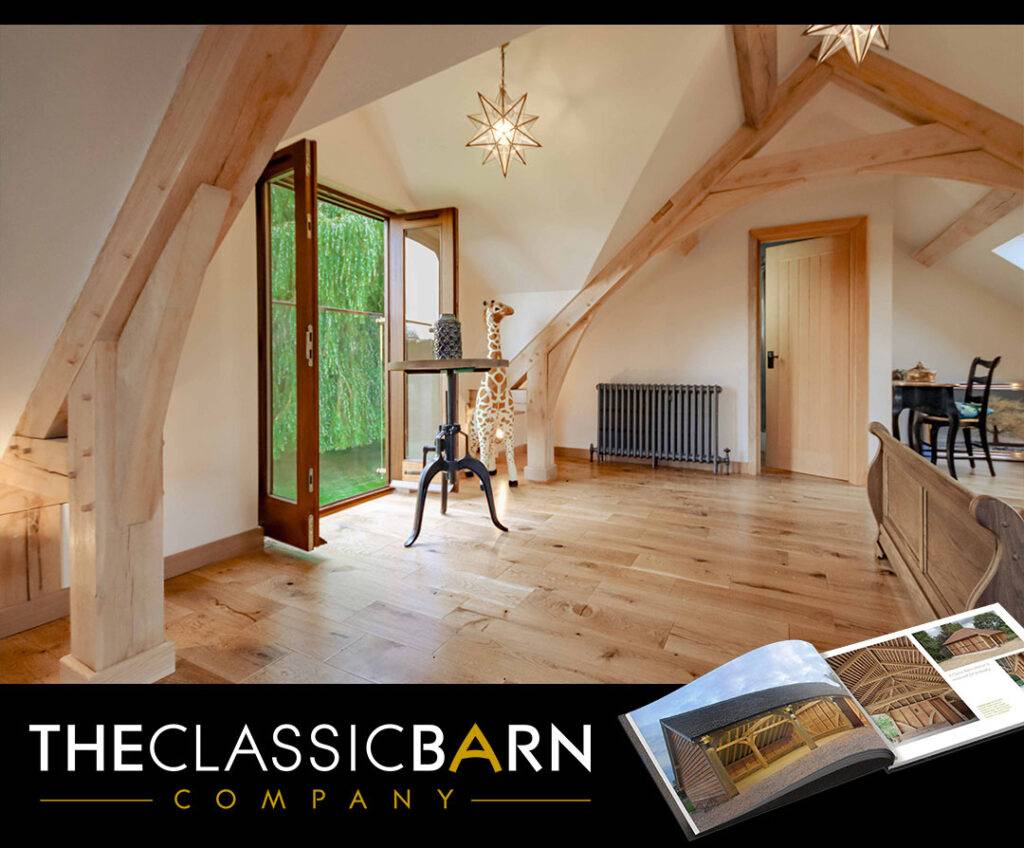
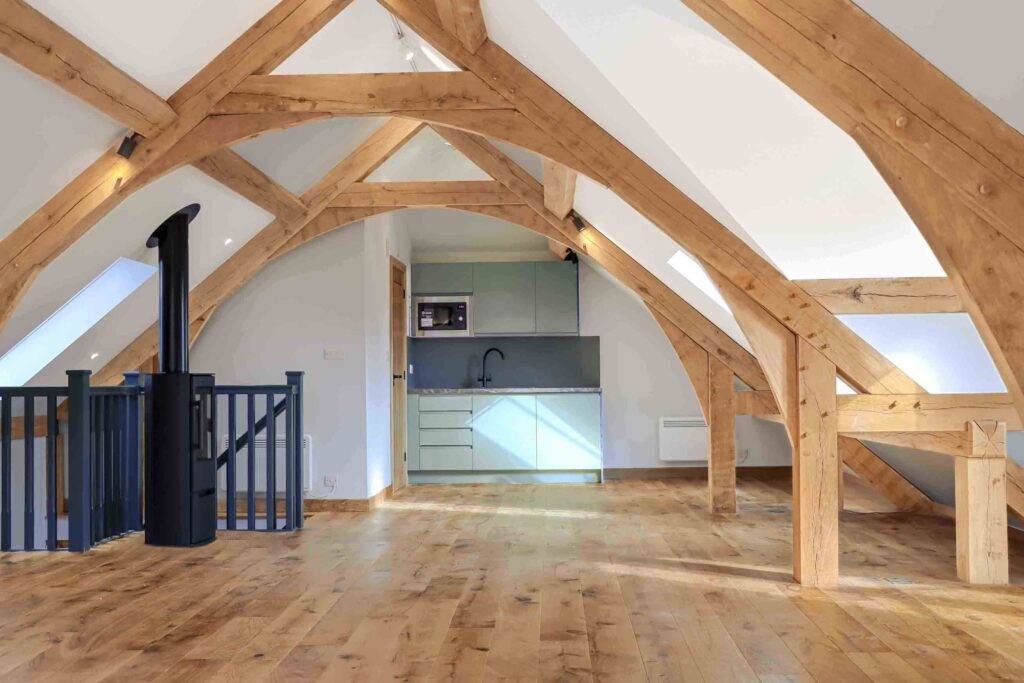
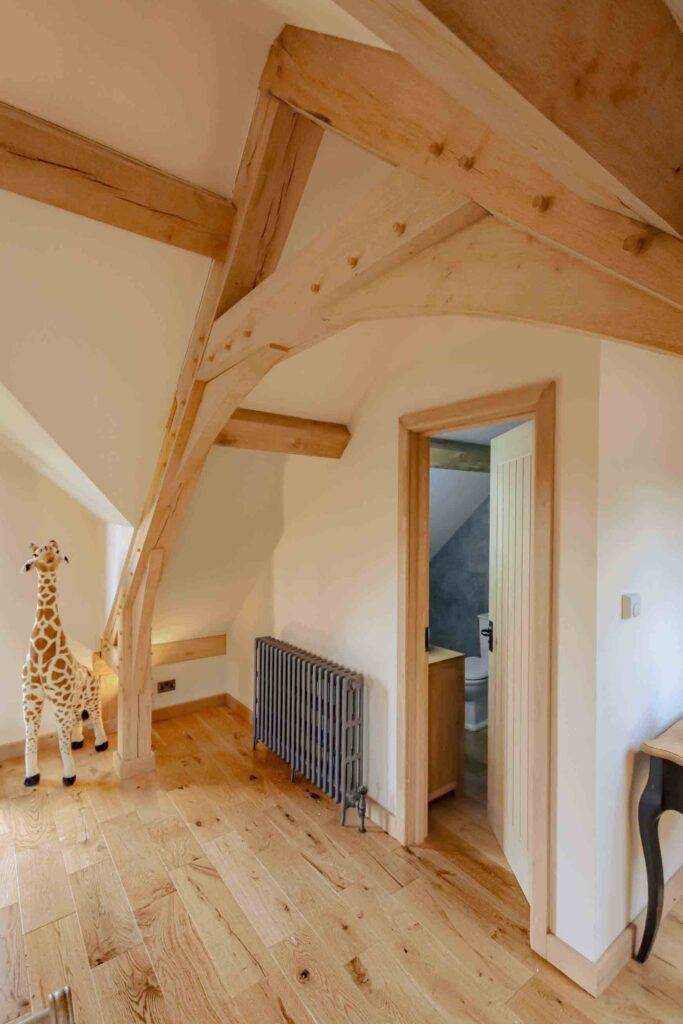
  Oak Beams in Room Above Extension
Bathroom in Garden Room Extension

Do Garden Rooms Add Value to Your House?

Adding a garden room to your property can significantly increase its market value. On average, garden rooms can add between 5% and 10% to the overall value of your home, especially when built to a high standard using premium materials like oak.

The Classic Barn Company builds bespoke oak-framed garden rooms that enhance both the visual appeal and functionality of a property. Their garden rooms are designed to blend seamlessly with the existing architecture and often incorporate garage space and room above space, providing potential buyers with a desirable additional living space. The durability of oak framing also ensures that the extension remains an attractive feature for years to come. For a detailed look at how oak-framed buildings can add value, visit The Classic Barn Company or check out their informative YouTube channel

Oak Extension Linked To House

Can I Attach a Garden Room to My House?

Yes, you can attach a garden room extension to your house. Many homeowners opt to link their garden room to their main residence via a connecting hallway or corridor. This provides easy access to the garden room, which can be used as a living area, home office, or even a guest room. This also adds more value relative to the build cost, as the space contributes to the main property’s overall square footage.

The Classic Barn Company specialises in designing oak-framed garden rooms that can be seamlessly attached to your home, providing a smooth flow between indoor and outdoor spaces. Their expert team can create a design that complements your existing architecture while enhancing the overall layout of your home.

Living Quarters Above A Garage Extension

Can I Add an Oak Framed Garden Room to a Brick Built House?

Absolutely. Oak frames can be added to a wide variety of property types, including brick-built houses. The juxtaposition of traditional brick with natural oak can create a stunning aesthetic, blending the strength and solidity of brick with the warmth and character of oak.

The Classic Barn Company has extensive experience in designing oak-framed extensions for brick homes. Their bespoke oak structures are carefully crafted to harmonise with your existing property, creating a cohesive look. Whether your home is modern or period, oak can provide an elegant, high-quality extension that feels like an integral part of the original house.

Glazed Gable Balcony On Garage Garden Room

Do Oak Frames Make a Good Garden Room Extension?

Oak frames are an excellent choice for a garden room extension. Oak is renowned for its strength, durability, and timeless beauty. It’s also a sustainable building material, with oak trees being replanted to ensure future supplies.

One of the major advantages of using oak for a garden room extension is its natural insulation properties. Oak frames can help maintain a comfortable temperature in your garden room, keeping it cool in the summer and warm in the winter. 

The Classic Barn Company’s oak-framed structures are built using traditional craftsmanship combined with modern building techniques, ensuring that your garden room extension is both energy-efficient and long-lasting.

Timber Framed Extension Linked To House

What Is a Link Extension?

A link extension is a small corridor or hallway that connects a garden room or other extension to the main house. It serves as a transitional space, providing easy access between the main property and the extension.

Link extensions are a popular choice for garden rooms, as they allow homeowners to create a seamless connection between the house and the garden room while maintaining the integrity of the original building. 

The Classic Barn Company is adept at designing and building link extensions that enhance both the aesthetic and functional aspects of your property.

Living Quarters Above A Garage

Can You Use a Link Extension with an Oak Frame Garden Room?

Yes, a link extension can be used with an oak-framed garden room. In fact, combining the two can create a striking architectural feature. Oak frames add character and a sense of grandeur to any property, and when paired with a well-designed link extension, they can create a harmonious transition between the indoor and outdoor spaces.

The Classic Barn Company offers bespoke oak-framed link extensions that are tailored to match the design of your garden room and home. Whether you’re looking for a glazed corridor to maximise natural light or a more traditional oak-framed walkway, they can design and build a solution that fits your vision.

3 Bay Garage With Room Above

Is it Worth Building a Garden Room Extension?

A garden room extension can provide valuable extra space while enhancing the aesthetic and financial value of your home. Whether you choose to use it as an office, living room, or guest space, the versatility of a garden room makes it a popular choice for UK homeowners. 

Working with a company like The Classic Barn Company, known for their craftsmanship in oak framing and an accredited member of The Guild of Master Craftsmen, ensures that your garden room extension is built to the highest standard.

From planning permission to design and construction, The Classic Barn Company offers a full range of services to guide you through the process, with an array of design solutions for both single storey designs or room above garages making your dream garden room a reality. 

With their expertise in oak framing, they can create a bespoke extension that not only meets your needs but also stands the test of time.

To learn more about oak-framed garden rooms visit The Classic Barn Company or watch their informative videos on YouTube.

Garden Room Oak Extension With Guest Room
Glazed Balcony In Gable End

What is Different About The Classic Barn Company?

The Classic Barn Company stands apart from other oak framing companies due to its rich history, unwavering values, and team of highly skilled experts. Founded over three decades ago, the company has honed its craft and developed innovative techniques that push the boundaries of traditional oak framing.

At the heart of The Classic Barn Company lies a deep commitment to sustainability. They source their oak from responsibly managed forests, ensuring that every project contributes to the preservation of our natural environment. Their team of master craftsmen, many of whom have been with the company for years, possess a wealth of knowledge and experience that is passed down through generations.

One of the company’s unique strengths is its ability to seamlessly blend traditional oak framing methods with modern design sensibilities. They understand that every client has unique needs and preferences, and they work closely with them to create bespoke structures that not only meet their functional requirements but also reflect their personal style and vision.

The Classic Barn Company’s innovative techniques and attention to detail set them apart from the competition. From intricate joinery to meticulous finishing touches, every aspect of their work is executed with precision and care. Their commitment to excellence is evident in the stunning oak framed structures they have created, each one a testament to their craftsmanship and dedication.

Who founded The Classic Barn Company?

Andrew Guppy is the founder and lead designer at The Classic Barn Company. With over 25 years of experience in the industry, Andrew has established himself as a true authority in the field of oak framing.

His passion for this traditional building method began at a young age, and he has dedicated his career to mastering the intricate art of oak construction. Andrew’s extensive knowledge encompasses not only the technical aspects of oak framing but also the rich history and heritage behind this time-honoured craft.

Throughout his career, Andrew has been recognized by his peers and industry organisations for his exceptional work. His designs have won awards and been nominated to the prestigious ‘Built it’ awards. In addition his barns have been opened by Royals and are often recognised as flag ships in villages across the countryside and rural areas.

His deep understanding of oak’s unique properties and his ability to translate clients’ visions into reality have made him a sought-after authority in the industry.

 Garden Room Above With Balcony 

What sort of oak framed buildings do The Classic Barn Company build?

The Classic Barn Company is renowned for their expertise in constructing a wide range of. Their skilled craftsmen possess the ability to handle projects of varying sizes and complexity, showcasing the versatility of oak framing and the ability to combine habitable spaces such as guest accommodation.

One of their specialties is the construction of oak framed garages, both traditional standalone structures and those with additional living spaces above. These garages are not only functional but also exude a timeless charm that seamlessly blends with any property.

Beyond garages, The Classic Barn Company excels in the creation of stunning oak framed barns, stables, complexes, extensions and outbuildings.
The Classic Barn Company has an excellent video that showcases their craftsmanship and the oak framing process. The video takes you through the entire process of an architecturally led build, from the concrete being poured to a fully fitted interior. You can witness the skilled craftsmen carefully constructing different phases of the project and the attention to detail of each beautifully crafted aspect. You’ll see them expertly assembling the oak frame, with each piece precisely fitted together using intricate joinery methods, and the finished project in all it’s glory.

3 bay room above garage
4 bay room above garage
3 bay room above garage
Oak beams in garage
4 Bay room above garage
room above garage dormer
4 bay garage accommodation
Oak beams above garage
Room above garage

This is a paid for post, by The Classic Barn Company.


Latest posts

Beronia: A celebration of Rioja

Round & About

Round and About’s resident wine columnist Giles Luckett celebrates the Beronia Rioja and suggests some festive wine gifts

Hello. Over the last couple of weeks, I’ve been inundated with press releases telling me why X wine is this year’s Christmas essential.

Suggestions have ranged from the good – Louis Jadot ‘Les Roches Blanches’ Mâcon-Villages (Majestic £11.99 as part of a mixed six) – by way of the unusual – the Teleda Qvevri Saperavi 2022 (The Wine Society £17) – to the eye-watering – the Armand de Brignac Blanc de Noirs – Assemblage No. 4 (Champagne Direct £1,150).  Elon Musk has this last wine coming out of his taps, apparently. 

One recommendation that did strike a festive chord with me was the suggestion that people share their love of wine this Christmas with the gift of wine in the comely shape of the Beronia 3 Bottle Gift Pack (Ocado £65). People rarely give me wine as gifts, their reasoning being based either on them not knowing what to buy me or that I have enough wine already, a concept I simply don’t understand. If they did (Santa, please take note) then a Beronia three-bottle gift pack would be a cracking Christmas present. A bottle of the Beronia Crianza, Reserva, and the majestic Gran Reserva would spell a very happy holidays for me as I’ve been a fan of their wines for years. Equally, if I find my stocking contains a cheeky quarter bottle of the Beronia Crianza (Ocado £3.89) my Christmas morning lay-in will prove very jolly. 

Beronia Rioja: Innovative. Sustainable. Genuine.

While it is one of the younger Rioja bodegas having been founded by a group of fine food-loving friends in 1973, Beronia is also one of the most dynamic and innovative. I tasted my way through their range earlier this year and was struck by the wines’ combination of value and excellence. Rioja remains the world’s most affordable fine wine region, and while some examples are getting seriously expensive – the Sierra Cantabria ‘Magico’ will set you back £375 a bottle – wineries like Beronia offer beauty on a budget.

What’s less well-known about Rioja is the diversity of styles that it offers. This is another reason why I’m such a fan of Beronia. Their motto is, “Wines that are honest through and through” and it’s a philosophy that’s manifested itself in them being led by the land, planting grapes that are best suited to their sites and using sustainable methods to ensure future generations can enjoy their wines. While it may have been tempting to produce nothing but red wines, the easiest to sell, instead they’ve crafted a range of white, rosé and red Riojas that are true to their roots.

So, with the long dark nights now with us, and with Slade already banking their PRS 2024 royalties, allow me to celebrate the wines of Beronia with you and recommend some real crackers.

First up, a white, the Beronia Virua (Songbird Wines £11.75). This wine encapsulates Beronia’s approach to winemaking to me. Traditionally white Riojas were heavy, oak-laden affairs that were as zesty as a bottle of sunflower oil and about as appetizing. This though is a modern take on it. Complex and intense on the nose, it offers citrus, apple and white peach with a hint of pineapple, pear and savoury herbs. Medium-bodied, its intensity makes it feel more powerful than it is and means it’s the perfect partner for seafood white or brown meats, or as a satisfying solo sipper.

Next up is a pair of Rioja rosés. If white Rioja was historically the region’s poor relation, then rosé Rioja was the barely tolerated black sheep. The main reason for this was that rosé Rioja was made either as an afterthought or by using over-cropped Garnacha grapes to use them up. Beronia has given rosé (rosado) Rioja the respect it deserves, and they offer two exceptional examples. The first is the bouquet packed with strawberries, red cherries, blossoms and citrus. On the palate, it’s lively, fresh and full of life, with strawberries, raspberries and loganberries being offset by almonds, gentle spices and rhubarb. This is just the thing for savoury hors d’oeuvres or smoked fish.

Their other rosé Rioja is the Alegra de Beronia which takes rosé Rioja to a whole new level. Designed to be a fine wine, it’s just that. Rose gold in colour, the nose offers a subtle blend of plums, black cherries and strawberries with just a touch of pomegranate. In the mouth, it’s full, mellow, rich and refined. Layers or red and black fruits are held in a low acidity, luxurious body that gives it weight, depth and complexity. I’ve had this with risotto, spring lamb, and on its own and it’s always impressed me. I’ve even tasted it against the Whispering Angel range – including the £90 a bottle Garrus – and the Alegra was my favourite.

And so, to the reds. When it comes to red Rioja, Beronia really does spoil you for choice, and having had all their wine on multiple occasions, I would recommend them all. But to highlight Beronia’s innovation and diversity I’ve picked three of my favourites.

The first is the Beronia Reserva 2019 in magnum (Amazon £30). Magnums (two bottles in one) are my favourite bottle format. Not only do they allow wines to develop more slowly and ultimately achieve greater complexity, but they are also great for large gatherings and look so impressive on the table. The Beronia Reserva is only made in exceptional years (and 2019 was one of the best ever) and is given a minimum of a year in oak and two years in bottle before it is released. The result is a powerful, rich, dark, spicy wine that’s packed with juicy black berries, tangy red fruits, herbs and has a touch of chocolate and cherry liqueur to the finish. Pair this with roasted red meats, hard Spanish cheeses, or a selection of cured meats, olives, and tomato-based dishes.

Mazuelo may not be a grape you’re that familiar with, especially coming from Rioja where it accounts for less than 2% of black grape plantings. When yields are kept low and when it’s planted on the right soils, however, it can be spectacular. Beronia’s Mazuelo Reserva (Amazon £20.60) is a fantastic example of what it can do. Inky blue-black, the grape’s natural red berry freshness shines through on the nose, with the long oak ageing adding vanilla spice and a twist of green herbs. With its flavours of bright red berries, creamy vanilla, and a touch of sweetness, this is a fascinating wine that shows a completely different style of Rioja. Enjoy this with brown meats – its juiciness means it’s perfect with cold turkey – blue cheeses or nuts. 
I’ll finish with a flourish and the Beronia III a. C (Cellar Door Wines £65). This is a taste of wine history. In the late 19th and early 20th centuries, Rioja’s vineyards were devastated by the phylloxera beetle and most vines had to be ripped out. The Beronia III a. C is made from vines that survived phylloxera’s onslaught and offers old-world charm with modern-day freshness and vibrancy. Aged for 15 months in a mixture of old and new oak, its signatures are blackberries, cherries, and red fruits with hints of liquorice, cocoa, vanilla and aged balsamic. Wonderfully complex and nuanced, give this several hours open and serve with goose or game as you would a fine red Burgundy. 

All this talk of Beronia has given me a thirst, so I’m off to read my daughter’s letter to Father Christmas, after which I’ll need a stiff drink. Next time, festive fizz. 
Cheers! 
Giles 


Latest posts