Winkworth Arboretum is welcoming visitors this summer with a brand-new visitor centre and café, alongside family-friendly activities including a Pokémon trail, Summer of Play and hands-on craft sessions.
A visit to Winkworth Arboretum is even more rewarding this summer as the National Trust beauty spot near Godalming unveils its impressive new visitor centre alongside a packed programme of family-friendly activities.
Home to more than 1,000 species of trees and shrubs, Winkworth Arboretum is the National Trust’s only arboretum. Created by Dr Wilfrid Fox in 1937 as a landscape designed to celebrate seasonal colour, it is renowned for its spectacular spring blooms and breathtaking autumn displays.
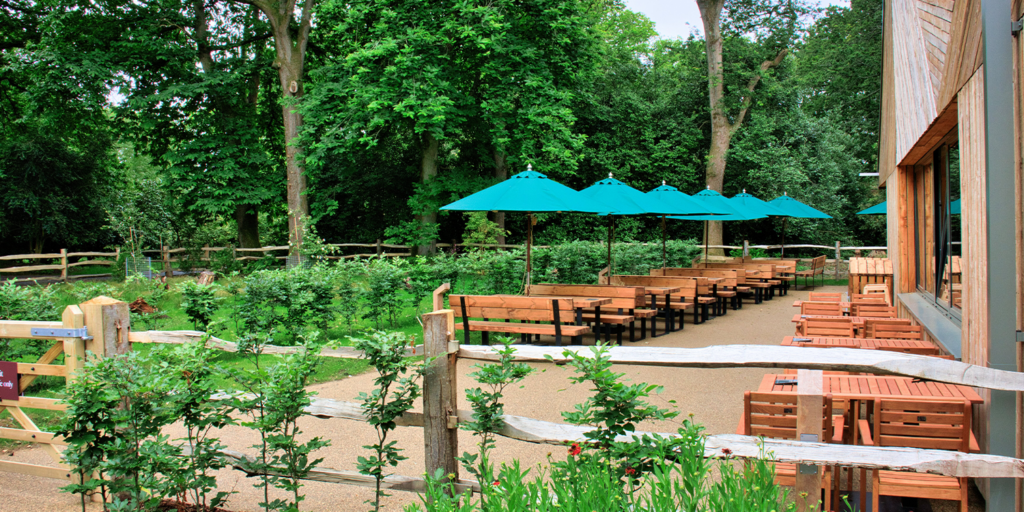
Now visitors can begin their day in a brand-new entrance building featuring a bright and spacious café, visitor reception, National Trust shop and modern accessible facilities, including a Changing Places toilet.
The café serves seasonal food and drinks, with plenty of indoor seating as well as an outdoor terrace overlooking the surrounding landscape. A newly relocated pay-and-display car park, complete with electric vehicle charging points, has also been introduced to improve access and support more sustainable travel.
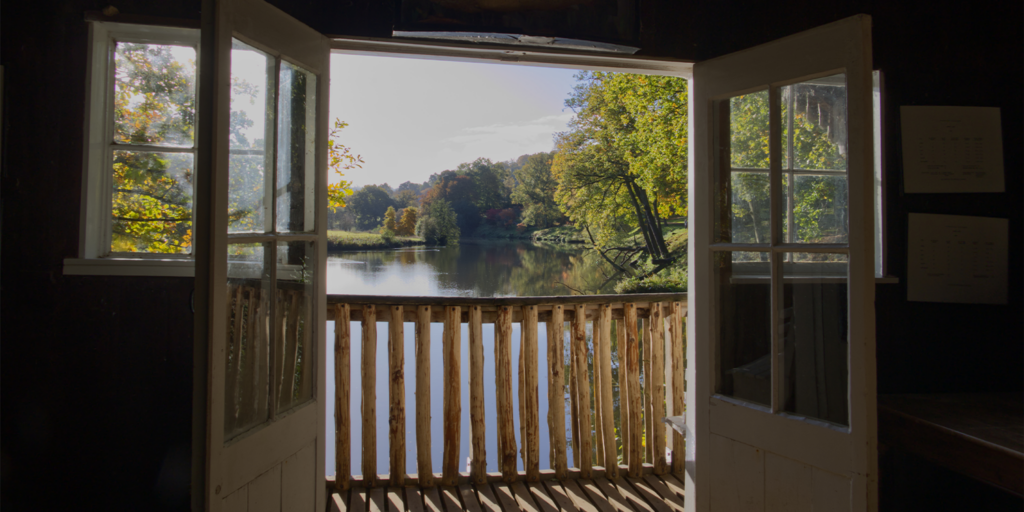
Designed to complement its woodland setting, the new building takes inspiration from Winkworth’s iconic boathouse and founder Dr Fox’s philosophy of “painting with trees”. Clad in larch that will naturally weather over time, it blends into the landscape while large picture windows frame views across the arboretum.
Rhona MacCallum, National Trust General Manager, said: “Seeing the building open is a hugely rewarding moment for our team. We’re proud to now offer facilities that feel worthy of the beauty of our arboretum. We hope visitors feel the spirit of Winkworth reflected in this space – welcoming, thoughtful and rooted in the landscape. Every visit, whether enjoying the café or shopping with us, directly supports the care of Winkworth Arboretum.”
Families can also make the most of Summer of Play, with a dedicated play field filled with activities designed to inspire imagination and outdoor adventure. Young Pokémon fans can follow the Pokémon Trading Card Game Mega Evolution Trail, searching the gardens for Mega Evolution Pokémon while completing challenges along the way.
Children can also get creative at the weekly Wild Craft Gazebo sessions, making friendship bracelets, felt puppets, seed pizzas for birds and more, with activities priced at £3 per craft.
Summer of Play and the Pokémon trail are included with normal admission and are free for National Trust members.
Sandham Memorial Chapel offers a wonderful day out where art, history and nature come together in a truly special setting.
Just off the A34, Sandham Memorial Chapel offers far more than its world-famous paintings. While many visitors come to admire Sir Stanley Spencer’s extraordinary murals or explore another National Trust treasure, there’s another reason to visit – the beautiful natural landscape that surrounds this unique place.
From the moment you arrive, it’s easy to appreciate the peaceful beauty of the setting. Beyond the chapel, the view stretches towards Watership Down, a landscape Stanley Spencer loved so much that it features in his painting The Resurrection.
Step through the lychgate and follow the same brick path Spencer once walked, and you’ll find tranquil wildflower meadows, mature trees and a historic orchard, much of which has remained part of the chapel’s setting since it was created in the 1920s.
The orchard is home to a wonderful collection of traditional apple varieties, including Bramley’s Seedling, Prince Albert and Newton Wonder. Native hedgerows planted with hawthorn, dog rose, holly and berberis – originally sourced from the nearby Carnarvon Estate, now better known as Highclere Castle – continue to provide food and shelter for wildlife throughout the year.
Near the entrance stands a magnificent oak tree, planted in 1960 by the West Berkshire Branch of the Salonika Reunion Association in memory of Stanley Spencer. Benches beneath its branches offer the perfect place to pause, enjoy the birdsong and simply take in the surroundings.
This summer marks an exciting milestone for the gardens as the wildflower meadow will be managed using traditional scything. One of Sandham’s garden volunteers has trained with the team at The Vyne to learn this historic skill.
The meadow will only be cut once the wildflowers have set seed, with the cut grass left briefly to allow seeds to fall and wildlife time to move safely before it is removed. This traditional approach helps maintain a rich habitat for insects, birds and small mammals while encouraging an even more diverse display of flowers in years to come.
The work reflects the National Trust’s People and Nature strategy, which aims to restore nature, make it accessible to everyone and inspire more people to care for the natural world.
Whether you come for the art, the history or simply a peaceful walk, Sandham Memorial Chapel offers the chance to slow down, reconnect with nature and enjoy one of Hampshire’s most tranquil settings.
If you’d like to explore even further, join one of the popular Walking in Stanley’s Footsteps guided walks. Covering around three miles, they explore the landscapes that inspired Spencer and reveal more about the history of Sandham and the surrounding countryside.
The next walks take place on Tuesday 22 July at 10.30am and Friday 19 September at 12.30pm. Booking is essential by calling 01635 278394 or emailing sandhamevents@nationaltrust.org.uk.
A hidden gem on the edge of Newbury, Treetops has been helping people reconnect with nature and themselves for more than 20 years.
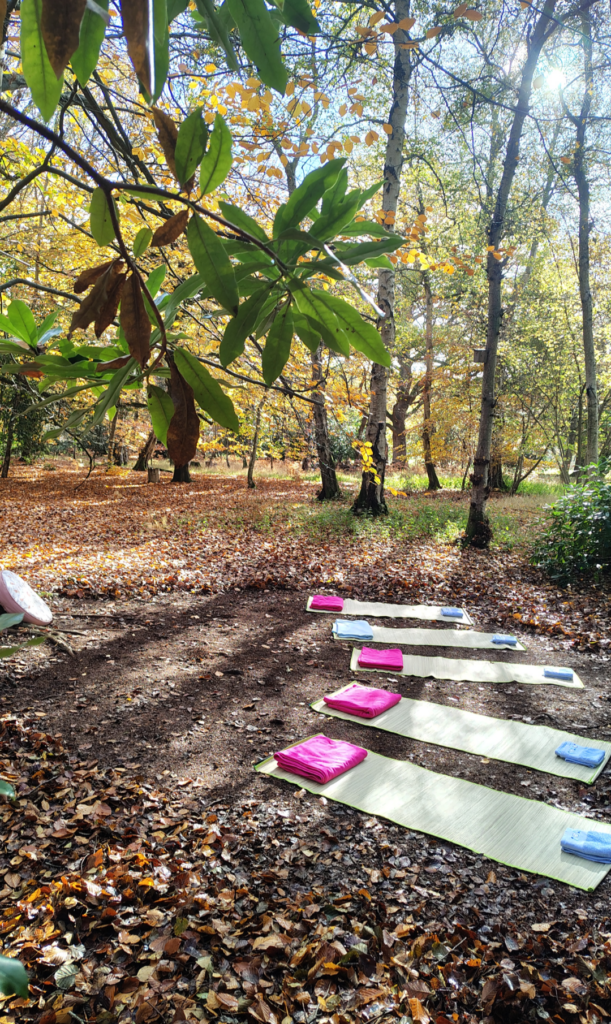
Tucked away at the end of Garden Close Lane, it’s hard to believe Treetops is just minutes from the bustle of Newbury. Surrounded by three acres of private gardens and woodland, the tranquil retreat has spent more than two decades helping people slow down, reconnect with nature and prioritise their wellbeing.
Despite feeling wonderfully secluded, Treetops is remarkably easy to reach, sitting just nine minutes from Junction 13 of the M4 and moments from the A34, with ample parking for visitors travelling from across Berkshire and beyond.
Over the past 22 years, founder Emily Storey has built Treetops largely through personal recommendation rather than traditional advertising.
“We’ve tried different marketing over the years,” says Emily. “But word of mouth has always been the best way of letting people know we’re here. Community connections have been so important.”
Those connections continue to flourish through collaborations with local organisations, including affordable Sound Bath evenings at St George’s Church in Wash Common, alongside charity tea afternoons and the popular “Fiver Friday” garden yoga sessions each summer. These £5 outdoor classes offer an accessible introduction to yoga while giving newcomers the chance to experience the unique setting.
Nature is at the heart of everything Treetops offers. Rather than following a rigid schedule, workshops and retreat days are shaped by the changing seasons and even the weather.
“If it’s a beautiful day, we’ll take yoga outside or head into the woods for forest bathing or mindful walking,” Emily explains. “Recently, we held a journalling workshop in the garden while the wisteria was in full bloom. We really embrace what each season offers.”
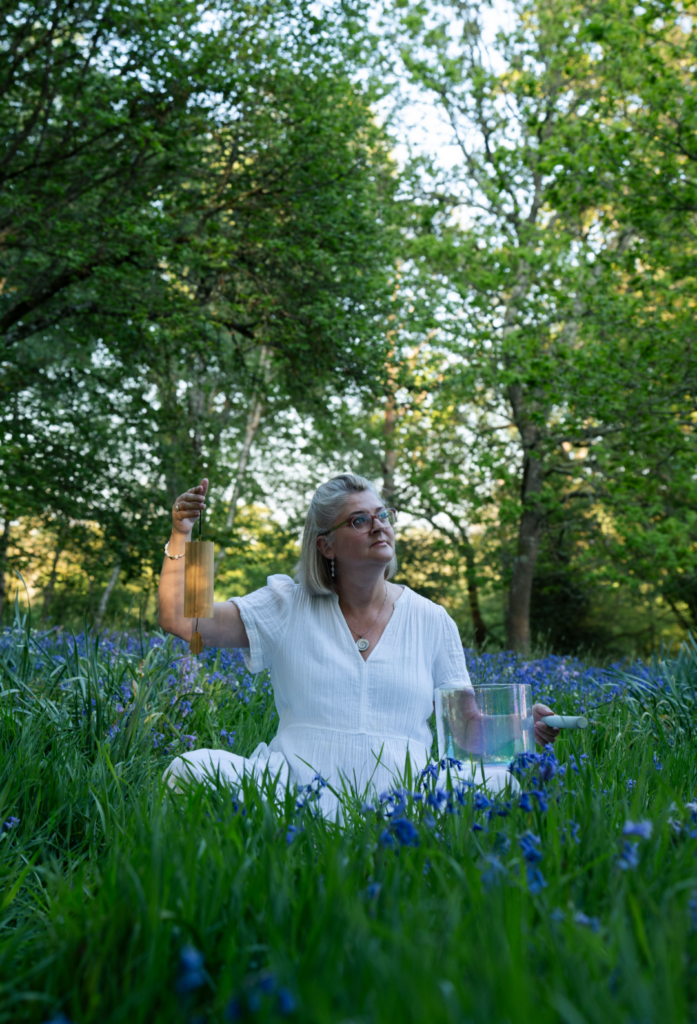
The woodland provides a peaceful backdrop for forest bathing experiences throughout the year, whether that’s soaking up fresh summer greenery or gathering around a fire pit during autumn. Even Treetops’ online yoga workshops have made full use of the stunning gardens as a natural setting.
As interest in health and wellbeing continues to grow, Emily believes people are increasingly seeking experiences rather than simply classes.
That distinctive atmosphere is what keeps visitors returning year after year. Some guests have been attending for more than two decades, travelling from Newbury, Reading, Wokingham, Marlborough, Winchester and Abingdon.
Asked what makes Treetops so special, Emily said: “Some people tell me it’s the food! I think it’s also the warm, friendly tutors we’ve built around us.”
Listening to visitors has always shaped the programme, with Emily and fellow tutor Rachel continually expanding their expertise to meet changing needs. Emily has recently added meditation to her qualifications alongside forest bathing and sound therapy, while Rachel has trained in Menopause Yoga.
For anyone feeling overwhelmed or burnt out, Emily recommends starting gently.
“We’ve supported many people experiencing anxiety, depression, burnout and chronic illness. Restorative Yoga is a lovely place to begin because it’s so gentle. Forest Bathing is another wonderful introduction — just two peaceful hours in nature. Once people feel ready, our monthly retreat days offer the chance to spend longer focusing on themselves.”
The journey of Treetops itself mirrors Emily’s own wellbeing story. When she launched the business in 2004, yoga wasn’t even on her radar.
“I had two young boys and wanted to create affordable creative workshops because so many courses were either too expensive or too far away. We offered everything from watercolours and flower arranging to photography, collage and cookery.”
As the years passed and Emily sought ways to support her own mental health, yoga and breathwork transformed her outlook.
“I realised it was time for Treetops to slow down too.”
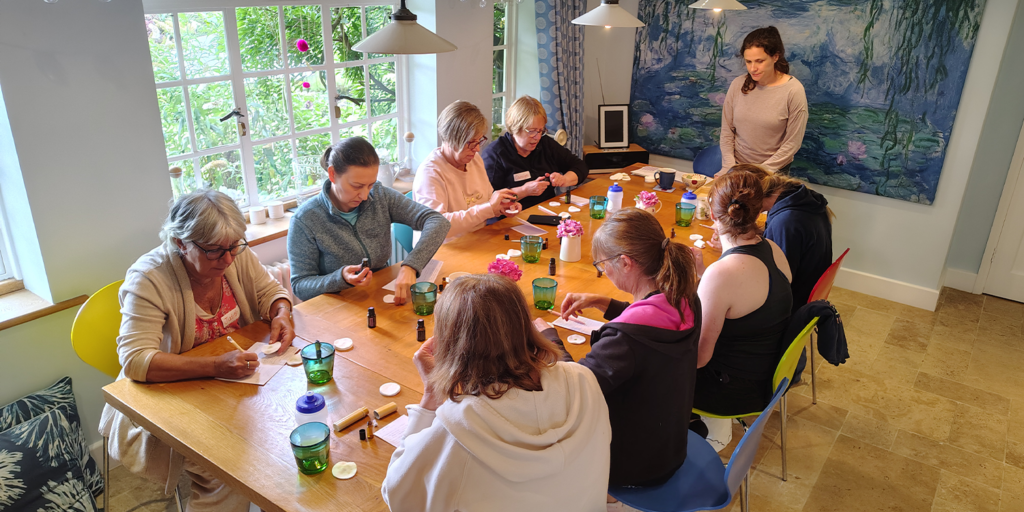
Rachel joined the business eight years ago after the pair met through yoga, and together they’ve expanded the offering to include sound baths, forest therapy, retreat days, evening classes and one-to-one sessions.
“It’s still hard work,” Emily says, “but taking part in what we offer benefits our own wellbeing as much as our guests’. We’ve found a lovely balance.”
Looking ahead, Emily hopes to continue evolving alongside the community’s needs while developing new partnerships. Current plans include working with local football teams and introducing crystal bowl sound healing at the Newbury Friends Together group at St Nicholas Church.
For anyone seeking a little calm without travelling far from home, Treetops offers exactly that: a peaceful haven where nature, mindfulness and community come together.
Supporting the local wellbeing community
Beyond Treetops, Emily is also keen to champion other local initiatives making a difference, from the Renartgades Market and Rebel Art Club at Delphic Brewery to Hayley Collis’ Grief Circles and the mental health charity Sport in Mind. Founded in Reading, the charity has supported more than 60,000 people over the past 15 years through sport and physical activity, with sessions running across Newbury, Thatcham and Reading.
Sir David Attenborough is encouraging people across the UK to spend 15 minutes counting butterflies and moths this summer, helping scientists track the health of the natural world while enjoying the wellbeing benefits of connecting with nature.
“Butterflies are vitally important. Their presence acts as a barometer of the health of our environment. Their ongoing decline tells us that all is not well in the British countryside.”
These are the words of Sir David Attenborough, president of Butterfly Conservation, who is urging wildlife lovers to take part in this year’s Big Butterfly Count, running from 17th July to 9th August.
The annual survey is the world’s largest citizen science project focused on butterflies and day-flying moths. By spending just 15 minutes counting insects in a garden, park, school field, balcony or countryside spot, participants can help scientists build a clearer picture of how wildlife is responding to climate change, habitat loss and changing weather patterns.
“It’s not too late to help,” says Sir David. “You can help ensure that butterflies still bring that sense of magic to our summertime by taking part in the Big Butterfly Count. The count will tell us if butterflies are recovering and let us know how they are faring in our back gardens, parks, fields, towns and cities. But more than that, the count brings us face to face with Britain’s wildlife stars living right under our noses. If you care about butterflies, make sure you take part.”
For many of us, butterflies are woven into childhood memories: peering into buddleia bushes, spotting cabbage whites in the vegetable patch or watching red admirals basking in the sunshine. Yet these delicate insects are far more than symbols of summer. They are among nature’s most important warning signs, with their fortunes closely linked to the health of the wider environment.
There’s good news for people taking part, too. Research has shown that spending time observing butterflies can improve mental wellbeing, helping to reduce anxiety and encouraging people to slow down and reconnect with nature.
“Butterflies really bring happiness and serenity when you observe them,” says artist Mel Seymour of melaniemosaics.co.uk, who has created butterfly mosaics for public spaces and care homes across the UK and beyond. “Please let some butterfly-friendly native wildflowers grow in your garden.”
Last year, more than 125,000 people took part in the Big Butterfly Count, recording a record 1.7 million butterflies and moths. The Red Admiral was the most commonly spotted species nationwide.
Across the south east, thousands of people got involved. In Berkshire, 2,190 participants recorded 26,041 butterflies and moths; Buckinghamshire saw 2,027 people record 24,654 sightings; Oxfordshire had 1,391 participants spotting 18,040 insects; Wiltshire recorded 33,913 sightings from 2,351 participants; while Surrey and Hampshire together contributed more than 128,000 sightings. In every county, the Large White was among the most frequently spotted butterflies.
Conservationists say every count matters, particularly after a year of unusual weather patterns. The combination of warm spring sunshine followed by wetter conditions may already be affecting butterfly numbers and behaviour, making this summer’s survey especially valuable.
One of the strengths of the Big Butterfly Count is its simplicity. No specialist knowledge is required and even the smallest outdoor space can become a wildlife haven. A few flower-filled pots on a balcony, a picnic in the park or a stroll along a country lane could reveal species worth recording.
Children often enjoy taking part most of all, turning the activity into a treasure hunt for peacocks, painted ladies, brimstones and other colourful visitors. Free identification charts and an easy-to-use smartphone app make it easy for beginners to get involved.
Dr Richard Fox, Head of Science at Butterfly Conservation, says: “This is a chance to turn curiosity into conservation and make a real contribution to protecting butterflies in the UK for generations to come.
“Butterflies are beautiful, yes – but they’re also incredibly important bioindicators. As they continue to disappear, as they have over recent decades, it indicates something is going seriously wrong in our natural world. We need to heed that warning and take action before it’s too late.
“If we lose butterflies, we lose more than beauty – we lose balance in our ecosystems, and that will have serious repercussions for wildlife in the UK. If you do one thing for nature this year, get out for the count this summer.”
Nature recovery starts with us. That is the simple message from Haslemere Biodiversity, which says: “If we want nature to recover, we can’t wait for someone else to fix it.”
Haslemere Biodiversity is inviting residents to a series of public events exploring the Haslemere Nature Recovery Strategy (HNRS), a locally led plan to restore habitats, strengthen wildlife corridors and build resilience across the landscapes people depend on.
Across April and May 2026, the group will host four themed events, each focusing on a different strand of the HNRS.
Topics include woodlands and hedgerows, heath and grassland, aquatic habitats, and community spaces and wildlife gardening.
Each event will highlight projects and habitats linked to the theme. Partner organisations will also take part, including woodland charities, heathland specialists, water quality groups and community gardening networks.
The sessions aim to gather local insight, test project ideas and ensure the strategy reflects the knowledge of people who know the landscape best. Residents are encouraged to share ideas, concerns and local knowledge.
The team behind Haslemere Biodiversity said: “People who walk the footpaths, care for gardens, know the old field names, remember ponds that once held newts or have watched swifts return to the same street for decades – these are the experts plans like this need.
“Nature recovery does not happen only in remote reserves. It happens in churchyards, allotments, ponds, verges, school grounds, farms, gardens, footpaths and forgotten corners. It happens when communities stop waiting for saviours from above and start getting their hands dirty.”
Dr Philippa Guest, Chair of Haslemere Biodiversity, added: “What inspires me most is the way the community shows up for nature week after week. Our volunteers achieved extraordinary things in 2025, and we look forward to sharing news of a new biodiversity reserve later in 2026.”
To learn more or book a free ticket, visit haslemerebiodiversity.org.uk or follow Haslemere Biodiversity on social media.
Janey Wall praises Wild Amersham’s efforts at Amersham Hospital, including orchids!
Orchids are quietly blooming in the grounds of Amersham Hospital. They’ve sprung up on what was, until two years ago, tended lawn.
Now, thanks to Wild Amersham, the hospital is restoring native wildflower meadows on sloped areas. The move has triggered an explosion of species, some familiar, others arcane, many with fascinating folkloric associations. Bee orchids are the star attraction, named after their stunning bee-like velvety pattern, designed to lure in males to try to mate and pollinate the flower. Inches away: a pyramidal orchid. How did they get there, you may ask. As volunteer Marieke Bosman explained on a wildflower walk, the orchids’ seeds are tiny and can be carried far by wind. No human hand was involved; the orchids self-seeded.
The Chilterns’ chalky ground is also key. Described as the “rainforest of Europe”, lowland chalk grassland – if left untouched – is one of the continent’s most diverse plant communities, hosting up to 40 species per square metre. A botanist last year counted 140 species across the new patches of wildflower meadow at Amersham Hospital.
The most prolific species this year is the oxeye daisy, which is flourishing waist-high on a slope near the hospital’s new heat pump. Other species include the delicate harebell, clover and aromatic wild strawberries. There’s the curiously named ribwort plantain (not related to bananas), ploughman’s spikenard and cut-leaved cranesbill.
Soak up some sun & defrazzle at the Rest & Refresh Pop-Up Café at Lindengate Gardens
Experience Peace and Purpose at Lindengate Mental Health Garden
The Lindengate mental health garden in Wendover offers a calming and restorative escape for people of all ages. Nestled beside the Blue Diamond Garden Centre, this six-acre haven is nurtured by over 130 passionate volunteers aged between 13 and 90. The garden is more than just a peaceful space — it’s a place of community, care, and connection.
Rest & Refresh: Music, Culture and Nature
From June to September, Lindengate invites you to its monthly Rest & Refresh café — an open event combining free garden access, light refreshments, and local live entertainment. On 19th July, enjoy bluegrass and folk with the Old Time Pickers. On 16th August, delight in the tradition of Cracklewick Morris Dancers, followed by the melodic Star Fluters on 20th September.
Supporting Mental Wellbeing Through Nature
Lindengate specialises in social therapeutic horticulture, helping individuals manage anxiety, stress, depression, and grief through nature-based support. Weekly group sessions are small and welcoming, offering a safe and structured setting to relax and heal.
For those living with dementia or memory loss, the Memory Pathways programme runs every Friday morning. This inclusive initiative also supports carers, giving everyone involved a gentle, grounding experience.
Whether you visit for a wellbeing programme, a community event, or a quiet walk among the trees, Lindengate mental health garden is a space for everyone. Here, nature nurtures — and visitors leave feeling restored.
For full info about these, and volunteering, please click here.
If you like what you are reading, carry on with something similar and click here.
Thames Basin Heaths Partnership Heath Week events run from July 28th to August 3rd & they hope to see you there!
Discover the Magic of Heath Week 2025 with Thames Basin Heaths Partnership
Thames Basin Heaths Partnership (TBHP) invites you to join Heath Week 2025 from July 28th to August 3rd. This free, week-long celebration is packed with family-friendly activities to help protect the precious heathland across Surrey, Berkshire, and Hampshire.
Explore, Learn, and Protect Heathland Together
Heathland is a rare and beautiful ecosystem that supports unique wildlife like nightjars, rare butterflies, and six native reptile species. During Heath Week, you can:
Discover fascinating heathland wildlife
Take part in interactive quizzes and creative nature crafts
Explore scenic trails and join expert-led walks and talks
Meet the passionate TBHP team and partners dedicated to conservation
If you bring your dog, look out for Heathland Hounds offering free advice, dog treats, and info about new dog-friendly walks.
Heath Week 2025 Event Highlights
Monday, 28 July
Butterflies and Other Things with Wings, Chobham Common, 10am–1:30pm
By joining Heath Week, you help raise awareness of this special habitat. Your involvement supports conservation efforts that protect heathland’s rare wildlife and natural beauty. Whether you’re a nature enthusiast, dog walker, or family looking for outdoor fun, Heath Week offers a wonderful way to connect with nature.
Plan Your Visit
Mark your calendar, bring your family and friends, and get ready to enjoy a week of discovery, fun, and conservation. Learn more about the Thames Basin Heaths Partnership’s work and other year-round events at TBHP’s website.
Please note events are subject to change. Follow the events calendar for up-to-date information here.
Oxfordshire couple Richard and Sian Liwicki, aged 65 and 62 years, have just completed a month-long cycling trip along the longest river in France to raise funds for local charity Wild Oxfordshire
In spite of awful weather they pedalled more than 1,150km along the Loire, climbed a total of 11,200m, carrying all their belongings in paniers.
The couple planned the trip and organised all the logistics themselves. Richard says: “We had cycled the Rhine before so we knew what we needed to pack, and how to organise and navigate all the stages in this long trip. We trained for weeks. What we had not planned for was the wettest September in France in 25 years. We cycled through two icy storms and faced strong headwinds in the mountains. We regularly got wet so getting dry for the next day was an added challenge. However, we knew we could not stop and the French locals were incredibly helpful and kind. Motorists are used to a vibrant cycling culture in France.”
Sian who has been a supporter of Wild Oxfordshire for many years adds: “We wanted to really spend time getting to know this beautiful part of France and travel sustainability. We used public transport to get to the start and for our return journey. We wanted to raise funds for nature in Oxfordshire because we knew it would spur us on during this challenging trip. We were even more determined when we heard that Butterfly Emergency in September.
“Cycling is our way of experiencing and celebrating nature up close. We wrote a wildlife and travel blog along the way, and it was inevitable that we would make comparisons between our county along the Thames, and the Loire countryside.
“Our friends and family have been very encouraging and we are over half way to hitting our target of £7,000. We have just got to get around to telling everyone that we made it!”
Camilla Burrow, Cheif Executive Wild Oxfordshire, says: “As a long-term supporter of Wild Oxfordshire, we’re so delighted and grateful for Sian and Richard’s fundraising efforts. The funds will contribute towards our work enabling more people to take action for nature across Oxfordshire. Our sincere thanks to all those already contributing to nature’s recovery, and we look forward to working with even more people in the future.”
You’re all invited to create your own autumn fundraising challenge to help Berkshire, Buckinghamshire & Oxfordshire Wildlife Trust (BBOWT) restore our wondrous nature.
BBOWT’s Big Wild Walk aims to be the biggest yet to encourage wildlife lovers to raise money and help restore nature across its three counties.
Supporters can create their own challenge, whether a trek through town or a long-distance hike in the countryside, in any way that suits them. The funds raised will support wildlife recovery and contribute to BBOWT’s mission to see 30% of land well managed for nature by 2030.
Image: Zsuzsanna Bird
Image: Laura Snell
This autumn BBOWT is encouraging participants to nominate friends and family to get involved too, with #NominateForNature. A digital fundraising pack will support everyone by providing a sponsorship sheet, distance-tracking form and social media posts.
The Big Wild Walk takes place across from Monday, 21st October, to Sunday, 3rd November. It’s half-term for schools and a great time for all ages to enjoy the great outdoors. Sign-up at Big Wild Walk.
Liz Shearer, community engagement director at BBOWT, said: “This challenge is the perfect chance to plan your autumn adventure and take it at your own pace! I love nothing more than putting my boots on and exploring the outdoors, and there are some wonderful place across our counties to do this, including more than 80 nature reserves.
“While you’re on your walk, you can listen out for wintering birds and spot mushrooms growing among the trees, all against the orange, bronze and red autumn backdrop. It’s also a great opportunity to raise money for The Wildlife Trusts, including BBOWT, to help us create more nature everywhere, for everyone. What are you waiting for?”
Rhiane Fatinikun, founder of Black Girls Hike and ambassador for The Wildlife Trusts, said: “Dip your toes into the outdoors this autumn, and join me, as well as thousands of others, to experience the joy that nature can bring. Supporting children, families, and individuals to get outside is a cause which is so close to my heart, as well as an incredible opportunity to raise money for a WILDlife-changing charity. Sign up today to get involved with The Big Wild Walk!”