Tag: Gardening

  • Explore West Oxfordshire’s vineyard and mental health recovery garden

    Explore West Oxfordshire’s vineyard and mental health recovery garden

    Wander the walled garden and vineyard at Bridewell Gardens in West Oxfordshire, enjoy homegrown produce, and discover the mental health recovery work happening behind its ancient walls during its Open Days in 2026.

    Tucked away in a peaceful corner of West Oxfordshire, behind ancient walls and rolling vineyard rows, Bridewell Gardens is preparing to welcome visitors once again for its Open Days in 2026.

    Taking place from 11am to 4pm on Sunday 19 April, 17 May, 14 June and 6 September, these special days offer a rare chance to explore a beautiful working garden and vineyard while learning about the life-changing work that happens within its walls.

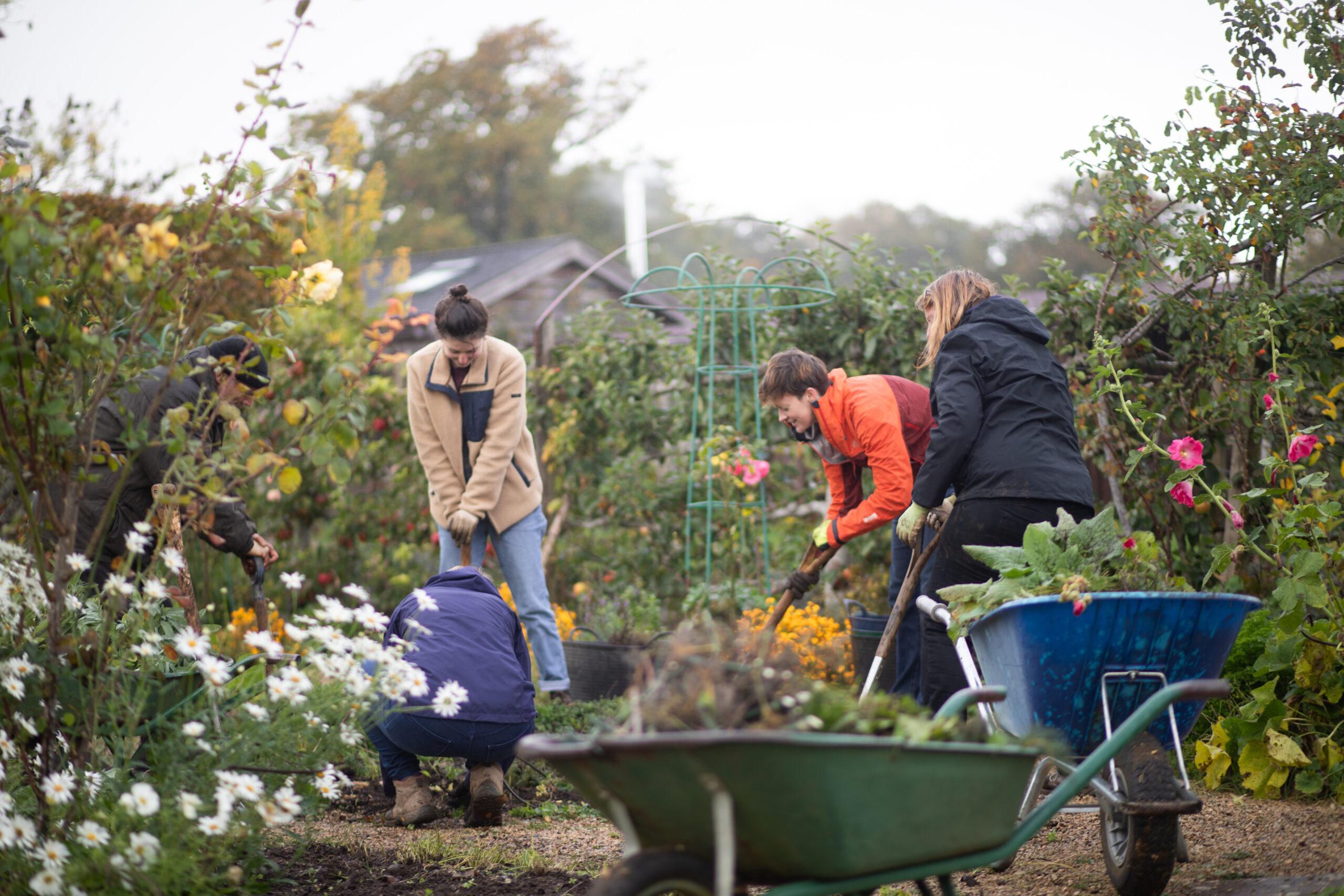
    Bridewell Gardens is a mental health recovery service supporting people in West Oxfordshire who have experienced serious mental ill health. Set within a walled garden and vineyard at Wilcote, Bridewell provides a creative, compassionate environment where recovery is nurtured through gardening and working with nature.

    As one former gardener puts it, Bridewell is “a small mental-health charity with muddy paths, patient people, growing things — and absolutely no pressure to pretend everything’s fine when it isn’t.”

    Open Days invite visitors to wander freely through the walled garden, vineyard and surrounding spaces, discovering fruit, vegetables, flowers and vines grown as part of Bridewell’s day-to-day work.

    Plants propagated on site will be available to buy, alongside home-produced jams and chutneys and Bridewell’s acclaimed organic sparkling wine, made from grapes grown right there in the vineyard.

    A pop-up café will be serving tea and cake, while those keen to linger are encouraged to bring a picnic blanket and relax among the vines. Families and children are welcome to explore, spot dragonflies by the pond, and count the chickens roaming the vineyard, while dogs on leads are also very welcome.

    Open Days are not just about enjoying a beautiful place. They offer an opportunity to meet Bridewell staff and volunteers, hear about the recovery service, and understand how working outdoors can help people rebuild confidence, develop skills and reconnect with their community.

    For many, Bridewell provides structure, kindness and hope at a time when it is most needed. As one participant reflects: “Bridewell has been my parachute. It got me out of the house, gave me routine, and helped me find confidence again.”

    Entrance is by suggested donation of £5 per person, with no booking required.

  • Gardening: What’s best in a Summer Bedding?

    Gardening: What’s best in a Summer Bedding?

    At last it’s June and that officially means no more frosts and the seasonal summer bedding can be planted out in abundance!

    I like to add these flowers to existing planting and pots for a bit of colour and variety but my favourites are wild flowers and hardy annuals. 

    What is summer bedding?

    Summer bedding
    Keukenhof Gardens in Spring

    The term summer bedding originates from Victorian times and many still traditionally plant beds of organised summer flowering plants. You can see this type of planting in parks, gardens, roundabouts and outside stately homes and botanic gardens. It has become less popular in gardens as we move towards a more wildlife friendly type of gardening. These plants are great when filling gaps in borders, and adorning the patio in pots and baskets. Then we get to enjoy them all summer long!

    Pink pelargonium flowers. Bud close up. Grow a flower in a pot. Botanical petal floral background. Gardening.
    Pink & Red Pelargonium

    Should I have tender perennials or annuals?

    This always causes confusion as Pelargoniums and Petunias are tender perennials sold as annuals. Meaning they are not frost hardy and need to be over wintered inside or bought new each year. Cosmos and Tagetes are half-hardy annuals. These need to start growing in the greenhouse and will die at the end of the season. Most summer bedding plants need feeding, watering and dead-heading to maintain flowering. Take particular care with the hanging baskets which may need plunging into a bucket of water to rehydrate!  

    Fuchsia for summer bedding
    Pink & Purple Fuchsia

    Fuchsias: perfect for summer bedding

    These deserve a special mention as they are one of many shrubs people use for summer bedding. They can be hardy – Fuchsia magellanica which can stay out all winter. Or tender – most of the summer bedding ones with cultivar names like ‘Dancing Flame’ and ‘Lady Thumb’. The tender need winter protection. It’s all about where they grow in their native habitat. They flower non-stop all summer and are well worth investing in. 

    Spider Plants in hanging baskets
    Spider Plants

    Can my houseplants be put outside in summer?

    Often spider plants and other houseplants can be put outside in containers during the summer. But be careful to acclimatise them as, like us, they can get sunburnt! 

    Check out Cathie’s Gardening School for courses and workshops, garden mentoring and consultancies.


    Want more gardening tips?

    Find lots more of our gardening ideas here

  • Living willow sculptures

    Living willow sculptures

    Willow can make an eye-catching addition to your garden as gardening expert Cathie Welch tell us

    I have woven dried willow into baskets and animals. I have made living willow trellises, arches and tunnels but this year I have taken it to a whole new level sculpting the actual plants. I was inspired by a walk around Wisley lake to see these incredible works of art. 

    Growing Willow 

    There are many types of willow from the wild pussy willows to the colourful stems, similar to dogwoods, that we plant for winter colour. They are particularly successful in damp conditions in bog gardens and sound waterways. People are often put off because they grow so big but there are ways around that. It needs a little knowledge and some artistic licence! 

    Propagating Willow 

    Willow root readily from hardwood cuttings taken from autumn through to early spring when they are dormant. My propagation classes will be doing this. Take a section of stem ideally from the current season’s growth and cut just below a bud at the base and just above a bud at the top. It’s possible to root them from long willow rods and these are excellent if you want to make a walkway. 

    Pruning Willows 

    Often the trees are pollarded to the top of the trunk and you can do this with a smaller one in the garden. Don’t be afraid to cut it back to a stump every spring. Once the new growth has dropped all its leaves and looks amazing, it is ready to sculpt. 

    How to learn with CGS 

    Drop me a line, book a visit or check the website. Join in the learning fun! 

  • January Joy!

    January Joy!

    Let’s face it January is depressing post Christmas and gloomy weather, but it can also be a most joyful time in the garden says Cathie Welch

    Look around at the array of stem colours, berries and scented flowers being visited by bees when the sun does show. It really is magical so let’s focus on the positive!

    Colourful stems: Many plants have colourful stems but the most stunning are the dogwoods. Cornus sanguinea ‘Midwinter Fire’ looks like flames on gloomy days and Cornus alba ‘Sibirica’ is bright red. There are many others to grace your gardens in shades of lime green, yellow, orange, red and black. Bamboo can be trimmed to show the beautiful stem colour and the best one for this is Phyllostachys aurea which is pure gold. Many trees come into their own too like Betula jacquemontii and other silver birches, Prunus cerrula has shiny burgundy stems and there are many more.

    Evergreens and berries: Trees and shrubs that keep their leaves over winter are the backbone structure to a garden in winter and many carry colourful berries. Two winter classics are holly and ivy but there are also an array of Skimmias with red and green buds and others with bright red berries. Sarcococca has red and black berries following gorgeous scented flowers.

    Deciduous winter interest: One of the plants that causes a stir at this time of the year is Callicarpa bodinieri and it’s many cultivars. Bright purple berries (above). My students have to identify it at other times too but winter is when it is at it’s best. Birds are not generally attracted to the berries although I’ve seen one or two blackbirds and thrushes tucking in! There is also Edgeworthia chrysantha which has a gorgeous structure and scented yellow or red flowers.

    Scent and perfume: Boxing Day we head up Battleson Hill at RHS garden Wisley to drink in the perfume of Daphne, Edgeworthia, Camellia, Hamamellis, Chimonanthus, Lonicera and Sarcococca. A true delight on a dull winter’s day recommended to all readers.


    Latest posts

  • Pond Contemplation

    Pond Contemplation

    My pond gives an added dimension to the garden and an opportunity to encourage diverse wildlife and a whole new range of plants. Someone once said to me “A garden without a pond is like a theatre without a stage”

    Where to start

    It is not as simple as digging a hole but that’s a good place to start! Find a suitable spot in the garden and plan one in scale with the rest of the site. Ideally avoid a rigid liner and instead go for a flexible liner which will mould to the hole you have dug. It’s important to have a deep area and a shallow beach area and place it where you can enjoy it.

    Sculpt the pond

    Ensure there is a deep area in the middle or at one side. When we did ours the patio flanks the deep area, this should be around three feet for deep water aquatics and over wintering plants, fish and wildlife. From the deep area there is a gentle slope in case our residential hedgehogs fall in and a shelf around the edge for marginal plants. It’s important to do all this before you fill your pond with water.

    Line the pond

    Use and underlay, carpet, newspaper and anything else to prevent the butyl or pvc liner getting damaged. Also ensure the size of the liner allows for the depth of the pond too. Spread over and fold as you fill with water, it helps to get in a this point. The water will pull the liner into place and make sure there is an overlap.
    Plant your pond

    After adding a product to neutralise all the nasties in tapwater you can plant. It’s important to edge the pond with stones, cobbles, gravel and plant amongst these. Here you can use perennials, ferns and small woody plants. Place your oxygenators into water, plant deep water aquatics like water lilies in the deepest part and add marginals on the shelf around the edge. You can also add floating aquatics like water soldiers and frogbit. It’s essential to have the range of plants for example without marginals the dragonfly larvae can’t get out of the water and shading of the surface is essential from the deep water aquatics and floaters.

    Fish and Wildlife

    You have to decide whether you want fish and the wildlife will come. Often newt eggs and snails come with the plants. Flying insects are drawn to the water like pond skaters, damselflies and dragonflies. Try to let the pond balance itself. If you have a range of plants to cover the surface this will happen and don’t be put off by the water going green or murky it’s a natural process.

    Enjoy your pond

    There is lots of learn so read up about it or visit my gardening school for some inspiration. As well as looking after the pond it’s important just to sit, gaze and contemplate.


    Latest posts

  • Winning gardeners don’t hedge their bets

    Winning gardeners don’t hedge their bets

    We love these award-winning topiary designs – what do you think?

    Garden ladder expert, Henchman has unveiled the winners of its 2024 inaugural Topiary Awards. The competition, honours the centuries-old tradition of shaping living sculptures from plants.

    The entries from across Britain were evaluated based on a comprehensive set of criteria designed to assess their creativity, craftsmanship, and overall impact, by an esteemed panel of topiary experts and horticulturalists including; Elizabeth Hilliard, Editor of European Boxwood and Topiary Society (EBTS) magazine TOPIARIUS; Michael Buck, Head of Horticulture at Creepers Nursery; Andy Bourke, professional topiarist better known as The Hedge Barber; and Owen Simpson, Managing Director at Henchman. 

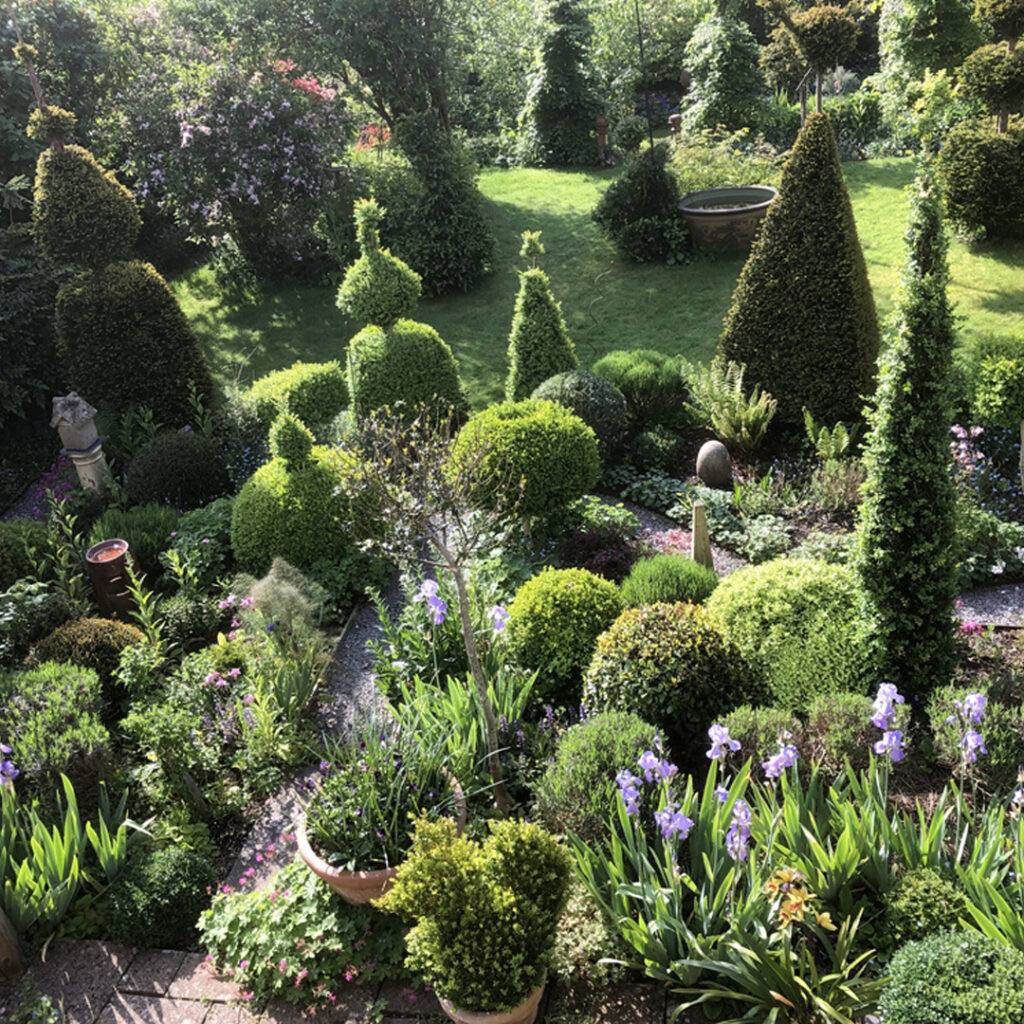
    Taking home first prize in the Professional Gardener Category is Harrie Carnochan from West Sussex. Harrie maintains this topiary garden, the immaculate symmetry wowed the judges, with Harrie’s expert attention to detail and skill evident in the high-impact finish. Small topiary balls sit atop perfectly sculpted columns to welcome visitors to the garden, with rounded trees standing proudly around the lawn.

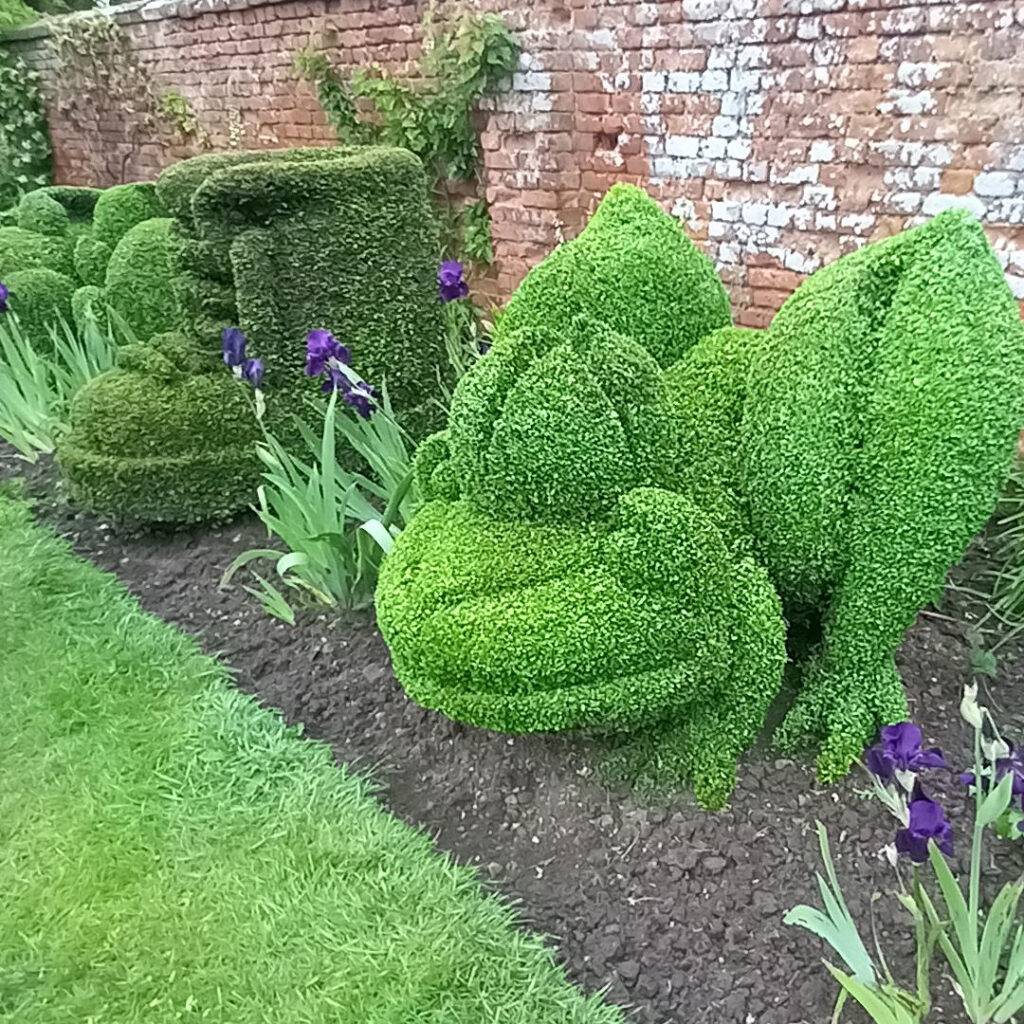
    In second place is Suffolk-based Chris Reeve, whose topiary creation brings a touch of magical enchantment to any garden. The design features a carefully crafted frog that seems ready to leap into life. Its intricate details include rounded eyes, a pronounced mouth and gracefully arched limbs, showcasing exceptional skill, creativity and a keen eye for detail.

    Recognised for his charming and lifelike depiction of two dogs, the highly commended award goes to Simon Newman from Worcestershire.

    The winning entry in the Home Gardener Category goes to David Hawson from Aberdeenshire, whose design features a whimsical scene featuring countryside animals and marine creatures carefully sculpted into a continuous hedge, resulting in a high-impact horizon.

    In second place is Petra Hoyer-Millar from Oxfordshire, whose design features a series of perfectly clipped hedges crafted into large, rounded shapes that flow sinuously to create a cloud-like effect, guiding the eye along their length with artistic precision and skill.

    The Henchman Choice Award, voted for by the Henchman team, goes to Bedfordshire-based Keith Miles for his impressive life-size tractor sculpture crafted from densely trimmed shrubs.

    The winners were announced at this year’s RHS Hampton Court Flower Festival, where they received a trophy, a bundle for Henchman products, an annual membership to the European Boxwood and Topiary Society and a day trip for two to one of the EBTS UK’s day-long garden trips. Well done to all!

    For more information about Henchman, visit Henchman | Tripod Ladders & Safe Working Platforms

  • Stonesfield open gardens glory

    Stonesfield open gardens glory

    In need of gardening inspiration? Visit Stonesfield open gardens and pick up some tips

    Enjoy the glory of nine open gardens in Stonesfield on Sunday, 23rd June, including some which have never been open to the public before.

    Organised by Stonesfield Gardening Club, a number of gardens are opening in aid of local charities. There are a variety including a mix of flower beds with a productive vegetable garden including soft fruits and apple trees. The lawns are slowly being left to become meadows.

    A garden for wildlife where you are asked to pause a while, maybe sit for a few minutes, smell the roses, listen to the bird song and the waterfall. Stepped gardens with shrub and herbaceous borders, wildflower orchard, fruit cages and kitchen garden and a peaceful, work in progress garden, full of labours of love from lockdown learnings. Come for the view not the gardening knowledge.

    Entry is £6 per person, cash only (accompanied children under 16 free). Tickets and maps will be available from St James Centre, High Street, Stonesfield OX29 8PU where teas and plants are also on sale. Gardens are open 2pm-5.30pm, last tickets at 5pm.

    Limited car parking will be available in Stonesfield Primary School opposite St James Centre.

    More at Open Garden | Stonesfield Gardening Club

    Stonesfield Gardening Club is a friendly, sociable club with a full programme of events through the year. Membership is open to all.

  • Mad about blooms

    Mad about blooms

    Summer is on the horizon bringing with it warmer days, hopefully plenty of sun and the glorious sight and scent of roses blossoming and spreading their joy

    Our most popular flower is rich in symbolism and history featuring in literature, music, heritage, as our national flower, in skin care products and as the emblem for many sports teams.

    Classic and instantly recognisable, they are ideal for almost every style of garden, flowering abundantly from early summer in pastel shades of pink, peach, cream or snowy-white; vibrant yellow and gold; orange, crimson and red.

    And as any gardener will tell you, there a few essential rose rules to ensure ‘everything comes up roses’.

    Round & About gardening expert Cathie Welch will tell you “It’s all in the pruning!” and advises “before you prune, know your rose type and sharpen your secateurs to avoid damage”.

    She adds: “Make sure you cut correctly in the right place. Dead heading throughout the summer and winter pruning should all be cut to ideally pencil thickness growth to encourage more flowers. Cut out dead and weak growths as well as congested growth and don’t forget the suckers which come from the wild rootstock.”

    Ramblers are in full bloom at this time of year and to ensure an attractive abundance in future, she says: “After flowering has finished prune out some of the flowered shoots and tie in the annoying long ones that you have wanted to cut off because these will produce next year’ flowers.”

    And remember to dead head throughout the summer.

    If you prefer to admire the beauty of roses and take in the rich fragrance from someone else’s handiwork there are plenty of gorgeous English gardens full of stately blooms.

    The gardens at Basildon Park near Pangbourne, have been lovingly restored over the decades and now feature many types of roses. Look out for the classic old Rosamundi rose, a beautiful light crimson semi-double bloom striped with white and the large, rich warm pink Compte de Chambord, both rice in fragrance. Added to the pleasure grounds in the 1960s, Lady Iliffe’s rose garden is a riot of roses, peonies and spring bulbs which really come to life in spring and summer.

    Roses combine with fruit and vegetables at Buscot Park, Faringdon where the fine collection of old French roses mix with modern cultivars. Between the climbing roses, fruit are trained to the wall, and, later in the season, the spent shrub roses act as a frame to support ornamental marrows, courgettes, gourds and runner beans.

    The fabulous three-day Blenheim Palace Flower Show between Friday 21st and Sunday 23rd showcases the best of British gardening with roses set to be one of the star attractions in the magnificent Grand Floral Pavilion.

    In June, roses can be seen in different areas of the gardens on the Englefield Estate in West Berkshire, in the beds around the car park as well as in the box border along the lower terrace. Wilder roses are also in bloom in the woodland.

    The Mary Rose Garden at Waterperry Gardens just outside Oxford city centre is home to hybrid teas, floribundas, climbers and ground cover roses. The latter may vary in size, ‘Pheasant’ covering a large area, whilst the pink ‘Surrey’ is much smaller, and free-flowering. The roses are grown both by themselves and as companions to other plants such as Irises, which provide early interest before the roses are in full bloom.

    Take in the scent of the contemporary Rose Garden with its viewing platform overlooking the roses as well as the garden beyond at Savill Garden and immerse yourself in the old fashioned scented French musk roses inter-planted with a wide range of shrubs and perennials.

    Greys Court near Henley is full of wonderful sights and scents as the roses come into bloom throughout June. The rose garden traces the history of the rose from the early damask varieties to the modern hybrid perennials.

    There are around 2,000 roses throughout the gardens at Abbey House Manor Gardens, Malmesbury, with climbers wandering their way through foxgloves and other flowers. Once part of a Benedictine Monastery, the gardens only open on selected dates during the summer months.

    The rose arbor provides seating in avenue of white and mauve alliums and white camtasisa at Rookwood Garden, Newbury where you can enjoy a tour with tea lead by the owners.

    Set in the beautiful historic grounds of Windsor Great Park, the Royal Windsor Flower Show is a fabulous one-day event on Saturday, 8th June celebrating gardening, nature, cookery, traditional crafts and old fashioned fun. No doubt roses will be one of the main attractions.

  • Mad about the blooms

    Mad about the blooms

    Summer is on the horizon bringing with it warmer days, hopefully plenty of sun and the glorious sight and scent of roses blossoming & spreading their joy

    Which country is one of the world’s largest suppliers of roses with 54% of its land filled with the fragrant flower? Give yourself a pat on the back if you guessed Ecuador where the natural light provides the perfect year-round climate for them to thrive.

    How about the most expensive rose in the world? The David Austin Juliet Rose, named after Shakespeare’s tragic heroine, was developed over the course of 15 years at a cost of a whopping £2.3million. The delicate apricot coloured large headed blooms were first displayed at Chelsea Flower Show in 2006.

    More rose facts: the oldest living one is 1,000 years old and can be found on the wall of the Cathedral of Hildesheim in Germany, all varieties of rose are edible and the earliest rose fossils have been discovered in Colorado dating back 35 million years.

    The most popular flower is rich in symbolism and history featuring in literature, music, heritage, as our national flower, in skincare and as the emblem for many sports team. Classic and instantly recognisable, they are ideal for almost every style of garden, flowering abundantly from early summer in pastel shades of pink, peach, cream or snowy-white; vibrant yellow and gold; orange, crimson and red. As any gardener will tell you, there are a few rose rules to ensure ‘everything comes up roses’.

    Round & About gardening guru Cathie Welch says: “It’s all in the pruning! Before you prune, know your rose type and sharpen your secateurs. Cut correctly in the right place, dead heading throughout summer. Winter pruning should be cut to ideally pencil thickness to encourage more flowers. Cut out dead, weak and congested growth and don’t forget the suckers which come from the wild rootstock.”

    Ramblers are in full bloom at this time of year and to ensure an attractive abundance, she adds: “After flowering has finished prune out some of the flowered shoots and tie in the annoying long ones that you have wanted to cut off because these will produce next year’s flowers.”

    If you prefer to admire the beauty of roses and take in the rich fragrance from someone else’s handiwork there are plenty of gorgeous English gardens full of stately blooms.

    The Rose Garden at Cliveden, SL1 8NS, is a heavenly place to visit, tucked away in a grove of mature trees. The contrast of the natural setting with the formality of the rose garden and its riot of colour and fragrance makes it feel like a magical secret garden. Wander under climbing rose arches with every colour from palest lemon to vibrant oranges to velvety dark crimson. With more than 900 in the summer-long display you’re sure to find a favourite.

    Visit Waddesdon Manor, HP18 0JH, this month for the sweet scent of the rose garden from the colourful blooms filling the stately setting. The beds in the aviary and parterre have been decorated with colour influenced by Victorian-inspired planting.

  • National Gardening Week

    National Gardening Week

    Haskins Garden Centre’s in-house plant expert, Alasdair Urquhart, gives his top tips for beginner gardeners

    Alasdair Urquhart’s advice perfectly captures the essence of starting a green-fingered journey. Gardening indeed offers numerous benefits beyond just beautifying outdoor spaces. It’s about connecting with nature, engaging physically, and experiencing the joy of nurturing living things.

    His emphasis on starting with simple yet impactful projects is excellent advice for new gardeners. These projects serve as learning opportunities while also yielding satisfying results. Alasdair’s encouragement to embrace experimentation speaks to the heart of gardening as a continuous learning process. Even when things don’t go as planned, there’s always something to be gained and improved upon for the next season.

    1. Create a Colourful Summer Pot: Choose vibrant flowers like Bacopa, Marigolds, Lobelia, and more in complementary colour schemes. Pre-made packs simplify the process, just fill your pot with compost, add the plants, and enjoy. Regular liquid feedings will support healthy growth.

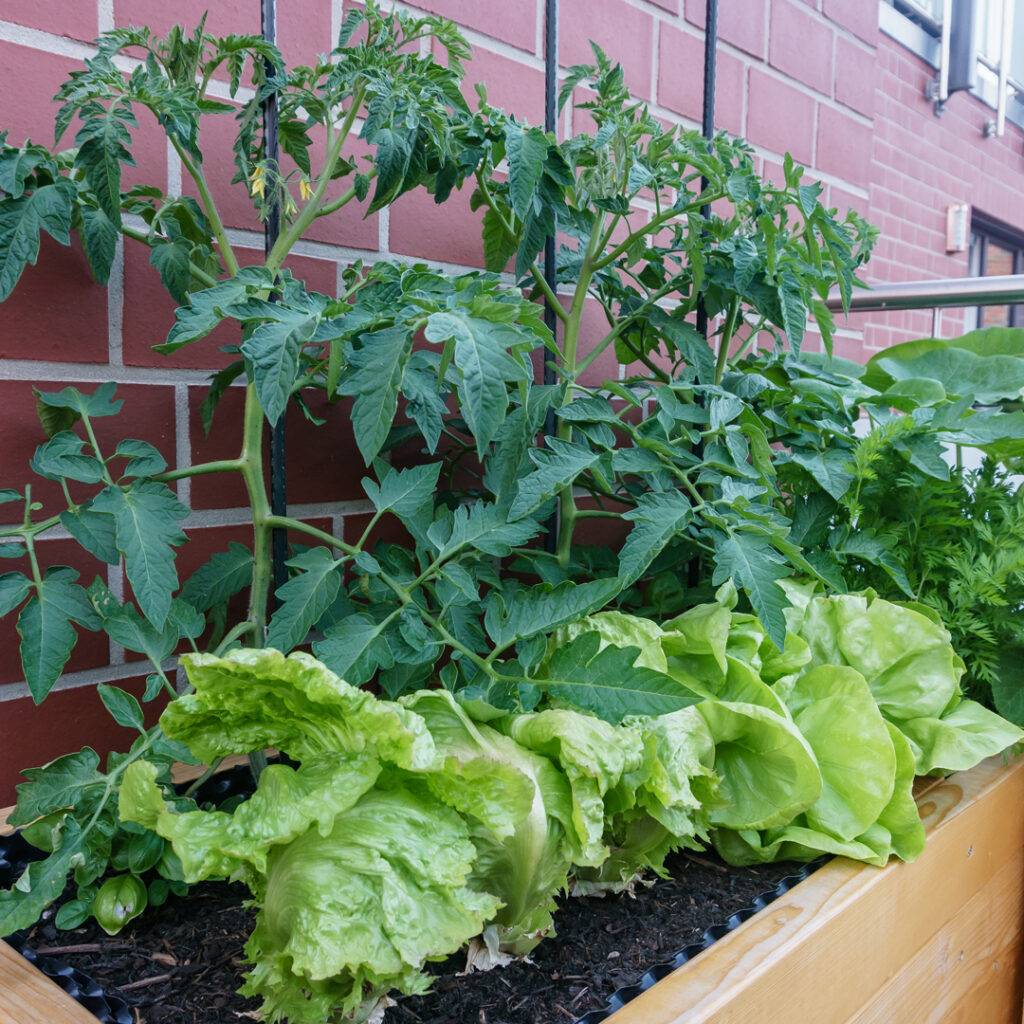
    2. Grow a Tomato and some Lettuce: Start with cherry tomatoes like Sweet Million or Sungold for delicious salad additions, Pair them with loose-leaf lettuces such as Lollo Rossa or Red Salad Bowl for continuous fresh leaves. This project introduces mixed cropping and yields tasty results for summer barbecues.

    3. Create a space for local wildlife: Enhance biodiversity by sowing wildflower seed mixes designed for birds, bees, and butterflies. Prepare the soil, sow the seeds evenly, and water gently. Allow some flowers to go to seed for self-sowing next year. Integrate bee and butterfly-friendly herbs like Rosemary and Thyme for additional wildlife support.

    These projects cater to a range of interests and skill levels, making them perfect for National Gardening Week celebrations. And for more guidance and tips, Haskins Garden Centre is a valuable resource for both new and experienced gardeners alike.

    For more information on Haskins Garden Centres and the huge variety of plants and gardening advice available, please visit Haskins Garden Centres. Alternatively, you can follow @HaskinsGarden on Twitter and @HaskinsGardenCentres on Facebook to share any garden-related queries and keep up to date with all the latest news.