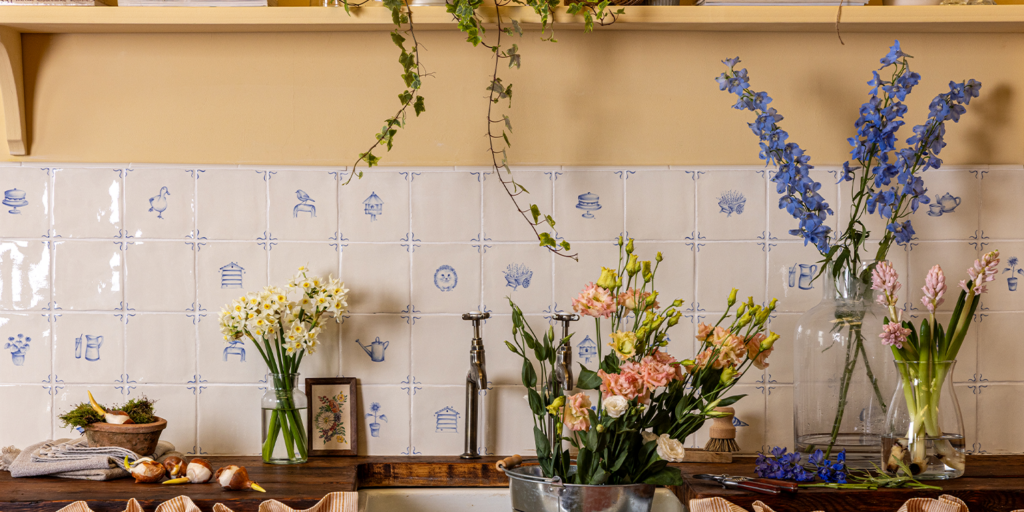
Meet the Oxfordshire garden designer bringing elegance and organic flow to people’s lives

Zoe Gater

garden

Garden designer Fanija Bluma tells us about her journey and what she loves about local life in Oxford.

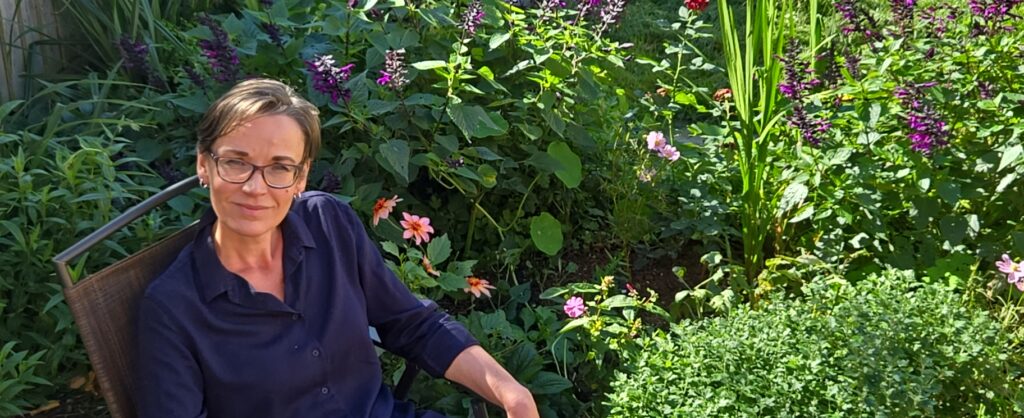
From the cobbled streets of Riga to the meadows of Oxford, garden designer Fanija Bluma has lived a life shaped by nature, beauty and a touch of luxury.

Growing up in Latvia, surrounded by northern landscapes and a deep cultural connection to the natural world, she says it was inevitable she would one day return to her roots.

After an early career in luxury fashion and beauty retail – working with houses such as Parfums Christian Dior, Bottega Veneta and TOD’s – Fanija turned her attention back to the soil, founding Fanija Bluma Gardens, her garden design practice.

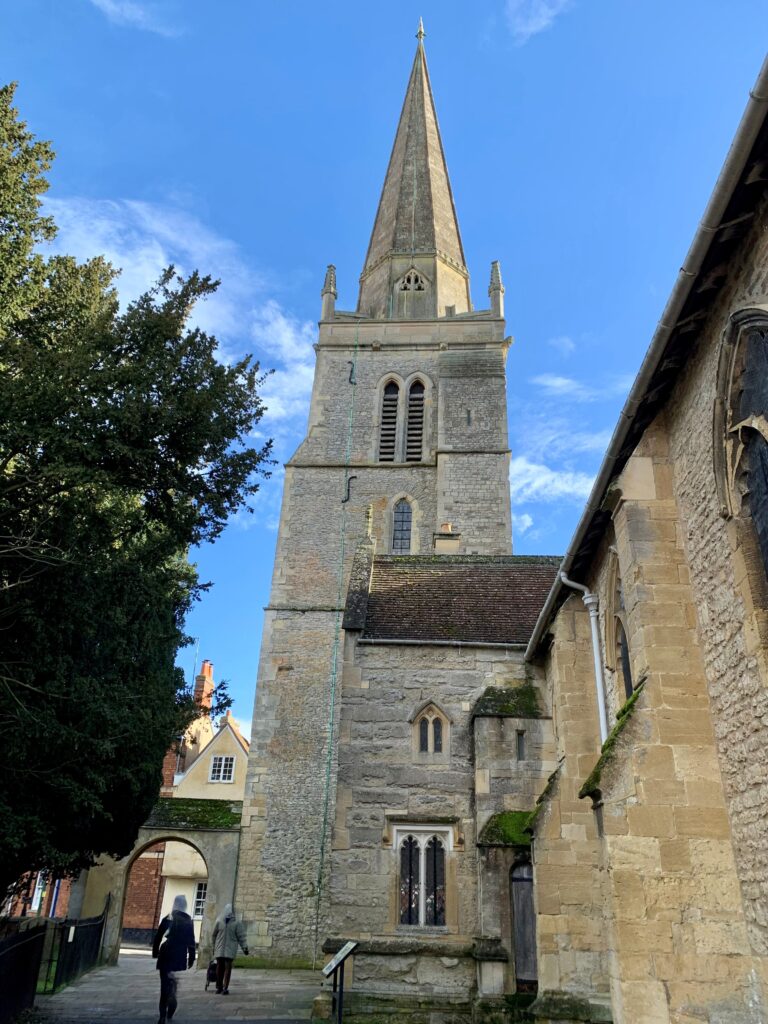
Now based in Oxford, where she has lived with her family for the past 15 years, Fanija draws inspiration from the city’s unique mix of historic architecture, university life and green spaces.

“Oxford is so unique,” she says. “Where else can you find meadows and cows grazing beside the walls of one of the world’s greatest universities?”

When she’s not working, she loves to visit the Oxford Botanic Garden and college gardens such as Trinity, Worcester and St John’s – a living textbook, as she calls it.

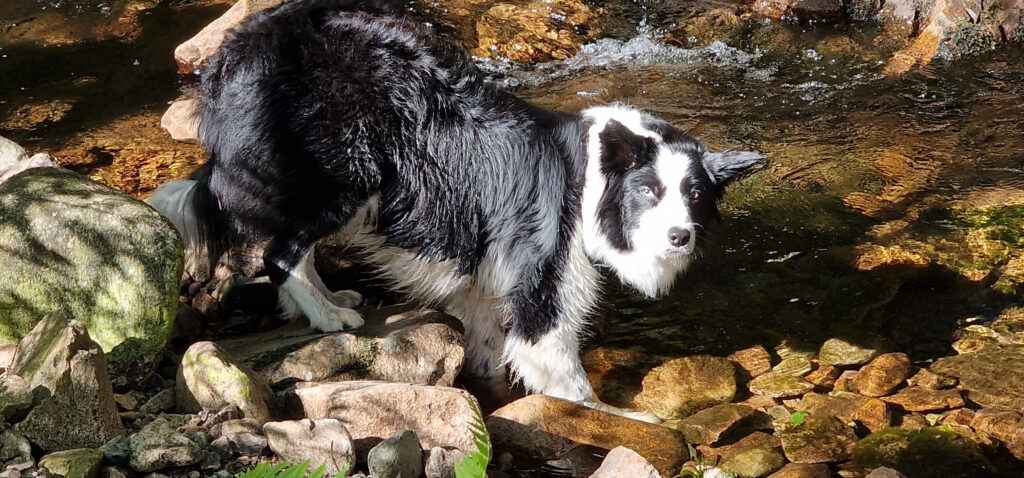
Family life is central too. Her children, now 17 and 20, have grown up here, while Tess, the family’s Border Collie, keeps everyone active with her energetic swims in Port Meadow.

“She gazes at the ripples in the water, listens to the geese, then drenches me with her ‘wet dog shake’,” Fanija laughs.

Closer to home, she enjoys sourcing ingredients from local favourites like Alden’s Meatmaster, Hayman’s Fish Market and Mayfield House Farm for family meals – though she admits her husband is the real star cook.

For dining out, Gees is a favourite spot, not least because Fanija herself looks after the restaurant’s plants.

For Fanija, winter is one of the most exciting times of year. It’s bulb-planting season, when she puts the groundwork in for the colour and fragrance of spring. It’s also a time for dreaming up new designs – gardens that, in her words, are “not just places to be, but places that create emotions and memories.”

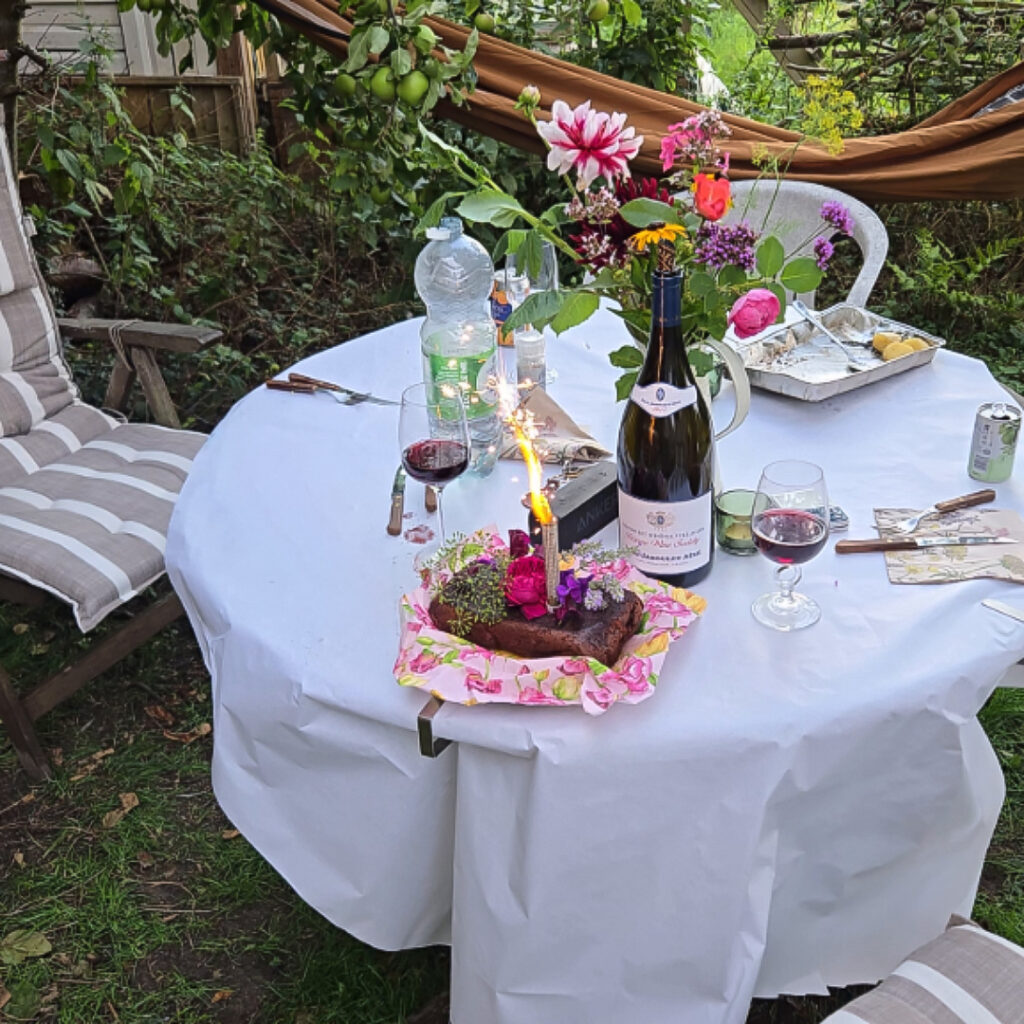
Fanija is also a member of the Twenty Pound Meadow Allotment Association, where she finds joy in “slow living” – evenings by the river, al fresco dinners, and a reminder of summers in Stockholm.

Her wish for the new year is simple yet heartfelt: an end to the wars in Ukraine and Gaza. Until then, she continues to create her “love gardens,” blending elegance and organic flow to touch people’s lives.

For more, visit fanijabluma.com.

Designing the ideal indoor-outdoor home with Vivus Interiors

Liz Nicholls

garden

Liz Nicholls chats to Tanya Lippuner, founder and lead designer of Vivus Interiors, a female-led interior design team.

Liz Nicholls chats to Tanya Lippuner, founder of Vivus Interiors, about the rise of indoor outdoor living ideas and how to design homes that flow effortlessly between inside and out.

From reworking period properties to creating seamless connections with the garden, Tanya shares expert insight into balancing modern living with architectural character.

Hi Tanya! Tell us a little about Vivus Interiors

Vivus Interiors is a south coast–based interior design studio specialising in residential projects. We often work with older houses and properties with strong architectural character, so a lot of our work focuses on finding the balance between modern living and the original personality of a home.

That might involve designing extensions so they sit comfortably alongside the original house – sometimes continuing the language of the building and sometimes introducing a thoughtful contrast, as well as selecting materials and details that work well with the existing architecture.

Our work covers everything from space planning and materials through to furniture and the finishing touches. The aim is always to create homes that work well for modern life while still honouring the character and history of the building.

More homeowners are trying to blur the line between indoors and outdoors. What does that look like in practice when you’re designing a home?

It’s really about making the house and garden feel like one connected space rather than two separate areas. When we’re designing a home, we think carefully about views, levels and how people move between inside and outside.

For example, aligning floor levels so you can step straight out on to a terrace, or positioning doors and windows so the garden becomes part of the everyday view from the main living spaces. The aim is for the garden to feel like another room of the house, rather than something you only experience once you step outside.

When someone is renovating or extending their home, at what stage should they start thinking about the garden and exterior living spaces?

Ideally from the very start. The garden is often treated as something to think about once the building work is finished, but in reality it has a big impact on how the house works. Think about how you want to use the space – if you have a family, is there room to play? Is there a quiet spot just to sit and enjoy the garden? Do you want to entertain outside in the summer?

Outdoor spaces can be just as important as the rooms inside, so it’s worth giving them proper thought early on. Even practical details matter – things like where you’ll store outdoor cushions, rugs or dining pieces might influence how much storage you need inside the house, or whether additional space in a shed or garage needs to be part of the plan.

What are some simple ways people can achieve that?

There are some simple ways people can create that connection. Using similar materials inside and out – for example timber or porcelain flooring can help spaces feel naturally linked. Repeating shapes or colours from the interior in outdoor furniture or planters can also work well.

Making the transition easy is important. Wide doors, clear sightlines through windows and a well-placed terrace directly outside a kitchen or living space can make moving between the house and garden feel effortless.

Outdoor kitchens and entertaining areas are hugely popular right now. What makes the difference between one that feels truly designed – and one that’s just a barbecue on a patio?

If the budget allows, outdoor kitchens can be a really enjoyable space to design. The difference between something that feels properly considered and simply placing a barbecue on a patio usually comes down to planning. Zoning the space for cooking, preparing food and sitting down to eat helps it feel more like an outdoor room.It also works well when elements feel integrated rather than temporary.

Built-in storage, an outdoor fridge, a proper grill or even a pizza oven can all become part of the design. Sometimes it’s nice to visually link the space back to the house, too – perhaps with a semi-covered structure or materials that echo the main building. We’re currently designing one alongside an older property, using cedar shingles on the roof and stone to match the house, so it feels like a natural addition.

And of course, the seating area is just as important as the cooking space. One practical tip is to pay attention to outdoor furniture materials – wood or aluminium tend to age much better than steel, which can rust quickly and often needs replacing after a couple of seasons.

You often work with heritage properties. How can homeowners introduce modern outdoor living features without losing the character of an older house?

With older houses it’s usually about being sympathetic to the character and materials of the building. Modern outdoor features can work beautifully, but they tend to feel most successful when they sit comfortably alongside the architecture rather than competing with it.

Natural materials such as stone, brick or timber often work well, and softer planting can help take the edge off anything that might otherwise feel a little too new or stark.It can also be helpful to spend some time looking at references that suit the style of your home. Creating a simple Pinterest board of furniture, materials or garden features that feel right for the age of the property can be a useful guide, and something you can keep referring back to as you make decisions about the garden design.”

What are the most common things people say they want from their gardens when they start a project with you?

Most people want a garden that’s easy to enjoy and works well for how they live. That often means creating a good social area for entertaining, somewhere for cooking outdoors, and a quieter spot to sit and relax. Zoning the garden into different areas can work really well, as long as the spaces still feel connected to each other.Low maintenance is another request that comes up a lot.

People want a beautiful garden but not necessarily one that takes up every weekend to manage. We often help by suggesting layouts or ideas that introduce softer, more natural shapes – especially when working with the typical rectangular garden to create more interest and flow. From there, clients can develop their own planting plans around the structure of the space.

What small design tweaks can make a garden feel more connected to the home?

Have fun with planters and pots – they’re an easy way to bring greenery closer to the house and help soften the transition between indoors and out. They can also create gentle divisions within the garden or provide a bit of natural screening. Playing with different heights, plants and textures can add interest and make the space feel more layered.

Lighting is another simple addition that can make a big difference. Used along paths or around seating areas, it helps guide people through the garden, and once dusk falls, it can completely change the atmosphere, making the space feel like an extension of the home in the evening.

Are there any outdoor design trends you’re particularly excited about?

There’s definitely growing interest in gardens that feel more natural and relaxed rather than overly formal. Wildlife-friendly planting and pollinator-friendly gardens are becoming more important, as people think more about biodiversity and sustainability.

Alongside that, we’re seeing outdoor spaces treated much more like an extension of the home. People want comfortable seating areas, outdoor kitchens and good lighting so the garden can be used well into the evening and for much more of the year. Wellness features are also appearing more often – things like outdoor showers, cold plunges, saunas or small pools, creating spaces that feel restorative as well as social.

What are your favourite homes and gardens to visit for inspiration, locally?

There are so many beautiful gardens to visit across the South East. RHS Garden Wisley is always inspiring for the scale and variety of planting. Hampton Court Palace is another favourite, especially during the tulip festival when the displays are incredible.

I also love visiting Great Dixter for its relaxed, natural style of planting, and West Dean Gardens in West Sussex, particularly the kitchen gardens. Pashley Manor Gardens in East Sussex is another lovely place to wander around, with a really peaceful atmosphere.

What does your own ideal outdoor space look like?

For me it would be something quite natural and relaxed. I love gardens that feel a little bit wild, with layered planting and plenty of greenery so the space feels immersive rather than overly tidy. If the garden had a few gentle tiers or changes in level that would be lovely too, as it adds interest and creates different places to sit and enjoy different parts of the garden.

A long table for summer dinners would definitely be part of it, somewhere sheltered but still open to the garden. I already have a hammock which is absolute bliss in the warmer months, so that would certainly stay. I also have a pergola which I love, and ideally I’d have something beautiful climbing up around it to frame the structure.Lighting would play a big role too – I love using lighting in a garden as it completely changes the atmosphere in the evening.

And, of course, a few outdoor speakers for music would make it the perfect space to relax or have friends over. The best outdoor spaces are the ones where you naturally want to spend time, whether that’s entertaining or just sitting quietly with a coffee.

Summer’s on the way – time to wake up your garden and make the most of outdoor living

Zoe Gater

garden

Do you have a garden worthy of Chelsea Flower Show or are you more shame-faced than bursting with pride at your patch? As spring creeps in, it’s time to take it in hand and have a clear out –perhaps give that tired-looking furniture a new lease of life and if all else fails, call in the experts…

“I hope we inspire people to get outside into nature and to try something new…” Motivating words from a somewhat unexpected source – Sir David Beckham. The footballing god has been turning his attention from the beautiful game on the pitch to the beauty of different kinds of green spaces.

As we embrace spring’s welcome arrival at last, and our thoughts turn to spending time in our gardens, let’s get on board!

As an ambassador for The King’s Foundation he’s joining forces with fellow ambassador and RHS champion Alan Titchmarsh and horticulturalist Frances Tophill to create The RHS and The King’s Foundation Curious Garden at RHS Chelsea Flower Show (19th-23rd May).

When complete it will be brimming with plenty of takeaway ideas for people to grow more plants and create beautiful pockets of nature, be it on a windowsill, in a container garden or in a private garden space.

You could be forgiven for thinking getting out in our gardens has seemed a distant dream with the weather we’ve experienced at the start of the year but with spring sneaking in at last, it’s time to put the gloves on and get out with your spade, brushes and garden bin and start the transformation.

In recent years, our outdoor spaces have increasingly become an extension of our indoor spaces. Taking the indoors outside has is a continuing trend reflecting our changing lifestyles, driving towards greater sustainability and making every bit of space work.

Relaxation and entertaining are key for many when it comes to spending time in the garden which usually means a menu of dining area, a “chill zone”, kitchen or BBQ and “side dishes” of fire pits or outdoor heaters for year-round use.

Nothing says summer like the sizzle of the barbecue and dining alfresco is one of life’s simple pleasures. This means that not only do you need to think about the cooking itself – tried and tested traditional BBQ, pizza oven or no-holds-barred outdoor kitchen – but also how you’ll enjoy the food, too.

There are so many options for garden furniture, from casual bistro sets to larger wooden tables and chairs for any number of guests to gather around.

And when you’re looking to chill out then recliners, hammocks and comfy sofas certainly fit the bill. With the British weather being unreliable to say the least – some form of shelter is a desirable addition; pergolas, awnings and sails all fit the bill and after the sun has said goodnight you may well need to turn the temperature up with a chiminea, fire pit or patio heater. Add some stylish lighting and you can party into the small hours.

As we’ve already experienced this year, the climate here can be unpredictable; variable and just down-right horrible sometimes so when it comes to the finishing touches, plant diversity is key.

Guy Barter, Chief Horticulturist at the RHS, says: “Plant breeders are increasingly responding to changing weather patterns but also the expectations of gardeners who want plants that serve multiple purposes and are robust enough to survive our weather extremes. Cultivated plant diversity is important in future-proofing our gardens and this year looks set to see some new favourites take hold.”

One plant which excelled in last year’s dry summer was the tomato with demand expected to rise this year. Another growing trend is for “grow your own” and the RHS team predict tabletop veg will be big with dwarf varieties bred to fit in any space especially increasing in popularity as well as being a great way to introduce children to the delights of horticulture.

New popular choices include table-top chillies, aubergines, hanging basket cucumbers and small grape vines in addition to evergreen favourites, potted herbs.

The impact of gardening on our planet will once again be a key trend with plants for pollinators and foraging plants expected to feature prominently.

The RHS and The King’s Foundation Curious Garden team are reinforcing this, encouraging more and more of us to put our green fingers to the test, grow more varieties of plants and exercise our curiosity to find out why and how gardening can be so good for our health, happiness and the environment.

As Alan Titchmarsh says, aside from “celebrating the real joy that gardening brings to our lives”, they are highlighting “why gardeners from enthusiastic new gardeners to incredibly skilled horticulturalists, are more important today than ever”.

Star Q&A: Horticulturist and author, David Domoney

Liz Nicholls

garden

Liz Nicholls chats to gardener and author David Domoney, who will star at the Ideal Home Show from Friday 10 to Sunday 19 April 2026 at London’s Olympia.

Hi David, how are you?

Good, thanks, Liz! Sun’s out, the days are getting longer, birds are singing… Hold on tight, we’re nearly there!

You’re at the Ideal Home Show, as well as Martin Lewis, Annie Sloan, George Clarke and more stars, aren’t you?

Yes, the show is so feel-good, I love it! Our gardens are where we relax. But horticulture isn’t just about gardens. Plants are part of everyday life: the air we breathe, the food we eat. We only get old on the outside – we’re all young on the inside!

Think of using a dandelion as a child to tell the time. Plants connect us to memory and emotion. Mint can make us feel cold, chillies hot. This will be a fun celebration of plants’ superpowers! On the cookery stage, I’ll look at plants to keep us feeling younger and healthier

Your RHS Chelsea Ace of Diamonds Garden was a real bobby dazzler!

Yes, at Chelsea I try to stretch people’s imaginations; we had £20 million worth of diamonds for that one! The Ace of Spades had a tattoo artist on the side. But your real perfect garden is your own taste, gnomes, whatever!

I love your social media channels, no wonder they’re so popular! What’s a good food to grow as a newbie like me?

Start with cress; it’s the fastest crop from seed to eating. Growing seeds activates positive neurotransmitters in the brain.

When you spot those tiny green shoots, you’ve created life! Cress has more calcium than milk, more vitamin C than broccoli, more folate than a banana. Herbs are easy too – you can even grow potatoes in a bin!

I’m also a fan of your fantastic bestselling book, My Houseplant Changed My Life! Are you proud of it?

Yes, it came after Chelsea in 2021 when we were very fortunate to win gold. House plants look good, pump out fresh oxygen and clean the air… love ‘em!

What’s your favourite plant?

Lemon-scented verbena. You can add your Pimm’s and flavour the ice cream with it. It smells of happiness.

You’re clearly enjoying your 40+ year career in gardening, David. What’s next!?

I love to engage more people with plants and use technology that’s taking us away from nature to reintroduce us to it.

I’ve got a million followers now on my YouTube channel, and I love to offer free step-by-step guides to share the magic. Look out for more ideas!

The Ideal Home Show returns to London’s Olympia for its 118th year, unveiling new and evolved features including The Bark Yard, The Edible Garden, DIY Live, The Smart Home, The BBQ Academy & The Design Studio.

Tickets from £14pp.

For more information or to book, visit idealhomeshow.co.uk.

National Garden Scheme spaces to visit in Hampshire

Zoe Gater

garden

Need some inspiration for your garden? Visit an NGS garden near you, as part of another record-breaking fundraising year thanks to the National Garden Scheme.

This spring, gardens big and small across Hampshire and beyond will open their gates, inviting visitors to wander among blooms, breathe in the scents of herbs and flowers and find moments of calm.

The NGS fundraiser reached a record £3.8 million last year, in its most successful year yet, supporting nursing and health charities nationwide. With 3,000 gardens across the UK opening this year – including 500 newbies – could you help make 2026 yet another charity record-breaker?

A charming cottage garden in Alton

Spend an afternoon at The Thatched Cottage in Alton GU34 3EG and don’t be surprised if you see Tom and Barbara wandering around, not the owners, but a pair of ducks who are lucky enough to call the 16th century cottage home.

When David and Cally Horton moved in it had been somewhat neglected but with a helping hand from a neighbour, they restored it to its bountiful best and opened to the public. The couple consider themselves “so lucky to have the opportunity to raise funds for the amazing nursing charities supported by the NGS”.

The power of gardens to lift spirits

Cally’s garden is a testament to the power of the natural world: “During lockdown we provided somewhere for people to mingle safely. A depressed woman admitted that she had woken up with nothing to look forward to, so came to look at a garden. As she left, she said that she was now looking forward to the week ahead. This is the sort of thing that makes it worthwhile.

“Our visitors sit with and chat to complete strangers over tea and delicious cake. Very few people leave without saying thank you, what a wonderful garden it is and how it has given them inspiration and ideas for their own.”

Children and dogs on leads are also welcome to discover all that lies within, not least a restored gypsy caravan (complete with crystal ball and guard dog!). Take time to savour the delicious cakes and a cuppa at tables under cover in the garden too.

A record-breaking impact for health charities

“It’s extraordinary to see so many gardens welcoming visitors, and the generosity of our garden owners and volunteers continues to amaze me,” says NGS Chief Executive Dr Richard Claxton, who has created gardens for hospitals and hospices. “Each cup of tea served, each garden opened makes a tangible difference to health and care charities across the UK.

“I’ve always been passionate about the effect gardens and gardening can have on wellbeing. Gardening and spending time in green spaces can reduce stress, lower blood pressure, and improve mood. Programmes such as the NGS not only raise vital funds but also promote wellbeing for visitors and volunteers alike. Children can often go free, so it’s a very pocket-friendly outing for the family to enjoy.”

A traditional garden at Binsted Place

For many opening their gardens is a reason to maintain their plots to perfection, try new planting ideas, and connect with fellow horticulturists.

Max and Catherine Hadfield’s 17th century farmhouse Binsted Place in Alton GU34 4PQ is a series of rooms covering around one and a half acres in a traditional style with a lily pond and productive vegetable garden and orchards – the fruits of these labours are very much Max’s domain, while Catherine can often be found giving some TLC to her fragrant roses.

She says: “I spend many hours in my garden, as does my husband and, most of all, our wonderful part-time gardener Dom Brooking. The idea that it was good enough for others to want to visit and to donate money to charity was very appealing.

“We have also opened for other local charities: Cardiac Rehab, Phyllis Tuckwell Hospice and our village church and hall. I’m always so glad to think that our hard work can give others pleasure and make a contribution. We always enjoy meeting the lovely people who visit, which is an added bonus!”

The beauty and variety of NGS Gardens

Across the UK, NGS gardens range from tiny urban plots to sprawling country estates. Each garden has its own character, whether it’s a cottage garden full of traditional charm, a chalk garden of rare botanical specimens, or a sculpture-filled landscape. And with by-arrangement visits, even smaller or private gardens can share their beauty with visitors.

Plan your visit

So this year, make time to explore Hampshire’s best blooms and discover the therapeutic magic of gardens. Whether you’re an avid gardener or a first-time visitor, the NGS, which celebrates its centenary in 2027, opens doors – and hearts – across the county.

For full listings, ticket info, and garden opening details, please visit ngs.org.uk.

National Garden Scheme spaces to visit in Buckinghamshire

Zoe Gater

garden

Liz Nicholls invites you to visit a garden near you, as part of another record-breaking fundraising year thanks to the National Garden Scheme (NGS).

This spring, gardens big and small across Bucks and beyond will open their gates, inviting visitors just like you to wander among blooms, breathe in the scents of herbs and flowers and find moments of calm.

The NGS fundraiser reached a record £3.8 million total last year, in its most successful year yet, supporting nursing and health charities nationwide. With 3,000 gardens across the UK opening this year – including 500 newbies. Could you help make 2026 yet another charity record-breaker?

A Beaconsfield garden with heart

Bernadette and John Thompson have been welcoming visitors to their curvaceous Barbara Hunt-designed garden in Beaconsfield for more than 20 years with the NGS.

“Although our garden isn’t huge, we attract plant-lovers who spend at least an hour looking round, chatting to other visitors and us,” Bernadette tells me. “It’s a joy to share tea and cake and watch people enjoy the space we love so much.”

The couple say that opening their garden for visitors is as much about community as it is about flowers.

“We’ve welcomed groups from as far afield as France and Switzerland as well as the UK,” adds Bernadette.

Their garden in Brownswood Road opens by arrangement between now and the middle of September for groups of up to 15 people; adults £4pp, children free.

Please email tbernadette60@gmail.com for info.

Must-visit gardens across Bucks

Other Bucks gems include Overstroud Cottage, an artistic chalk garden on two levels overlooking Great Missenden. With a collection spanning 17th- and 18th-century plants, auriculas, hellebores, peonies, rambling roses, and a lily pond, it offers both history and horticultural delight.

Visitors can attend an open afternoon, 2–5pm on Easter Sunday, 5th April, with cream teas at the parish church; £4.50pp, children free.

Bledlow Manor, near Princes Risborough, includes 12 acres of sculpted gardens, water features, and walled kitchen gardens; it will welcome visitors 2–5pm on 19th July, with tea, coffee, and cake available.

Copperkins Lane in Chesham Bois also offers a beautiful local retreat, with bespoke visits for groups throughout the season.

A record-breaking impact for health charities

“It’s extraordinary to see so many gardens welcoming visitors, and the generosity of our garden owners and volunteers continues to amaze me,” says NGS Chief Executive Dr Richard Claxton who has created gardens for hospitals and hospices.

“Each cup of tea served, each garden opened makes a tangible difference to health and care charities across the UK. “I’ve always been passionate about the effect gardens and gardening can have on wellbeing.

“Gardening and spending time in green spaces can reduce stress, lower blood pressure, and improve mood. Programmes such as the NGS not only raise vital funds but also promote wellbeing for visitors and volunteers alike. What’s more, spring and summer are a wonderful time to explore, and children can often go free, so it’s a very pocket-friendly outing for the whole family to enjoy.”

More than just a garden visit

Opening a garden is about more than just fundraising. For many owners, it’s a reason to maintain their plots to perfection, try new planting ideas, and connect with fellow horticulturists.

In Beaconsfield, John and Bernadette are happy to report that the rhythm of preparing for NGS visitors ensures that their garden remains vibrant and cared for all year.

The healing power of green spaces

Across the UK, NGS gardens range from tiny urban plots to sprawling country estates. Each garden has its own character, whether it’s a cottage garden full of traditional charm, a chalk garden of rare botanical specimens, or a sculpture-filled landscape. And with by-arrangement visits, even smaller or private gardens can share their beauty with visitors.

Plan your visit

So this year, make time to explore Buckinghamshire’s best blooms and perhaps discover the therapeutic magic of gardens. Whether you’re an avid gardener or a first-time visitor, the NGS, which celebrates its centenary in 2027, opens doors – and hearts – across the county.

With tea, cake, and the chance to support local nursing and health charities, a visit is both a treat and a contribution.

For full listings, ticket info, and garden opening details, please visit ngs.org.uk.

National Garden Scheme spaces to visit in Berkshire

Zoe Gater

garden

Need some inspiration for your garden? Visit an NGS garden near you, as part of another record-breaking fundraising year thanks to the National Garden Scheme.

I‘ve gardened for a living for over 60 years now,” says Alan Titchmarsh CBE, “and for pleasure for almost 70 years. It’s so heartening to think that something I love – carried out by thousands of extraordinarily generous garden owners – helps to improve the lives of so many people right across the country every day.

“For me the National Garden Scheme is the heart and soul of Britain, and proof of just what good can come from looking after your own little bit of the planet and sharing it with others.”

Step inside Berkshire’s most beautiful gardens

This spring, gardens big and small across Berkshire and beyond will open their gates, inviting visitors to wander among blooms, breathe in the scents of herbs and flowers and find moments of calm.

The NGS fundraiser reached a record £3.8 million total last year, in its most successful year yet, supporting nursing and health charities nationwide. With 3,000 gardens across the UK opening this year – including 500 newbies. Could you help make 2026 yet another charity record-breaker?

Opening a garden to give back

Patricia Vella and Jon Black opened their Wargrave garden as a way to “give back”, having been introduced to the NGS through Jon’s aunt.

“When we visited we would often take her to visit one of the many NGS gardens in Essex, where she lived. She suffered from dementia in her last years, but gardens always reached her – and she enjoyed the tea and cake! After she passed, we saw an appeal from Berkshire NGS for new gardens to open and felt it was an opportunity to give back.”

Her haven in Beverley Gardens RG10 8ED has primarily Mediterranean and exotic planting and “is intended to evoke a sense of being on holiday” and with their young grandniece a frequent visitor, it is also designed with exploration in mind, the chickens and ducks in particular are always an attraction for youngsters.

“We want our visitors to have a relaxing afternoon out with tea and homemade cake and were delighted when one of our NGS visitors settled down on the hammock seat with a book and fell asleep,” adds Patricia.

A record-breaking impact for health charities

“It’s extraordinary to see so many gardens welcoming visitors, and the generosity of our garden owners and volunteers continues to amaze me,” says NGS Chief Executive Dr Richard Claxton who has created gardens for hospitals and hospices.

“Each cup of tea served, each garden opened makes a tangible difference to health and care charities across the UK. Gardening and spending time in green spaces can reduce stress, lower blood pressure, and improve mood. Programmes such as the NGS not only raise vital funds but also promote wellbeing for visitors and volunteers alike. What’s more, children can often go free, so it’s a very pocket-friendly outing for the whole family to enjoy.”

A waterside retreat in Newbury

For many owners, it’s a reason to maintain their plots to perfection, try new planting ideas, and connect with fellow horticulturists. The ‘social’ aspect of opening a garden is invaluable for Karen Swaffield whose pretty waterside garden at Island Cottage, Newbury RG14 5HT, is set between the River Kennet and the Kennet and Avon Canal. Karen loves to see visitors enjoying her garden.

“The visitors are always so appreciative and it’s nice to just chat about garden things with like-minded people. I’ve picked up lots of tips and met some lovely people. I have given a talk about how the garden has developed with some pics and video, which was nerve-racking but really enjoyable.

“People enjoy my carrot cake and cream teas! I have a team of friends who help with teas and chats, so it’s also a get-together time.”

From stud farm to garden sanctuary

Another garden which will welcome visitors is Deepwood Stud Farm near Maidenhead. Visitors enjoy four acres of formal and informal gardens, including a small lake with a Monet-style bridge, set within a 25-acre stud farm.

Its owner Christabel Goodwin tells us: “We’ve been opening our garden through the NGS for about 12 years and have found it a wonderful experience. It’s great to have a reason to make an effort in the garden and the visitors are – without exception – delightful.

“One lady returned a few months later with lots of little fish for the pond and people are always offering me cuttings or spare plants. I think our visitors also love being able to see the horses through the windows of the herbaceous border.”

The healing power of green spaces

Across the UK, NGS gardens range from tiny urban plots to sprawling country estates. Each garden has its own character, whether it’s a cottage garden full of traditional charm, a chalk garden of rare botanical specimens, or a sculpture-filled landscape. And with by-arrangement visits, even smaller or private gardens can share their beauty with visitors.

Plan your visit

So this year, make time to explore Berkshire’s best blooms and perhaps discover the therapeutic magic of gardens. Whether you’re an avid gardener or a first-time visitor, the NGS, which celebrates its centenary in 2027, opens doors – and hearts – across the county.

For full listings, ticket info, and garden opening details, please visit ngs.org.uk.

Free compost giveaway this March for South and Vale residents

Zoe Gater

garden

Spring is nearly here, and what better way to get your garden ready than with free, nutrient-packed compost?

South Oxfordshire and Vale of White Horse councils are giving residents the chance to scoop up this green gold at two special March events.

On Saturday 7 March 2026, head to Howbery Business Park in Wallingford from 9am to 11am, or pop along to the White Horse Leisure and Tennis Centre overflow car park in Abingdon on Sunday 8 March at the same time.

Bring your own bags and spade, and you can take home up to three bags per household, while supplies last.

The councils’ Waste and Recycling Team will be on hand to answer questions, share clever composting tips, and help you make the most of your garden waste. It’s all part of the Rethinking Waste – Waste Resources and Street Cleansing Strategy 2024, which encourages reducing, reusing, recycling, and recovering resources wherever possible.

“Composting is a simple, sustainable way to give back to the earth,” said Councillor Sue Cooper, Cabinet Member for Environment at South Oxfordshire District Council.

“We’re delighted to offer residents free compost to help their gardens thrive while cutting down waste.”

Cllr Robert Clegg, Vale of White Horse’s Cabinet Member for Environmental Services, adds, “This is a brilliant way for communities to get involved, make the most of local resources, and grow a greener future. Grab your bags, come along, and dig in!”

January Joy!

Round & About

garden

Let’s face it January is depressing post Christmas and gloomy weather, but it can also be a most joyful time in the garden says Cathie Welch

Look around at the array of stem colours, berries and scented flowers being visited by bees when the sun does show. It really is magical so let’s focus on the positive!

Colourful stems: Many plants have colourful stems but the most stunning are the dogwoods. Cornus sanguinea ‘Midwinter Fire’ looks like flames on gloomy days and Cornus alba ‘Sibirica’ is bright red. There are many others to grace your gardens in shades of lime green, yellow, orange, red and black. Bamboo can be trimmed to show the beautiful stem colour and the best one for this is Phyllostachys aurea which is pure gold. Many trees come into their own too like Betula jacquemontii and other silver birches, Prunus cerrula has shiny burgundy stems and there are many more.

Evergreens and berries: Trees and shrubs that keep their leaves over winter are the backbone structure to a garden in winter and many carry colourful berries. Two winter classics are holly and ivy but there are also an array of Skimmias with red and green buds and others with bright red berries. Sarcococca has red and black berries following gorgeous scented flowers.

Deciduous winter interest: One of the plants that causes a stir at this time of the year is Callicarpa bodinieri and it’s many cultivars. Bright purple berries (above). My students have to identify it at other times too but winter is when it is at it’s best. Birds are not generally attracted to the berries although I’ve seen one or two blackbirds and thrushes tucking in! There is also Edgeworthia chrysantha which has a gorgeous structure and scented yellow or red flowers.

Scent and perfume: Boxing Day we head up Battleson Hill at RHS garden Wisley to drink in the perfume of Daphne, Edgeworthia, Camellia, Hamamellis, Chimonanthus, Lonicera and Sarcococca. A true delight on a dull winter’s day recommended to all readers.


Latest posts

Pond Contemplation

Round & About

garden

My pond gives an added dimension to the garden and an opportunity to encourage diverse wildlife and a whole new range of plants. Someone once said to me “A garden without a pond is like a theatre without a stage”

Where to start

It is not as simple as digging a hole but that’s a good place to start! Find a suitable spot in the garden and plan one in scale with the rest of the site. Ideally avoid a rigid liner and instead go for a flexible liner which will mould to the hole you have dug. It’s important to have a deep area and a shallow beach area and place it where you can enjoy it.

Sculpt the pond

Ensure there is a deep area in the middle or at one side. When we did ours the patio flanks the deep area, this should be around three feet for deep water aquatics and over wintering plants, fish and wildlife. From the deep area there is a gentle slope in case our residential hedgehogs fall in and a shelf around the edge for marginal plants. It’s important to do all this before you fill your pond with water.

Line the pond

Use and underlay, carpet, newspaper and anything else to prevent the butyl or pvc liner getting damaged. Also ensure the size of the liner allows for the depth of the pond too. Spread over and fold as you fill with water, it helps to get in a this point. The water will pull the liner into place and make sure there is an overlap.

Plant your pond

After adding a product to neutralise all the nasties in tapwater you can plant. It’s important to edge the pond with stones, cobbles, gravel and plant amongst these. Here you can use perennials, ferns and small woody plants. Place your oxygenators into water, plant deep water aquatics like water lilies in the deepest part and add marginals on the shelf around the edge. You can also add floating aquatics like water soldiers and frogbit. It’s essential to have the range of plants for example without marginals the dragonfly larvae can’t get out of the water and shading of the surface is essential from the deep water aquatics and floaters.

Fish and Wildlife

You have to decide whether you want fish and the wildlife will come. Often newt eggs and snails come with the plants. Flying insects are drawn to the water like pond skaters, damselflies and dragonflies. Try to let the pond balance itself. If you have a range of plants to cover the surface this will happen and don’t be put off by the water going green or murky it’s a natural process.

Enjoy your pond

There is lots of learn so read up about it or visit my gardening school for some inspiration. As well as looking after the pond it’s important just to sit, gaze and contemplate.


Latest posts