Celebrating 300 Caps: Dan Thorne’s Remarkable Newbury Blues Journey

Round & About

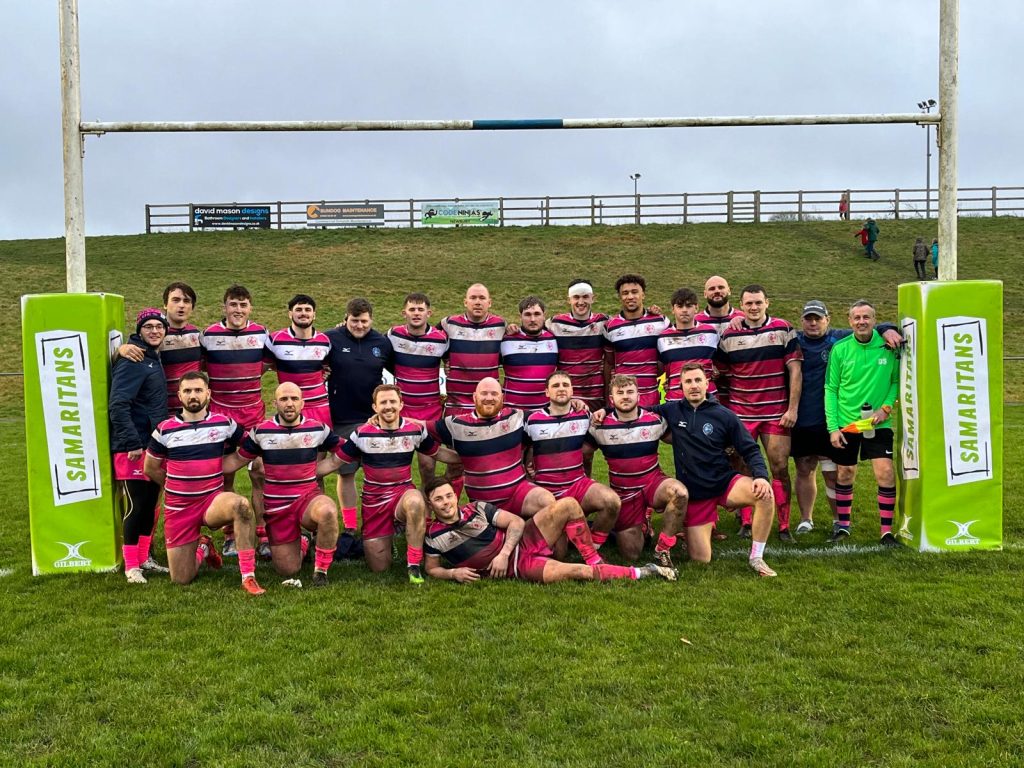
Newbury Blues captain Dan Thorne recently reached an extraordinary milestone — 300 senior appearances for the club, alongside more than 1,700 points scored. Speaking to Kennet Radio, Dan reflected on a 15-year journey that has seen him grow from a late starter into one of the most recognisable and respected figures at Monks Lane.

Dan made his first-team debut in January 2011, having joined the senior setup the year before. While many players begin their rugby careers young, Dan’s route into the sport was less conventional.

“I didn’t actually play club rugby until I left school,” he explained. “My brother played from the age of five, so I was always around the club, but football was my first love growing up.”

It wasn’t until a gap year after school that Dan decided to give rugby a proper go, joining Newbury’s Colts (then Under-19s). That decision proved pivotal. A strong season saw him play alongside teammates who would later become first-team regulars — laying the foundations for a long and loyal career.

Leadership on and off the pitch
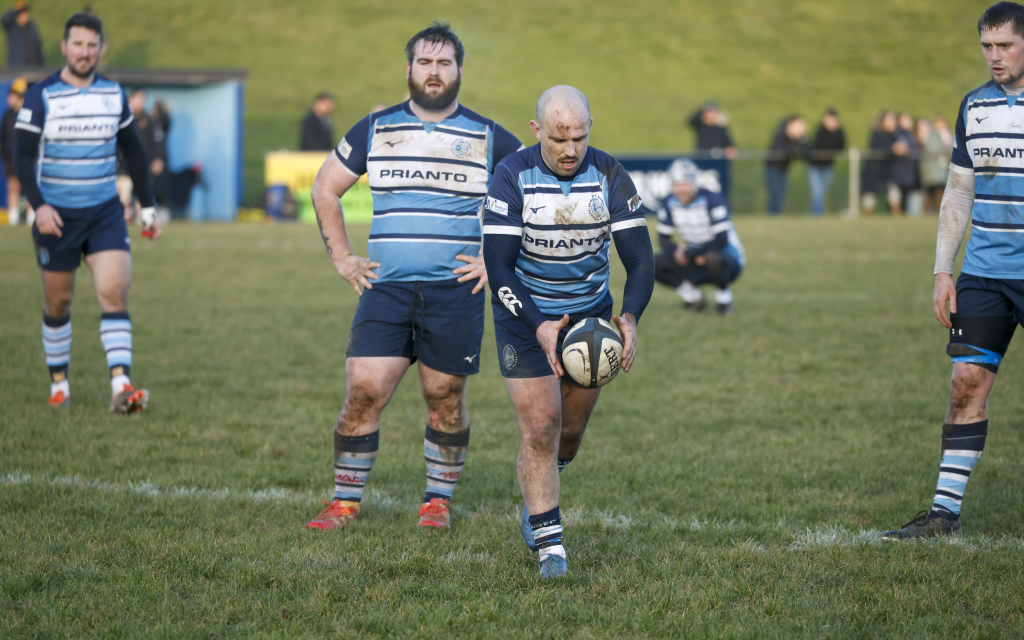
Dan became club captain at the start of the 2014–15 season, a role he has held for just over a decade. Asked what being captain really involves, he described it as far more than calling heads or tails on matchday.

“At first, it was about leading by example — setting standards through performance,” he said. “But over time it’s also become about communication: being a link between players and coaches, and helping manage things off the pitch as well.”

That leadership has been tested through both highs and lows. Dan recalled some particularly difficult early seasons, including heavy defeats during a period when the club was transitioning from semi-professional to fully amateur status.

“There were some dark days,” he admitted. “In my first season we only won one league game. I remember losing 130-something nil away at Old Centralians — that was my first taste of senior rugby.”

From dark days to unforgettable highs
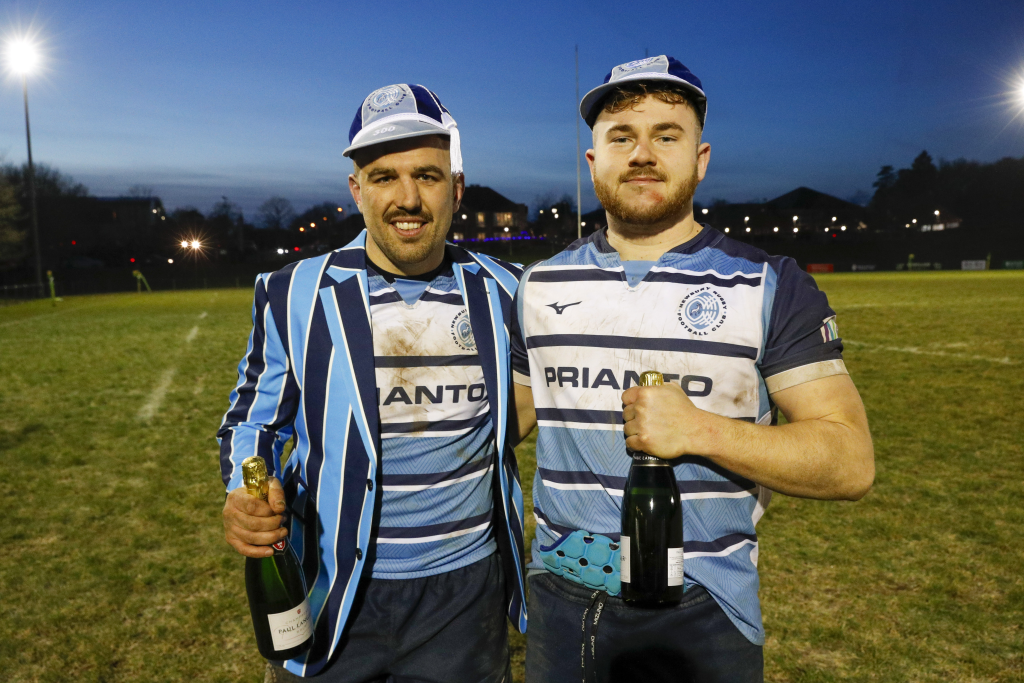
Despite those early struggles, Dan’s career has been filled with standout moments. One of the most memorable was what the club dubbed “The Great Escape” — a season where to avoid relegation Newbury had to win practically every one of their post-Christmas fixtures.

“There was a huge win against Salisbury on the last day of the season — that was special,” he said.

But the highlight still stands above the rest: a promotion playoff victory against Clevedon in 2016 or 2017.

“It was a Bank Holiday in April, about a thousand people here,” Dan recalled. “One game to get promoted — and we did it. The atmosphere, the performance, the celebrations… it’s still the best day I’ve had at Newbury.”

What made those successes even sweeter was the makeup of the squad — largely local players, many of whom had come through the club’s youth system.

Balancing rugby and real life
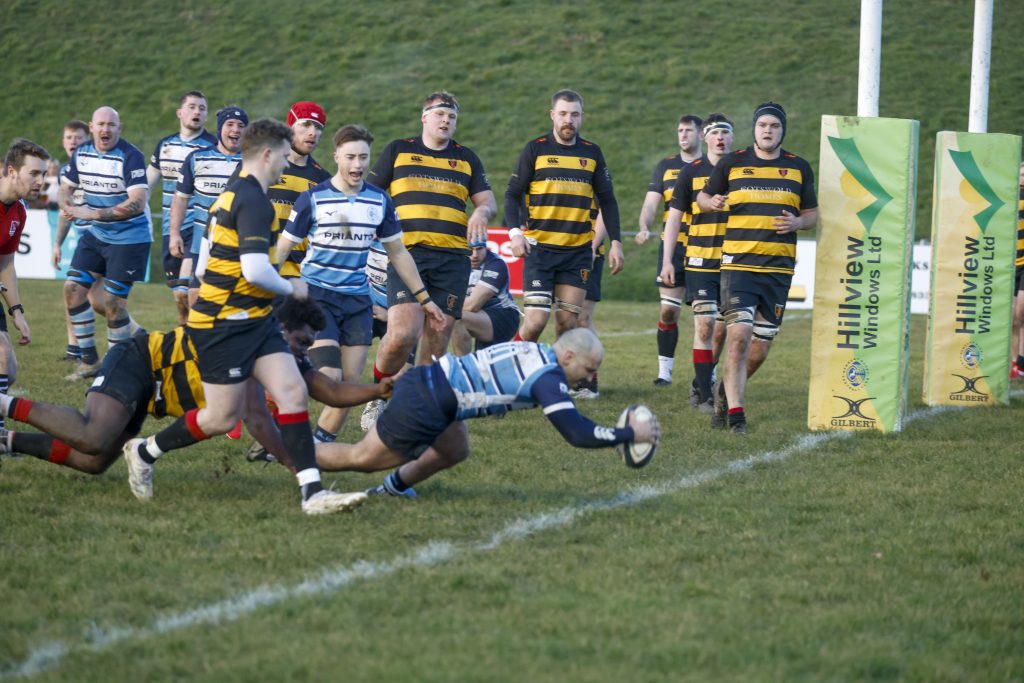
Away from the pitch, Dan works as a maths teacher at Park House School, just across the road from the rugby club — a convenience that helps him balance a demanding job with training and match commitments.

“I like routine,” he said. “The structure of teaching actually fits really well with rugby. Being so close means I can still make training even on busy days like parents’ evenings.”

What’s next?
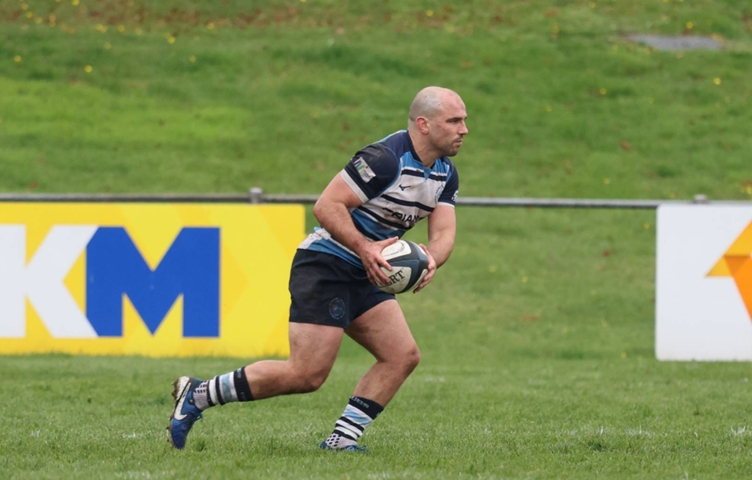
While 400 caps might be a stretch, Dan isn’t done yet.

“Hopefully a few more caps,” he said. “I’d like to play a season or two without being captain as well — let someone else take that responsibility while I’m still involved.”

As for life beyond rugby, Dan is looking forward to spending more time cycling, enjoying the summer, and keeping up with an ever-growing family — including five nieces.

Before signing off, Dan had one final message.

“A massive thank you to everyone who’s supported the club and supported me over the years. The support around town has been incredible — it’s what makes this club so special.”

Kennet Radio is proud to celebrate Dan Thorne’s 300-cap milestone and to share the story of a player whose commitment, leadership, and loyalty truly embody the spirit of Newbury Blues.

The interview with Dan Thorne was first broadcast on Kennet Radio’s Saturday Chatterday programme on 17th January, 2026.  Photos by kind permission of Peter Branch and Redwater Images.

Diamonds: made or mined?

Round & About

Andrew Chim, chemistry teacher, Fellow & Diamond Member of the Gemmological  
Association of Great Britain, explores natural and lab-grown diamonds 

Valentine’s Day spending in the UK rose by 7.1% in 2025 year-on-year. However, even though we spent more, the stress of deciding what to purchase affected 52% of shoppers last year. Statistics from the Nation Retail Federation in the USA showed record spending on jewellery in 2025, breaking the record for 2024 and China’s demand in gold jewellery spiked ahead of last Valentine’s Day as shoppers veered away from other luxury gifts. This growing trend in gifting jewellery confirms one of my personal mantras: you can’t go wrong with jewellery.  

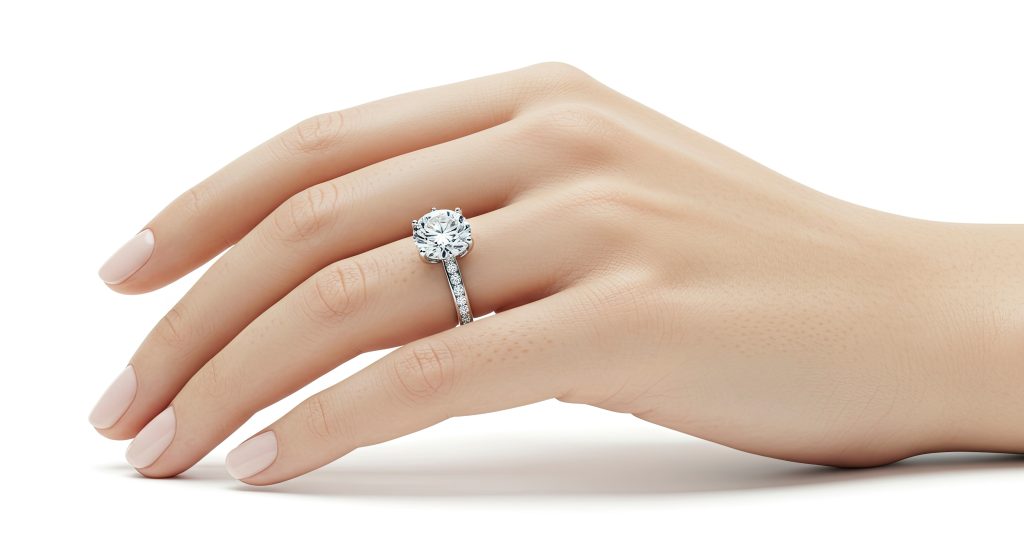
Now that I’ve explained the market and I have told you jewellery is a safe option, the next question is: what kind of  jewellery should you buy to represent your love? Thanks to decades of marketing by DeBeers, diamonds have become synonymous with love. Indeed, their superb hardness, durability and beauty mirror the quality we seek most – that of a love everlasting. In the last few years the diamond market has been turned upside down by the rapid emergence of so-called “lab-grown” diamonds, which have brought consumers a hugely lower price per carat than their natural counterparts.  

But, do you know what you’re buying? The descriptor “lab-grown” might conjure up images of scientists carefully hand-growing crystals in their labs. Many experts in the industry would prefer the more accurate description of “factory-made” given that they are made in huge factory buildings with row upon row of CVD or HPHT machines mostly in China (70%) and India, who are producing synthetic diamond by the tonne. I will be referring to these diamonds by their gemmological definition: synthetic i.e. an artificial gemstone with the same chemical composition as its natural analogue. So, are they real diamonds? Of course they are in terms of their chemistry and physics – they are actually purer than most of what Mother Nature can make, unlike diamond simulants such as cubic zirconia (zirconium oxide) or synthetic moissanite (silicon carbide) which imitate the look of diamond while not being pure crystallised carbon. This does not make them identical to natural diamonds, however. Gemmologists and testing labs have an array of screening and advanced techniques to differentiate between a synthetic and a natural diamond because of the presence of certain arrangements of nitrogen that are detectable in a spectrum and also the way they fluoresce and phosphoresce. 

Often the ethics of diamond mining are brought up to draw consumers into opting for lab-grown diamonds. “Blood diamonds” – those who profits funded conflicts in Sierra Leone, Angola and the Democratic Republic of the Congo in the 1990 and early 2000s are still, rightly, in people’s memories. What many people do not know is that the Kimberley process – a global, UN-backed scheme set up in 2003 to eradicate conflict diamonds –  has largely put a stop to conflict diamonds and accounts for 99.8% of global rough production. Far from being a blight on the developing world, mining has transformed economies. Botswana’s rise out of poverty is due to its natural diamond industry, which has produced the second biggest diamond ever recorded. The industry creates jobs and uplift communities in Namibia. Aboriginal communities are consulted, respected and supported economically by Dominion Diamonds in Canada’s Northern Territories. 

If you’re looking for a more environmentally friendly option, synthetic diamonds do seem to be a greener choice with far less greenhouse gas emissions, water use and pollution by mercury and cyanide. However, the picture is still nuanced. Synthetic diamonds produced from the High Pressure High Temperature (HPHT) technique whereby graphite or diamond powder is subjected to temperatures and pressures mimicking the conditions in nature where diamonds are created in the Earth’s mantle, still require a source of graphite or diamond that is itself mined. Synthetic diamonds made by chemical vapour deposition (CVD) require a source of methane which mainly comes from a fossil fuel source (although, Dale Vince’s CVD diamond company Skydiamond sources their methane from captured carbon dioxide that is bacterially fermented). The energy for the process of synthesising lab-grown diamonds may come from a renewable source, such as solar panels or from burning coal, though it’s impossible to know which source of energy your average synthetic diamond in a shop window used, unless you go with Skydiamond, who claim to use 100% renewable energy. 

I think the choice between synthetic and natural runs parallel to the choice mankind has had to make, and will continue to have to make, whether it’s AI-generated art, literature and film and work created by humans or the choice of fast fashion or slow, fast or slow food, live performance or the recording. What draws many gem-lovers to stones is that they are miracles of nature that have been worked by mankind through the centuries to reveal their beauty. They have been formed by happenstance where the correct elements just happened to come together under perfect geological conditions; their imperfections and inclusions reflecting the beautiful flaws in us as human beings. In the future I think we’ll live in a world with both synthetic and natural diamonds, just as fast food lives alongside haute gastronomy… But what will you choose? 

Andrew has worked in education for 13 years. You can follow him @chimmologist on Instagram. Also visit gem-a.com 

Chesney Hawkes touring star Q&A  

Round & About

Liz Nicholls chats to musician & dad Chesney Hawkes who is touring the UK in March with his new album Living Arrows 

Q. You’re a devoted dad. Let’s start with your musical family! “My favourite subject: my kids! My three are all in their early 20s and late teens now. My youngest is 19 and he’s actually my lead guitar player. He’s on the road with me, which is one of my favourite things in life. My daughter is 22 and she’s just graduated from St Andrews in animal behaviour. I’m very proud — I feel like I’ve almost completed parenthood!” 

Q. You grew up around guitars and rock-and-roll. What has parenthood taught you? “I grew up in a very rock-and-roll household, very liberal, crazy, things that would make your hair curl. We didn’t have many rules, put it that way! My wife comes from a more strict background, so we meet in the middle. It works for us.” 

Q. You’re back from LA to Blighty, how’s that? “It’s really good to be back. My life in LA involved a lot of travelling, long-haul flights, being away from my wife. I got fed up with that. Now we’re all together in the UK and I couldn’t be happier. I’m pretty close to where I did my paper round in Surrey when I was a kid. So full circle.” 

Q. You went to school in Sunningdale; did it nurture your music talent? “Not really. I had one teacher who taught me a few chords early on, but the school didn’t run a music course because not enough people wanted to do it. So everything I learned came from my dad, his musician friends, and me locking myself away in the studio.” 

Q. Do you think schools should do more for creative kids? “Definitely. I don’t think the arts are taken seriously enough. Creativity moulds your personality and it’s therapeutic. Politicians don’t realise how important it is. If you don’t let a child be creative, it’s a huge missed opportunity, whether it’s music, art, or whatever, you have to have that, I think, it’s so, so important.” 

Q. Your new album Living Arrows sounds incredibly personal… “This album has been a labour of love. I produced it with my friend Jake Gosling; he discovered Ed Sheeran and has worked with One Direction, Sam Smith, Paloma Faith, loads of big artists. He created a safe space for me to bring songs I’d written that were very cathartic and therapeutic. You get to a certain age and think, ‘I need to write about that.’ Songwriting helped me through those things. Living Arrows comes from a Kahlil Gibran poem, On Children, about pulling your bow back and letting your children go. I’m definitely at that stage. But it also applies to songs; you put your life into them, then you let them go and find their own emotional connections.” 

Q. Has Big Brother brought you a new audience? “Definitely. I’ve had a lot of younger people coming to gigs since Big Brother. The range now is amazing, from 18-year-olds to 80-year-olds. It’s very eclectic.” 

Q. What’s the strangest fan request you’ve ever had? “I’ve signed a lot of body parts over the years! Plenty of odd requests — it’s just part of that world.” 

Q. What’s the most rewarding message you’ve ever received from a fan? “It’s usually about the songs. My latest single Loud is about loss; I lost my best friend this year. It was tough, and releasing a record about loss at that moment was… interesting. When it started doing well on the Radio 2 playlist, I got messages from people all over the country saying the song helped them with their grief. It felt like a collective hug. It helped me in my grief, made me realise we’re not alone. That’s the power of music; those emotional connections.” 

Q. What’s your first memory of music? “Growing up in that musical household. My dad’s friends were all musicians. They’d have jam parties. My dad would take me to gigs and I’d peek through the wings watching him in his leather trousers with knickers being thrown at him! I never wanted to do anything else. My dad always says I came out singing – there was never a backup plan.” 

Q. Do you remember the first album you loved? “The Beatles. My dad’s collection was about 70% Beatles. I remember locking myself in the lounge, putting on The White Album, and falling in love. That’s when I knew what I wanted to do.” 

Q. Who were your musical heroes? “John Lennon and Paul McCartney. Later on, Prince, Stevie Wonder, Elvis Costello, Fleetwood Mac, Nik Kershaw… there are so many. I’m a real music consumer – I connect with music in the same way people connect with my songs.” 

Q. What format do you listen to music on now? “I love vinyl. I’ve got a big collection and I’ve got my kids into it. We’ve got a record player in the kitchen. I’m always telling them off for not putting the Prince albums back in their sleeves!” 

Q. If you had a magic wand, what invention would improve your life? “Teleportation. I wouldn’t want to be the guinea pig, but it would be amazing. Touring means you’re away in far-flung places and can’t get home. To teleport home for breakfast with the kids? Perfect.” 

Q. If you could perform with any musician, living or dead, who would it be? “Prince. Not sure he’d let me onstage, but that would be the pinnacle.” 

Q. Are you tired of people asking about The One and Only? “I’m not. If you’d asked me in the mid-90s, the answer might’ve been different, but these days we’re friends – me and the song. As soon as that intro starts, the crowd’s energy lifts. I’m proud of it. It’s a great record and it’s stood the test of time. I like playing it! We’re friends with benefits now!” 

Q. Do you celebrate Valentine’s Day? “Krissy and I carve out our own dates because we’re both so busy. If we’re together on Valentine’s Day we’ll go out, but it’s just another day really. We celebrate our love in our own way.” 

Listen & buy music & book your gig tickets at chesneyhawkes.com 

Later life living choices

Round & About

Residential, live-in or domiciliary care – which is right for you & your loved one? 

Read more articles in the care article:

Choose the right care option for you in your later life:  

Residential: Many homes are purpose-built to account for a wide range of circumstances. A key factor for many is the social aspect they offer with the chance to live alongside others on a day-to-day basis and enjoy a variety of activities. Residential care can also provide practical, emotional and personal support. Residents can keep their independence but also enjoy help with day-to-day tasks.  

Domiciliary: Continue living in your own home with visits from a carer. The intensity and frequency of domiciliary care visits will be determined by your needs, it may be that short-term ‘dom care’ will suffice after a hospital stay for example, but it may be that more regular care is needed albeit for relatively low-level care needs. You may find that just an hour or two a day is sufficient to meet your needs which may include just daily care and essential tasks. Dom care allows you to maintain easy contact with family and friends and grants a degree of independence where possible.  

Live-in: If your care needs are more acute but you would like to stay in your own home then this option may be suitable. You’ll benefit from one-to-one care from a professional caregiver focussing on your needs, giving you and your loved ones peace of mind. This increasingly popular option is more financially viable for many.  

See the accompanying map in this feature for businesses advertising with Round & About offering the right service for 

Pilates for older adults

Round & About

Pilates teacher Claire Seager looks at the benefits of pilates for strength, balance, and confidence at any age

As we get older, staying active becomes one of the most powerful ways to maintain independence, confidence, and quality of life.  

Pilates is an especially valuable form of exercise for older adults because it focuses on controlled movement, posture, breathing, and core strength rather than speed or impact. Originally developed by Joseph Pilates as a rehabilitation system, Pilates is low-impact, adaptable, and effective for supporting physical and mental well-being. 

Pilates works well for older adults because one of the greatest benefits of Pilates is its emphasis on core strength. The “core” includes the muscles of the abdomen, lower back, hips, and pelvic floor. These muscles support everyday activities such as standing up from a chair, walking, reaching, and maintaining balance. A strong core reduces strain on the spine and joints, helping older adults move with greater ease and stability. 

Pilates also improves balance and coordination, which are crucial for fall prevention. Many Pilates exercises train the body to move with control and awareness, strengthening smaller stabilising muscles that often weaken with age. Better balance can translate into greater confidence when walking on uneven surfaces or climbing stairs. 

Another key benefit is improved flexibility and joint mobility. As we get older, muscles and connective tissues tend to stiffen, limiting our range of motion. Pilates uses gentle, flowing movements to stretch tight muscles and keep joints moving, without forcing the body into uncomfortable positions. 

Pilates is also excellent for posture and spinal health. Poor posture can lead to a sore back, neck pain, and poor breathing habits. Pilates exercises emphasise alignment and spinal support, encouraging taller posture and better body awareness. Over time, this can reduce aches and pains, and enable you to move well and feel better. 

Beyond physical benefits, Pilates supports mental well-being. The focus on breathing and mindful movement can reduce stress, improve concentration, and create a sense of calm. If you join a group class, Pilates becomes not just exercise, but a positive routine that builds confidence and social connection. 

Is it suitable for me? 

Pilates can be modified for nearly every ability level. Exercises can be done on a mat, standing, or seated in a chair, making it accessible even for those with limited mobility. Movements are slow and controlled, which reduces the risk of injury. As with any new exercise programme, you should consult a healthcare professional if you have medical conditions, and work with a qualified and experienced Pilates instructor. 

Below are four beginner-friendly Pilates exercises you can try. These can be adapted as needed and should always be done within a comfortable, pain-free range. 

1. Pelvic Tilt 

This exercise strengthens the deep abdominal muscles and supports the lower back. 

How to do it: Lie on your back with knees bent and feet flat on the floor. Gently engage your abdominal muscles and tilt your pelvis so your lower back presses lightly into the mat. Hold for a few seconds, then release. Repeat slowly. 

Benefits: Improves core stability and reduces lower back tension. 

2. Seated Spine Stretch 

This movement promotes spinal flexibility and posture awareness. 

How to do it: Sit upright on a chair with feet flat on the floor. Inhale to sit tall, then exhale as you gently round your spine forward, reaching your hands toward your knees or shins. Inhale to return to upright. 

Benefits: Increases spinal mobility and encourages good posture. 

3. Heel Slides 

A gentle leg exercise that improves hip mobility and core control. 

How to do it: Lie on your back with knees bent. Slowly slide one heel away from your body to extend the leg, keeping the pelvis stable, then slide it back. Alternate legs.  You can place your hands on your hips to see if they are remaining level. 

Benefits: Strengthens the legs and core while protecting the joints. 

4. Standing Leg Lifts 

This exercise supports balance and hip strength. 

How to do it: Stand behind a chair, holding the back for support. Lift one leg slightly to the side or back without leaning. Lower with control and repeat on the other side. 

Benefits: Improves balance, hip strength, and stability for walking. 

A Lifelong Practice 

Pilates is not about pushing limits – it’s about moving better. It offers a safe, effective way to stay strong, flexible, and confident, enabling you to live the lift you want. Make 2026 the year that you say yes to that holiday, try a new hobby or simply keep up with the grandkids. 

Claire Seager teaches Pilates in West End, Bisley, Pirbright and Brookwood as well as online. Find out more at claireseagerpilates.com 

Discover a New Way of Living at Henley Manor’s Taster Day

Round & About

Start the New Year by exploring a fresh approach to care, comfort and community at Hallmark Henley Manor. Families, friends and anyone curious about luxury care home living are warmly invited to pop in for their Taster Day on Saturday 24th January.  Stop by whenever is convenient between 10am – 1pm and enjoy a relaxed opportunity to discover what life in this award-winning home is really like.

Guests will have the chance to sit back, unwind and take in the surroundings while enjoying a selection of delicious nibbles prepared by the hospitality team. The event offers time to stroll through their beautiful and homely spaces, chat with friendly team members and experience the warm, vibrant atmosphere that residents enjoy every day.

Whether exploring care options for a loved one or simply looking to understand more about the lifestyle and support available, you may be pleasantly surprised by what you find.

“Our bighearted approach to care means you’ll always have the support you need to live your life to the fullest,” says James Morl, Customer Relationship Manager. “Our Taster Day is the perfect way to experience this for yourself—come along, see the home, meet the team and get a chance to see what life is really like here.”

RSVP today to reserve a place.
Contact James Morl, Customer Relationship Manager
Visit: hallmarkcarehomes.co.uk/henley-manor
Call: 01491 378 010
Find at: Hallmark Henley Manor, Mill Lane, Henley-on-Thames, RG9 4HD

Best Australian Wines For 2026

Round & About

With Australia Day on the horizon, Round & About’s wine columnist Giles Luckett picks his Australian wines for 2026.

Hello.  Australia Day is on the 26th of this month, so it’s time for my annual celebration of Australian wines.  This year, the ones that are helping banish my January blues are better and more diverse than ever as the Australian wine scene continues to surprise and delight.  So, get the (indoor) barbecue fired up, stick Men At Work on (I know the lead singer’s Scottish) and celebrate the best wines from a Land Down Under. 

I’ll start with a fizz, the Jansz Rosé (Noble Green £18.50 on a mixed 6).  One of the spectacular tastings I ever attended was a 30-bottle flight of sparkling wines overlooking the Tasman Sea.   An extensive selection of Jansz wines was on show, and while all were excellent, the rosé really wowed me.  It possessed all the green and white fruits and yeasty character that made the white so impressive but had a savoury raspberry and dried blackberry tone that was even more diverting than the view.  A stunning wine, it’s rarely out of my cellar. 

Yalumba is one of the great names of Australian wines.  Family-owned, winemaker Louisa Rose has taken this venerable producer’s wines to new heights.  I often find myself turning to their Viogniers for their joy-inducing abilities.  My go-to wine is the Yalumba Organic Viognier (Waitrose £10), which combines brilliance with value.  This year, having proved particularly testing (two rescue kittens entering the home of the world’s largest, most enthusiastic spaniel has proved a marriage made in hectic Hell), I’ve treated myself to some of the Samuel’s Collection Eden Valley Viognier (West End Wines £16.50).  Combining tropical fruit, apricots, and pears with fennel, honeysuckle, and white pepper, it’s exotic and full-bodied, yet easy-going.  Give this a couple of hours open and pair with roasted white meats or fish, and you’re in for a treat. 

Australian Chardonnay is a wine with a story to tell.  A breakthrough wine in the mid-1980s, by the early 1990s ‘bottled sunshine’ as it became known helped give rise to the ABC (anything but Chardonnay_ movement of the early 1990s.  Over-extraction and more oak than the New Forest saw its fortunes fall as quickly as they had risen.  Many years of soul (and soil) searching by visionary producers saw a renaissance in its fortunes and the emergence of gems such as the Robert Oatley Finisterre Chardonnay (The Good Spirits Company £26). 

Complex and energetic best describe this striking wine.  From the off, there’s a fascinating tension between richness and zest.  The nose offers tropical fruits and honey offset by lemon and lime, Granny Smith apple and the smoky tone of a struck struck match.  It’s the same on the palate.  Generous quantities of honey-glazed melon, peach and mango are balanced by white currant, lemon, and grapefruit.  Serious and delicious, serve this with seafood, gammon or mushrooms. 


I’ll stay with Robert Oatley for my first red, the Finisterre Grenache (York Wines £21.25).  Grenache held promise as a fine wine grape in Aus for years, but it’s only in the last decade that it’s kept that promise.  Keeping this naturally high-cropping variety’s yields down and planting on cooler sites has allowed it to show its Pinot Noir-like nobility.  Dark ruby with a welcoming nose of cherries, strawberries, mulberries, and musk, at first taste, it’s surprisingly taut and savoury.  Give the glass a swirl and flavours of strawberry, cherry, and raspberry come through, accompanied by aniseed twists and earth before the firm, grippy finish.  A class act, it’s got time on its side, but it would be brilliant with lamb or rich veggie dish like roasted aubergines. 

I could hardly celebrate Australian wines and not rejoice in a Shiraz.  Well, I could, but it would feel about as complete as HS2.  Shiraz is another grape that’s been on a journey, and I don’t just mean to the winery.  The ethos was once the bigger the better.  Extract all you can, let alcohol levels soar, and chuck in a barrel-load of oak.  While the resulting wines were often great fun, they were about as subtle as party political broadcast.  Today, Shiraz is treated with the respect it deserves, and the best wines have algebraic complexity combined with lip-smacking levels of satisfaction. 

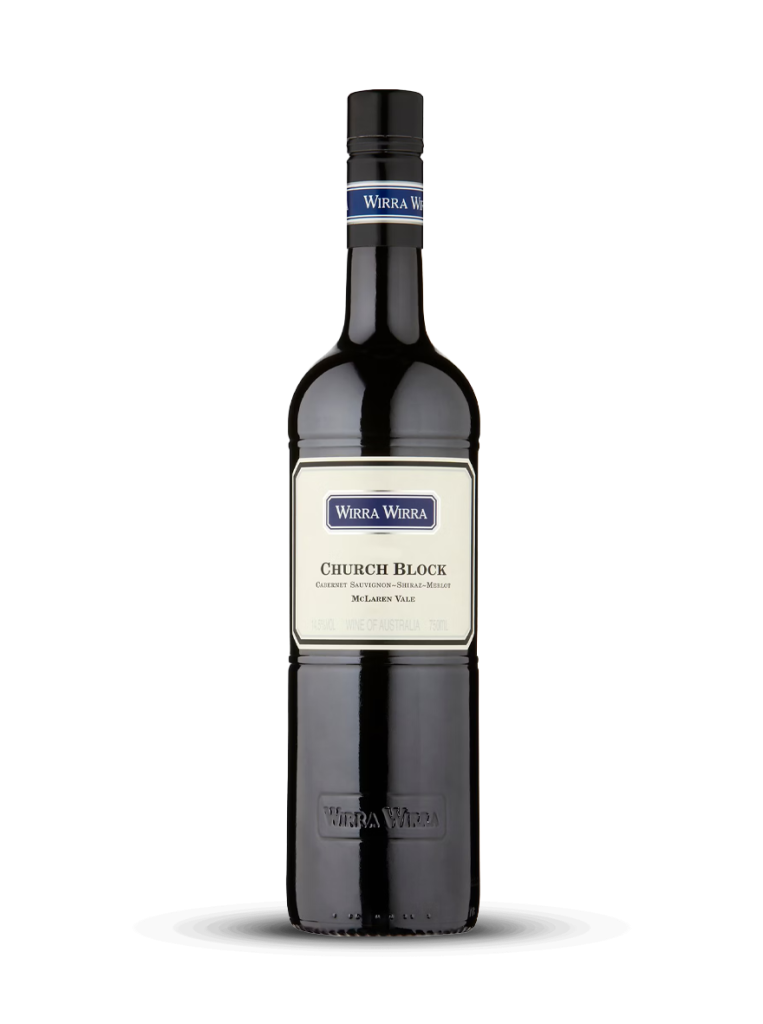
Wirra Wirra’s Church Block (Waitrose £15.75) is a fine example of modern Shiraz.  Inky purple, aromas of crushed currants, peppers, pepper and eucalyptus soaring from the glass.  The palate, though, is far less explosive, being cool-headed and measured.  Layers of juicy black berries, plums, and tangy cranberries form the foundations, while herbs, sour cherries, spices, chocolate and charcoal provide a delicious overlay.  Smooth as silk and round as a marble, it’s a must-try with hearty meat pies, pâte, and full-on cheeses.  

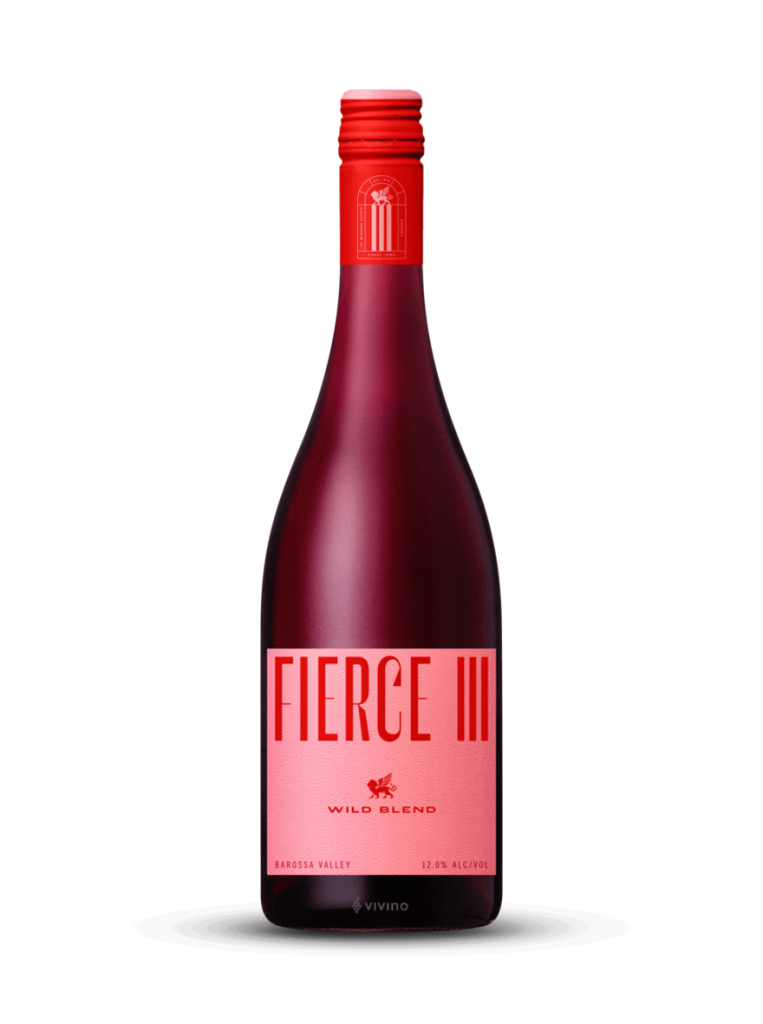
Lou Miranda’s wines were one of my big discoveries of 2025.  This family-owned and run Barossa estate creates a range of exciting and innovative wines that marry tradition with innovation to impressive effect.  The Lou Miranda Fierce Wild Blend (Perfect Cellar £23.95) is a perfect example of this.  Angela Miranda has created something unique here.  A red wine that drinks like a white that’s made from Shiraz, Chardonnay, Pinot Grigio, Merlot and Sagrantino.  I had it lightly chilled and found its abundance of red berries, plums, and earthy spices offset by red apples and rose water tones.  There’s a subtle hint of sweetness to the finish, and the lowish alcohol (12%) means it would make an ideal partner to Thai food or something piquant and creamy like an Italian cheese risotto. 

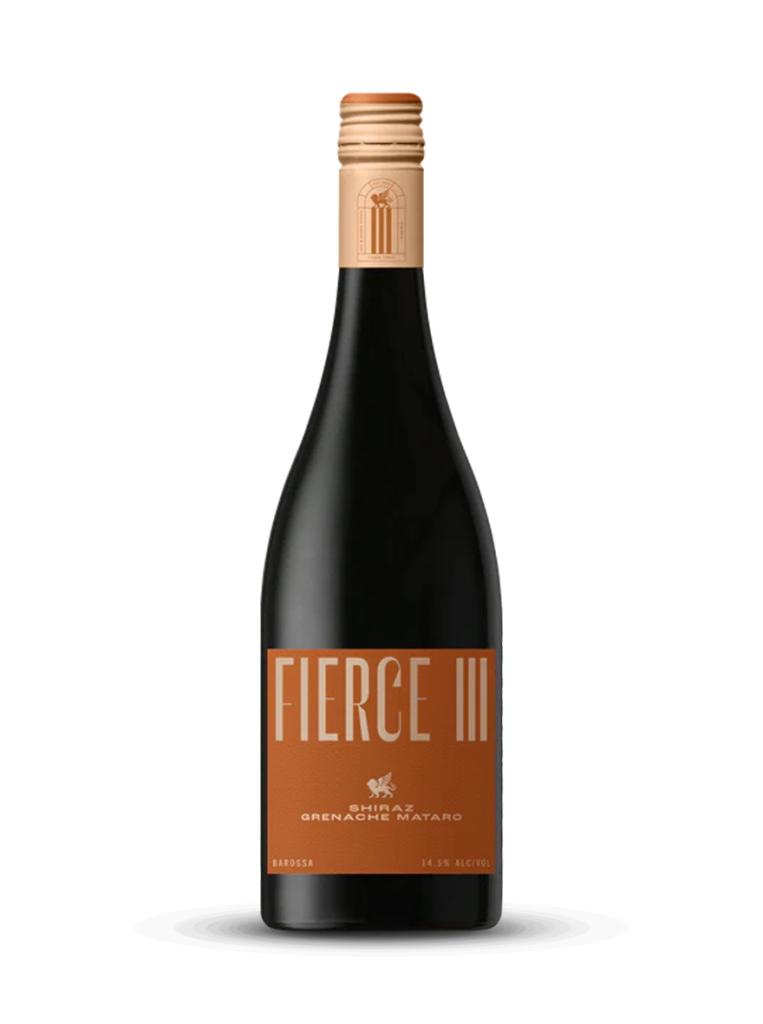
Grenache features in my next recommendation, the Lou Miranda Fierce SGM (Perfect Cellar £24.26).  Created using Shiraz, Grenache, Mataro, this is a mighty mouthful.  Very deep, with smoke, charcoal, black fruits, and red berries dominating the nose, with menthol balsamic coming up the rear.  Restrained and purposeful, in the mouth it’s fullish, earthy, with lots of toasty oak giving the sweet black fruits a charred character.  At the finish, there are dry, dusty tannins, plenty of juiciness and a herby, savoury note.  It’s one of the most thought-provoking reds I’ve had in a long time and one I will certainly be looking at again. 

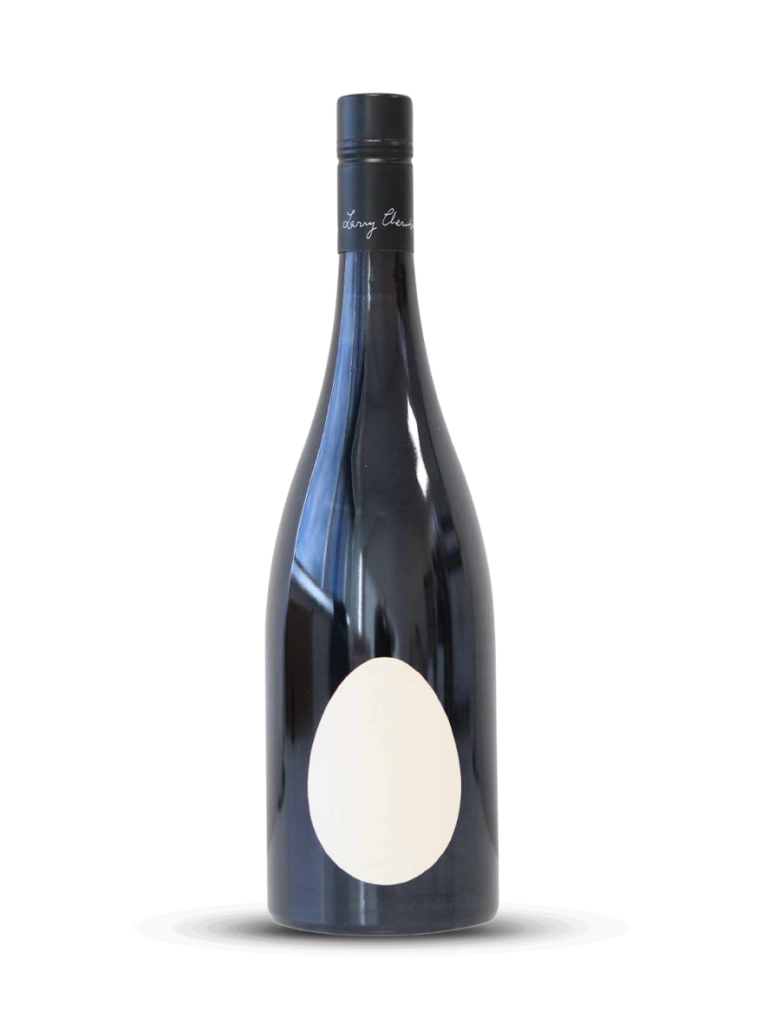
I’ll finish with a flourish in the delightful shape of another new discovery, and an undoubted work of genius.  It’s the Uovo Nebbiolo Cabernet 2023 (Oxford Wine Company £21.75) from Australian wine legend, Larry Cherubino.  Personally, I’d never have thought of putting Piedmonte’s Nebbiolo with Bordeaux’s Cabernet, but that’s one of the many reasons that Larry was awarded the 2023 Outstanding Wine Producer Award at the International Wine and Spirit Competition and I wasn’t. 


This mesmerising wine is dominated by the Nebbiolo.  The nose of cherries, roses, raspberries, and liquorice are all classic tells, and the savoury, sophisticated dried black fruits, black cherries, leather and earthy spices are similarly typical.  In the shadows, however, the Cabernet brings blackcurrants, mint, and pepper, a contrast that is striking, yet feels natural.  Powerful and elegant, it was superb with a block of Manchego, but it would be brilliant with tomato-rich dishes or cured meats. 

Next time, I’m all about the love of wine. 
 Cheers! 
Giles 

Sing, smile, connect with Wantage Sings 

Round & About

The Wantage Sings team invite you to join them for music & community

January can feel like a long, grey stretch, but there is one simple, joyful remedy that science keeps coming back to: singing. Studies suggest that singing in a choir gives a genuine boost to your mood and may even release happy hormones.  

Dr Michael Mosley once noted that singing together for just one hour could help support the immune system. Other research shows that group singing increases oxytocin, the social bonding hormone that reduces stress and helps explain why joining a choir can feel like an instant ice-breaker. 

Speak to anyone at Wantage Sings and you will hear the same story over and over again. Here are some comments from those who have: 

“Wantage Sings feels like a family where you meet and make lovely friends.” 

“Singing with Wantage Sings is good for unwinding after a long day at work.” 

“I joined this year and have been made to feel so welcome.” 

“I enjoy learning songs and performing on stage, something I never thought I would do.” 

“Even on the days when I don’t feel like going, I always leave rehearsal feeling much better.” 

This sense of belonging lies at the heart of Wantage Sings, a vibrant community choir open to anyone over 18 who simply loves singing. No auditions and no experience are needed. Just a warm hall, a friendly group of voices and the shared joy of making music. 

The choir meet every Wednesday, 7.30-10pm at Wantage Methodist Hall in Newbury Street. Rehearsals follow a chosen theme each season and build toward a performance with a live band. The balance of learning, performing and enjoying the social side of choir life is something members repeatedly celebrate. 

If you are curious, new faces are always welcome. Rehearsals for the June concert, Battle of the Bands, begin on Wednesday, 18th February, and anyone considering joining is encouraged to come along for a relaxed taster session. Before then, there’s another treat on the horizon. Wantage Sings will take to the stage at the end of January for a pair of feelgood concerts celebrating iconic movie music. On Friday, 30th January, at Steventon Village Hall and Saturday, 31st January, at Old Mill Hall in Grove, audiences will be treated to a soundtrack spectacular. Think Bond, Pitch Perfect, Top Gun, Twilight and more. It is a perfect pick-me-up for winter evenings. 

Tickets are £10pp or £8 for concessions. The doors and bar will open at 7pm, with performances starting at 7.30pm. 

Whether you want to beat the winter blues, try something new in 2026, or simply enjoy brilliant live music, Wantage Sings offers exactly what the science promises: community, connection and a welcome lift in spirit.  

For more info visit WantageSings.co.uk

Thanking Uffington’s long-serving shopkeepers

Round & About

Village raises £2,000 to honour retiring Post Office couple after 28 years’ service.

After 28 years of dedication, dependable service and countless acts of quiet kindness, David and Rose Holborow — the much-loved team behind Uffington’s Post Office and shop — are retiring on 1 December. Their departure marks the end of an era for the village, and the community has responded with gratitude, warmth and a heartfelt financial send-off. 

Residents gathered on Friday 21 November at the Fox and Hounds pub, where parish councillor Mike Oldnall presented the couple with over £2,000 raised through a village collection, along with a framed photograph of the shop they poured their lives into for nearly three decades. “I’m delighted we could raise so much,” he said. “Rose and Dave are planning to use the funds towards a memorable railway journey holiday.” 

The Holborows took over the shop in 1997 and have been the heartbeat of Uffington ever since. Their commitment to the community never faltered — not during break-ins, not during snowstorms, not even during the height of the Covid pandemic. They set up a volunteer team to ensure the vulnerable had essential supplies, provided Post Office services on Sundays, and even acted as a vital prescription collection point in a village without its own doctors’ surgery. 

For many elderly residents, the shop has been more than a place to buy provisions; it has been a source of company, reassurance and connection. One villager shared, “I sometimes go to the shop just to see a friendly face. I’ve felt so much less isolated knowing it’s there.” 

Though villagers are sad to see them go, their legacy is deeply woven into the village fabric. The shop will continue under new ownership from December 2025 — but David and Rose’s years of kindness, service and community spirit will be fondly remembered for many years to come. 

Greener Henley Launches Green Futures for Schools

Round & About

Empowering Henley schools to take climate and nature action while building community resilience

Henley-on-Thames is taking climate action into schools with the launch of Greener Henley’s Green Futures Awards. The new initiative helps local schools implement practical steps on climate and nature, including resilience to extreme weather events like flash floods, heatwaves, and wildfires. Fifteen schools attended the online launch, including Gillotts, Badgemore Primary, Trinity Primary, Rupert House, St Mary’s Prep, Shiplake Primary, Oratory Prep, Sacred Heart, and Henley College

The Awards operate across three tiers – Bronze, Silver, and Gold – allowing schools to progress at their own pace while receiving guidance, support, and opportunities to share best practice with local peers. Unlike national programmes, the scheme is hyper-local, linking schools with initiatives such as NatureSquared, which aims to create a green corridor across Henley, and the annual Schools Science Fair at Henley College. 

Annie Ross, Volunteer Schools Lead at Greener Henley, says: 
“These Awards give schools the space and support to achieve meaningful action in their own community. By embedding climate resilience, we hope to help schools deliver on their environmental ambitions faster and more effectively.” 

Local heads also spoke at the launch about the benefits of the scheme. Tim Hoskins, Badgemore Primary, said: 
“Seeing the Green Futures Awards excites me…it’s local, practical, and gives us direction for the future. Support from Greener Henley will make a huge difference.” 

The Green Futures Awards are open to all schools in Henley and surrounding areas. Interested schools can email GH.Schools25@gmail.com